Types of Machines for Processing Dolomite Powder
Introduction
Dolomite, a calcium magnesium carbonate mineral (CaMg(CO3)2), is a crucial industrial raw material. Its applications span construction materials, glass manufacturing, ceramics, agriculture, and environmental protection. The processing of dolomite into powder of specific fineness is a critical step that directly influences product quality and performance in downstream industries. Selecting the appropriate grinding equipment is paramount, as it determines production efficiency, energy consumption, particle size distribution, and overall operational cost. This article provides a comprehensive overview of the primary types of machines used for processing dolomite powder, from coarse crushing to ultra-fine grinding, and highlights key technological considerations.
1. Primary and Secondary Crushing: Preparing the Feed
Before fine grinding, raw dolomite ore must be reduced to a manageable size. This stage typically involves jaw crushers for primary breaking and impact or cone crushers for secondary reduction. The goal is to produce a feed material with a consistent size (usually below 50mm) suitable for the subsequent grinding mills. Efficient pre-crushing is essential for optimizing the throughput and energy efficiency of the grinding circuit.
2. Coarse to Medium-Fine Grinding (45 mesh – 3mm)
2.1 Hammer Mills
For applications requiring a relatively coarse powder (0-3mm), such as agricultural lime or certain construction fillers, hammer mills offer a cost-effective solution. They operate on the principle of impact crushing by high-speed rotating hammers. Their advantages include a high crushing ratio, simple structure, and ease of maintenance. However, they are generally not suitable for producing fine or uniformly sized powders due to limited particle size control and higher wear rates on abrasive materials like dolomite.
2.2 Ball Mills
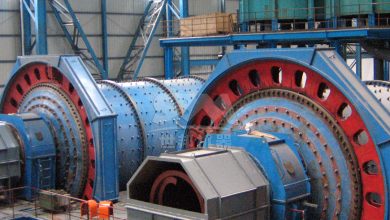
The traditional workhorse for mineral grinding, ball mills are versatile machines capable of producing powders in the range of 0.074-0.8mm (approximately 200-20 mesh). They operate via a rotating cylinder filled with grinding media (steel balls). Dolomite feed is crushed by the impact and attrition of the tumbling balls. Ball mills are renowned for their reliability, large capacity (up to 450 t/h), and ability to handle both dry and wet grinding. Their main drawbacks are high energy consumption, significant noise, and relatively broad particle size distribution, which may require additional classification.
3. Fine to Ultra-Fine Grinding (325 mesh – 2500 mesh/5μm)
This is the most critical range for high-value dolomite applications, such as plastics, paints, coatings, and advanced ceramics. The equipment for this range emphasizes precise particle size control, high efficiency, and product uniformity.
3.1 Raymond Mill (MTW Series European Trapezium Mill)
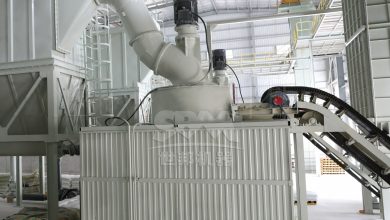
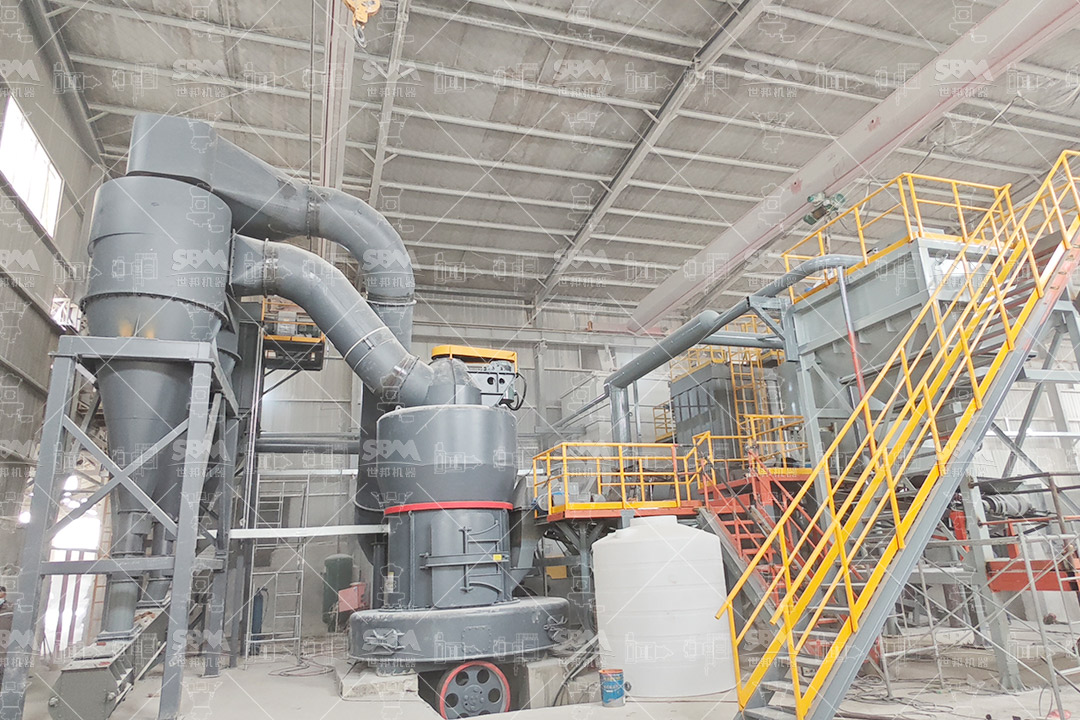
An evolution of the classic Raymond mill, the MTW Series European Trapezium Mill is a robust and efficient choice for producing dolomite powder in the 30-325 mesh (600-45μm) range. Its curved shovel blade design feeds material between the grinding rollers and ring for efficient crushing. A key advantage is its integral bevel gear drive, which boasts a transmission efficiency of up to 98%, saving space and energy. The optimized arc air duct and wear-resistant volute structure further enhance its durability and classification efficiency, making it ideal for medium to large-scale production of fine dolomite powder.
3.2 Vertical Roller Mill (LM Series)
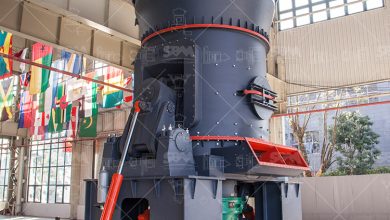
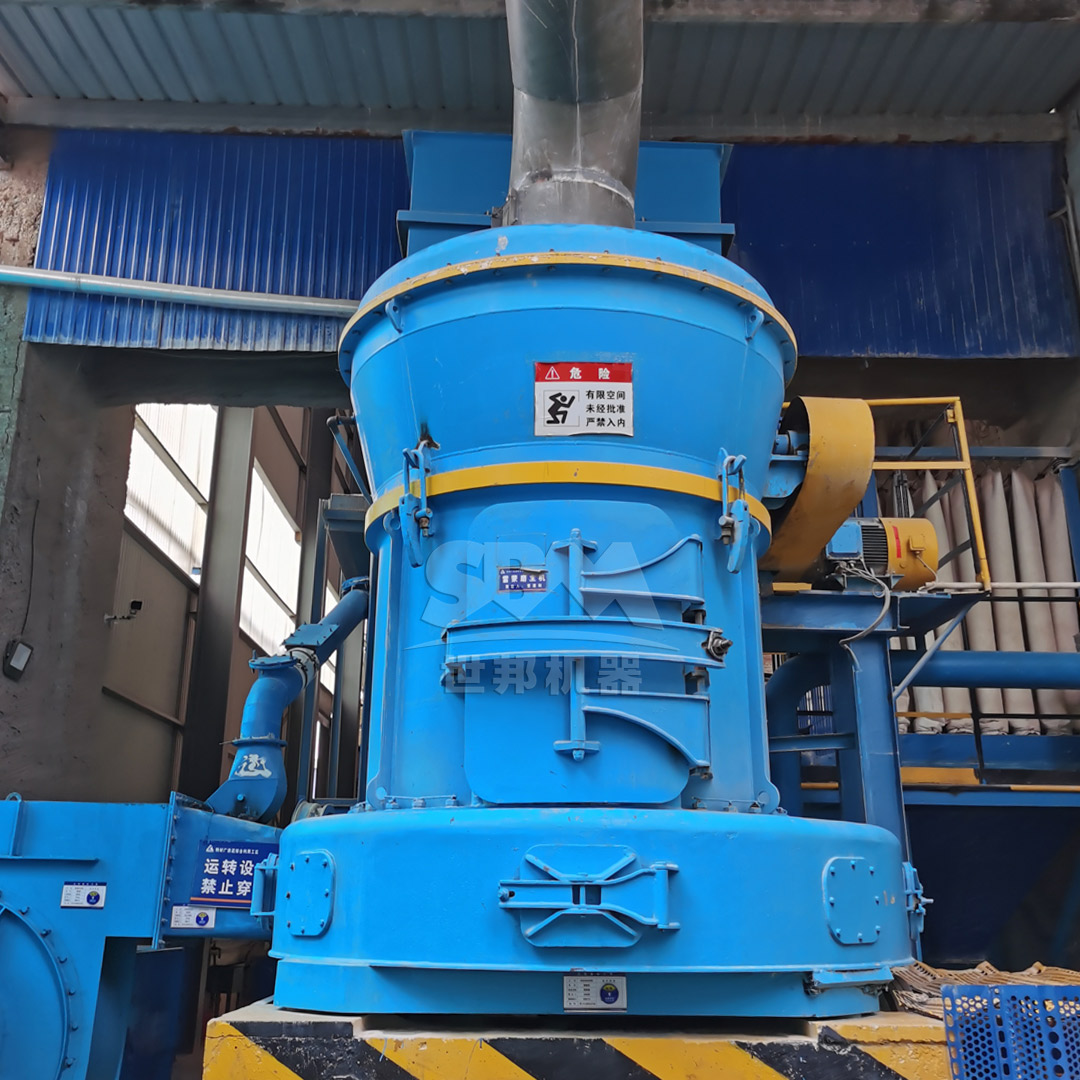
Vertical Roller Mills (VRMs) like the LM Series represent a leap in grinding technology. They integrate crushing, grinding, drying, and classification in a single unit. Material is ground between rollers and a rotating table. VRMs offer exceptional energy efficiency, typically 30-40% lower energy consumption than ball mill systems. Their compact, integrated design reduces floor space by 50% and allows for outdoor installation. For dolomite processing requiring fineness between 30-325 mesh (and up to 600 mesh for special models) with capacities from 3 to 250 t/h, the LM Series provides an excellent balance of high output, low operating cost, and intelligent control systems.
3.3 Ultrafine Grinding Mill (SCM Series Ultrafine Mill)
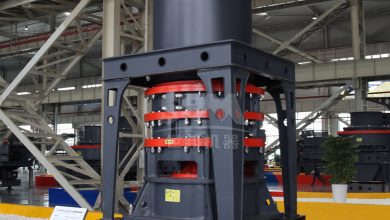
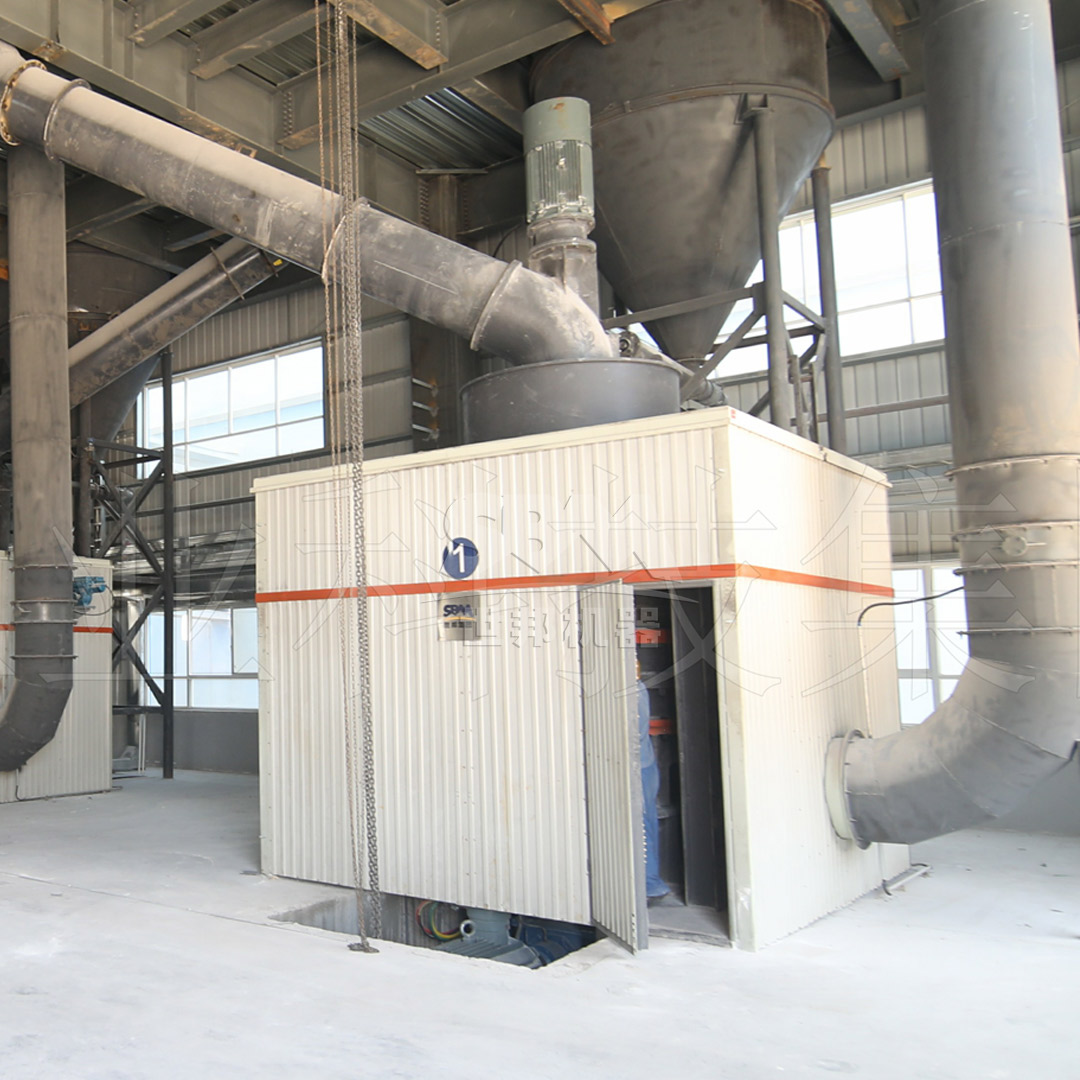
For the most demanding applications requiring ultra-fine dolomite powder (325-2500 mesh, or 45-5μm), the SCM Series Ultrafine Mill is the industry-leading solution. This mill utilizes a layered grinding principle where material is crushed by roller pressure against grinding rings. Its standout feature is the high-precision vertical turbine classifier, which ensures precise particle size cutting and eliminates coarse powder mixing, guaranteeing a uniform and high-quality final product.
When processing dolomite to sub-10μm fineness for premium applications, the SCM Series demonstrates superior performance. Its design is not only high-efficiency but also energy-saving, offering twice the capacity of jet mills with 30% lower energy consumption. The mill’s durable construction, featuring special material rollers and rings, ensures long service life even with abrasive materials. Furthermore, its eco-friendly design with a high-efficiency pulse dust collector and soundproof room makes it a responsible choice for modern processing plants. For operations targeting the high-value ultra-fine dolomite market, the SCM800 to SCM1680 models provide a scalable solution from 0.5 to 25 t/h.
4. Key Selection Criteria for Dolomite Grinding Equipment
Choosing the right machine involves a careful analysis of several factors:
- Required Product Fineness & Distribution: The target mesh size and particle size distribution are the primary drivers.
- Production Capacity: Hourly throughput requirements must match the mill’s capabilities.
- Energy Efficiency: Grinding is energy-intensive; selecting a mill with lower specific energy consumption (kWh/ton) is critical for operational economics.
- System Footprint & Cost: Consider both capital investment (CAPEX) and operating expenses (OPEX), including maintenance and wear part costs.
- Environmental & Noise Controls: Modern mills should feature effective dust collection and noise reduction technologies to meet regulatory standards.
Conclusion
The transformation of dolomite from raw rock to a functional powder requires a carefully selected sequence of processing machines. From initial crushing with hammer or jaw crushers to fine grinding with MTW Trapezium Mills or LM Vertical Roller Mills, each stage has its purpose. For producers aiming at the premium end of the market with ultra-fine products, advanced technologies like the SCM Series Ultrafine Mill are indispensable, offering unparalleled fineness control, efficiency, and system reliability. Ultimately, the optimal choice depends on a holistic assessment of product specifications, production scale, and economic objectives, ensuring the dolomite processing operation is both technically sound and commercially viable.