
What Are the Uses of Leucite? How to Develop Its Utilization Value
Introduction to Leucite: A Mineral of Industrial Significance
Leucite (KAlSi2O6) is a fascinating feldspathoid mineral, primarily composed of potassium, aluminum, and silicate. Its distinctive white or greyish-white appearance and trapezohedral crystal form have long made it a subject of geological interest. However, beyond its mineralogical appeal, leucite possesses a suite of physical and chemical properties that unlock significant industrial potential. Traditionally sourced from volcanic rocks, leucite’s journey from a geological specimen to a valuable industrial material hinges on one critical process: efficient and precise comminution. The development of its utilization value is intrinsically linked to advanced grinding technologies that can transform raw leucite ore into high-value powders with specific particle size distributions.
Key Properties and Traditional Applications of Leucite
The value of leucite stems from its unique composition and properties. It is a primary source of potassium and alumina. When finely ground, its high potassium oxide (K2O) content, typically around 21.5%, makes it a valuable potassic fertilizer material, especially in regions lacking conventional potash resources. Furthermore, its alumina (Al2O3) content contributes to its use in ceramic and glass formulations, where it can act as a flux, lowering melting temperatures and modifying thermal expansion properties.
Historically, its most prominent application has been in the production of specialty ceramics and glass-ceramics. Due to its low thermal expansion coefficient, leucite-based dental ceramics have been successfully used in restorative dentistry for crowns and bridges, offering excellent biocompatibility and aesthetic match to natural teeth. In larger-scale ceramics, leucite can be used as an additive to improve the mechanical strength and thermal shock resistance of products.
Developing High-Value Applications: The Critical Role of Particle Size
To unlock leucite’s full potential and move beyond traditional uses, precise control over its particle size and purity is paramount. The development of high-value applications is directly tied to advanced powder processing.
1. Advanced Ceramics and Composite Materials
For use in high-performance ceramics, composites, or as a functional filler in polymers, leucite must be ground to a consistent, ultrafine powder. A uniform sub-10-micron or even nanoscale particle size ensures better sintering behavior, higher density in final products, and improved mechanical properties. This allows leucite to be engineered into substrates for electronics, wear-resistant components, or reinforcing phases in metal matrix composites.
2. Geopolymer and Alternative Cement Binder
Leucite, rich in aluminum and silicon, is a promising precursor for geopolymer synthesis. Geopolymers are eco-friendly, low-CO2 binders that can replace Portland cement. Activating leucite’s aluminosilicate network requires it to be ground to a high specific surface area, enhancing its reactivity with alkaline solutions. Efficient milling is crucial to make this application economically viable.
3. Specialty Glass and Optical Materials
In glass manufacturing, the homogeneity of the batch is critical. Introducing leucite as a source of K2O and Al2O3 requires it to be finely and uniformly ground to ensure complete melting and reaction, preventing defects and achieving desired optical or chemical durability characteristics in the final glass.
4. Catalyst Support and Chemical Carriers
The aluminosilicate framework of leucite can be modified to create porous structures suitable for catalyst supports. Precise grinding to a controlled size range is the first step, often followed by chemical treatment. The particle size distribution affects the catalyst’s active surface area and flow dynamics in reactors.
Maximizing Utilization Value: Selecting the Right Grinding Technology
The bridge between raw leucite and its high-value applications is effective size reduction. The choice of grinding equipment determines the powder’s fineness, particle size distribution (PSD), shape, and overall production efficiency, which directly impacts operational costs and product marketability.
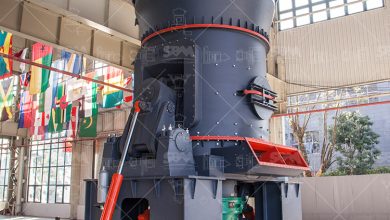
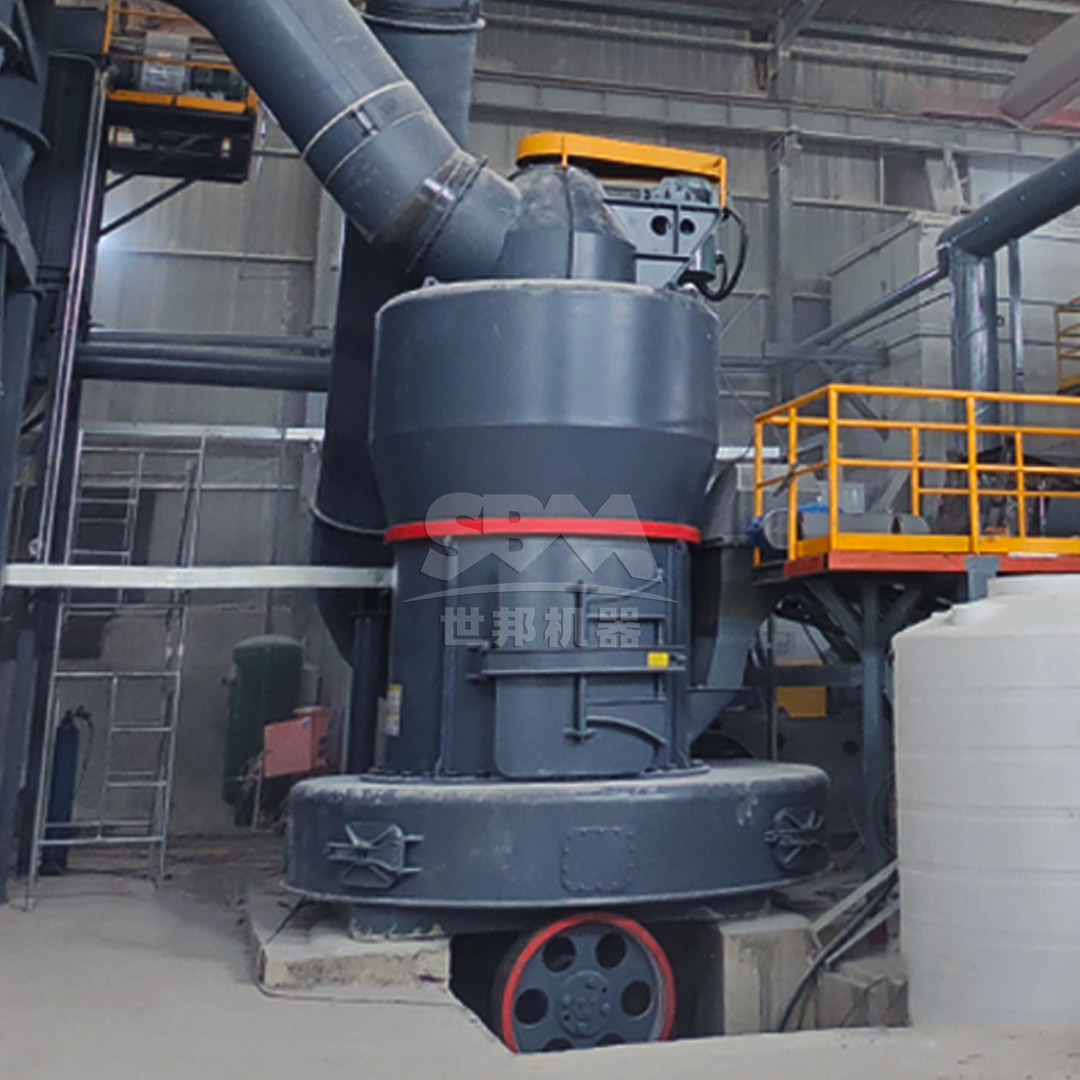
For coarse to medium grinding (from ~50mm down to 30-325 mesh or 600-45μm), where high capacity and robust processing are needed, the MTW Series European Trapezium Mill is an exemplary solution. Its advantages are perfectly suited for initial leucite size reduction or for applications requiring coarser powders:
- High Capacity & Efficiency: With a capacity range of 3-45 tons/hour, it can handle large-scale processing needs. The integral bevel gear drive boasts 98% transmission efficiency, translating to significant energy savings.
- Durability for Abrasive Materials: Leucite can be abrasive. The MTW series’ anti-wear shovel design, optimized arc air duct, and wear-resistant volute structure are engineered to reduce maintenance costs and extend component life, ensuring stable, long-term operation.
- Precise Classification: Its efficient classification system ensures a tight particle size distribution, which is crucial for consistent performance in downstream applications like fertilizer blends or ceramic batches.
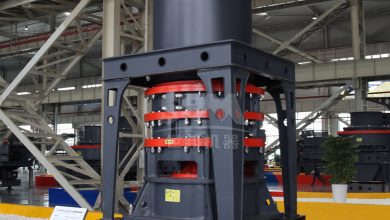
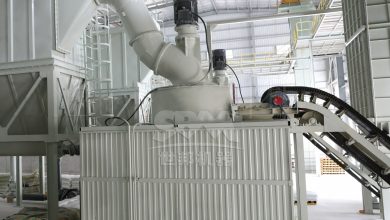
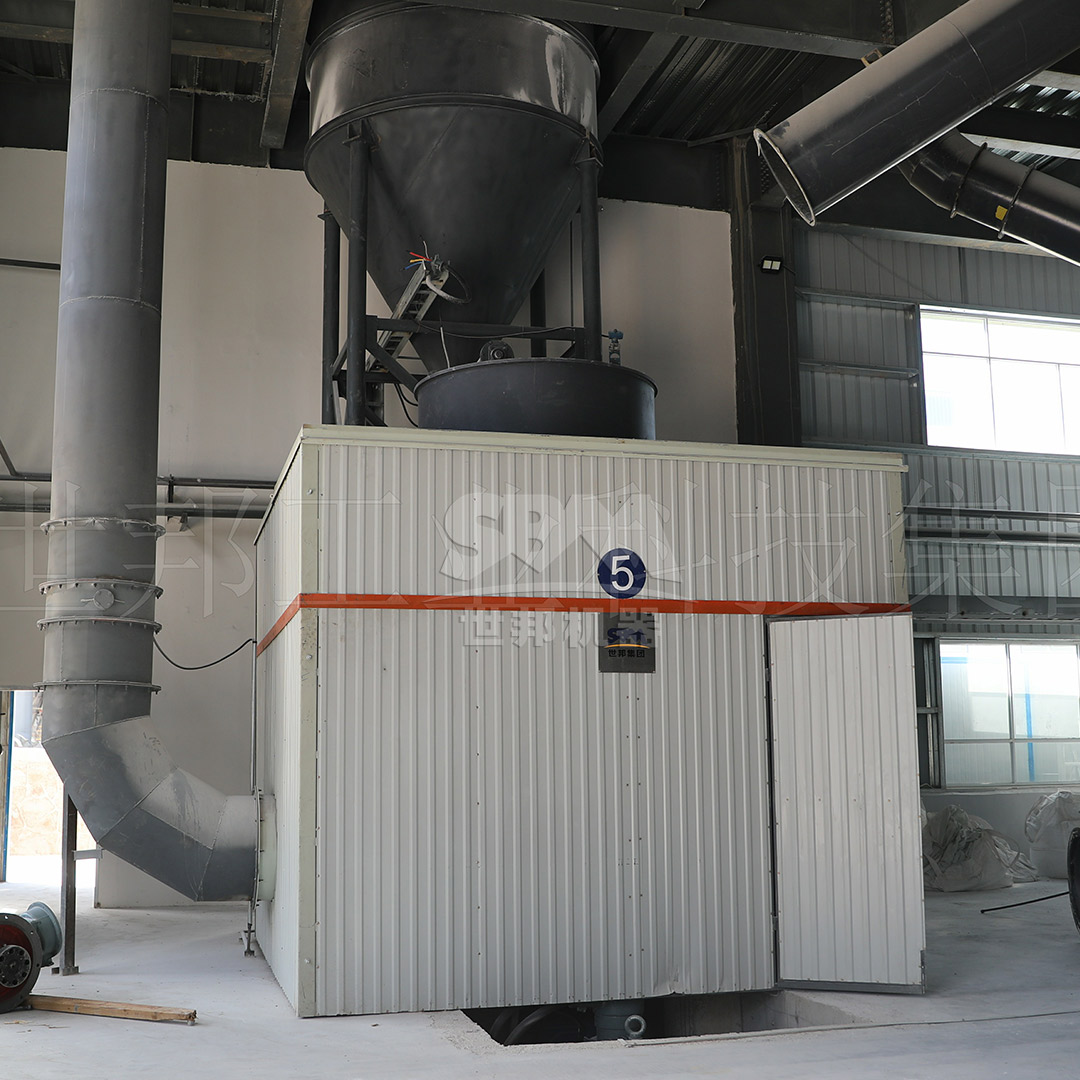
When the target is ultra-fine or micronized powders (325-2500 mesh or 45-5μm) for the most advanced applications, a different level of technology is required. The SCM Series Ultrafine Mill is specifically engineered for this demanding task and is highly recommended for maximizing the value of leucite:
- Ultra-Fine Grinding Capability: It reliably produces powders in the 5-45μm range (325-2500 mesh), which is essential for geopolymer reactivity, advanced ceramic sintering, and high-surface-area catalyst supports.
- High-Precision Turbine Classifier: This is its core advantage. The vertical turbine classifier ensures precise particle size cutting, eliminating coarse powder contamination. This results in a exceptionally uniform product, a non-negotiable requirement for high-tech industries.
- Energy Efficiency: Despite its fine grinding capability, it consumes 30% less energy than traditional jet mills while offering twice the capacity, making ultrafine processing more economical.
- Eco-Friendly Operation: Its pulse dust collection system exceeds international standards, and the soundproof design minimizes noise pollution, facilitating compliance with stringent environmental regulations.
Conclusion: Strategic Processing for Unlocking Potential
Leucite is far more than a geological curiosity. Its value as a source of potassium and alumina, combined with its functional properties, positions it for growth in sustainable and high-tech industries. However, this potential remains locked within the raw ore without modern, precise comminution technology. The development of its utilization value is a direct function of selecting the right grinding solution.
For large-scale, coarse to medium grinding, the robust and efficient MTW Series European Trapezium Mill provides an excellent foundation. To truly ascend the value chain and produce the ultrafine, consistent powders demanded by advanced ceramics, geopolymers, and specialty chemicals, the SCM Series Ultrafine Mill is the critical enabling technology. By investing in such advanced milling systems, producers can transform leucite from a bulk mineral into a tailored, high-performance material, opening new markets and driving innovation across multiple sectors.