What Are the Uses of Ferric Hydroxide Waste Residue? Market Demand Analysis
Introduction: From Waste to Resource
Ferric hydroxide waste residue, a by-product generated from various industrial processes such as water treatment, metal pickling, and chemical synthesis, has long been considered an environmental liability. Traditionally, its disposal has posed significant challenges due to its volume and potential for leaching. However, a paradigm shift is underway, driven by circular economy principles and advanced material science. This residue, rich in iron oxides and other minerals, is now being recognized as a valuable secondary raw material. This article explores the multifaceted uses of ferric hydroxide waste residue and provides a comprehensive analysis of the current and future market demand, highlighting the critical role of specialized processing equipment in unlocking its value.
Primary Applications and Value-Addition Pathways
1. Construction and Building Materials
This represents one of the largest-volume applications for processed ferric hydroxide residue.
- Pigments and Colorants: After proper drying, calcination, and micronization, the residue can be processed into iron oxide pigments (Fe2O3). These pigments are in high demand for coloring concrete, paving stones, roof tiles, and paints due to their excellent weather resistance, UV stability, and non-toxic nature.
- Cement and Concrete Additive: Finely ground residue can act as a supplementary cementitious material or a filler. It can influence the setting time and, due to its iron content, potentially enhance the density and corrosion resistance of the final product.
- Lightweight Aggregates: When pelletized and sintered, the residue can be transformed into lightweight aggregates for use in construction blocks and geotechnical applications.
2. Environmental Remediation and Adsorbents
Leveraging its inherent chemical properties, the residue is highly effective in pollution control.
- Wastewater Treatment: Processed residue acts as an excellent adsorbent for heavy metals (e.g., arsenic, lead, chromium), phosphates, and certain organic pollutants from industrial and mining wastewater. Its use in permeable reactive barriers is also being explored.
- Soil Amendment and Remediation: It can be used to immobilize contaminants in soil, reducing their bioavailability. Additionally, it can serve as a source of iron in iron-deficient soils.
3. Metallurgical and Chemical Industries
- Iron Source: For high-iron-content residues, processing can recover iron units for use in steelmaking (e.g., as sinter feed) or for the production of ferrous sulfate and other iron-based chemicals.
- Catalyst and Catalyst Support: After activation, the processed material can serve as a low-cost catalyst or support in various chemical reactions, including Fischer-Tropsch synthesis and dehydrogenation processes.
Market Demand Analysis: Drivers and Trends
Current Market Landscape
The global market for repurposed industrial waste, including ferric hydroxide residue, is experiencing robust growth. Demand is primarily driven by:
- Stringent Environmental Regulations: Landfill bans and high disposal costs are forcing industries to seek valorization pathways.
- Resource Scarcity and Price Volatility: The fluctuating cost of virgin iron ore and pigments makes secondary sources economically attractive.
- Corporate Sustainability Goals: Companies are actively seeking to reduce their environmental footprint and achieve circularity in their operations.
Future Outlook and Growth Sectors
Future demand is projected to expand significantly, particularly in:
- Green Construction: The global push for sustainable building materials will fuel demand for recycled content pigments and additives.
- Advanced Water Treatment: As water quality standards tighten, the need for effective, low-cost adsorbents will rise.
- Battery and Energy Storage: Research is ongoing into using processed iron compounds for battery electrodes, which could open a high-value market.
The Critical Role of Processing Technology: Unlocking Value through Precision Grinding
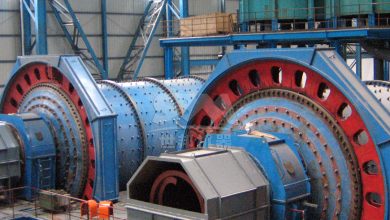
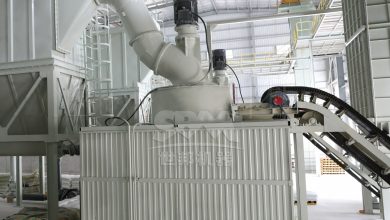
The economic viability and performance of repurposed ferric hydroxide residue are intrinsically linked to the quality of its processing. The key step is often comminution – reducing the material to a specific, consistent, and fine particle size. This enhances chemical reactivity, surface area, and purity, making it suitable for high-value applications. Inefficient or imprecise grinding can lead to poor product quality, high energy costs, and limited marketability.
Recommended Solution for High-Fineness Applications
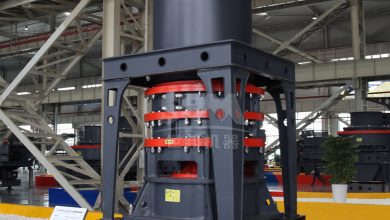
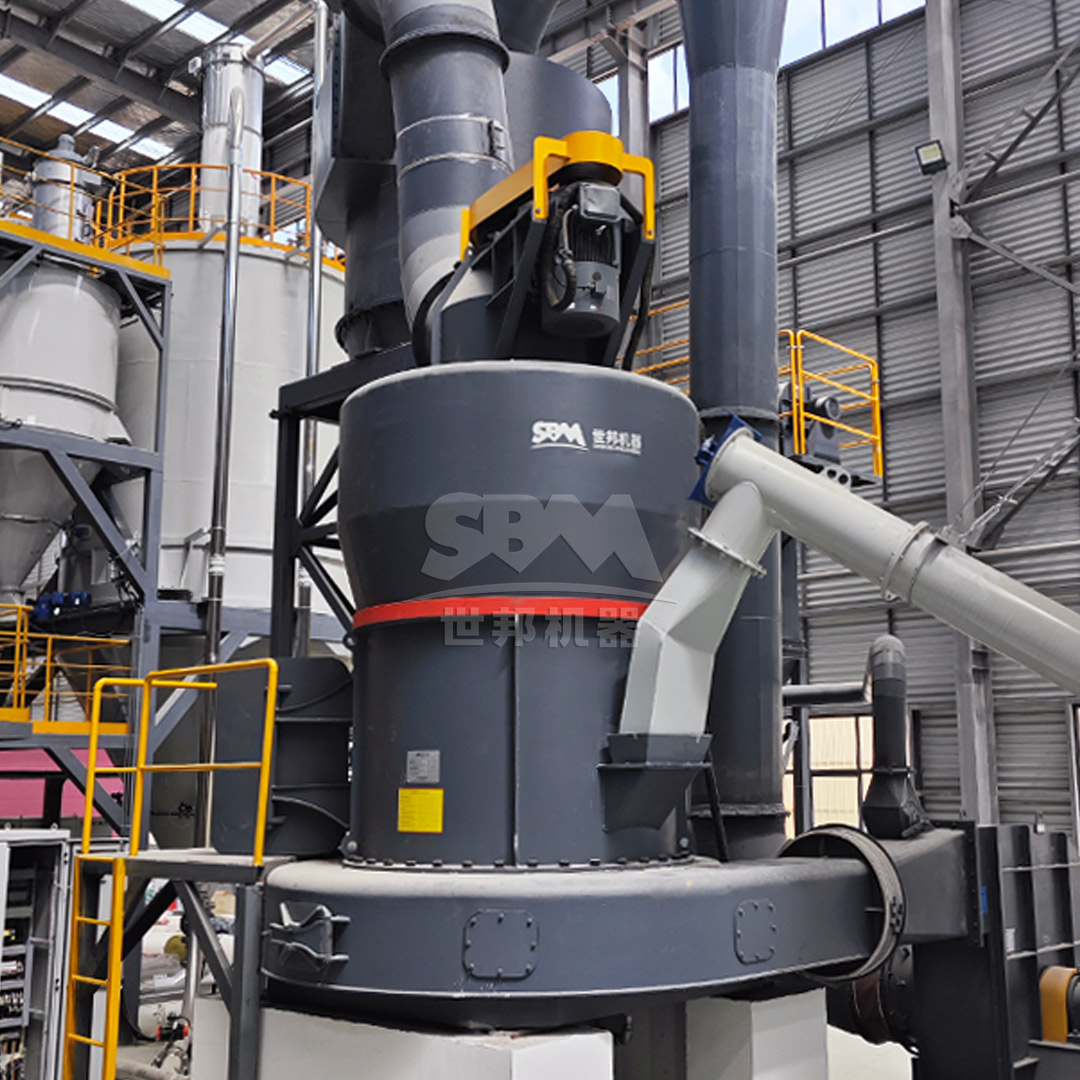
For applications requiring ultra-fine powders, such as high-grade pigments or specialized chemical feedstocks, the SCM Series Ultrafine Mill is the ideal solution. This mill excels in processing brittle materials like calcined ferric hydroxide into consistent, high-purity powders.
- Precision for Premium Products: Its vertical turbine classifier provides exceptional particle size control, producing powders from 325 to 2500 mesh (45-5μm) with no coarse powder mixing. This is crucial for pigment brightness and chemical reactivity.
- Economic Efficiency: With a capacity 2x that of jet mills and 30% lower energy consumption, it transforms processing from a cost center to a profit center. The durable design with special material rollers ensures low wear and stable, long-term operation, which is vital for abrasive materials.
- Model Flexibility: With models ranging from the SCM800 (0.5-4.5 t/h) to the SCM1680 (5.0-25 t/h), operations can be scaled precisely to match residue generation and market demand.
Recommended Solution for High-Capacity, Coarse to Medium Grinding
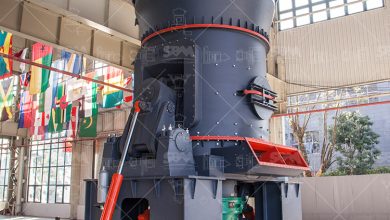
For initial size reduction, production of construction additives, or other applications where high throughput at a medium fineness (30-325 mesh) is required, the MTW Series European Trapezium Mill offers unparalleled performance.
- Robust and Reliable: Designed for continuous, heavy-duty operation, it can handle feed sizes up to 50mm. Its anti-wear shovel and optimized arc air duct design minimize maintenance costs and energy loss.
- High-Volume Output: Models like the MTW215G offer capacities up to 45 tons per hour, making it perfect for large-scale operations aiming to process bulk volumes of waste residue into marketable products efficiently.
- Integrated Efficiency: The integral bevel gear drive achieves 98% transmission efficiency, saving space and power, while the wear-resistant volute structure ensures consistent product quality over time.
Conclusion: Seizing the Opportunity in a Circular Economy
Ferric hydroxide waste residue is no longer mere waste; it is a strategic resource with diverse applications in growing markets. The transition from liability to asset hinges on adopting the right processing technology. Investing in advanced, efficient, and precise grinding systems like the SCM Series Ultrafine Mill or the MTW Series European Trapezium Mill is not an operational expense but a strategic necessity. It enables producers to meet exacting market specifications, control costs, and build a sustainable, profitable business model around material valorization. As regulatory and economic drivers continue to strengthen, the ability to process this residue effectively will become a significant competitive advantage in the global market for sustainable materials.