Current Status and Future Directions of Tailings Comprehensive Utilization
1. Introduction: The Imperative of Tailings Management
The global mining industry generates billions of tons of tailings annually, the fine-grained waste material left over after the extraction of valuable minerals. Historically managed through storage in impoundments or dams, tailings have represented a significant environmental liability, posing risks of catastrophic failure, acid mine drainage, and long-term land degradation. In recent decades, a paradigm shift has occurred, moving from a ‘store and forget’ model towards a circular economy approach centered on ‘comprehensive utilization.’ This strategy aims to transform tailings from a waste product into a valuable secondary resource, thereby mitigating environmental risks, reducing the footprint of mining operations, and creating new economic value streams. This article explores the current technological landscape for tailings processing and valorization, identifies key challenges, and outlines future directions, with a particular focus on the critical role of advanced grinding and classification technologies.
2. Current Status of Tailings Utilization Technologies
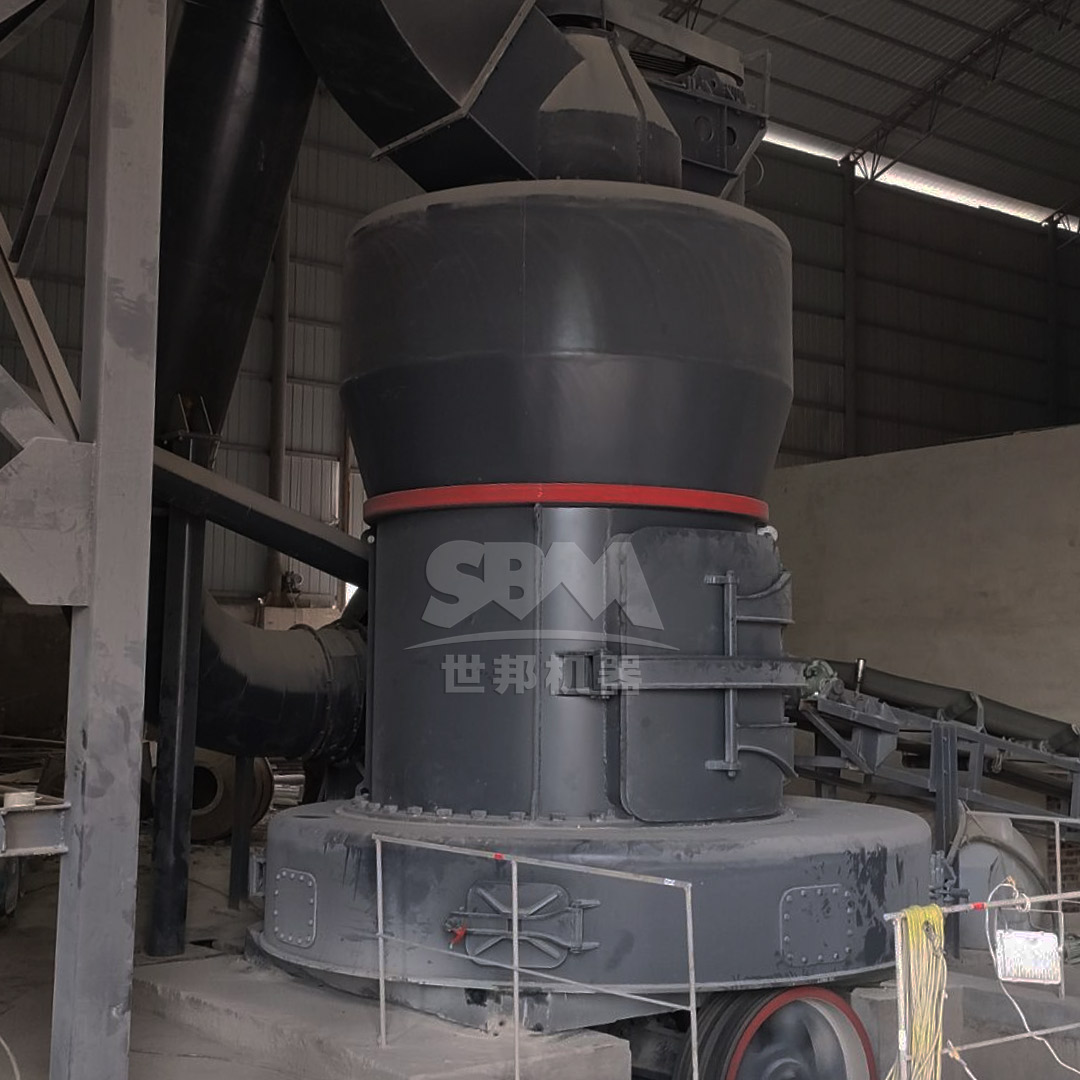
The comprehensive utilization of tailings hinges on effective processing to liberate and concentrate residual valuable minerals or to transform the bulk material into a usable product. Current applications can be broadly categorized as follows:
2.1. Re-mining and Secondary Recovery
Older tailings deposits often contain economically recoverable minerals that were not extractable with past technologies or were missed due to lower commodity prices. Modern froth flotation, magnetic separation, and leaching techniques are being deployed to recover residual metals like copper, gold, iron, and rare earth elements. The success of this approach depends heavily on achieving optimal particle liberation through fine grinding.
2.2. Construction and Building Materials
This represents the largest-volume application for tailings utilization. Processed tailings can serve as:
- Fine Aggregates: In concrete, mortar, and road base materials.
- Backfill Material: Cemented paste backfill (CPB) for underground mines, which improves ground stability and reduces surface storage.
- Raw Material for Cement Clinker: Silica, alumina, and iron oxide-rich tailings can partially replace traditional raw meals in cement kilns.
- Bricks, Tiles, and Ceramics: Fired or geopolymer-based products.
The key requirement here is consistent particle size distribution and chemical composition, which is achieved through precise grinding and classification.
2.3. Soil Amendment and Land Reclamation
Certain benign tailings can be used to improve soil structure or reclaim mined land. Inert tailings can be used as a substrate, while some may provide micronutrients. This requires strict control over potentially toxic elements and a stable physical form.
2.4. Other Innovative Applications
Research is ongoing into higher-value applications, such as using specific tailings in glass production, as pigments, or as a source of critical minerals for the high-tech and green energy sectors.
3. The Central Role of Grinding and Classification
At the heart of nearly all tailings utilization pathways lies a critical unit operation: grinding and classification. The efficiency, cost, and final product quality are directly determined by the performance of this stage. Tailings reprocessing presents unique challenges: the material is often already fine, abrasive, and heterogeneous, requiring equipment that is energy-efficient, wear-resistant, and capable of producing tightly controlled particle sizes.
For applications like ultra-fine fillers in polymers or high-performance ceramics, a product fineness in the micron or even sub-micron range (e.g., 2500 mesh / 5µm) is required. For construction aggregates or backfill, a specific, consistent granular range (e.g., 30-325 mesh / 600-45µm) is crucial for packing density and strength development. Therefore, selecting the right milling technology is paramount.
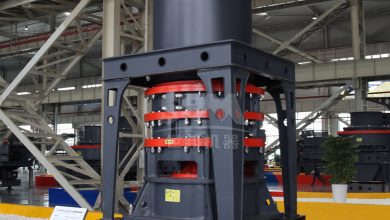
3.1. Technology Spotlight: SCM Series Ultrafine Mill
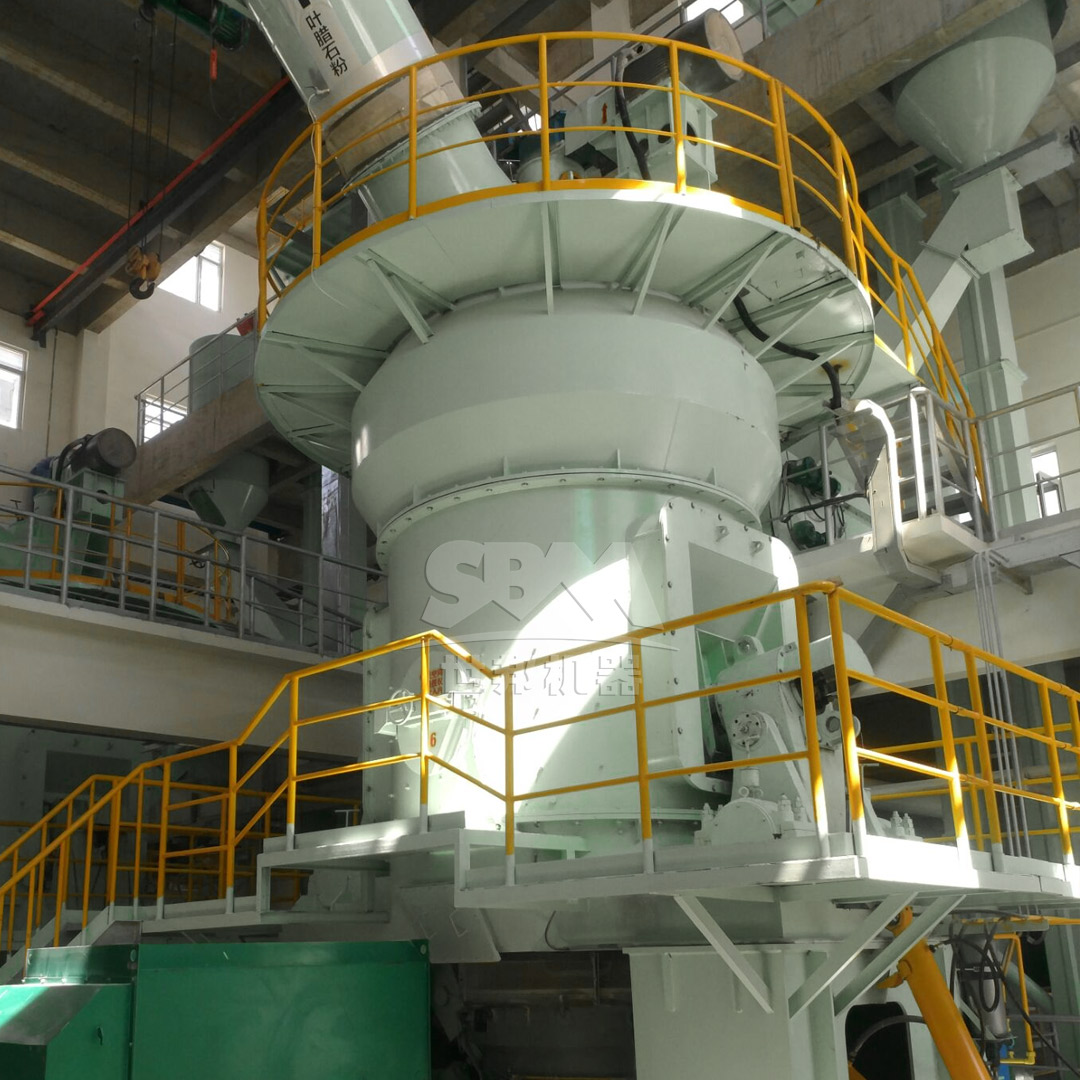
For high-value applications demanding ultra-fine powders, the SCM Series Ultrafine Mill represents a state-of-the-art solution. Engineered specifically for producing powders in the range of 325 to 2500 mesh (45-5µm), this mill is ideal for transforming inert silicate-based tailings into premium fillers or for achieving the degree of liberation needed for advanced mineral recovery.
Its vertical turbine classifier ensures precise particle size cuts, eliminating coarse powder contamination and guaranteeing a uniform product—a critical factor for downstream industrial applications. The mill’s design emphasizes durability and low operating costs; its special material rollers and rings offer a service life several times longer than conventional components, which is essential when processing abrasive tailings. Furthermore, its integrated pulse dust collection system and soundproof design align perfectly with the environmental and social governance (ESG) goals of modern mining operations, ensuring emissions and noise are kept well below stringent international standards. With models like the SCM1250 offering capacities up to 14 tons per hour, it provides a scalable solution for commercial-scale tailings valorization projects.
3.2. Technology Spotlight: MTW Series European Trapezium Mill
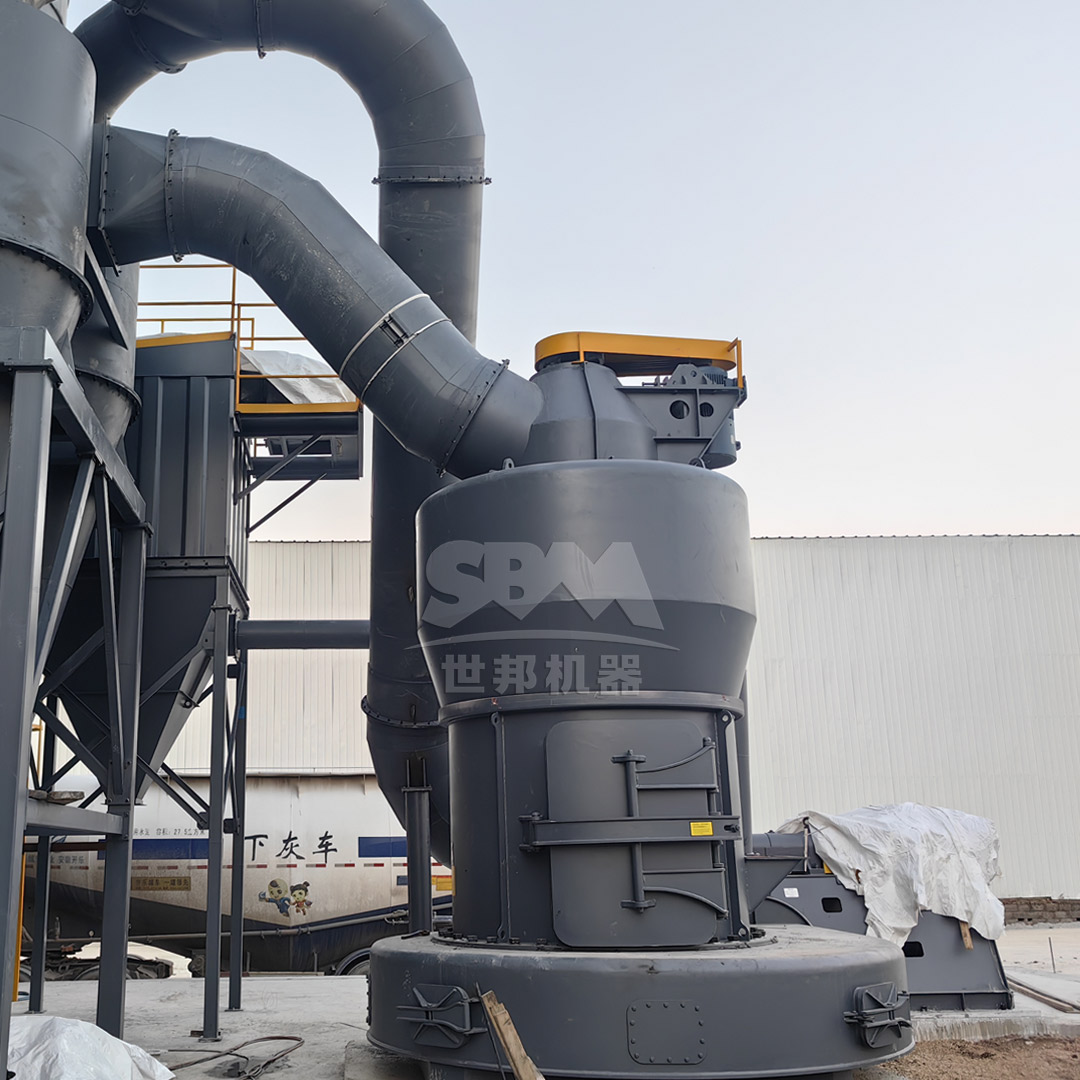
For large-volume applications such as producing fine aggregates for construction or preparing material for cementitious backfill, the MTW Series European Trapezium Mill offers an optimal balance of capacity, efficiency, and product control. Capable of processing feed sizes up to 50mm and producing outputs from 30 to 325 mesh (0.6-0.045mm), it covers the fineness range required for most bulk utilization schemes.
Its technical advantages directly address the economic realities of tailings processing. The anti-wear shovel design and wear-resistant volute structure significantly reduce maintenance costs and downtime—a major consideration for continuous operations. The integral bevel gear drive achieves a remarkable 98% transmission efficiency, translating to lower energy consumption per ton of processed material. This high efficiency, combined with models like the MTW215G that can handle up to 45 tons per hour, makes it a cornerstone technology for projects aiming to convert millions of tons of tailings into usable products.
4. Key Challenges and Barriers
Despite technological advancements, widespread tailings utilization faces several hurdles:
- Economic Viability: The cost of reprocessing (collection, transportation, grinding, separation) must be lower than the value of the derived product or the avoided cost of conventional disposal.
- Heterogeneity: Tailings composition can vary significantly within a single deposit, complicating consistent product quality.
- Regulatory and Standards Hurdles: Building codes and material standards often do not accommodate tailings-derived products, requiring extensive testing and certification.
- Market Development: Creating stable demand for large volumes of new materials requires collaboration across the mining, construction, and manufacturing sectors.
- Water and Residual Reagents: Managing moisture content and any residual processing chemicals from the original mining operation adds complexity.
5. Future Directions and Conclusion
The future of tailings comprehensive utilization is bright and will be driven by several converging trends:
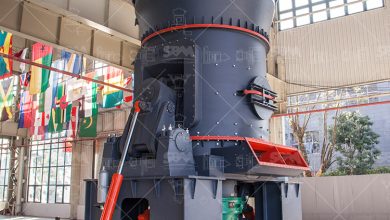
- Integration of Advanced Technologies: The coupling of efficient grinding systems like the LM Series Vertical Roller Mill—noted for its 30-40% lower energy consumption versus ball mills and integrated crushing-grinding-classification system—with sensor-based ore sorting and AI-driven process optimization will maximize recovery and minimize waste.
- Design for Circularity from the Start: Future mines will be designed with tailings utilization in mind, employing processing routes that yield tailings streams with consistent, beneficial properties for known markets.
- Development of High-Value Products: Research will focus on unlocking higher economic value, such as extracting critical minerals for batteries or manufacturing tailored geomaterials, pushing the need for advanced ultra-fine grinding solutions.
- Policy and Collaboration: Stronger government policies incentivizing utilization, along with industry consortia to develop and promote standards, will be essential to scale up adoption.
In conclusion, the comprehensive utilization of tailings is no longer a niche concept but a necessary evolution for a sustainable mining industry. The transformation is fundamentally technological, relying on robust, efficient, and precise grinding and classification equipment to enable this material metamorphosis. Technologies such as the SCM Ultrafine Mill and the MTW European Trapezium Mill are not merely processing tools; they are enablers of the circular economy, turning environmental liabilities into community assets and ensuring that the mining industry can meet the resource demands of the future while honoring its environmental and social responsibilities.