Comprehensive Utilization of Calcium Carbide Slag: Main Treatment and Recycling Methods
Introduction
Calcium carbide slag (CCS), a by-product of acetylene production from calcium carbide hydrolysis, presents a significant environmental and economic challenge for the chemical industry. Primarily composed of calcium hydroxide (Ca(OH)₂) with impurities like silica, alumina, and carbon, its traditional disposal in landfills leads to land occupation, dust pollution, and potential groundwater contamination. However, with growing environmental regulations and the pursuit of a circular economy, the comprehensive utilization of CCS has become a critical research and industrial focus. This article explores the main treatment pathways and high-value recycling methods for CCS, highlighting the essential role of advanced grinding technology in transforming this waste into a valuable resource.
1. Characteristics and Challenges of Calcium Carbide Slag
Fresh CCS is a slurry with high moisture content (up to 90%). After dewatering, it forms a fine, alkaline powder. Its key characteristics include high alkalinity (pH > 12), fine particle size, and a chemical composition similar to that of natural limestone but with higher reactivity due to its hydrated state. The primary challenges in its utilization are its high moisture content, which increases transportation and processing costs, and the variability in its chemical and physical properties depending on the source carbide and production process. Effective utilization often begins with efficient dewatering and drying, followed by precise size reduction to meet the specifications of downstream applications.
2. Main Treatment and Recycling Pathways
2.1. Application in Construction Materials
This is the most mature and large-scale avenue for CCS consumption.
- As a Raw Material for Cement Clinker Production: CCS, rich in CaO, can partially or wholly replace limestone in the cement raw meal. Its fine particle size and high reactivity can lower the calcination temperature, reducing energy consumption and CO₂ emissions. The key is to control the chloride and sulfur content to avoid negative impacts on kiln operation and cement quality.
- Production of Building Lime and Mortar: Calcined CCS produces building lime (CaO). The resulting lime can be used to prepare masonry mortar, plastering mortar, and soil stabilizers, offering good workability and strength.
- Manufacture of Autoclaved Aerated Concrete (AAC) Blocks: CCS can serve as the calcium source in the production of AAC (sand-lime bricks). It reacts with silica-rich materials (like fly ash or sand) under high-pressure steam to form calcium silicate hydrates, providing the block’s strength.
- As a Mineral Admixture in Concrete: Finely ground dry CCS can act as a filler and a mild pozzolanic activator in concrete mixes, potentially improving workability and long-term strength.
2.2. Environmental Remediation Applications
Leveraging its alkaline nature, CCS is effective in treating acidic waste streams.
- Flue Gas Desulfurization (FGD): CCS slurry can be used as an alkaline absorbent to remove sulfur dioxide (SO₂) from industrial flue gases, forming calcium sulfite or sulfate. This offers a cost-effective alternative to purchased limestone.
- Acidic Wastewater Neutralization: CCS is an excellent agent for neutralizing acidic wastewater from mining, metallurgy, and chemical plants, precipitating heavy metals as hydroxides.
- Soil Stabilization and Amendment: CCS can be used to treat acidic soils, raising pH and improving soil structure. It can also solidify soils contaminated with heavy metals.
2.3. Production of Chemical Products
This pathway focuses on extracting higher value from CCS.
- Precipitation of Calcium Carbonate (PCC): High-purity CCS can be carbonated with CO₂ (potentially from flue gas) to produce precipitated calcium carbonate (PCC). PCC is a high-value product used as a filler in paper, plastics, paints, and rubber. The process requires precise control over reaction conditions and ultra-fine grinding of the product to achieve the desired crystal morphology and particle size distribution for specific markets.
- Production of Calcium Chloride and Other Salts: CCS can react with hydrochloric acid to produce calcium chloride, a versatile chemical used for de-icing, dust control, and as a drying agent.
3. The Critical Role of Grinding Technology in CCS Valorization
The economic and technical feasibility of nearly all high-value CCS recycling methods hinges on efficient and controllable size reduction. Different applications demand specific fineness, from coarse powder for construction fill to ultra-fine powders for high-performance PCC. Selecting the right grinding equipment is paramount to achieving target particle size, maintaining low operating costs, and ensuring process stability.
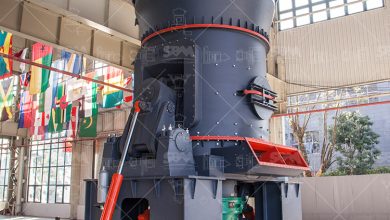
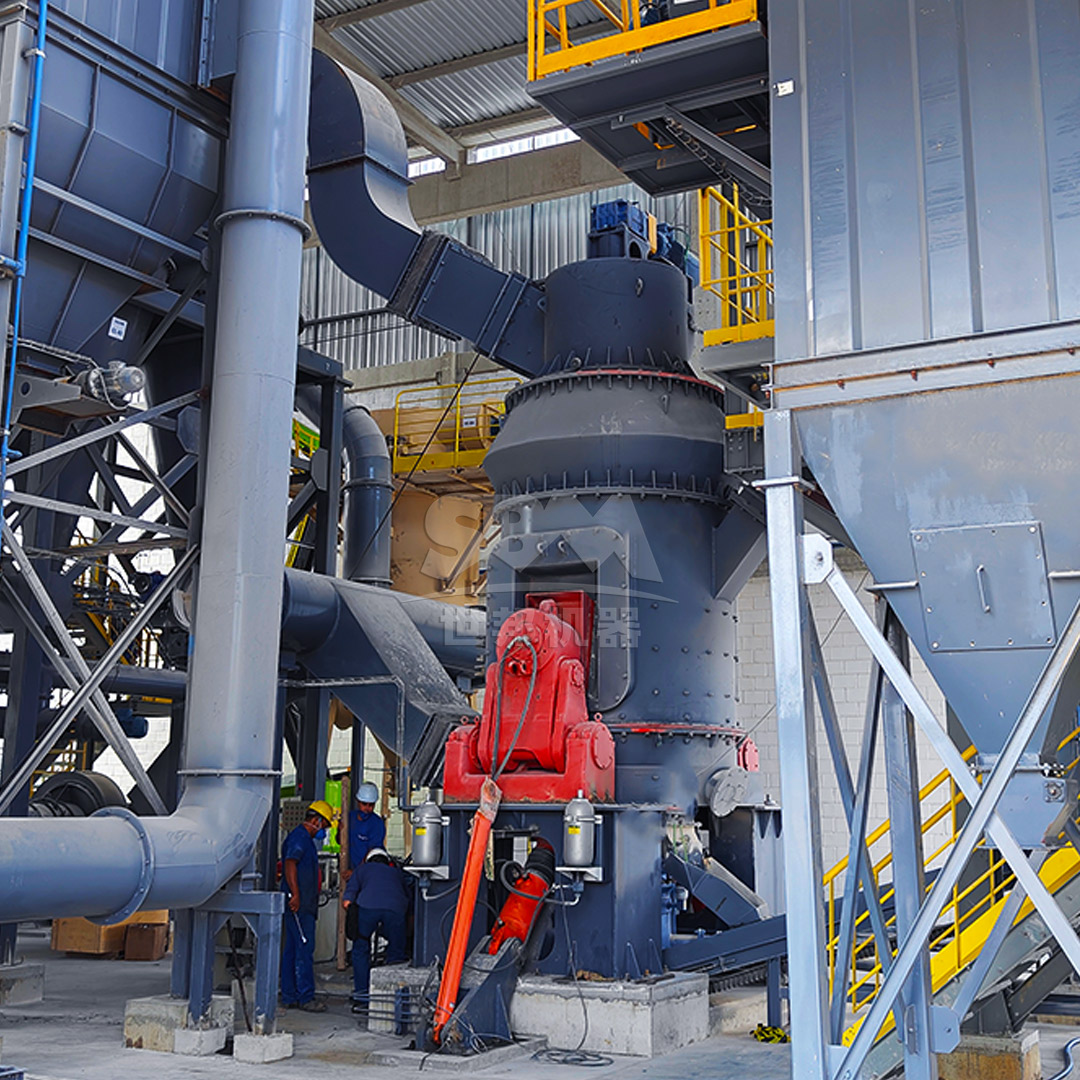
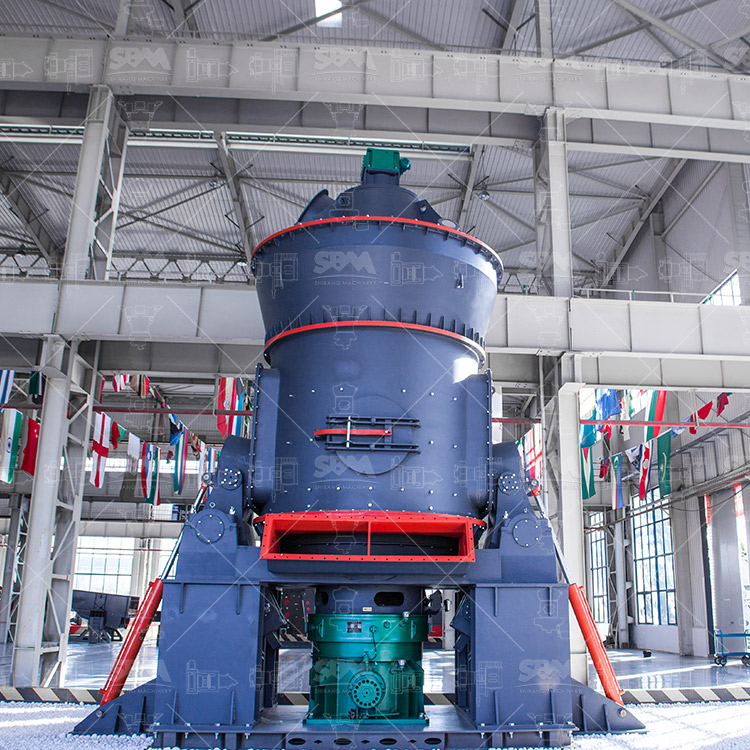
For coarse to medium-fine grinding applications, such as preparing raw meal for cement or lime production, robust and high-capacity mills are required. Our MTW Series European Trapezium Mill is ideally suited for this stage. With an input size of up to 50mm and an adjustable output fineness range of 30-325 mesh (600-45μm), it can efficiently handle dried CCS lumps. Its patented technologies, including the anti-wear shovel design, optimized arc air duct, and integral bevel gear drive (98% transmission efficiency), ensure high throughput, low wear costs, and energy savings. Models like the MTW215G offer capacities up to 45 tons per hour, making it perfect for large-scale CCS processing lines in building material plants.
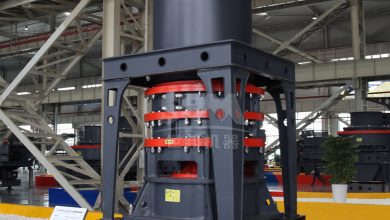
For the production of high-value additives or specialty chemicals like PCC, achieving a consistent, ultra-fine product is essential. This is where our SCM Series Ultrafine Mill excels. Engineered to produce powders in the range of 325 to 2500 mesh (45-5μm), it delivers the precision required for premium markets. Its high-precision vertical turbine classifier ensures no coarse powder mixing, resulting in a uniform finished product. The mill’s design emphasizes energy efficiency, offering capacity twice that of jet mills while consuming 30% less energy. Furthermore, its eco-friendly design with a high-efficiency pulse dust collector and soundproof room makes it an ideal choice for modern, environmentally conscious production facilities aiming to transform CCS into a high-margin product.
4. Conclusion and Future Outlook
The comprehensive utilization of calcium carbide slag is no longer an option but a necessity for sustainable industrial development. By diverting CCS from landfills to productive uses in construction, environmental protection, and chemical manufacturing, industries can achieve significant economic benefits while reducing their environmental footprint. The success of these recycling pathways is intrinsically linked to advanced processing technologies, particularly in drying and grinding.
Investing in the right grinding equipment—such as the high-capacity MTW Series for bulk applications or the precision SCM Series for high-value products—is a strategic decision that determines the efficiency, cost, and quality of the final recycled product. As research continues to develop new applications for CCS, such as in CO₂ sequestration or advanced materials, the demand for versatile and efficient size reduction technology will only grow. Embracing these technologies is key to unlocking the full potential of calcium carbide slag as a valuable secondary resource.