Where to Buy Steel Slag Processing Equipment? A Comprehensive Guide for Industrial Buyers
Introduction: The Critical Role of Processing in Steel Slag Valorization
Steel slag, a byproduct of steelmaking, represents both an environmental challenge and a significant economic opportunity. With global steel production exceeding 1.8 billion tons annually, the volume of slag generated is immense. Properly processed, this material transforms into valuable products for construction, cement production, road bases, and agricultural amendments. The key to unlocking this value lies in selecting the right processing equipment. This guide will navigate you through the critical considerations, technological options, and sourcing strategies for steel slag processing machinery, ensuring you make an investment that maximizes return and operational efficiency.
Understanding Steel Slag and Its Processing Requirements
Steel slag is a complex, abrasive, and often hard material primarily composed of calcium silicates, iron oxides, and various metal oxides. Its processing aims to achieve several goals: size reduction, metal recovery, and production of materials with specific granulometry and chemical properties. The processing flow typically involves:
- Primary Crushing: Reducing large slag blocks (often up to 1 meter) to manageable sizes (<50-100mm).
- Metal Recovery: Using magnetic separators to extract valuable ferrous content.
- Intermediate & Fine Grinding: The core stage where slag is milled to the target fineness for its final application (e.g., SCM for slag powder, cement additive).
- Classification & Sorting: Separating particles by size to ensure product uniformity.
- Storage & Packing: Handling the finished product.
The choice of grinding equipment is paramount, as it directly impacts product quality, energy consumption, and overall plant economics.
Key Equipment for Steel Slag Grinding: Technology Deep Dive
The grinding stage is where the most significant technological differentiation occurs. Different mills offer varying benefits in terms of fineness range, capacity, energy efficiency, and wear resistance.
1. Vertical Roller Mills (VRM) – The High-Capacity Workhorse
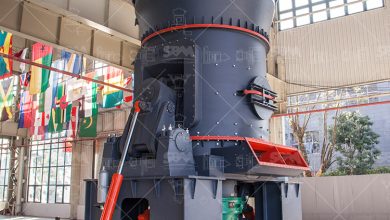
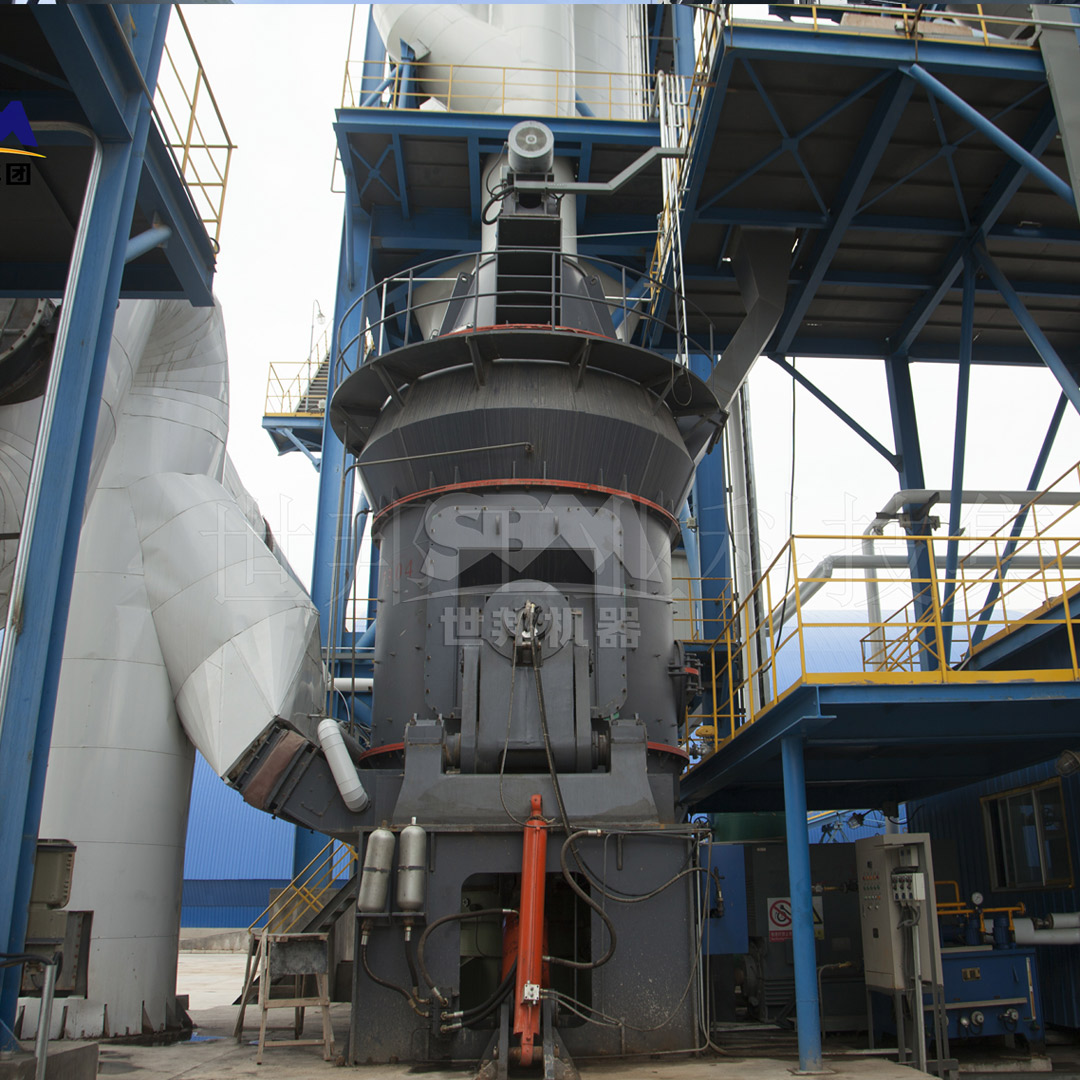
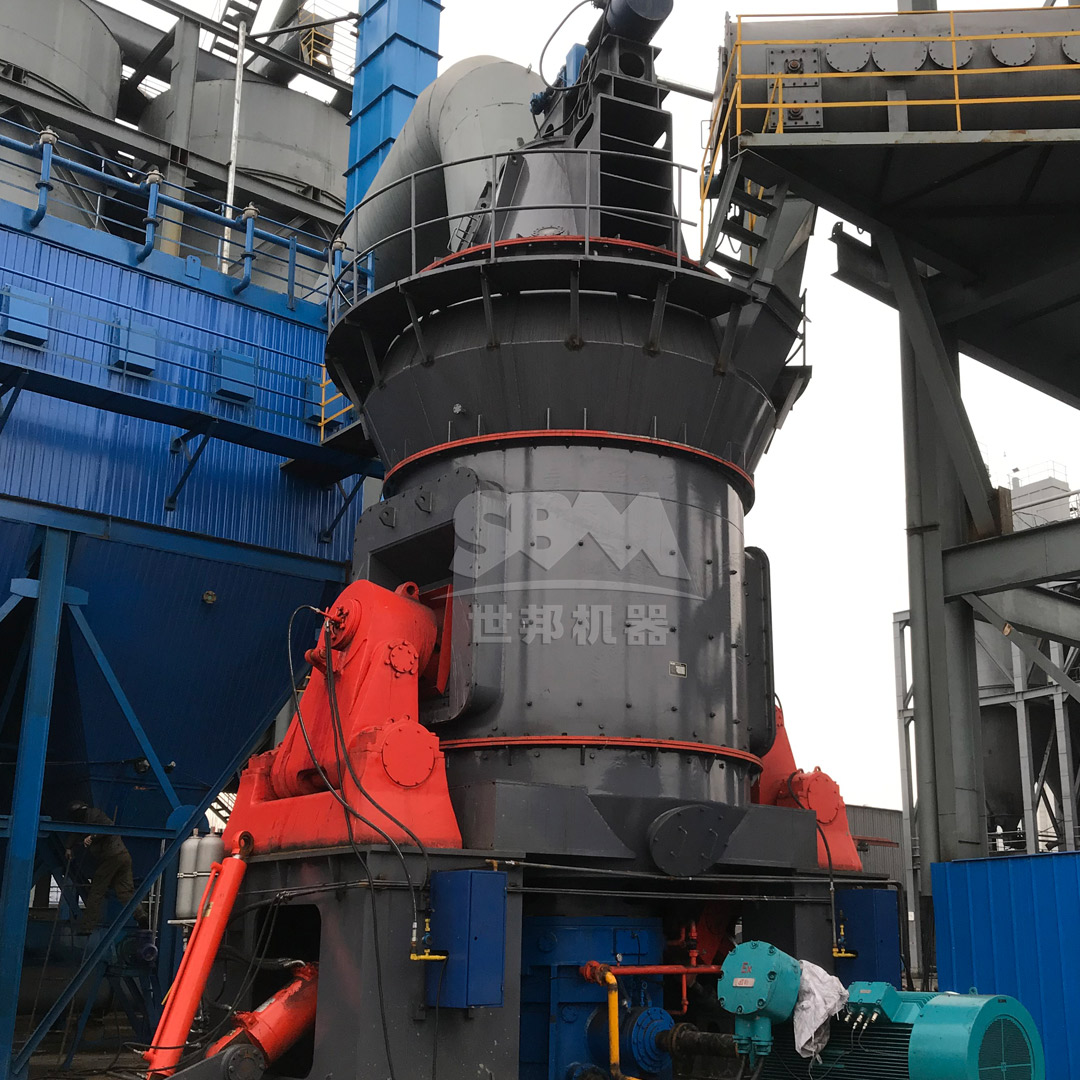
Vertical Roller Mills, like our LM Series, are exceptionally suited for large-scale slag grinding operations. They integrate crushing, grinding, drying, and classifying into a single unit. For steel slag, which can have moisture and variable feed sizes, the VRM’s ability to handle feed sizes up to 50mm and its integrated hot air system for drying are major advantages. Their bed grinding principle, where material is ground between rollers and a rotating table, offers energy savings of 30-40% compared to traditional ball mills. The LM Series Vertical Roller Mill is particularly notable for its integrated design, reducing plant footprint by 50%, and its low operating cost due to non-contact roller design that triples wear part life. For projects requiring capacities from 3 to over 250 tons per hour and a fineness range of 30-325 mesh, the LM Series represents a robust and intelligent solution.
2. Ultrafine Grinding Mills – For High-Value Additives
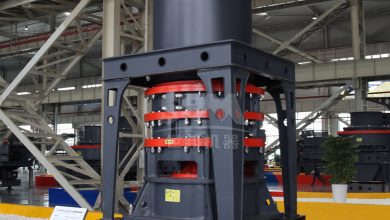
When the target product is ultra-fine steel slag powder (325-2500 mesh) used as a high-performance additive in concrete or specialty applications, ultrafine mills are essential. Our SCM Series Ultrafine Mill is engineered precisely for this demanding task. It excels in producing powders with exceptional uniformity and high specific surface area. Its high-precision vertical turbine classifier ensures precise particle size cuts with no coarse powder mixing. Furthermore, its design prioritizes durability against abrasive materials; special material rollers and rings extend service life several times over. With a capacity range of 0.5 to 25 tons per hour and superior energy efficiency (30% lower consumption than jet mills), the SCM Series is the optimal choice for producers aiming at the premium end of the slag valorization market.
3. European Trapezium Mills – The Balanced Performer
For operations needing a reliable and efficient solution for fine to medium-fine grinding (30-325 mesh) with capacities of 3-45 t/h, the MTW Series European Trapezium Mill offers an excellent balance. Its anti-wear shovel design and curved grinding roller technology are specifically beneficial for hard and abrasive materials like slag, significantly reducing maintenance costs. The integral bevel gear drive achieves a remarkable 98% transmission efficiency, translating directly to lower operational costs. This mill is a versatile and proven technology for producing quality slag powder for standard construction applications.
Critical Factors in Selecting Your Equipment Supplier
Choosing where to buy is as important as choosing what to buy. Key supplier evaluation criteria include:
- Technical Expertise & Experience: Look for a supplier with a proven track record in slag processing, not just general milling. They should understand the material’s abrasiveness, variability, and processing goals.
- Technology Portfolio & Customization: The best suppliers offer a range of technologies (like the LM, SCM, and MTW series) and can recommend—and customize—the optimal solution for your specific slag chemistry and product targets.
- Quality of Engineering & Manufacturing: Inspect the supplier’s manufacturing facilities and quality control processes. Robust construction, premium wear materials, and precision machining are non-negotiable for slag equipment longevity.
- Comprehensive Service Support: Ensure the supplier provides full lifecycle support: foundation drawings, installation guidance, operator training, readily available spare parts, and responsive technical service.
- Reference Projects: Request case studies or contact existing clients who process similar materials. First-hand feedback on performance, uptime, and support is invaluable.
Strategic Sourcing: Direct Manufacturer vs. Distributor
Purchasing directly from a reputable manufacturer often provides significant advantages for core processing equipment like grinding mills:
- Cost Efficiency: Eliminates intermediary markups.
- Direct Technical Communication: Engineers can communicate directly with the factory’s R&D and application teams, ensuring optimal system design.
- Authentic Spare Parts & Warranty: Guarantees genuine, perfectly fitting components and valid warranty coverage.
- Holistic System Responsibility: A single point of accountability for the entire grinding system’s performance.
While local distributors can be useful for simpler equipment, for the technological heart of your slag plant—the grinding mill—a direct relationship with an experienced manufacturer is strongly recommended.
Conclusion: Investing in the Right Technology Partner
The decision of where to buy steel slag processing equipment is fundamentally a decision about choosing a long-term technology partner. The ideal partner provides not just a machine, but a comprehensive solution tailored to transform your steel slag from a waste liability into a consistent, high-quality, and profitable product. By focusing on suppliers with deep material science understanding, a robust portfolio of technologies like the high-capacity LM Vertical Roller Mill for bulk processing or the precision SCM Ultrafine Mill for high-value additives, and a commitment to full lifecycle support, you can secure the foundation for a sustainable and profitable slag valorization business. Conduct thorough due diligence, prioritize technical capability over price alone, and partner with a manufacturer that demonstrates a clear vision for advancing slag processing technology.