Heavy Barite Powder for Industrial Fillers: Application Requirements and Production Equipment Guide
Introduction
Heavy barite (barium sulfate, BaSO4) powder is an indispensable industrial mineral filler prized for its high density (4.2-4.5 g/cm3), chemical inertness, brightness, and low oil absorption. Its unique properties make it a critical component in a wide array of industries, including paints & coatings, plastics, rubber, and advanced composites. The performance of barite in these applications is intrinsically linked to its physical characteristics—primarily particle size distribution (PSD), fineness, whiteness, and chemical purity. Consequently, selecting the appropriate production technology and grinding equipment is paramount to achieving a competitive product that meets stringent industrial specifications. This guide explores the key application requirements for heavy barite powder and provides a detailed analysis of suitable production equipment, with a focus on modern milling solutions.
Key Application Requirements for Barite Fillers
The suitability of barite powder for a specific application is determined by a set of precise technical parameters. Understanding these requirements is the first step in defining the production process.
1. Particle Size and Fineness
The fineness of barite powder directly influences opacity, gloss, viscosity, and mechanical strength in the final product.
- Paints & Coatings: Requires ultrafine barite (typically 600-2500 mesh or 5-20μm) to improve film density, weather resistance, and gloss. Coarser particles can cause poor surface finish and settling.
- Plastics and Rubber: A balanced PSD (often 325-1250 mesh) is needed to achieve high loading levels while maintaining good dispersion, tensile strength, and dimensional stability. Extremely fine powders may increase viscosity undesirably.
- Drilling Mud: Uses coarser grades (200-325 mesh) to increase mud density for well pressure control. Fineness is less critical than specific gravity and purity here.
2. Chemical Purity and Whiteness
High-purity barite (BaSO4 content > 92-96%) with low soluble salts and trace metal content is essential for applications requiring chemical stability and color consistency. Iron oxide (Fe2O3) and other impurities can impart a yellowish tint, limiting its use in white or bright-colored products. For premium applications, whiteness (ISO brightness) often needs to exceed 92%.
3. Low Abrasiveness and Consistent Quality
While barite is softer than many minerals, consistent grinding is needed to prevent the presence of hard, abrasive oversized particles that can damage processing equipment (e.g., extruder barrels) or final product surfaces. Batch-to-batch consistency in PSD and density is non-negotiable for industrial users.
Production Equipment Guide: From Crushing to Ultrafine Grinding
The transformation of raw barite ore into a high-value industrial filler involves a multi-stage process. The core of this process is the milling stage, where the choice of technology defines the product’s key characteristics.
Primary and Secondary Crushing
Large barite rocks are first reduced to a manageable feed size (typically <50mm) using jaw crushers or hammer mills. For initial size reduction to a finer feed for grinding mills, our Hammer Mill (0-3mm) series offers an efficient solution. Models like the PC4012-90, with a capacity of 15-40 t/h and high manganese steel liners, provide stable operation and a uniform output size, ensuring optimal feed for downstream fine grinding equipment.
Fine and Ultrafine Grinding: The Critical Stage
This is where the specific fineness and PSD are achieved. Different mill types cater to different end-product specifications.
For Coarse to Medium Fineness (30-325 Mesh / 600-45μm)
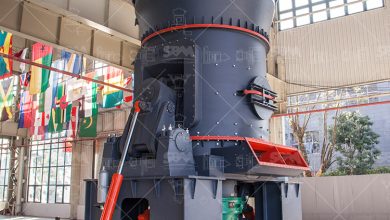
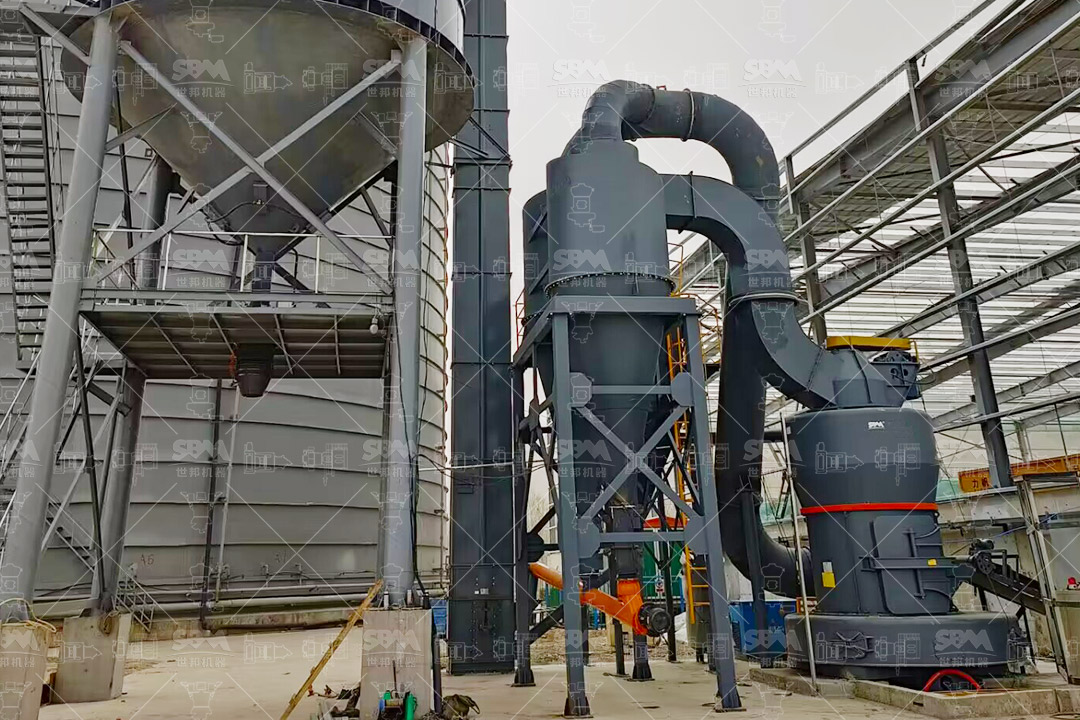
For applications like drilling mud or lower-grade fillers, pendulum roller mills and European-type trapezium mills are standard. Our MTW Series European Trapezium Mill is a standout choice for this range. Its advantages for barite processing include:
- High Capacity & Efficiency: With capacities from 3-45 t/h, it handles large-scale production. The integral bevel gear drive boasts 98% transmission efficiency.
- Durability: The anti-wear shovel design and wear-resistant volute structure significantly reduce maintenance costs when processing abrasive minerals like barite.
- Precise Classification: An efficient classifier ensures a tight particle size distribution, minimizing oversize particles.
Models such as the MTW215G, capable of processing up to 45 t/h down to 325 mesh, are ideal for high-volume production of medium-fineness barite powder.
For High-Fineness and Ultrafine Products (325-2500 Mesh / 45-5μm)
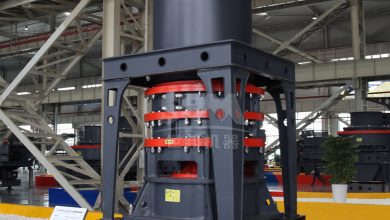
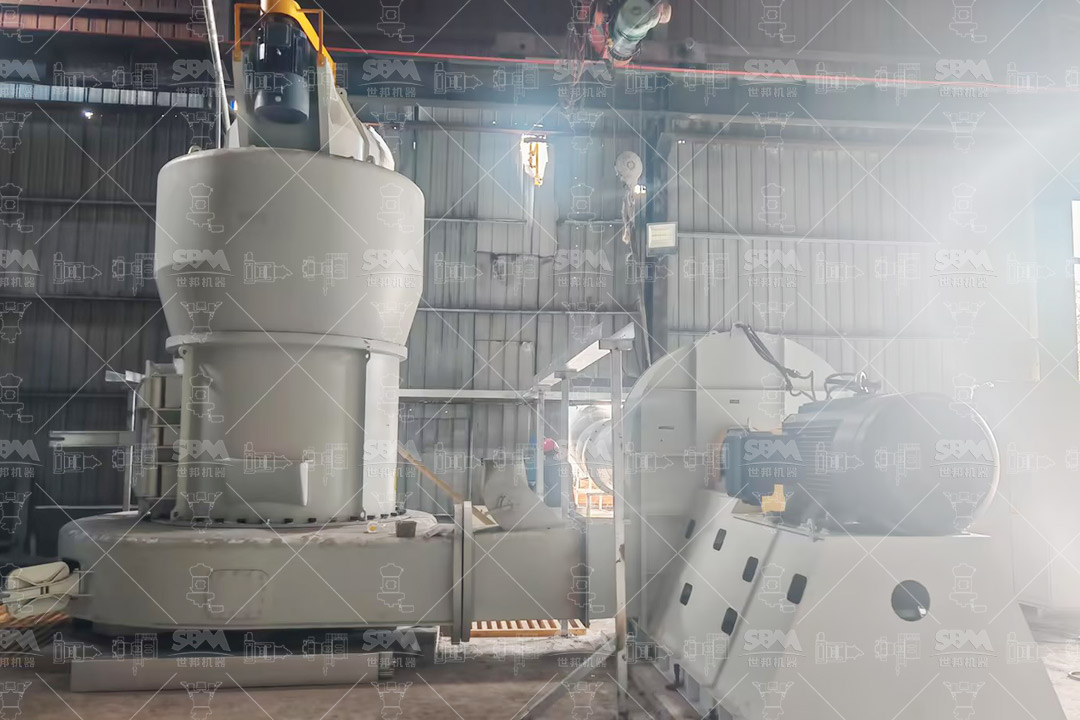
Meeting the demands of the paint, plastic, and advanced material industries requires specialized ultrafine grinding technology. For producing high-value ultrafine barite powder, our SCM Series Ultrafine Mill is the engineered solution. It is specifically designed to overcome the challenges of efficient ultrafine grinding:
- Superior Fineness and Yield: It reliably produces powder in the range of 325 to 2500 mesh (45-5μm), which is critical for high-opacity fillers.
- High-Precision Classification: The integrated vertical turbine classifier is key. It ensures precise particle size cutting, resulting in a uniform product with no coarse powder mixing—a common issue that degrades filler performance.
- Energy Efficiency: Compared to traditional jet mills, the SCM mill can double the capacity while reducing energy consumption by approximately 30%, offering a compelling operational cost advantage.
- System Stability and Cleanliness: The durable design, featuring special material rollers and rings, ensures long service life. Coupled with a pulse dust collection system exceeding 99.9% efficiency, it guarantees an environmentally clean production line.
For a typical barite filler plant, the SCM1000 model (1.0-8.5 t/h, fineness 325-2500 mesh) offers an excellent balance of output and flexibility, allowing producers to service multiple market segments with one machine.
Drying, Classification, and Packaging
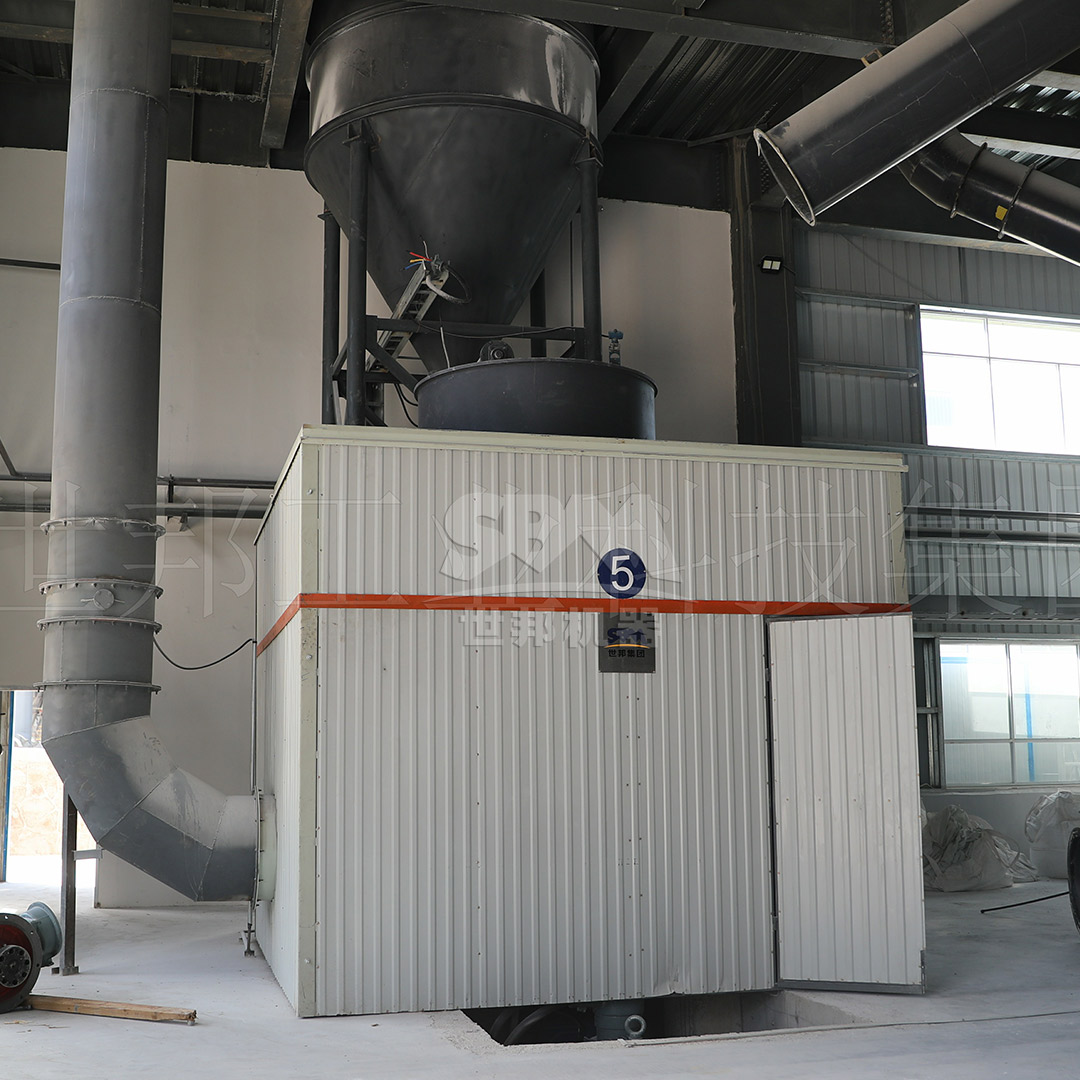
Barite often requires drying before or after milling to achieve a moisture content below 0.2%. Air classifiers (often integrated into mills like the SCM or MTW series) are used for final PSD control. Bagging systems with precision scales ensure consistent package weights for distribution.
Conclusion: Matching Technology to Market Needs
The successful production of heavy barite powder for industrial fillers hinges on a deep understanding of end-user requirements and a strategic investment in the right processing equipment. While crushing and drying are essential preparatory steps, the selection of the grinding mill is the most critical capital decision.
For high-volume, medium-fineness products, robust and efficient mills like the MTW Series European Trapezium Mill provide the necessary throughput and reliability. To penetrate the premium markets for ultrafine barite—where superior optical and physical properties command higher prices—investing in advanced technology like the SCM Series Ultrafine Mill is essential. Its ability to deliver precisely controlled, ultra-fine powder with high efficiency and low operational cost establishes a strong competitive edge for producers aiming to supply the demanding paints, coatings, and high-performance plastics industries.
By aligning production capabilities with specific application benchmarks through appropriate equipment selection, barite processors can optimize their product portfolio, enhance profitability, and secure a stable position in the global industrial fillers supply chain.