Process Flow of Lithium Carbonate Vertical Mill Production Line
Introduction
The production of high-purity, battery-grade lithium carbonate is a cornerstone of the modern lithium-ion battery supply chain. Achieving the stringent fineness, particle size distribution (PSD), and chemical purity required for cathode materials demands a sophisticated and efficient grinding process. Vertical roller mills (VRMs) have emerged as the technology of choice for this critical stage, offering superior energy efficiency, precise classification, and operational stability compared to traditional ball mills. This article delves into the detailed process flow of a lithium carbonate vertical mill production line, highlighting key stages, technological considerations, and equipment selection for optimal performance.
1. Overview of the Production Line
A complete lithium carbonate vertical mill production line is more than just a grinding unit; it is an integrated system designed for continuous, closed-loop operation. The primary objective is to transform coarse lithium carbonate feed (typically ≤20mm) into a fine powder with a controlled fineness range, often between 325 mesh (45μm) and 2500 mesh (5μm), while maintaining product integrity and minimizing contamination. The line must ensure high yield, low energy consumption, and meet strict environmental standards for dust emission and noise.
2. Detailed Process Flow and Equipment
The process can be systematically broken down into several sequential stages:
2.1. Raw Material Feeding and Pre-Screening
Coarse lithium carbonate is transported from storage silos via belt conveyors or screw feeders to the production line. A vibrating screen or grizzly feeder is often employed at this stage to remove any oversized materials or foreign debris that could damage downstream equipment. The pre-screened material, now consistently sized, is then fed into the vertical mill’s feed hopper by a controlled-rate feeder, such as a rotary valve or weigh feeder, ensuring a stable and regulated supply to the grinding chamber.
2.2. Grinding and Drying Core Process
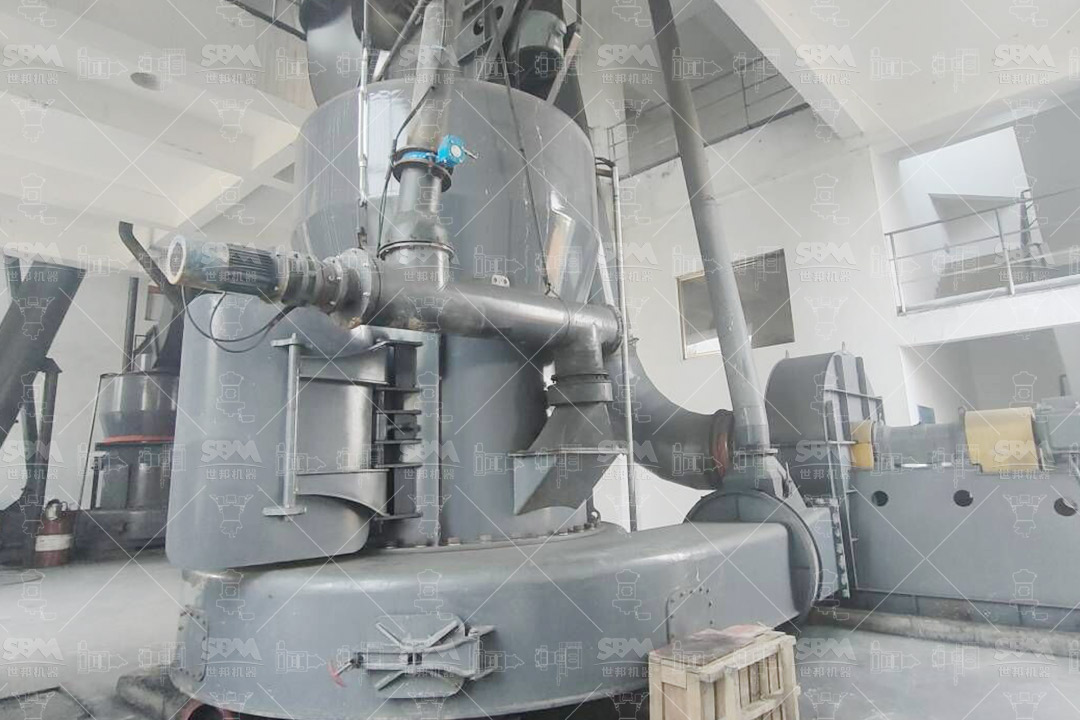
This is the heart of the production line. The prepared feed material enters the grinding chamber of the vertical roller mill. Here, the material is distributed evenly on a rotating grinding table. Hydraulically loaded grinding rollers apply substantial pressure, crushing the material bed through a combination of compression and shear forces.
Simultaneously, hot gas (typically from a hot air generator, using clean energy like natural gas or electricity to avoid contamination) is introduced into the mill from its bottom. This hot air serves two crucial functions: 1) Drying: It removes surface moisture from the lithium carbonate, which is essential for preventing agglomeration and achieving efficient fine grinding. 2) Pneumatic Transport: It carries the ground fine particles upward towards the classification zone.
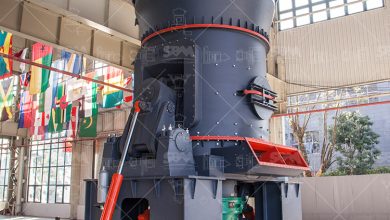
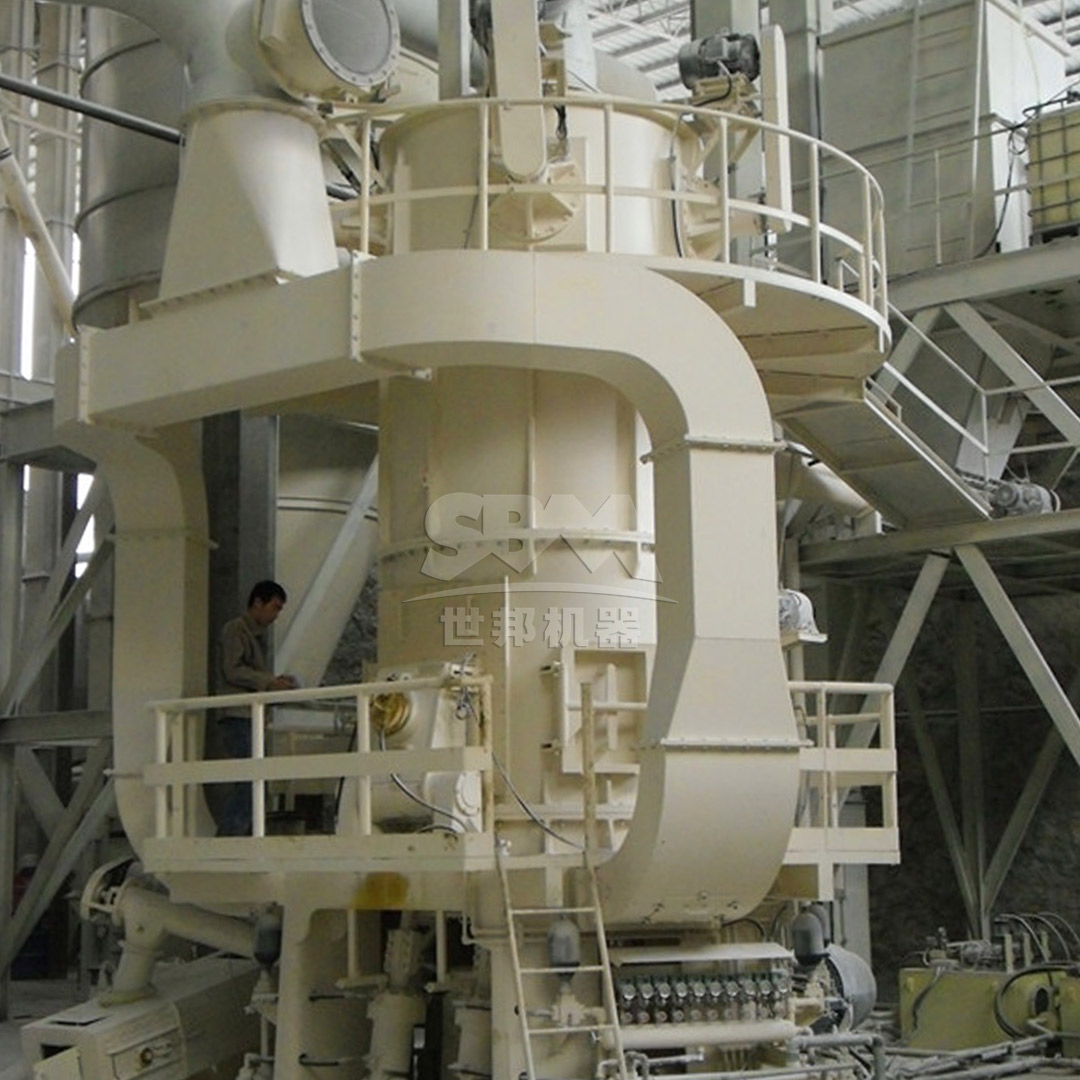
For this demanding application, we highly recommend our LM Series Vertical Roller Mill. Its integrated design combines crushing, grinding, drying, and classifying in a single unit, significantly reducing the plant footprint. The non-contact design between rollers and table minimizes wear, a critical factor for maintaining product purity. Most importantly, its energy consumption is 30-40% lower than traditional ball mill systems, offering substantial operational cost savings for high-volume lithium processing.
2.3. Precise Classification
The ground material-air mixture rises to the top of the mill housing, where it encounters a high-efficiency, dynamic classifier (often a vertical turbine type). This classifier is the key to achieving the target PSD. It uses adjustable rotor speeds to generate precise centrifugal forces. Particles finer than the cut point (e.g., <10μm) follow the airflow and exit the classifier as product. Coarser particles are rejected by the classifier blades and fall back onto the grinding table for further comminution. This internal recirculation loop ensures high grinding efficiency and a uniform final product.
2.4. Product Collection and Dedusting
The fine powder-laden air exiting the classifier is directed into a product collection system. This typically involves a two-stage process:
- Cyclone Collector: The primary collector, where centrifugal force separates the majority (80-90%) of the lithium carbonate powder from the air stream. The collected powder is discharged through a rotary lock valve into the product conveying system.
- Pulse-Jet Baghouse Filter: The air exiting the cyclone still contains ultra-fine particles. It is routed through a high-efficiency baghouse filter, where final dedusting occurs. Cleaned air is exhausted to the atmosphere by an induced draft (ID) fan, ensuring emissions are well below environmental limits. The powder collected from the baghouse is often combined with the cyclone product.
2.5. Product Conveying, Storage, and Packaging
The collected lithium carbonate powder is conveyed via pneumatic conveying systems or screw conveyors to product storage silos. These silos are equipped with aeration pads to prevent compaction and ensure smooth discharge. For final packaging, the powder is fed to automated bagging machines or big-bag stations. The entire post-grinding handling system is designed to be fully enclosed, preventing contamination and dust spillage.
3. Critical Process Control Parameters
Stable operation and consistent product quality depend on meticulous control of several parameters:
- Grinding Pressure: Directly affects grinding efficiency and fineness. Optimized hydraulic pressure is crucial.
- Classifier Rotor Speed: The primary control for adjusting product fineness. Higher speed yields finer product.
- Mill Feed Rate: Must be balanced with grinding capacity to maintain a stable material bed thickness.
- Hot Air Temperature and Flow Rate: Control the drying efficiency and the pneumatic transport velocity within the mill.
- System Airflow: Maintained by the ID fan, it must be balanced to ensure proper particle transport without excessive pressure drop.
4. Advantages of the Vertical Mill System for Lithium Carbonate
The adoption of a VRM-based line offers distinct advantages for lithium producers:
- Superior Energy Efficiency: The bed-grinding principle and integrated classifier significantly reduce specific energy consumption (kWh/ton).
- Excellent Product Quality: Precise classification ensures a sharp particle size cut and low oversize content, which is vital for battery performance.
- Low Noise and Dust Emissions: The fully enclosed, negative-pressure design, coupled with advanced bag filters, creates a clean working environment.
- Space Savings: The vertical, integrated design requires up to 50% less floor space than a ball mill circuit.
- Process Flexibility: Quick adjustment of classifier speed allows for easy switching between different product fineness specifications.
5. Equipment Recommendation for Ultra-Fine Processing
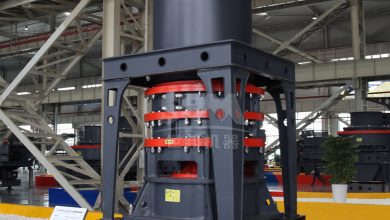
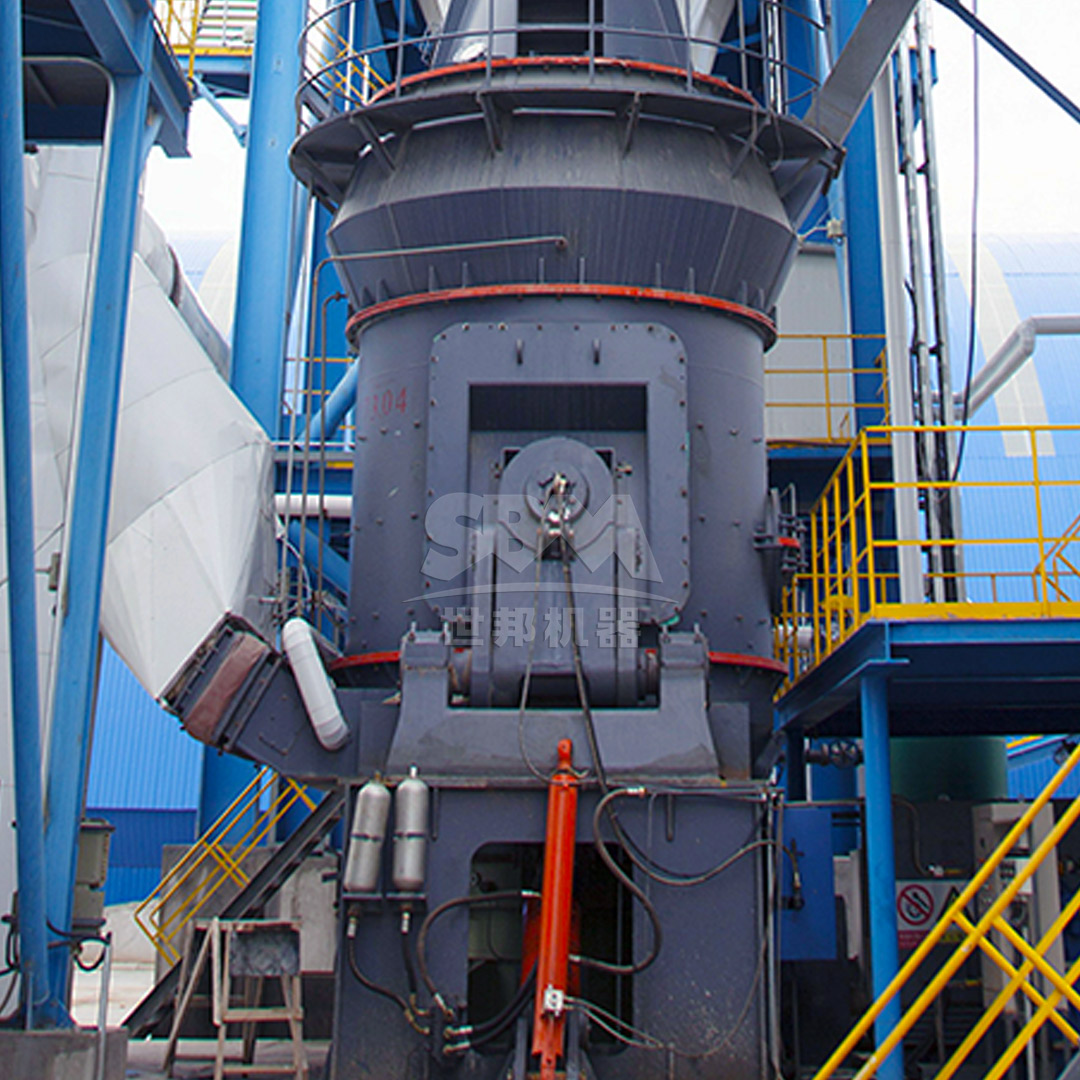
For applications requiring the finest lithium carbonate powders (e.g., 800-2500 mesh), the standard LM mill can be complemented or replaced by an ultra-fine grinding solution. In such cases, our SCM Series Ultrafine Mill is the ideal choice. Specifically engineered for producing powders in the 325-2500 mesh range, it features a high-precision vertical turbine classifier that guarantees no coarse powder mixing. Its unique grinding chamber design and special material rollers ensure stable operation and long service life when processing abrasive materials. With a capacity up to 25 t/h depending on the model and fineness, and energy consumption 30% lower than jet mills, the SCM series provides an efficient and reliable path to premium-grade lithium products.
Conclusion
The design and operation of a lithium carbonate vertical mill production line represent a sophisticated integration of mechanical, pneumatic, and control engineering. By selecting robust and efficient core equipment like the LM Series Vertical Roller Mill for mainstream grinding and the SCM Series Ultrafine Mill for specialized fine products, producers can build a production line that delivers high-quality battery-grade lithium carbonate with remarkable energy efficiency, operational reliability, and environmental compliance. As the demand for lithium continues to surge, optimizing this critical grinding process will remain a key focus for cost reduction and quality enhancement in the global battery supply chain.