Bentonite Powder Production and Uses: A Comprehensive Guide
1. Introduction to Bentonite
Bentonite, a naturally occurring clay primarily composed of montmorillonite, is a versatile industrial mineral with a wide range of applications. Its unique properties, including high swelling capacity, cation exchange capability, and excellent adsorption, make it indispensable in sectors such as foundry, civil engineering, agriculture, and environmental remediation. The value and performance of bentonite are intrinsically linked to its particle size, purity, and activation state, all of which are determined by the production process. This guide explores the journey of bentonite from raw ore to refined powder, detailing the critical processing stages and highlighting the advanced milling technologies that enable the production of high-quality bentonite powders for specific industrial needs.
2. The Bentonite Production Process: From Mine to Market
The transformation of raw bentonite clay into a usable powder involves a series of carefully controlled steps.
2.1 Mining and Primary Crushing
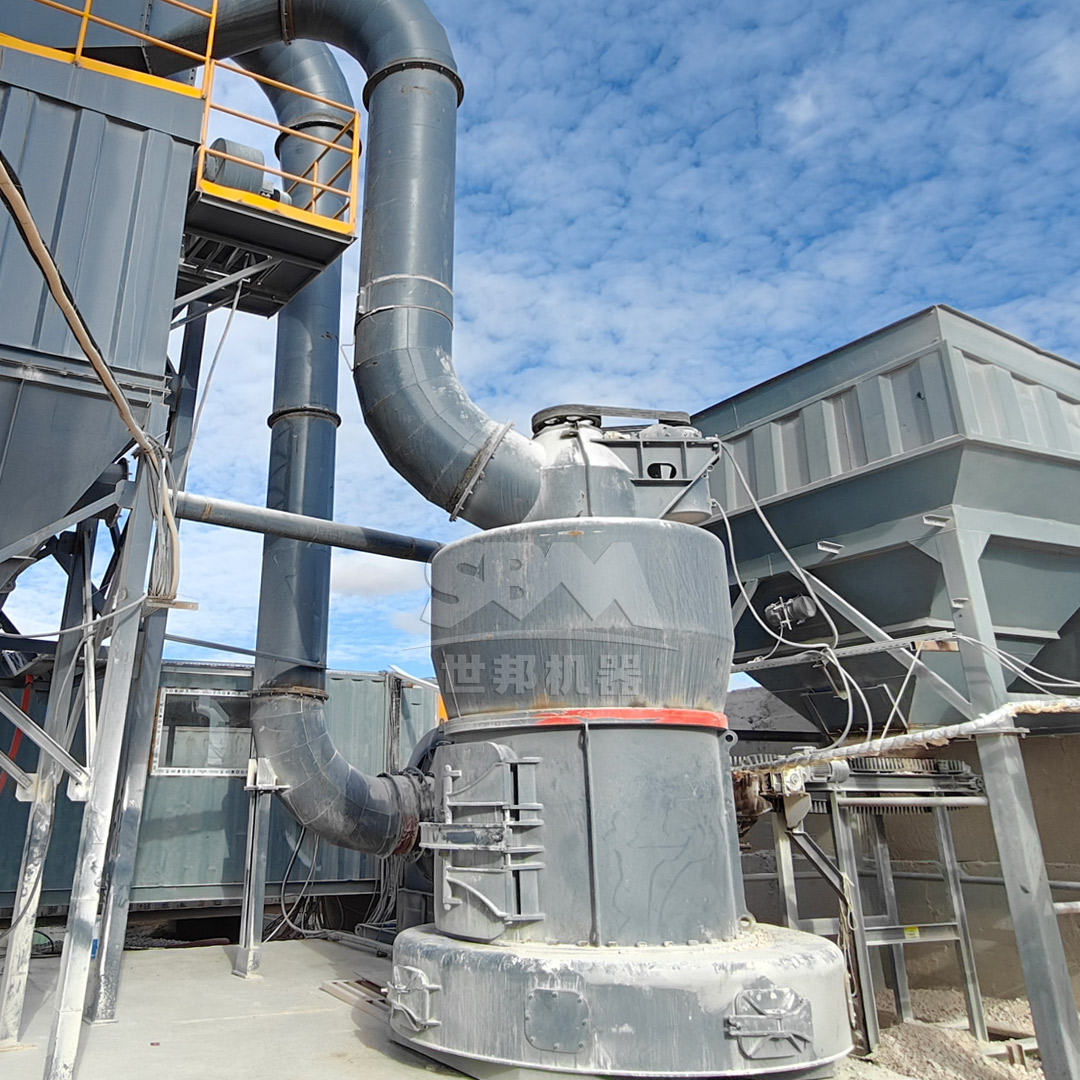
Bentonite is typically extracted via open-pit mining. The raw ore, which can contain significant moisture and vary in hardness, is first subjected to primary crushing. Jaw crushers or hammer mills are commonly used to reduce large chunks of ore to a manageable size, typically below 50mm, preparing it for further processing and drying.
2.2 Drying
Natural bentonite often has a moisture content of 25-35%. Efficient drying is crucial to improve grindability and prevent clogging in subsequent milling stages. Rotary dryers are the standard equipment, using hot gases to reduce moisture to an optimal level of 8-12% for most milling operations.
2.3 Milling: The Heart of Powder Production
This is the most critical stage, where the dried bentonite is pulverized to the target fineness. The choice of milling technology directly impacts the powder’s particle size distribution, surface area, and final properties. Different applications require different fineness levels, from coarse granules for cat litter to ultra-fine powders for cosmetics or nanoclay composites.
2.4 Activation and Modification (Optional)
Depending on the intended use, bentonite may undergo activation. Sodium activation (or “peptizing”) involves adding sodium carbonate to enhance its swelling properties for drilling muds. Acid activation with sulfuric or hydrochloric acid creates bleaching earths with high adsorption capacity, used in edible oil refining. Organic modification with quaternary ammonium compounds produces organoclays for use in polymer nanocomposites and paints.
2.5 Classification and Packaging
After milling, the powder is classified using air classifiers or screens to ensure a consistent particle size. It is then stored in silos and packaged in bags, bulk sacks, or tanker trucks for shipment.
3. Key Milling Technologies for Bentonite Processing
Selecting the right mill is paramount for achieving desired product specifications, energy efficiency, and production economy. Here we examine two dominant and highly effective milling solutions.
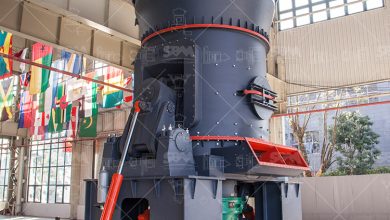
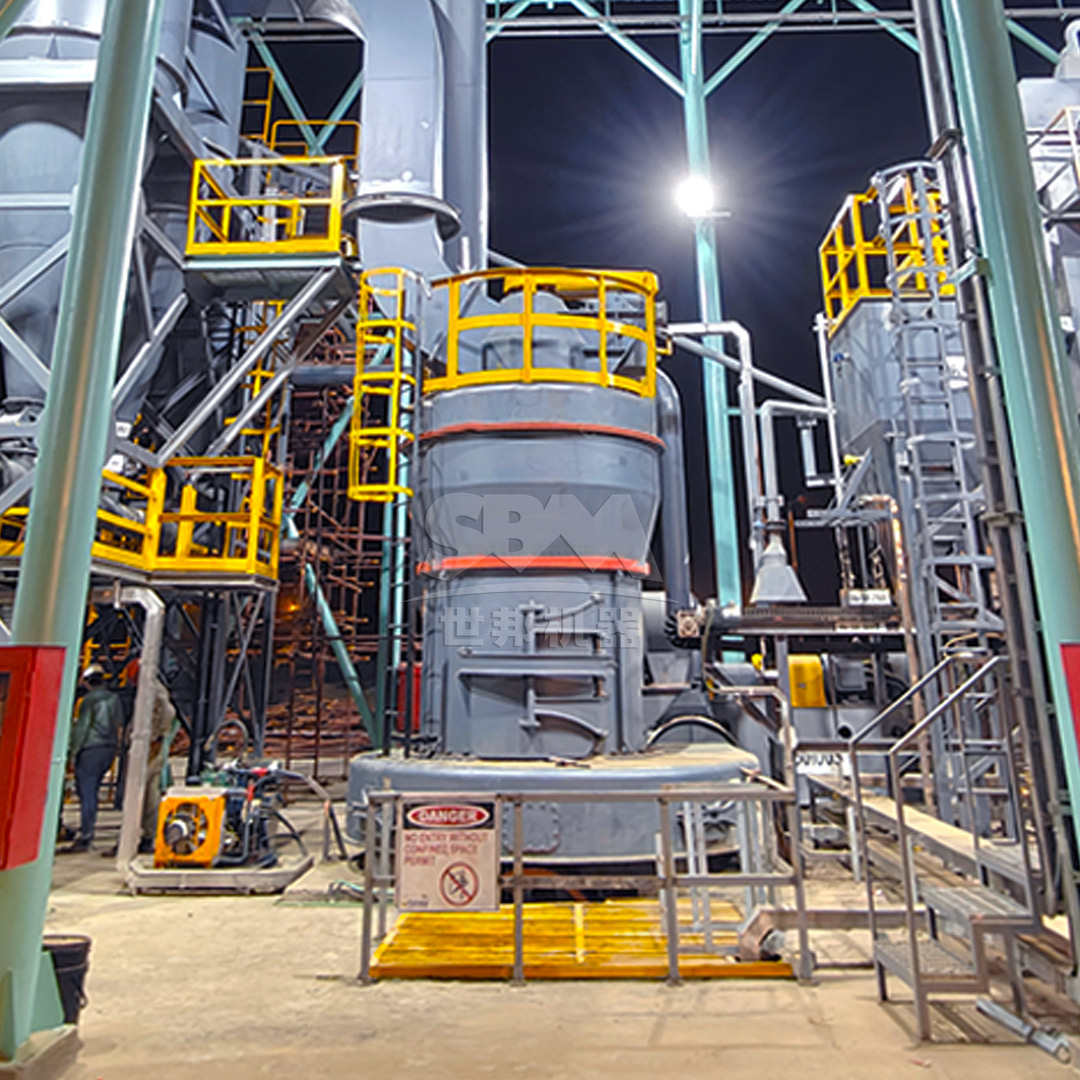
3.1 For High-Capacity, Coarse to Medium-Fine Grinding: The MTW Series European Trapezium Mill
When the production target requires high throughput of bentonite powder in the range of 30 to 325 mesh (600-45μm), the MTW Series European Trapezium Mill stands out as an industry workhorse. Its design is optimized for durability and efficiency in processing moderately hard minerals like bentonite.
Key advantages for bentonite processing include its anti-wear shovel design and wear-resistant volute structure, which significantly reduce maintenance costs associated with the abrasive nature of clay. The integral bevel gear drive offers a remarkable 98% transmission efficiency, translating to lower energy consumption per ton of product. With capacities ranging from 3 to 45 tons per hour and the ability to handle feed sizes up to 50mm, the MTW series is ideal for large-scale production of foundry-grade, civil engineering, and agricultural bentonite powders. Its reliable and stable operation ensures consistent product quality for high-volume applications.
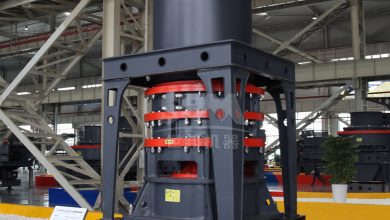
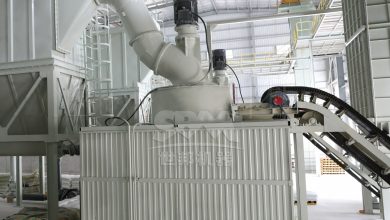
3.2 For Premium Ultra-Fine and High-Value Products: The SCM Series Ultrafine Mill
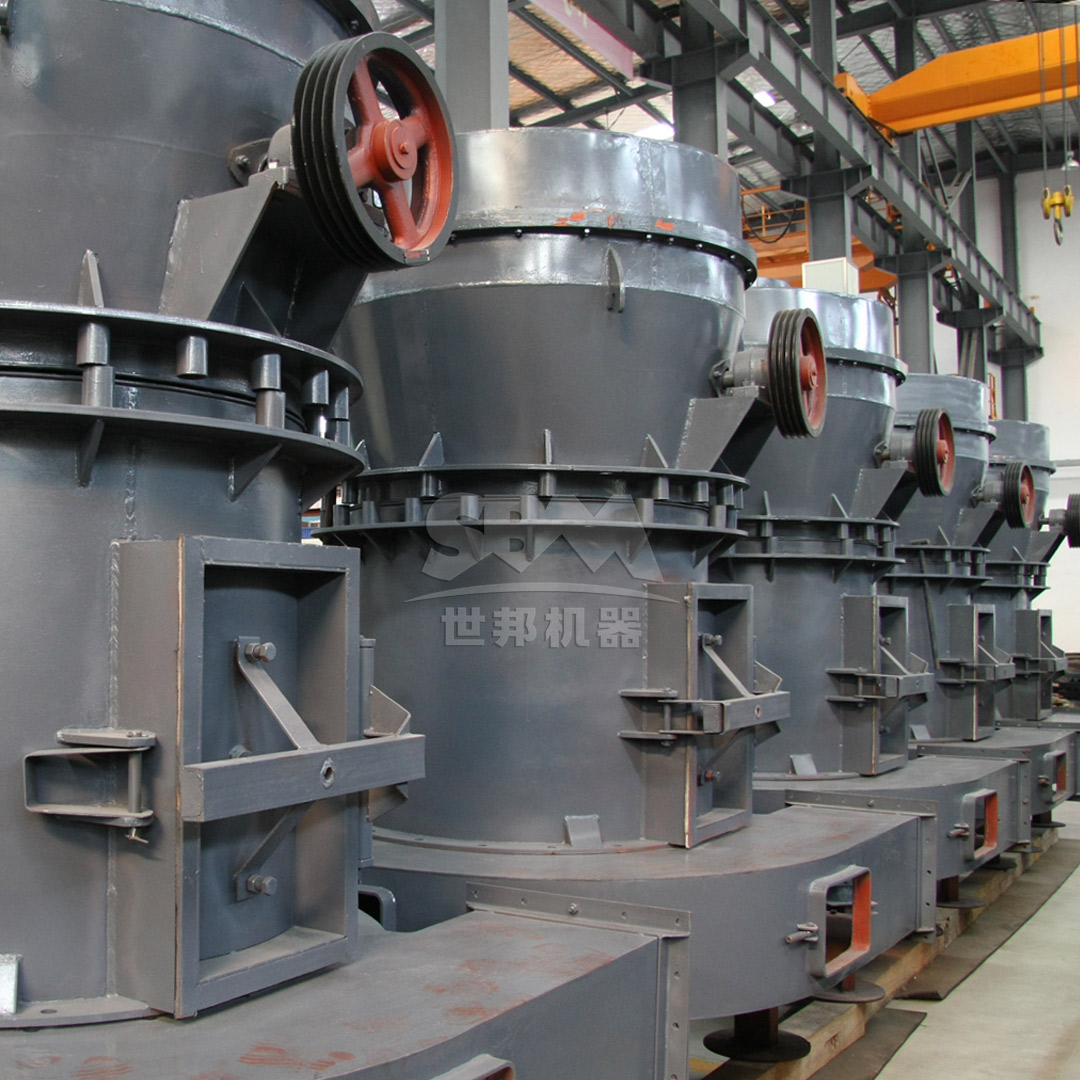
For applications demanding ultra-fine bentonite powders (325-2500 mesh or 45-5μm), such as high-performance drilling muds, cosmetics, pharmaceuticals, or advanced material composites, the SCM Series Ultrafine Mill is the technology of choice. This mill excels in producing powders with a narrow, precise particle size distribution.
The SCM mill’s core strength lies in its high-precision vertical turbine classifier, which ensures sharp particle size cuts and eliminates coarse powder contamination, resulting in a uniform and high-quality product. It operates with high efficiency and energy savings, offering twice the capacity of traditional jet mills while consuming 30% less energy. Furthermore, its eco-friendly design features a pulse dust collection system with efficiency exceeding international standards, making it suitable for modern plants with strict environmental regulations. For producers aiming at the high-value end of the bentonite market, the SCM series provides the technological edge to produce superior ultra-fine powders reliably and economically.
4. Major Applications of Bentonite Powder
The processed bentonite powder finds utility across diverse industries:
- Foundry: Used as a bonding agent in green sand molds for metal casting.
- Drilling Fluids: A primary component in water-based muds, providing viscosity and wall-building properties.
- Civil Engineering: Used for waterproofing, soil stabilization, and as a slurry wall component.
- Agriculture: Acts as a soil conditioner, carrier for pesticides/fertilizers, and an anti-caking agent in animal feed.
- Environmental: Employed as a liner for landfills and for sealing ponds, and as an adsorbent for contaminants.
- Personal Care & Pharmaceuticals: Found in cosmetics, creams, and medicinal products as a viscosity modifier and absorbent.
5. Conclusion
The production of high-quality bentonite powder is a sophisticated process that hinges on advanced milling technology. From high-volume coarse grinding to precision ultra-fine milling, the capabilities of the equipment define the product’s market potential. Technologies like the MTW Series European Trapezium Mill for robust, high-capacity production and the SCM Series Ultrafine Mill for premium fine powders represent the forefront of mineral processing solutions. By investing in the appropriate milling technology, producers can optimize their operations, enhance product value, and reliably meet the exacting specifications of a global and diverse market for bentonite products.