Which Manufacturer Has Successful Cases of Double Fly Ash Grinding Production Lines?
Introduction: The Growing Demand for Fly Ash Processing Solutions
The global construction industry’s increasing emphasis on sustainable materials has propelled fly ash into the spotlight as a valuable supplementary cementitious material. However, processing this industrial byproduct requires specialized equipment capable of handling its unique characteristics while maintaining efficiency and product quality. Double fly ash grinding production lines represent the pinnacle of this technology, offering enhanced capacity and redundancy for large-scale operations. This article explores the manufacturers with proven success in implementing these sophisticated systems and examines the technological innovations driving this sector forward.
Technical Challenges in Fly Ash Grinding
Fly ash presents distinct processing challenges that demand specialized grinding solutions. Its abrasive nature, variable moisture content, and requirement for precise particle size distribution necessitate equipment with robust construction, advanced classification systems, and flexible operational parameters. Successful double production lines must address these challenges while maintaining energy efficiency and environmental compliance.
The primary technical hurdles include:
- Abrasion Resistance: Fly ash contains hard, angular particles that accelerate wear on grinding components
- Particle Size Control: Achieving consistent fineness between 325-2500 mesh for optimal pozzolanic activity
- Moisture Management: Handling variable moisture content without compromising grinding efficiency
- System Integration: Coordinating multiple grinding units for synchronized operation
Key Manufacturers with Proven Double Production Line Success
Several manufacturers have established themselves as leaders in double fly ash grinding production lines through successful installations and technological innovation. These companies have demonstrated capability in designing, implementing, and supporting complex grinding systems that meet the rigorous demands of modern construction materials production.
The most successful manufacturers share common characteristics:
- Comprehensive equipment portfolios covering various grinding technologies
- Proven track record of large-scale installations
- Advanced automation and control systems
- Strong technical support and service networks
- Commitment to research and development
Technological Innovations in Fly Ash Grinding Equipment
Modern fly ash grinding equipment incorporates numerous technological advancements that enhance performance, reliability, and efficiency. These innovations include intelligent control systems, advanced classification technology, wear-resistant materials, and integrated environmental controls.
Among the most significant developments are:
- High-Efficiency Classifiers: Vertical turbine classification systems that provide precise particle size control
- Intelligent Control Systems: Automated feedback mechanisms that maintain optimal grinding conditions
- Advanced Wear Protection: Specialized materials that extend component lifespan
- Integrated Environmental Controls: Pulse dust collection systems that exceed international standards
SCM Ultrafine Mill: The Premier Solution for High-Quality Fly Ash Processing
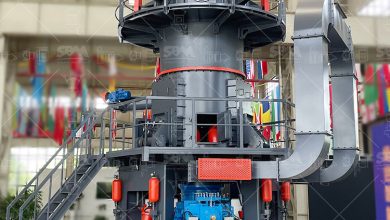
When considering equipment for double fly ash grinding production lines, our SCM Ultrafine Mill stands out as an exceptional choice for operations requiring superior product quality and operational efficiency. This advanced grinding system represents the culmination of years of research and practical experience in mineral processing technology.
The SCM Ultrafine Mill offers several distinct advantages for fly ash processing:
- Exceptional Fineness Control: Capable of producing powder in the range of 325-2500 mesh (D97≤5μm), meeting the most stringent specifications for supplementary cementitious materials
- High Efficiency Operation: With capacity reaching 2 times that of jet mills and energy consumption reduced by 30%, the SCM series delivers significant operational savings
- Precision Classification: The vertical turbine classifier ensures accurate particle size distribution without coarse powder contamination
- Robust Construction: Specially designed roller and grinding ring materials extend service life multiple times compared to conventional systems
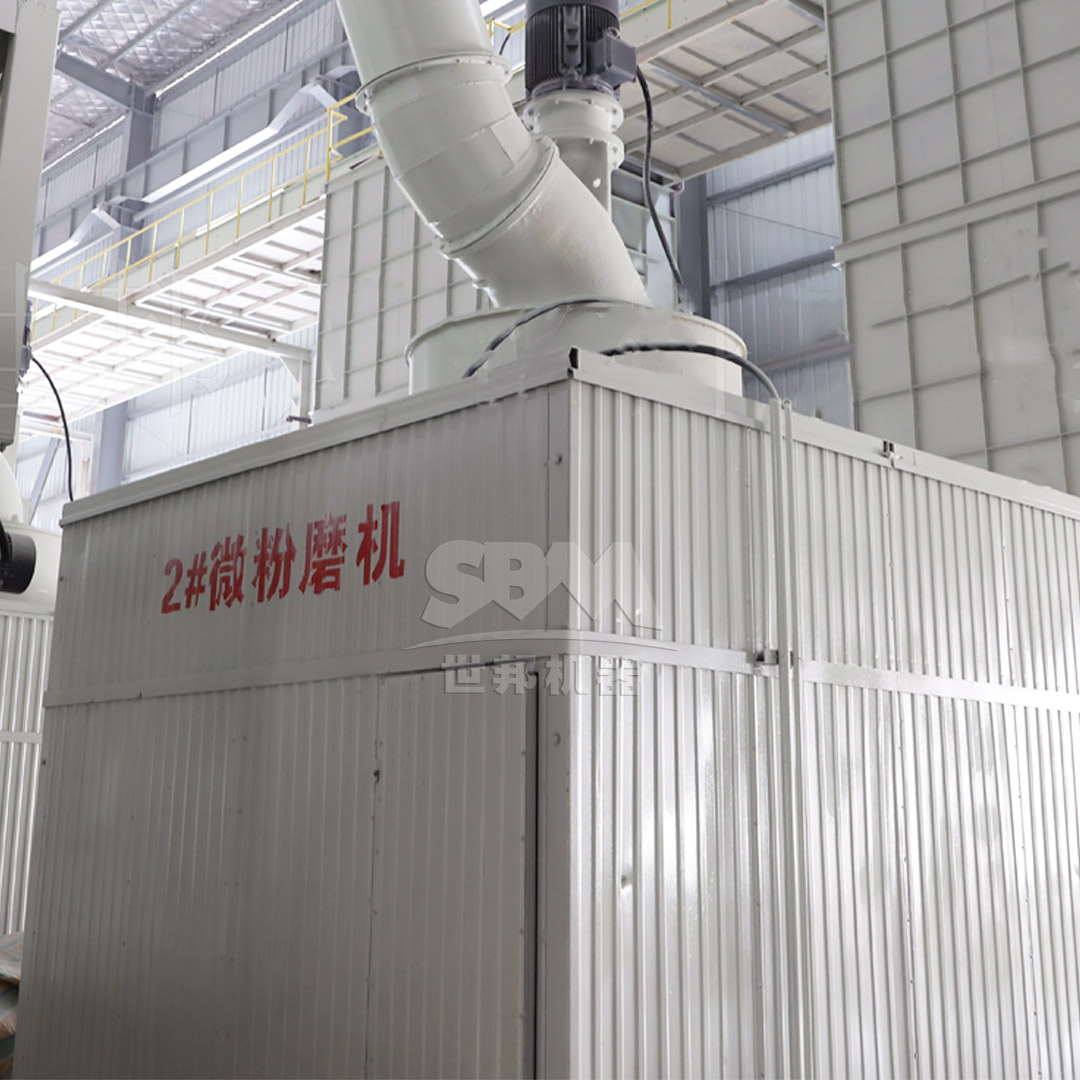
For double production line configurations, the SCM series offers multiple models with capacities ranging from 0.5-25 tons per hour, allowing for flexible system design. The SCM1680 model, with its 315kW main motor and capacity of 5.0-25 tons per hour, is particularly well-suited for large-scale fly ash processing operations requiring high throughput and consistent quality.
MTW Series Trapezium Mill: Robust Performance for High-Capacity Applications
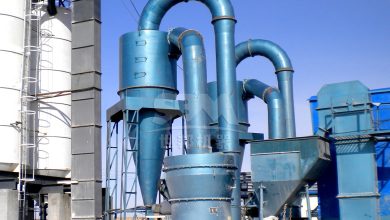
Complementing the ultrafine capabilities of the SCM series, our MTW Series Trapezium Mill provides an excellent solution for operations prioritizing high capacity and operational reliability. This European-style grinding mill incorporates numerous technological innovations that make it ideally suited for demanding fly ash processing applications.
Key features of the MTW Series include:
- Advanced Wear Protection: Combined shovel blade design reduces maintenance costs while curved surface design extends roller service life
- Optimized Airflow Path: Curved air duct design minimizes energy loss and improves transmission efficiency
- High-Efficiency Drive System: Bevel gear integrated transmission achieves 98% transmission efficiency while saving space and installation costs
- Durable Shell Structure: Non-blocking design improves air classification efficiency and reduces maintenance costs by 30%
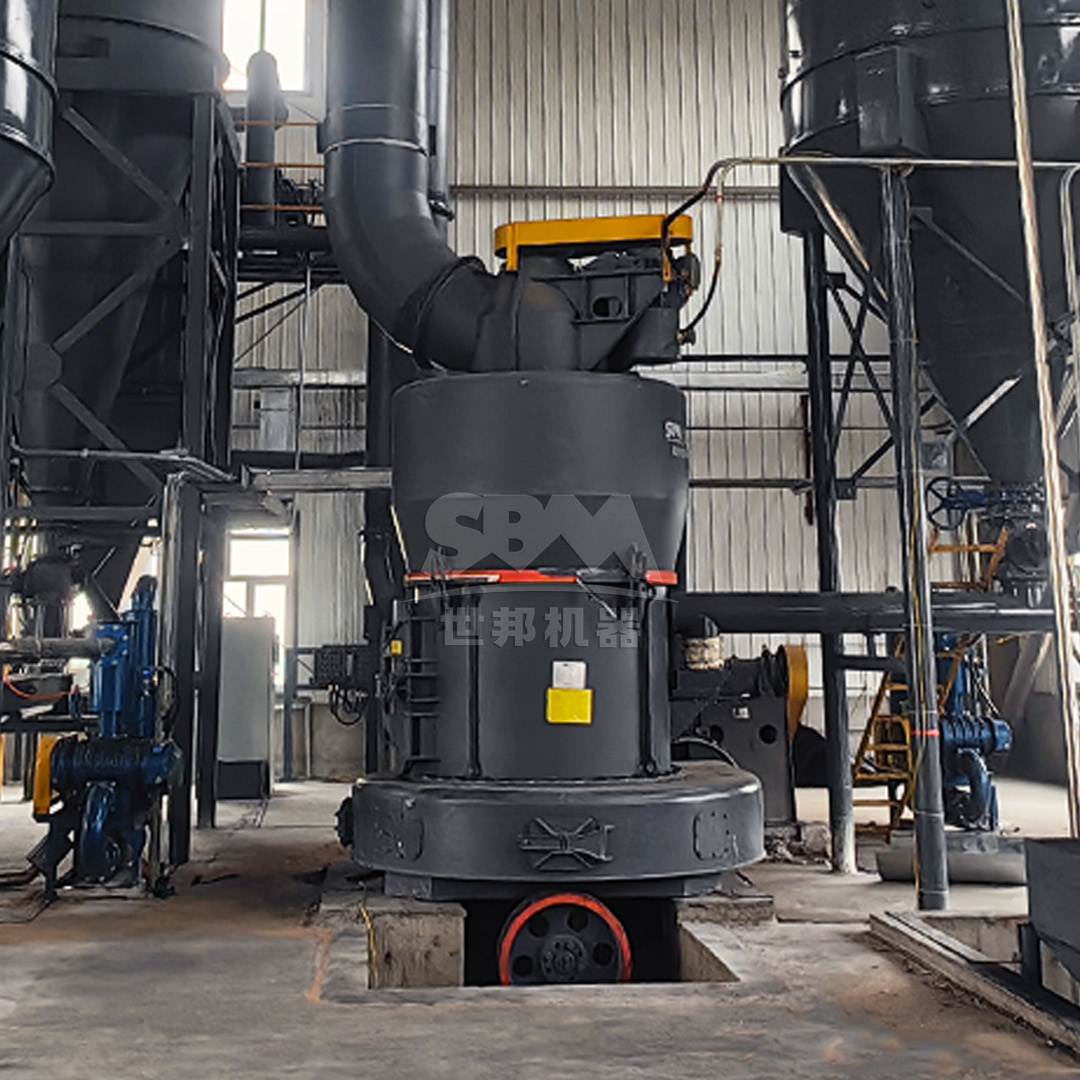
With models ranging from the MTW110 (3-9 tons/hour) to the massive MTW215G (15-45 tons/hour), the MTW series offers solutions for virtually any production requirement. The anti-wear shovel design is particularly beneficial for fly ash processing, where abrasive materials can rapidly degrade conventional components.
Case Study: Successful Implementation of Double Production Lines
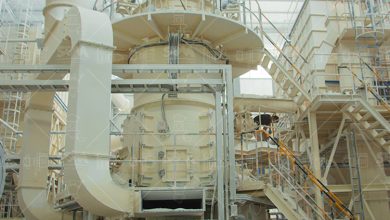
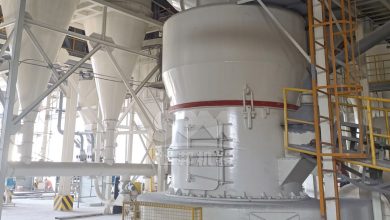
The effectiveness of these grinding systems is best demonstrated through real-world applications. One notable example involves a major construction materials producer in Southeast Asia that implemented dual SCM1250 mills for their fly ash processing operations.
This installation achieved remarkable results:
- Production Capacity: Combined output of 28 tons per hour of high-quality fly ash powder
- Product Quality: Consistent fineness of 450-600 mesh with excellent pozzolanic activity
- Energy Efficiency: 32% reduction in specific energy consumption compared to previous ball mill system
- Operational Reliability: 96% system availability during the first year of operation
- Environmental Compliance: Dust emissions maintained below 15mg/m³, well within regulatory limits
This success story highlights the potential of properly designed double production lines to transform fly ash processing operations, delivering both economic and environmental benefits.
System Design Considerations for Double Production Lines
Implementing successful double fly ash grinding production lines requires careful consideration of multiple factors beyond equipment selection. System design, material handling, automation, and maintenance protocols all contribute to overall performance and reliability.
Critical design considerations include:
- Material Distribution: Ensuring consistent feed to both grinding lines
- Redundancy Planning: Designing systems to maintain partial operation during maintenance
- Control System Integration: Coordinating operation between parallel grinding units
- Product Blending: Ensuring consistent final product quality from multiple sources
- Maintenance Scheduling: Developing protocols to minimize downtime
Economic and Environmental Benefits of Advanced Grinding Systems
Investing in modern double fly ash grinding production lines delivers significant economic and environmental advantages. Beyond the immediate production benefits, these systems contribute to sustainability goals and operational efficiency.
The primary benefits include:
- Reduced Operating Costs: Lower energy consumption and maintenance requirements
- Enhanced Product Value: Higher-quality fly ash commands premium prices in construction markets
- Waste Utilization: Converting industrial byproducts into valuable construction materials
- Carbon Footprint Reduction: Replacing cement with fly ash reduces CO₂ emissions associated with clinker production
- Regulatory Compliance: Meeting increasingly stringent environmental standards
Future Trends in Fly Ash Processing Technology
The evolution of fly ash grinding technology continues, with several emerging trends likely to shape future double production line designs. These developments focus on enhanced efficiency, digitalization, and sustainability.
Key trends to watch include:
- Artificial Intelligence Integration: Machine learning algorithms optimizing grinding parameters in real-time
- Advanced Sensor Technology: Enhanced monitoring of equipment condition and product quality
- Hybrid Energy Systems: Integration of renewable energy sources to reduce carbon footprint
- Circular Economy Applications: Processing of diverse waste materials alongside fly ash
- Remote Operation Capabilities: Reduced staffing requirements through advanced automation
Conclusion: Selecting the Right Partner for Double Production Line Success
The successful implementation of double fly ash grinding production lines requires both advanced equipment and comprehensive technical expertise. Manufacturers with proven experience in designing, installing, and supporting these complex systems provide the greatest assurance of project success.
When evaluating potential partners, consider their track record with similar projects, the technological sophistication of their equipment offerings, and their commitment to ongoing support and innovation. The combination of our SCM Ultrafine Mill and MTW Series Trapezium Mill represents a compelling solution for operations seeking to maximize their fly ash processing capabilities while maintaining operational efficiency and product quality.
As the construction industry continues to embrace sustainable materials, advanced fly ash grinding technology will play an increasingly important role in converting industrial byproducts into valuable resources. By selecting the right equipment and partners, producers can position themselves at the forefront of this important trend while achieving significant economic and environmental benefits.