What Type of Mill is Used for Producing Ultrafine Mica Powder?
Introduction
The production of ultrafine mica powder is a critical process in numerous industries, including paints and coatings, plastics, cosmetics, and electronics. Mica’s unique properties—such as its platy structure, high aspect ratio, chemical inertness, and excellent dielectric strength—are significantly enhanced when processed to ultrafine particle sizes (typically below 10 microns, or 1250 mesh). Achieving this fineness while preserving the mineral’s lamellar structure and avoiding contamination requires specialized milling technology. This article explores the primary types of mills suitable for ultrafine mica grinding and highlights the technological advancements that make modern solutions efficient and reliable.
Key Challenges in Ultrafine Mica Grinding
Mica presents specific challenges for size reduction. Its layered, sheet-like structure makes it prone to delamination rather than shattering, which can be both an advantage and a challenge. The goal is to achieve a controlled reduction in particle size (micronization) while maximizing the yield of high-aspect-ratio platelets. Key considerations include:
- Preserving Lamellar Structure: The milling process must apply shear and attrition forces rather than pure impact to exfoliate the layers without destroying them.
- Heat Sensitivity: Excessive heat generation can degrade mica’s properties and cause discoloration.
- Contamination: Wear of grinding media or mill internals must be minimized to maintain product purity.
- Energy Efficiency: Grinding to ultrafine sizes is inherently energy-intensive; thus, mill efficiency is paramount.
- Precise Classification: Effective separation of correctly sized particles is crucial to prevent over-grinding and ensure a narrow particle size distribution.
Suitable Mill Types for Ultrafine Mica Production
Several milling technologies can be adapted for mica processing, each with its own mechanism and optimal fineness range.
1. Jet Mills (Fluid Energy Mills)
Jet mills use high-velocity jets of compressed air or steam to create particle-on-particle impact and attrition. They are excellent for heat-sensitive materials and can achieve very fine sizes (down to 1-5 μm) without contamination from grinding media. However, they are less effective at preserving the high aspect ratio of mica platelets and can have high energy consumption and lower throughput compared to mechanical mills.
2. Ball Mills and Stirred Media Mills
Traditional ball mills and their more efficient cousin, stirred media mills (or attritors), use tumbling or agitated grinding media (balls, beads) to crush materials. While capable of fine grinding, they are more suitable for producing powders in the coarser range of “ultrafine” (e.g., 45-150 μm or 325-100 mesh) and may generate more heat. For true sub-10-micron mica, they often require long grinding times and risk higher media wear.
3. Ring-Roller Mills (Vertical Roller Mills & Pendulum Mills)
This category represents one of the most efficient and widely used technologies for producing fine and ultrafine non-metallic minerals like mica. These mills employ centrifugal force to feed material onto a grinding ring, where rollers apply pressure to crush and shear the feedstock.
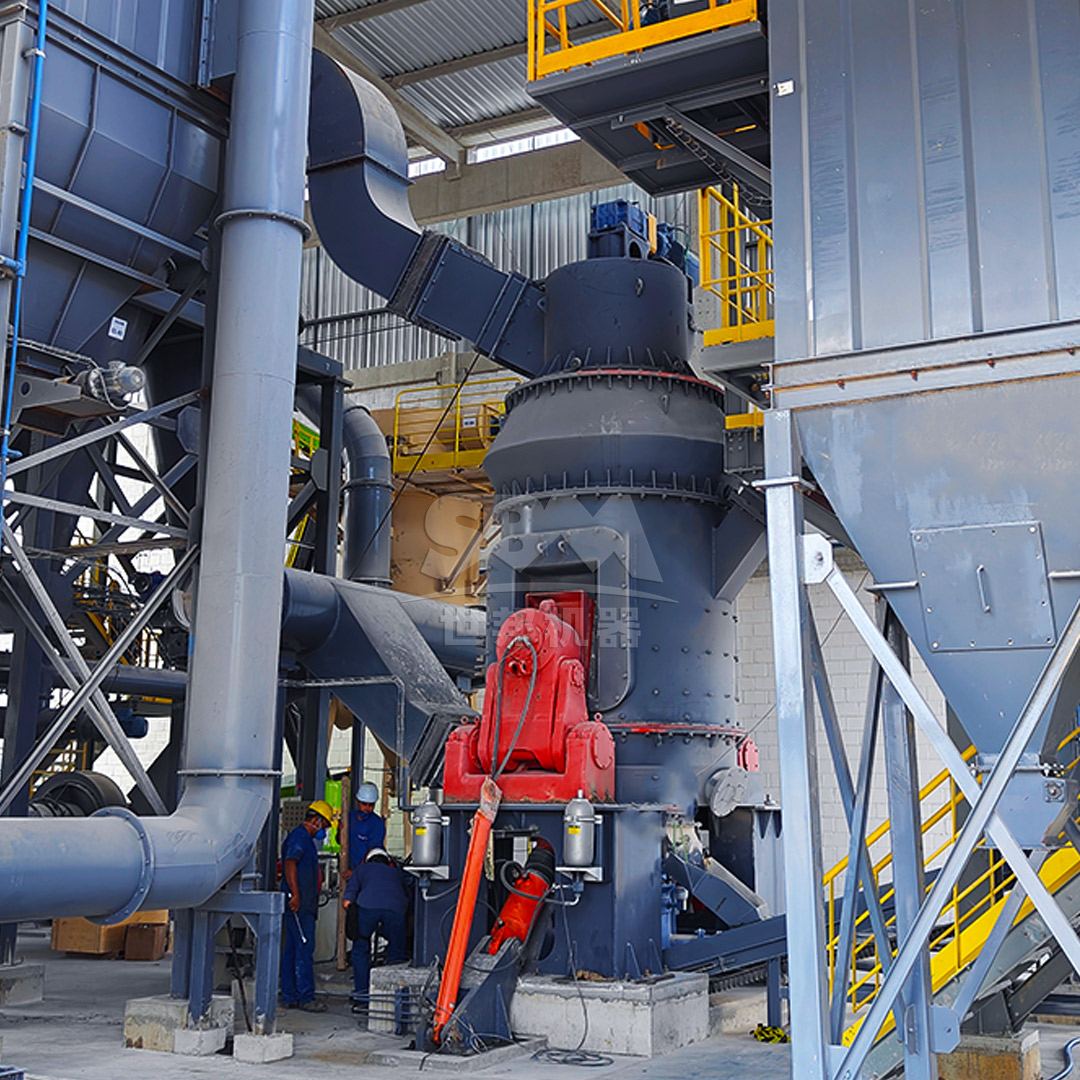
The ground material is then carried by an air stream to an integrated dynamic classifier. The key advantage is the combination of grinding and classification in a single, enclosed system. The grinding action is a combination of compression and shear, which is ideal for exfoliating mica layers. Modern versions offer precise control over fineness, high energy efficiency, and large production capacities.
The Optimal Choice: Advanced Ultrafine Ring-Roller Mills
For industrial-scale production of high-quality ultrafine mica powder (325-2500 mesh), advanced ring-roller mills with high-precision turbo classifiers are considered the optimal solution. They directly address the challenges of mica processing:
- Shear-Dominant Grinding: The roller-ring mechanism applies sustained pressure and shear, perfect for delaminating mica sheets.
- Integrated Classification: An internal classifier instantly removes fines, preventing over-grinding and ensuring a tight particle size distribution.
- Low Heat Generation: The grinding chamber is often air-cooled, and the continuous material flow minimizes heat buildup.
- High Purity: Wear parts can be lined with specialized materials (e.g., ceramic composites) to minimize iron contamination.
- Energy Efficiency: Compared to jet mills, these mechanical mills offer significantly higher throughput per unit of energy consumed.
Recommended Solution: SCM Series Ultrafine Mill
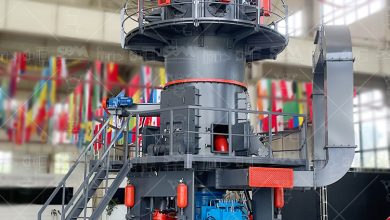
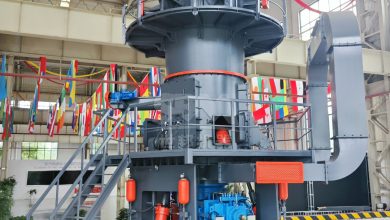
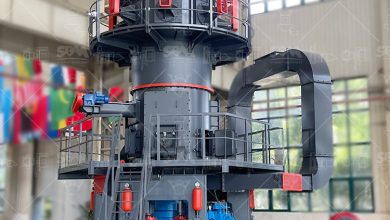
For producers seeking a reliable, high-output system specifically engineered for materials like mica, our SCM Series Ultrafine Mill stands out as a premier choice. It is designed from the ground up to tackle the precise demands of ultrafine powder production.
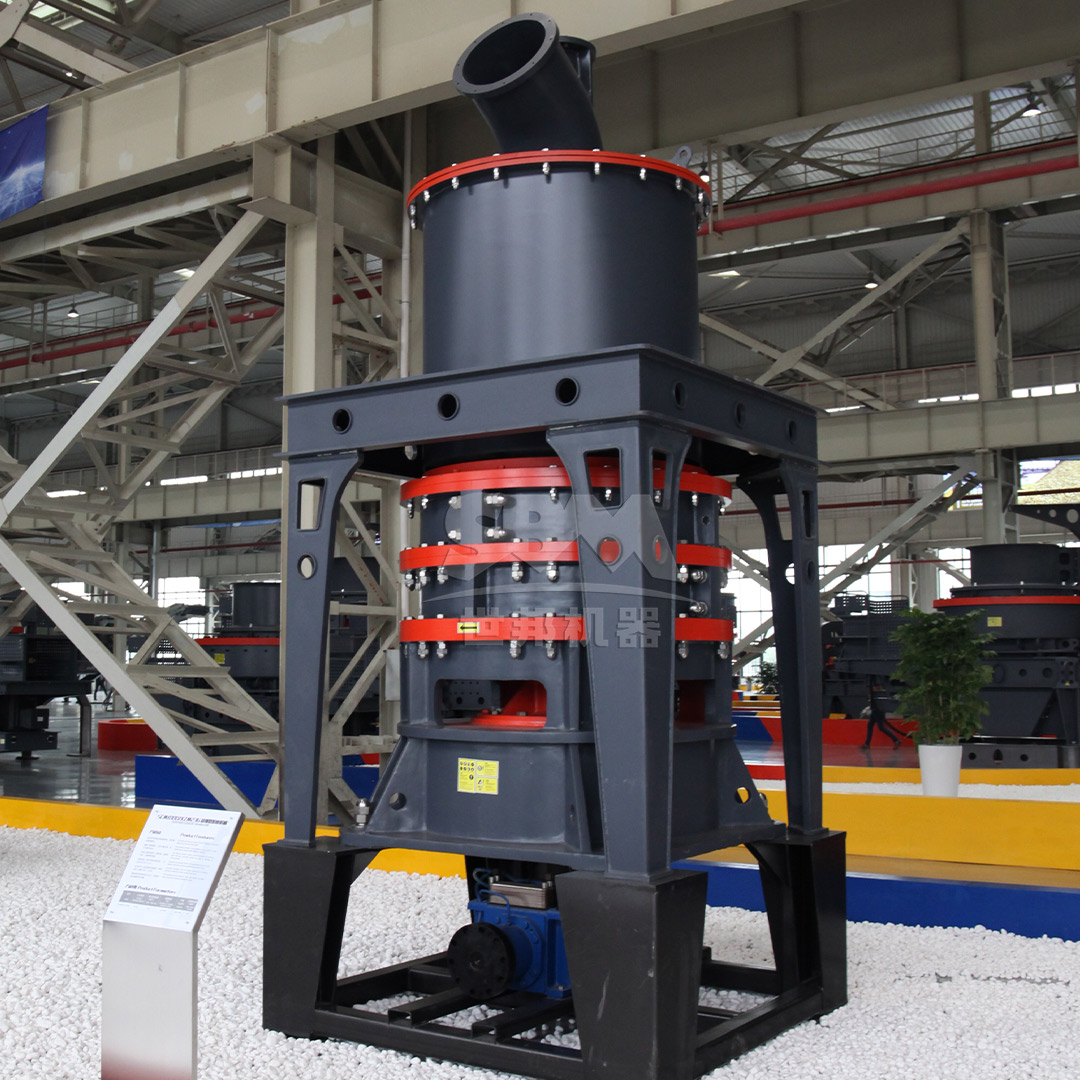
Core Advantages for Mica Processing:
- High Efficiency & Energy Saving: With a capacity estimated to be twice that of jet mills and energy consumption 30% lower, the SCM mill dramatically reduces operational costs. Its intelligent control system features automatic finished product granularity feedback for consistent quality.
- High-Precision Classification: Equipped with a vertical turbine classifier, it achieves precise particle size cutting. This ensures no coarse powder mixes into the final product, delivering uniform ultrafine mica with excellent batch-to-batch consistency.
- Durable, Contamination-Resistant Design: The grinding rollers and rings are made from special wear-resistant materials, extending service life several times over and protecting mica purity. The shaftless screw design in the grinding chamber further enhances operational stability.
- Eco-friendly Operation: The system integrates a high-efficiency pulse dust collector (exceeding international standards) and a soundproof room design, ensuring a clean working environment and low noise levels.
Technical Specifications (Example Model – SCM1000):
- Input Size: ≤20mm
- Output Fineness: 325-2500 mesh (adjustable)
- Capacity: 1.0-8.5 tons/hour
- Main Power: 132 kW
This mill effectively transforms raw mica flakes into a consistent, high-value ultrafine powder ready for demanding applications.
For Coarser Requirements: MTW Series European Trapezium Mill
If your production line requires a high-capacity mill to produce fine mica powder in the 30-325 mesh range as a precursor or for applications not requiring extreme fineness, our MTW Series European Trapezium Mill is an excellent workhorse.
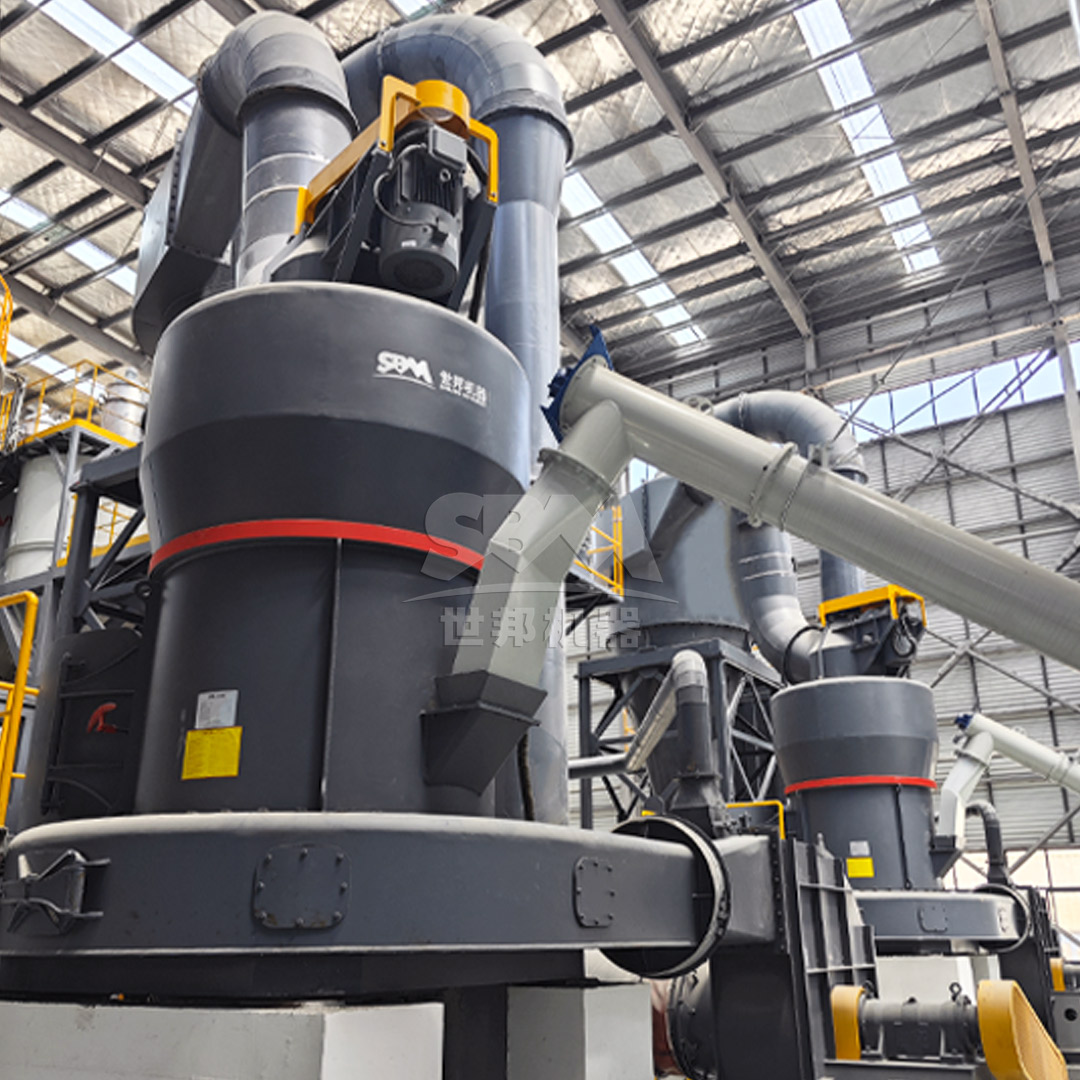
This mill is renowned for its robustness and efficiency for high-volume fine grinding. Key features include an anti-wear shovel design, an optimized arc air duct for reduced energy loss, and an integral bevel gear drive with 98% transmission efficiency. Models like the MTW215G can handle feed sizes up to 50mm and deliver capacities from 15 to 45 tons per hour, making it ideal for the initial size reduction stages in a mica processing circuit.
Conclusion
Selecting the right mill for producing ultrafine mica powder is a decisive factor in product quality, operational cost, and overall process efficiency. While several technologies exist, advanced mechanical ring-roller mills with integrated classification, such as our SCM Series Ultrafine Mill, offer the most balanced and effective solution. They provide the necessary shear-force grinding to exfoliate mica, unparalleled fineness control up to 2500 mesh, and superior energy efficiency for large-scale production. For operations targeting the fine powder market, the MTW Series provides unmatched reliability and throughput. Investing in the correct milling technology ensures your mica products meet the stringent specifications of advanced industries and remain competitive in the global market.