What Type of Crusher is Used for Lignite and Which Superfine Mill is More Effective?
Introduction: The Challenge of Lignite Processing
Lignite, often referred to as brown coal, represents a significant global energy resource. However, its processing presents unique challenges due to its inherent properties: high moisture content (often 25-60%), low calorific value, high volatile matter, and a fibrous, sometimes crumbly structure. These characteristics demand specialized equipment for primary size reduction (crushing) and subsequent fine or ultra-fine grinding to unlock its value for applications like power generation, briquetting, or conversion to liquid fuels. Selecting the correct crusher and mill is paramount for operational efficiency, product quality, and economic viability. This article explores the optimal machinery for lignite processing, with a focus on achieving high-efficiency superfine grinding.
Primary Crushing: Selecting the Right Crusher for Lignite
The primary crushing stage aims to reduce run-of-mine lignite to a manageable size for feeding into grinding mills. Given lignite’s moisture and abrasiveness, the crusher must handle wet, sticky material without clogging and resist wear from abrasive mineral inclusions.
Hammer Crusher: The Preferred Primary Choice
For lignite, the Hammer Crusher is frequently the most effective primary crusher. Its design is well-suited to the material’s characteristics:
- High Impact Force: The high-speed rotating hammers deliver powerful impact blows, effectively breaking the often-friable lignite lumps.
- Handles High Moisture: The open-bottom design with a grate screen allows for better handling of moist material compared to compression-type crushers like jaw crushers, which are more prone to packing and clogging with sticky lignite.
- Large Feed Size: It can accept feed sizes up to 40mm or more, making it ideal for the initial size reduction stage.
- High Reduction Ratio: It achieves a significant size reduction in a single stage, producing output typically in the range of 0-3mm, which is suitable for direct feed into many grinding systems.
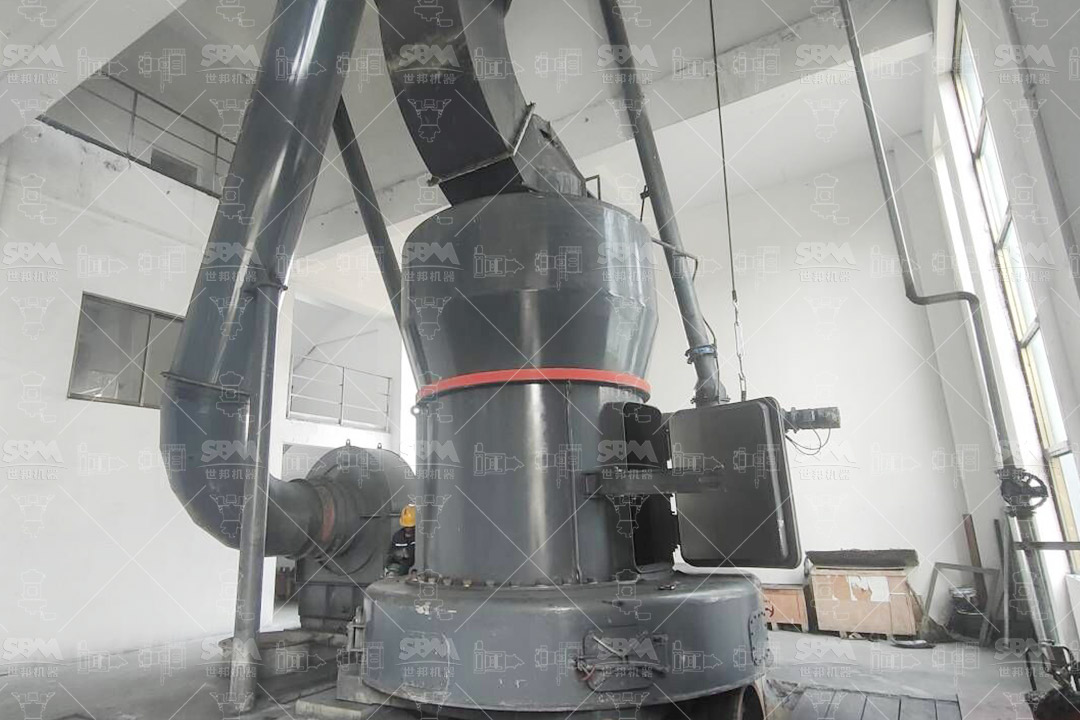
Our company’s Hammer Mill series, such as the PC4012-90 model, is engineered for this exact challenge. With a robust rotor (Φ900x1200mm), 32 high-manganese steel hammers for wear resistance, and a capacity of 15-40 t/h, it provides a stable and high-performance solution for primary lignite crushing. Its compact structure minimizes footprint while its optimized crushing chamber ensures efficient breakage of lignite with minimal fines generation, where control is needed.
The Quest for Fineness: From Grinding to Superfine Pulverization
After primary crushing, lignite often requires further grinding to increase its surface area for improved combustion efficiency, gasification reactivity, or binding in briquetting. The choice between fine grinding (e.g., 30-325 mesh) and superfine grinding (e.g., 325-2500 mesh) depends on the end-use. For advanced applications like coal-water slurry or as a filler, superfine grinding is essential.
Fine Grinding Options: MTW and LM Series
For fine grinding requirements down to 325 mesh (45μm), robust and efficient mills are required. Two excellent choices are the trapezium mill and the vertical roller mill.
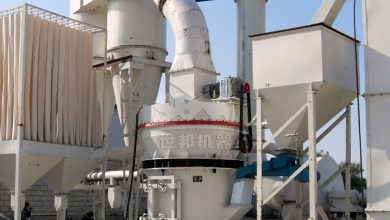
The MTW Series European Trapezium Mill offers high capacity (3-45 t/h) and excellent reliability. Its advantages for lignite include the wear-resistant combined shovel design that handles abrasive materials, an optimized arc air duct for efficient drying and conveying of moist lignite, and an integral bevel gear drive ensuring stable transmission. Models like the MTW215G can process up to 45 t/h of material with a feed size of ≤50mm, making it a powerhouse for large-scale fine grinding operations.
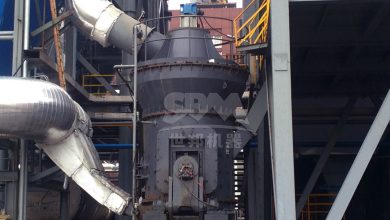
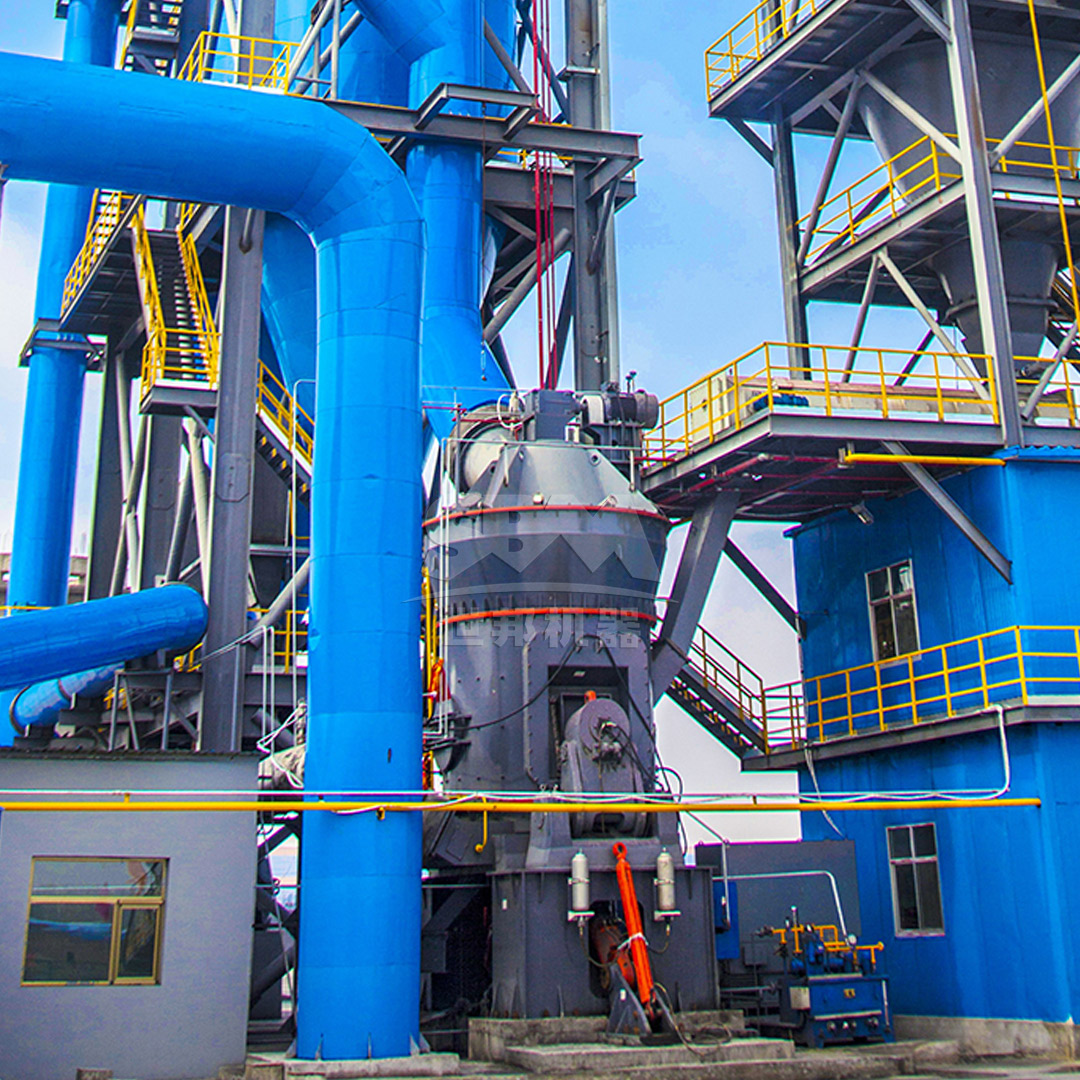
Alternatively, the LM Series Vertical Roller Mill stands out for its integrated design and low operating cost. It combines drying, grinding, and classification in a single unit, which is highly beneficial for high-moisture lignite. Its grinding principle—bed grinding between rollers and a table—is energy-efficient, consuming 30-40% less power than traditional ball mill systems. The LM Vertical Coal Mill series (e.g., LM280M) is specifically designed for pulverized coal production, offering capacities up to 90 t/h and excellent control over product fineness.
Superfine Grinding: The Pinnacle of Lignite Processing Technology
When the target product fineness enters the superfine realm (325 mesh and beyond, into the micron and sub-micron range), the technological demands increase significantly. The mill must not only provide immense grinding force but also incorporate ultra-precise classification to prevent coarse particle contamination and manage the increased surface energy of the fine particles.
Why the SCM Series Ultrafine Mill is the Most Effective Choice
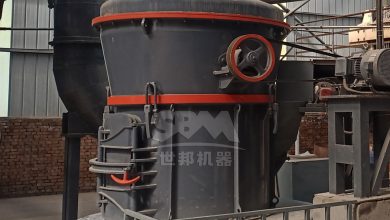
For superfine grinding of lignite, our SCM Series Ultrafine Mill represents the state-of-the-art solution and is demonstrably more effective than alternatives like traditional jet mills or ball mills. Here’s a detailed analysis of its superiority:
- Unmatched Efficiency & Energy Savings: The SCM mill utilizes a layered grinding principle with multiple grinding rollers and rings. This mechanical grinding method is fundamentally more energy-efficient than the fluid-energy collision of jet mills. It delivers over twice the capacity of a jet mill of comparable power while reducing energy consumption by approximately 30%. For large-scale industrial production of superfine lignite powder, this translates to massive operational cost savings.
- High-Precision Classification System: The heart of any superfine mill is its classifier. The SCM series is equipped with a high-density, vertical turbine classifier. This system allows for precise particle size “cutting,” ensuring that only particles meeting the target fineness (adjustable from 325 to 2500 mesh) leave the grinding chamber. The result is a uniformly fine product with no coarse powder mixing, which is critical for high-value applications.
- Durability for Abrasive Materials: Lignite can be abrasive. The SCM mill addresses this with specially hardened material for its grinding rollers and rings, extending service life several times over compared to standard materials. The shaftless screw design in the grinding chamber further enhances operational stability and reduces maintenance downtime.
- Eco-friendly and Quiet Operation: The entire grinding system operates under negative pressure, preventing dust leakage. A high-efficiency pulse dust collector (>99.9% efficiency) ensures emissions are minimal. Furthermore, soundproof room design keeps operational noise levels well within stringent environmental standards.
Technical Specifications and Suitability for Lignite
The SCM series is perfectly scaled for various production needs. For pilot plants or moderate output, the SCM800 model (0.5-4.5 t/h, 75kW) is ideal. For large-scale industrial production of superfine lignite powder, the SCM1680 model (5.0-25 t/h, 315kW) provides unparalleled capacity. All models accept a feed size of ≤20mm, which aligns perfectly with the product from a primary hammer crusher.
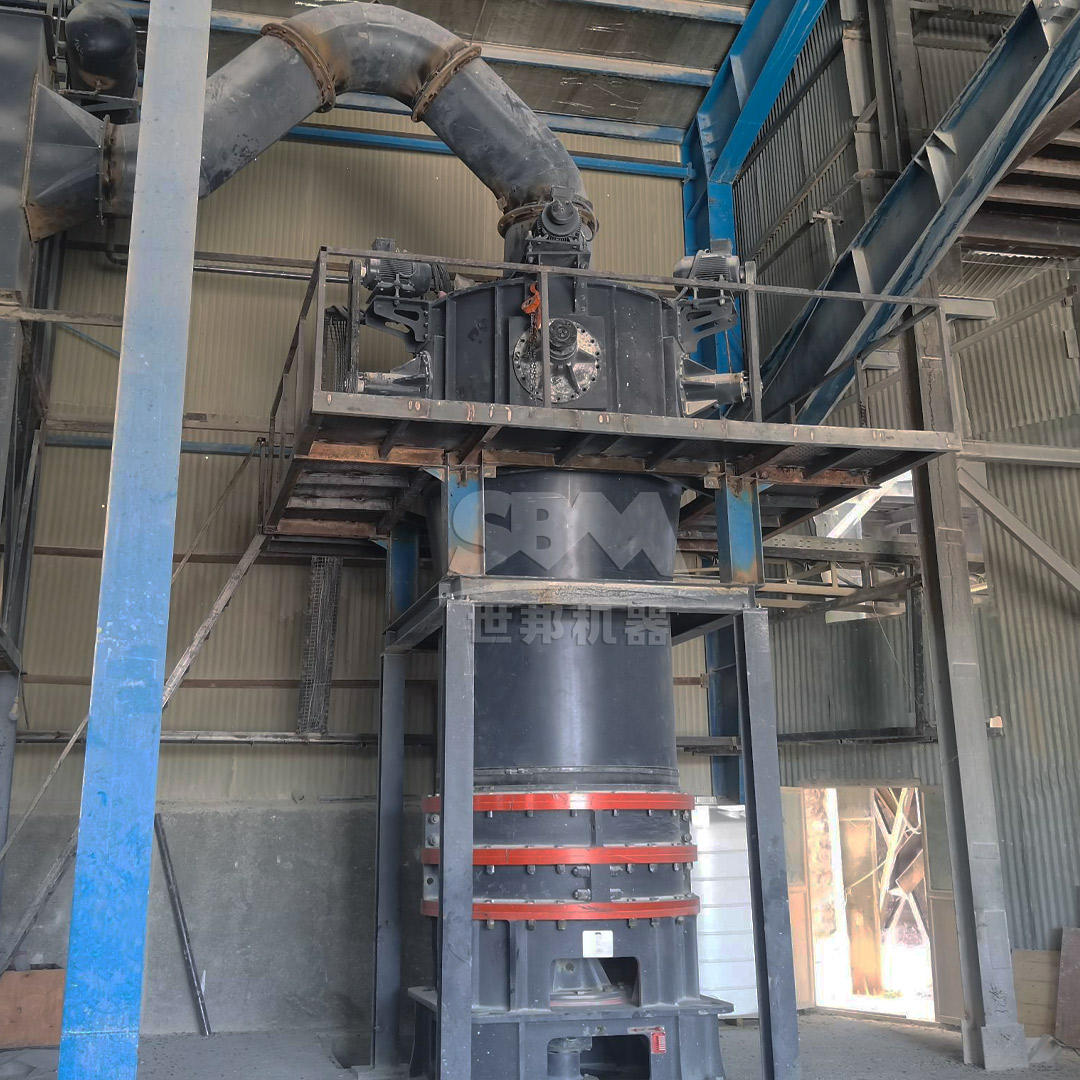
The working principle—centrifugal force dispersing material into the grinding path, followed by multi-layer compression grinding—is exceptionally effective for breaking down the fibrous structure of lignite into ultra-fine particles. The integrated collection system (cyclone + pulse dust removal) ensures a high product yield.
Conclusion: An Integrated Processing Solution
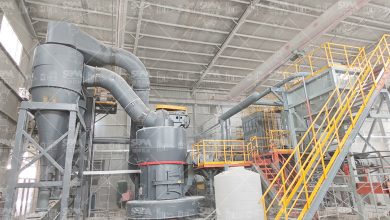
The optimal processing line for high-value superfine lignite powder begins with a robust Hammer Crusher (e.g., PC4012-90) to achieve a consistent 0-3mm feed. This material is then fed directly into the SCM Series Ultrafine Mill, which efficiently and reliably pulverizes it to the desired superfine grade (e.g., 800, 1250, or 2500 mesh) with superior classification accuracy and energy economy.
For applications requiring only fine grinding, the MTW Series Trapezium Mill or the LM Series Vertical Roller Mill offer high-capacity, cost-effective solutions. However, when the goal is to maximize the reactivity and value of lignite through superfine grinding, the SCM Ultrafine Mill stands out as the most technologically advanced and economically effective choice, offering a compelling combination of high output, precise particle control, durability, and environmental compliance.