What is the Best Mill for Grinding Aluminum Hydroxide?
Introduction: The Challenge of Aluminum Hydroxide Grinding
Aluminum hydroxide (Al(OH)3), a key industrial material used in flame retardants, pharmaceuticals, ceramics, and as a precursor to alumina, presents unique challenges in size reduction. Its properties—including moderate hardness, potential for agglomeration, and sensitivity to contamination and heat—demand a grinding solution that is precise, efficient, and gentle. Selecting the optimal mill is not merely about achieving a target particle size; it’s about preserving crystal structure, ensuring high purity, maximizing yield, and controlling operational costs. This article explores the critical factors in choosing a mill and identifies the most suitable technologies, with a focus on our company’s advanced milling solutions.
Key Considerations for Grinding Aluminum Hydroxide
1. Desired Final Particle Size and Distribution
The application dictates the fineness. Flame retardants often require a fine, consistent powder (e.g., D97 < 10μm), while ceramic grades might tolerate a coarser grind. The mill must offer precise classification to ensure a narrow particle size distribution (PSD), eliminating both oversize and undersize fractions that can degrade product performance.
2. Product Purity and Contamination
Aluminum hydroxide used in pharmaceuticals or high-performance composites must be free from metallic contamination introduced by wear parts. Mills utilizing advanced ceramic or specially hardened alloy grinding elements are essential.
3. Thermal Sensitivity
Excessive heat generated during milling can drive off the chemically bound water in Al(OH)3, converting it to alumina (Al2O3), which alters its properties. Effective cooling systems within the mill are crucial.
4. Energy Efficiency and Throughput
Large-scale industrial production demands high throughput with minimal specific energy consumption (kWh/ton). The grinding mechanism should maximize size reduction per unit of energy input.
5. System Integration and Environmental Control
A complete system includes feeding, grinding, classification, collection, and dust control. A well-designed, enclosed system ensures high material recovery, minimal dust emission, and low noise.
Evaluation of Common Mill Types for Aluminum Hydroxide
Ball Mills
Traditional ball mills can grind Al(OH)3 but are often inefficient for fine grinding. They generate significant heat, have high energy consumption, and risk metallic contamination from grinding media wear. Their PSD control is also relatively poor without external classifiers, making them less ideal for high-value, fine-grade products.
Hammer Mills / Impact Mills
These are suitable for preliminary size reduction or producing coarser grades. However, they offer limited control over final fineness and PSD. The high-impact force can generate localized heat and may not be optimal for achieving the ultra-fine, uniform powders often required.
Raymond Mills (Pendulum Roller Mills)
This mature technology, like our MTM Series Trapezium Mill or MRN Pendulum Mill, is excellent for medium-fine grinding (30-325 mesh/45-600μm). They offer good reliability and lower capital cost. For aluminum hydroxide requiring fineness in this range, they are a robust and efficient choice. The spring-loaded grinding roller system provides stable operation and compensates for wear.
Vertical Roller Mills (VRM)
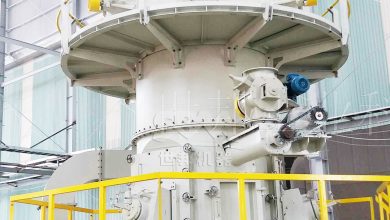
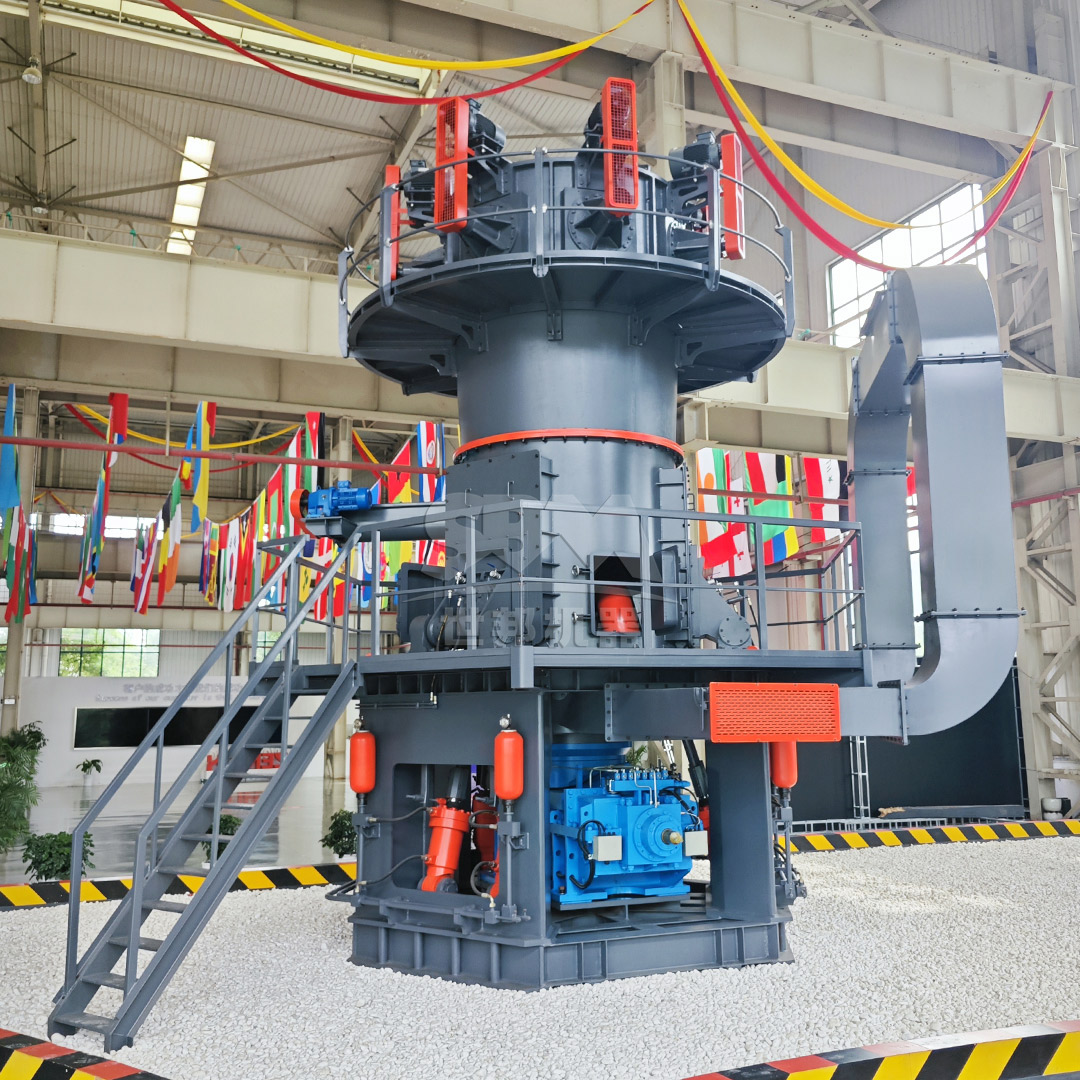
VRMs represent a significant advancement in dry grinding technology. They operate on the principle of bed compression between rollers and a rotating table, which is inherently more energy-efficient than impact or ball milling. Our LM Series Vertical Roller Mill is a standout in this category. Its integrated dynamic classifier allows for precise fineness control from coarse (30 mesh) to relatively fine (325 mesh/45μm) products. The compact design, low wear rate (due to non-contact grinding in a bed), and excellent drying capability (if a hot gas source is needed) make it a top contender for high-capacity Al(OH)3 production lines.
The Optimal Choice for Fine and Ultra-Fine Aluminum Hydroxide
For applications demanding particle sizes finer than 325 mesh (45μm), especially in the micron and sub-micron range (e.g., 2500 mesh/5μm), Ultra-fine Vertical Grinding Mills and specialized Ultrafine Mills are unequivocally the best technology.
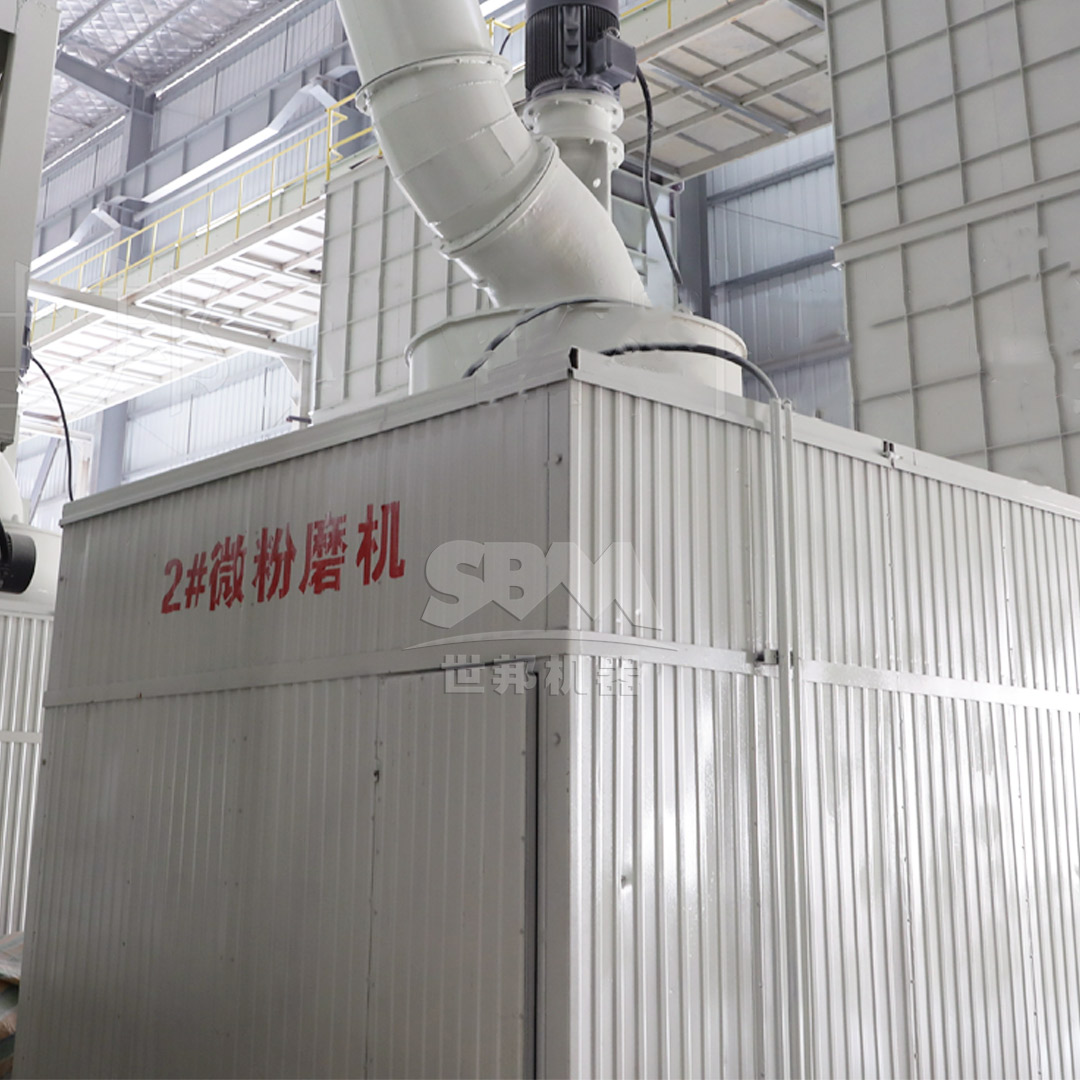
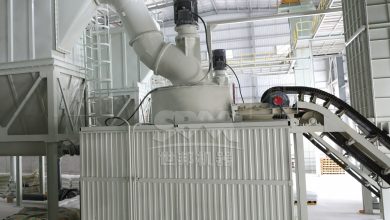
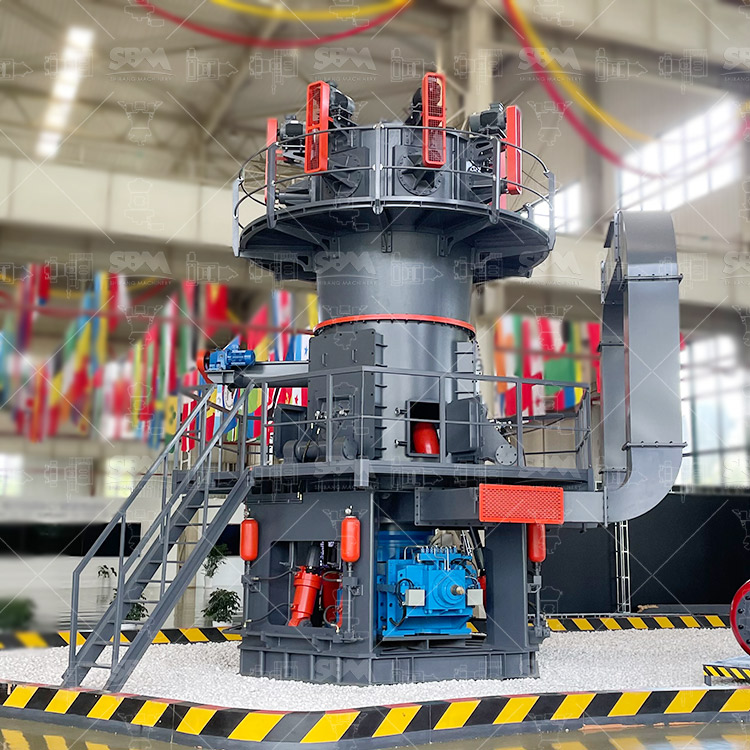
We highly recommend our flagship SCM Ultrafine Mill for superfine grinding of aluminum hydroxide. This mill is engineered to overcome the specific challenges posed by materials like Al(OH)3:
- Precision Grinding & Classification: It employs a multi-layer grinding ring and roller system for progressive size reduction. The integrated vertical turbine classifier provides extremely sharp particle size cuts, ensuring a uniform final product with no coarse grit (D97 down to 5μm/2500 mesh). This is critical for high-value applications.
- Minimal Contamination & Heat Generation: The grinding elements can be lined with wear-resistant, non-metallic materials. The grinding principle generates less heat than impact mills, and the large volume of air flowing through the system acts as a coolant, protecting the Al(OH)3 from dehydration.
- High Efficiency & Energy Savings: Compared to traditional jet mills, the SCM Ultrafine Mill offers approximately double the capacity while reducing energy consumption by up to 30%. Its intelligent control system automatically adjusts operational parameters to maintain target fineness.
- Robust & Clean Operation: Featuring a bearingless screw grinding cavity for stability and special alloy rollers/rings for extended life, it ensures continuous production. The system is sealed and equipped with high-efficiency pulse dust collectors, guaranteeing an environmentally friendly process with dust emissions meeting international standards and noise levels below 75dB.
With models like the SCM800 (0.5-4.5 t/h) to the large-scale SCM1680 (5-25 t/h), it can be scaled to match any production requirement for ultra-fine aluminum hydroxide.
Conclusion and Recommendation
The “best” mill for grinding aluminum hydroxide is not a single machine but the optimal technology matched to your specific product specifications and production goals.
- For Coarse to Medium-Fine Grinding (30-325 mesh): Our MTW Series Trapezium Mill or LM Vertical Roller Mill offer exceptional efficiency, reliability, and low operating costs. The LM series, with its集约化设计 (intensive design) and potential for 30-40% lower energy consumption compared to ball mills, is particularly compelling for large-volume operations.
- For Fine to Ultra-Fine Grinding (325-2500 mesh): Our SCM Ultrafine Mill is the superior choice. Its ability to deliver a contamination-free, thermally controlled, and precisely classified ultra-fine powder makes it the ideal solution for producing high-performance aluminum hydroxide for the most demanding applications.
Investing in the right grinding technology from the start optimizes product quality, maximizes throughput, and minimizes total cost of ownership. We invite you to consult with our technical team to analyze your aluminum hydroxide grinding needs and tailor a solution featuring our SCM or LM/MTW series mills for optimal results.