What is the Best Equipment for Crushing Stone?
Introduction: The Quest for Optimal Stone Crushing
In the vast world of mining, construction, and industrial mineral processing, the question of selecting the best equipment for crushing stone is paramount. The “best” solution is never a one-size-fits-all answer; it is a carefully engineered match between the raw material properties, the desired final product specifications, and the operational goals of efficiency, cost, and sustainability. Stone crushing is a multi-stage process, often beginning with primary jaw or impact crushers to reduce large rocks to manageable sizes, followed by secondary and tertiary crushing stages, and frequently culminating in a grinding or milling phase to achieve the required fineness for applications like concrete, asphalt, or industrial powders.
This article will explore the critical factors in equipment selection and delve into the various grinding and milling technologies that represent the final, and often most technologically intensive, stage of stone size reduction. We will highlight how modern engineering has evolved to meet the demands for higher precision, greater energy efficiency, and stricter environmental standards.
Key Factors in Selecting Crushing and Grinding Equipment
Before choosing equipment, several fundamental parameters must be defined:
- Feed Material Characteristics: Hardness (Mohs scale), abrasiveness, moisture content, and initial size distribution.
- Required Product Specifications: Target particle size (often measured in mesh or microns), particle shape, and production capacity (tons per hour).
- Operational Considerations: Energy consumption, wear part longevity, maintenance complexity, footprint, and noise levels.
- Economic and Environmental Factors: Total cost of ownership (initial investment, operating cost, maintenance), dust control, and emissions.
For coarse to medium crushing, equipment like jaw crushers, cone crushers, and impact crushers dominate. However, for producing fine and ultra-fine powders (typically below 5mm), specialized grinding mills become essential. The evolution from traditional ball mills to more efficient vertical roller mills, trapezium mills, and ultra-fine grinding systems marks a significant leap in processing technology.
The Evolution of Fine Grinding Technology
The journey from crushed stone to fine powder has been revolutionized by several core milling principles. The traditional Ball Mill operates on the principle of impact and attrition as grinding media (steel balls) cascade inside a rotating cylinder. While versatile and capable of very fine grinding, ball mills are often criticized for high energy consumption (much energy is wasted on rotating the heavy drum and media) and significant heat generation.
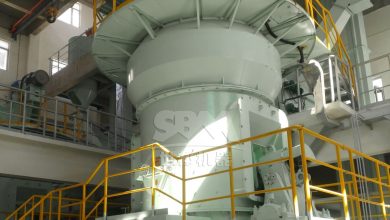
The introduction of Vertical Roller Mills (VRM) and related technologies marked a turning point. These mills employ a bed-compaction principle where material is ground between a rotating table and rollers. This method is inherently more energy-efficient as it directly applies pressure to the material bed rather than relying on kinetic energy of tumbling media. VRMs also integrate drying, grinding, and classification in a single compact unit, reducing plant footprint and auxiliary equipment needs.
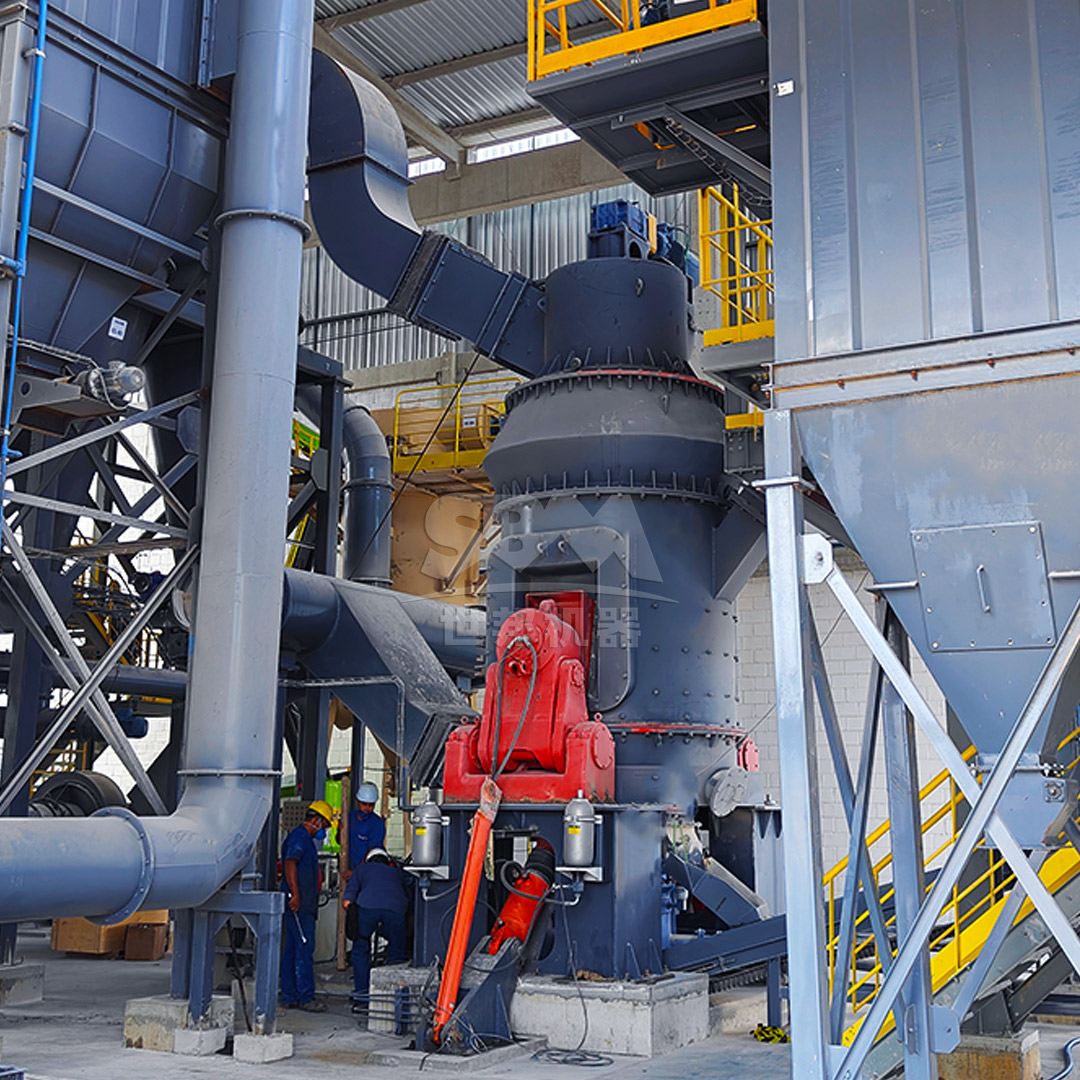
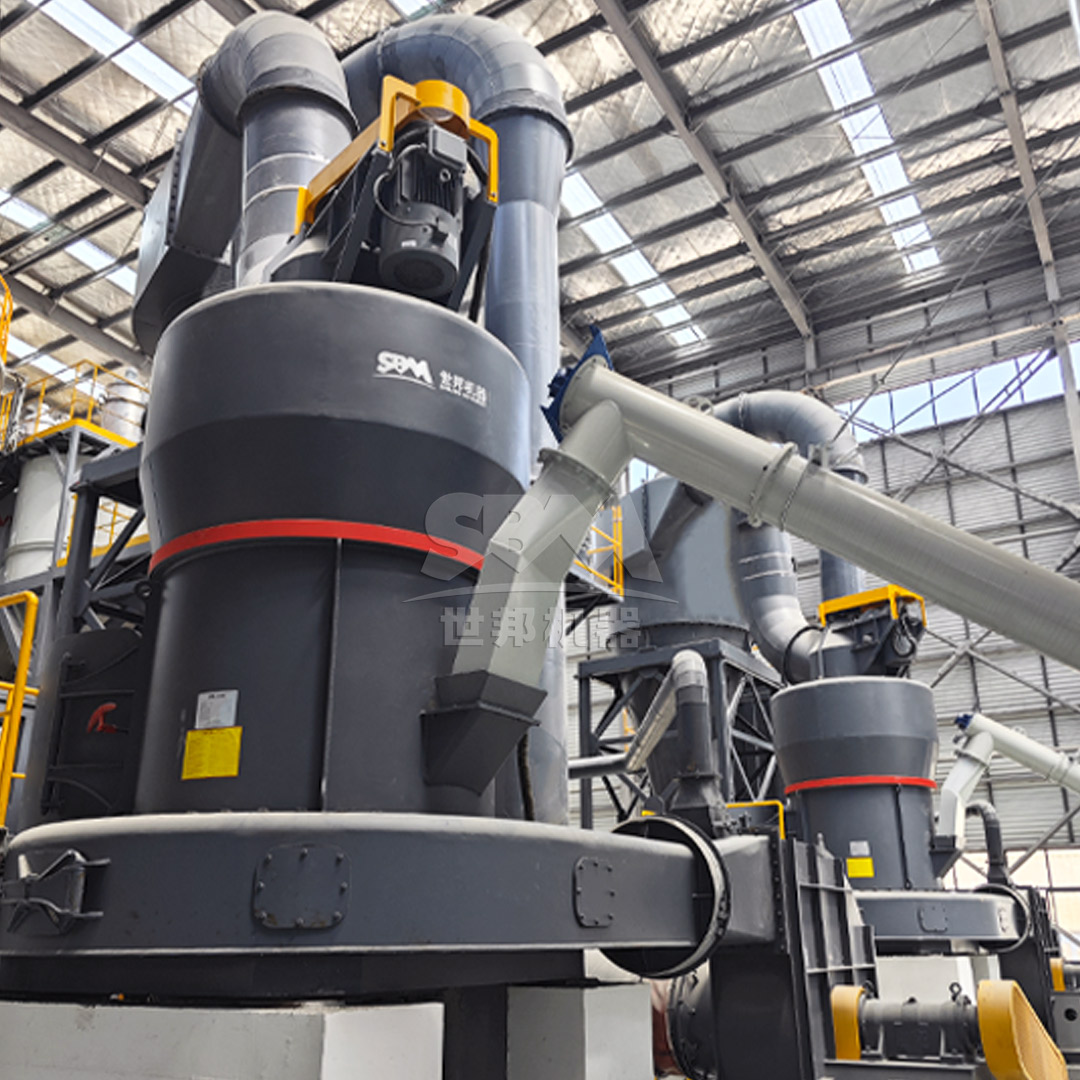
Further advancements led to specialized mills for specific fineness ranges. Trapezium Mills (like the MTW series) improved upon older Raymond mill designs with more efficient curved air ducts, geared transmission, and wear-resistant components, making them excellent for producing powders in the 30-325 mesh range. For the most demanding applications requiring sub-10-micron products, Ultra-fine Grinding Mills were developed, incorporating advanced classifying systems to achieve precise particle size cuts.
Spotlight on Advanced Solutions: SCM Ultrafine Mill and MTW Trapezium Mill
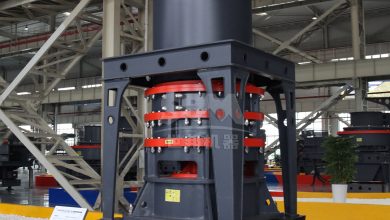
In the competitive landscape of grinding technology, certain product lines stand out for their engineered excellence. For operations requiring the finest possible powders from stone-derived materials like calcium carbonate, talc, or barite, the SCM Series Ultrafine Mill represents a pinnacle of performance.
This mill is engineered to produce powders ranging from 325 to an impressive 2500 mesh (D97 ≤ 5μm). Its core advantages address the critical pain points of ultra-fine processing. It boasts high efficiency and energy savings, delivering up to twice the capacity of jet mills while reducing energy consumption by 30%. This is achieved through an intelligent control system that provides automatic feedback on product fineness. The heart of its precision is a high-accuracy vertical turbine classifier that ensures sharp particle size cuts with no coarse powder contamination, guaranteeing a uniform final product.
Durability is another cornerstone. The use of special material rollers and grinding rings extends service life significantly, while an innovative bearing-less screw design in the grinding chamber enhances operational stability. Furthermore, it doesn’t compromise on environmental responsibility, featuring a pulse dust collection system exceeding international standards and a soundproofing design that keeps noise levels at or below 75dB. With models like the SCM1000 (1.0-8.5 ton/h capacity) to the large-scale SCM1680 (5.0-25 ton/h capacity), it offers a scalable solution for high-value fine powder production.
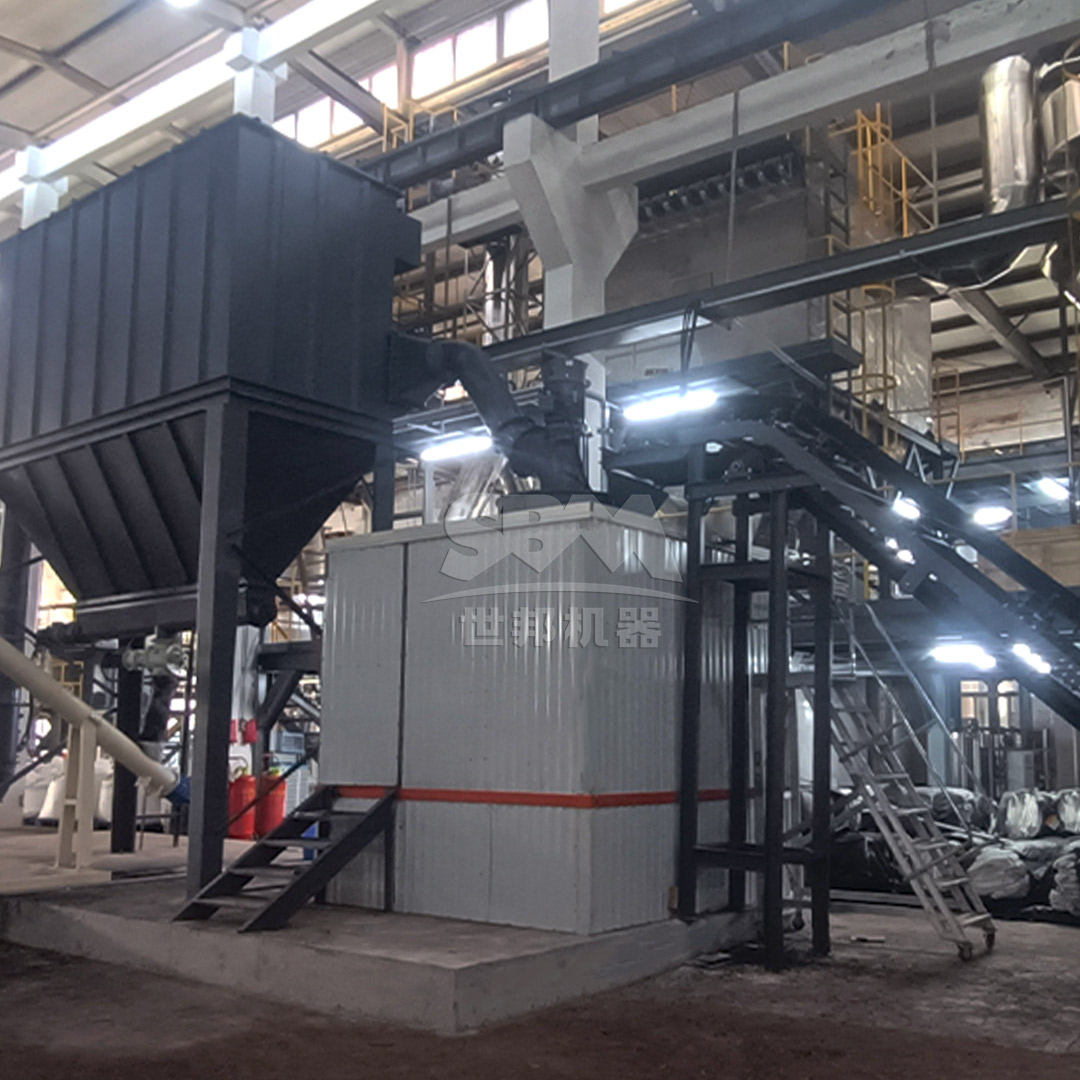
For high-capacity production of fine to medium powders, the MTW Series Trapezium Mill is a robust and intelligent choice. Designed to handle feed sizes up to 50mm and produce outputs from 30 to 325 mesh, it is ideal for processing limestone, dolomite, and other medium-hard stones for construction and industrial fillers.
Its technological strengths are focused on reliability and cost-effectiveness. The wear-resistant shovel blade design features combined blade segments that lower maintenance costs. Its curved air duct is optimized to reduce air flow resistance and energy loss, improving transmission efficiency. A key innovation is its integral cone gear transmission, which achieves a remarkable 98% transmission efficiency, saving space and installation costs. Models range from the MTW110 (3-10 ton/h) to the high-output MTW215G (15-45 ton/h), making it a versatile workhorse for large-scale projects.
Conclusion: Defining “Best” in a Context-Driven Industry
So, what is the best equipment for crushing stone? The answer lies in a systematic analysis. For final grinding stages, the trend is unequivocally towards more efficient, integrated, and intelligent systems like vertical roller mills and advanced trapezium mills. The “best” equipment minimizes specific energy consumption (kWh/ton), maximizes availability through durable design, ensures product quality via precise classification, and operates within modern environmental and acoustic guidelines.
Technologies like the SCM Ultrafine Mill for ultra-fine applications and the MTW Trapezium Mill for high-volume fine grinding exemplify this direction. They move beyond simple crushing to offer controlled, efficient, and sustainable transformation of stone into valuable engineered powders. Ultimately, the optimal choice is a partner technology that aligns with your specific material, capacity, and quality goals while delivering a lower total cost of operation over its lifecycle.