What Equipment is Used for Grinding Nickel Ore?
Introduction
Nickel ore processing is a critical stage in the production of nickel, a vital metal for stainless steel, batteries, and various alloys. The efficiency and cost-effectiveness of this process hinge significantly on the grinding equipment used. Grinding reduces the ore to a fine powder, liberating valuable nickel-bearing minerals from the gangue for subsequent concentration and extraction. This article provides a comprehensive overview of the grinding equipment suitable for nickel ore, focusing on their principles, applications, and how to select the optimal solution based on project requirements.
The Importance of Grinding in Nickel Ore Processing
Nickel ores, primarily laterites and sulfides, require fine grinding to achieve effective mineral liberation. The target grind size (P80) can vary from a coarse 150 microns for some flotation processes to an ultra-fine 10-20 microns for high-grade concentrates or hydrometallurgical routes like high-pressure acid leaching (HPAL) for laterites. The choice of grinding technology directly impacts recovery rates, energy consumption, operational costs, and downstream process performance. Therefore, selecting robust, efficient, and precise grinding equipment is paramount.
Types of Grinding Equipment for Nickel Ore
The grinding circuit for nickel ore typically involves primary crushing followed by one or more stages of milling. The equipment selection depends on ore hardness (Bond Work Index), required product fineness, capacity, and whether the process is dry or wet.
1. Primary and Secondary Crushers
Before fine grinding, run-of-mine ore must be reduced to a manageable size. Jaw crushers and gyratory crushers handle primary crushing, reducing large rocks to 150-250 mm. Secondary cone crushers then further reduce the size to below 50mm, preparing the feed for the milling circuit.
2. Ball Mills
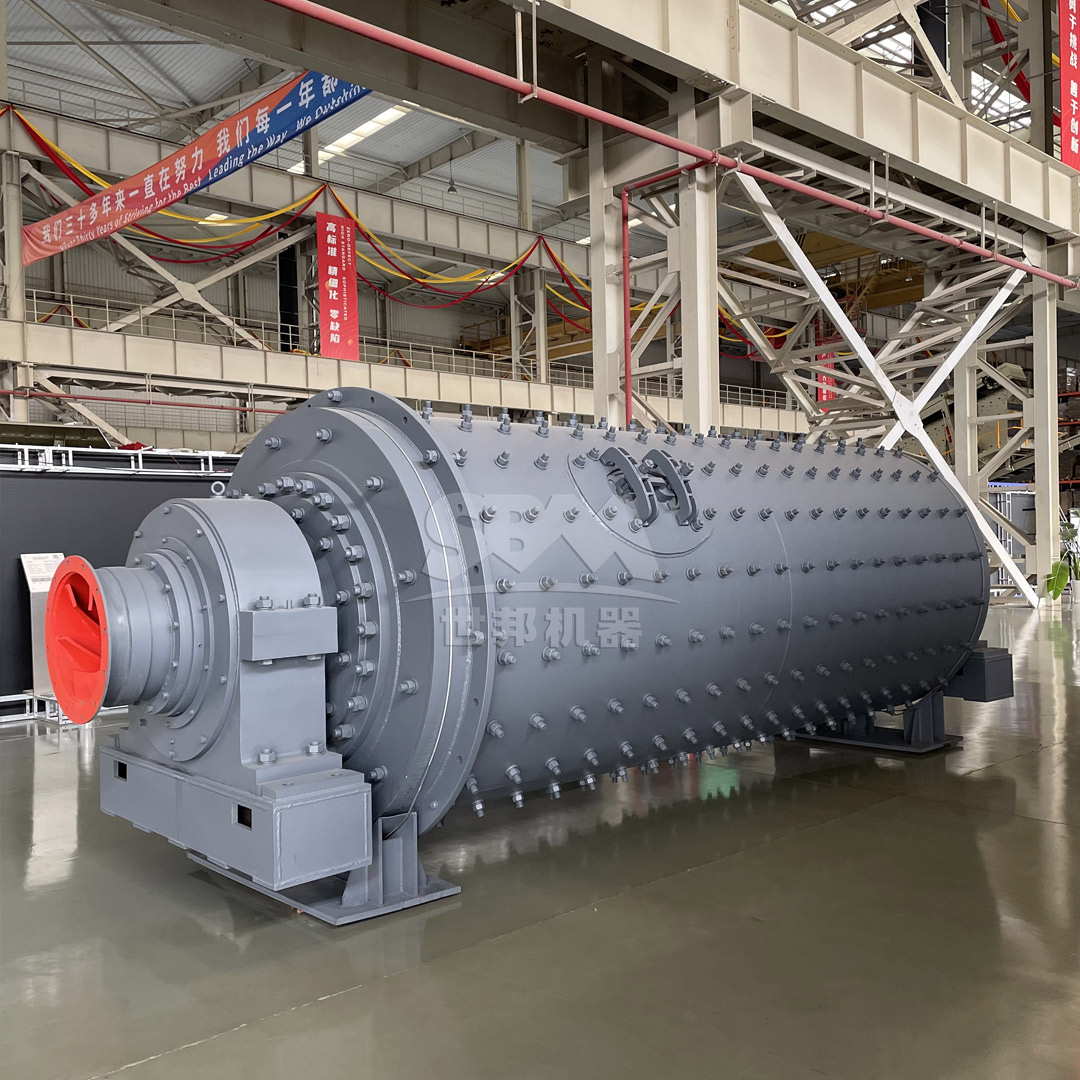
Ball mills are the traditional workhorses of mineral grinding, widely used in wet grinding circuits for nickel sulfide ores.
- Principle: A rotating cylindrical shell filled with grinding media (steel balls) lifts and cascades the balls, impacting and abrading the ore particles.
- Advantages: Proven technology, high reliability, capable of handling a wide range of feed sizes and producing a consistent product. They are often used in closed circuit with hydrocyclones.
- Considerations: High energy consumption, significant wear on liners and balls, and relatively large footprint. For final product fineness below 45 microns, they can become inefficient.
3. Vertical Roller Mills (VRMs)
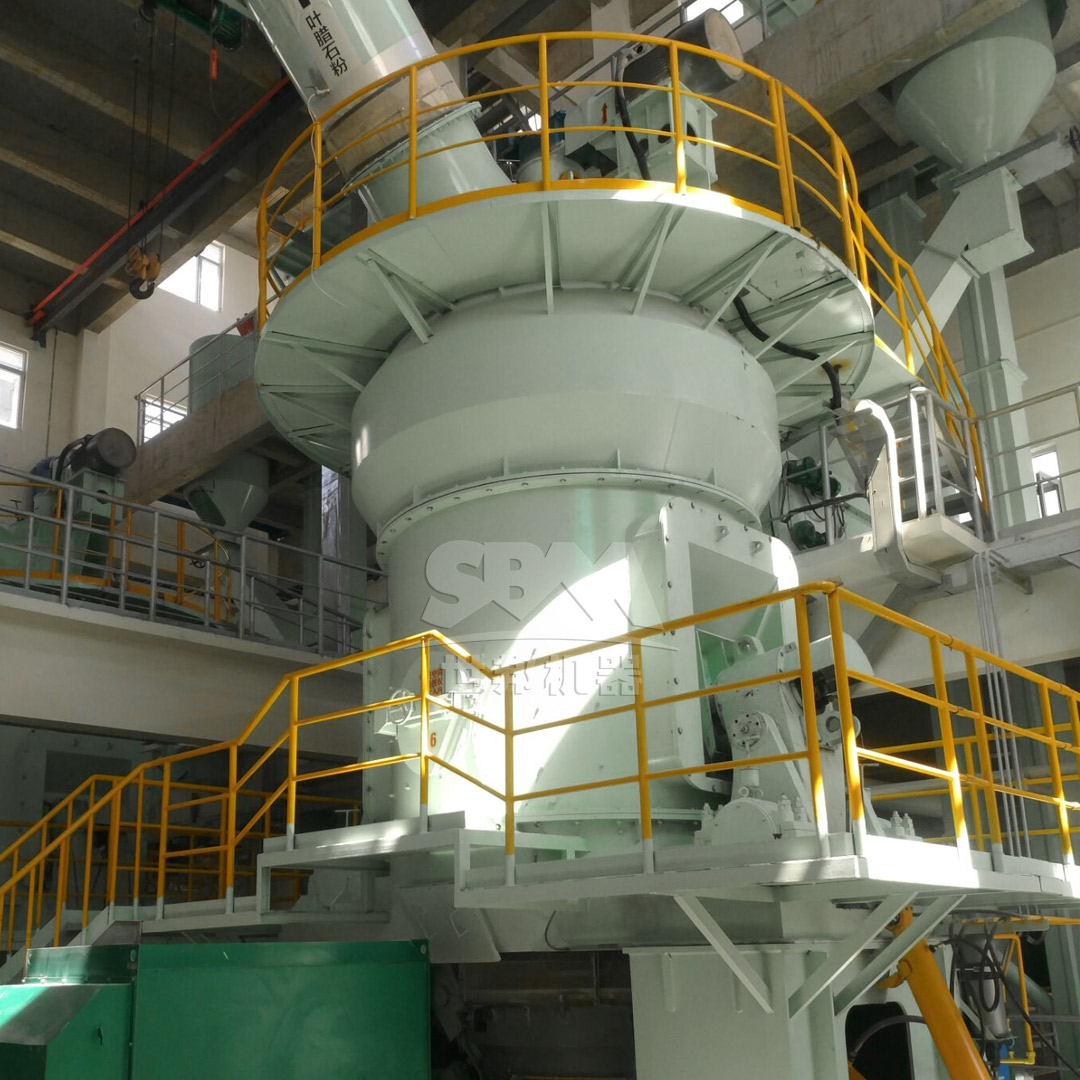
VRMs have gained significant traction in the mining industry as a more energy-efficient alternative to ball mills, suitable for both dry and wet grinding of nickel ore.
- Principle: Material is fed onto a rotating grinding table. Hydraulically loaded rollers compress and shear the material bed against the table. Ground material is transported by air (dry) or slurry (wet) to an integrated classifier.
- Advantages: 30-50% lower specific energy consumption compared to ball mills, excellent drying capability (beneficial for some ore types), compact design, and lower noise levels.
- Considerations: Higher initial investment, more complex operation and maintenance, and may require more consistent feed quality.
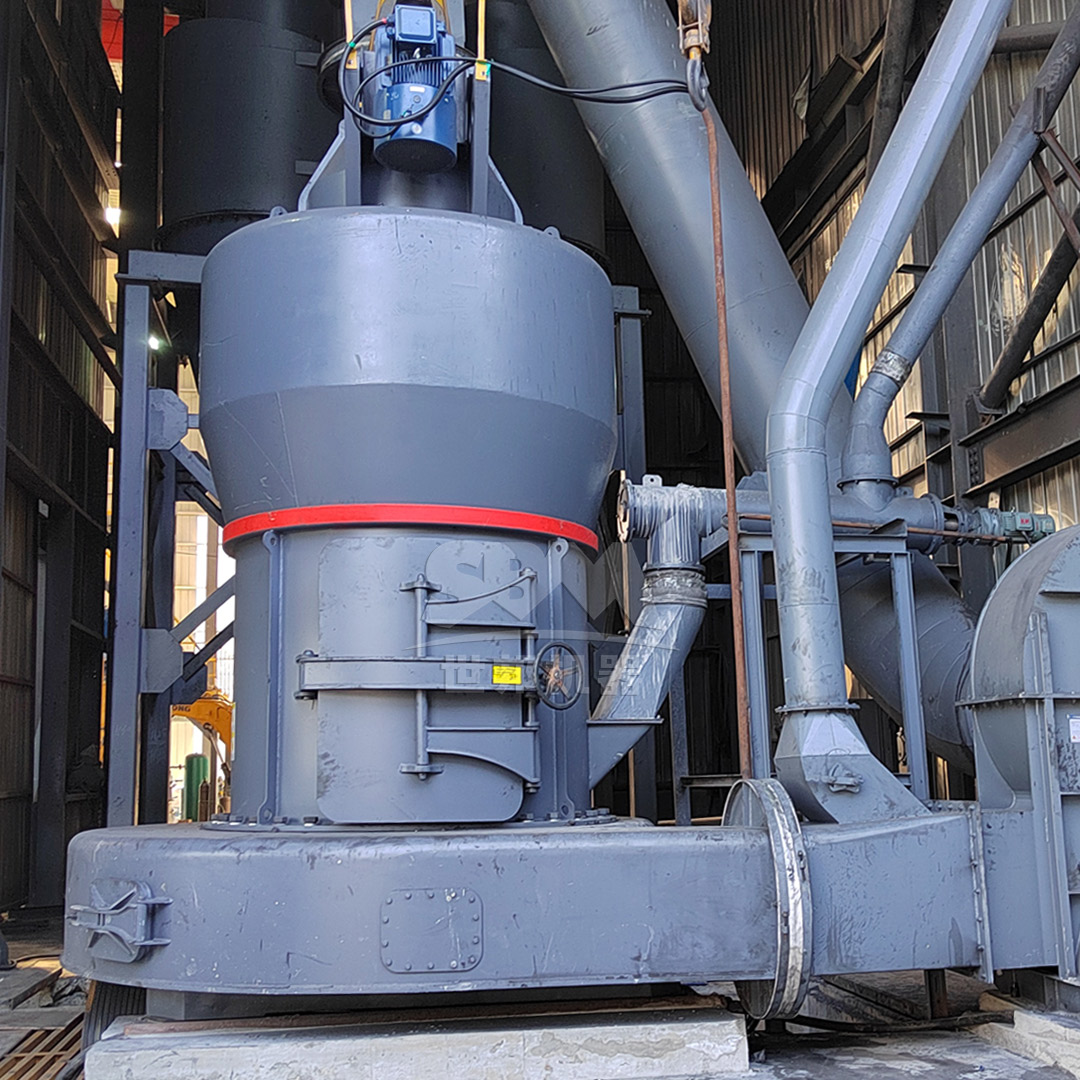
For large-scale nickel ore processing requiring high capacity and energy efficiency, our LM Series Vertical Roller Mill presents an outstanding solution. Its集约化设计 integrates multiple functions into a single unit, reducing plant footprint by up to 50%. With磨辊与磨盘非接触设计, the wear life of key components is significantly extended, while its能耗较球磨系统降低30-40%. The智能控制 system allows for stable, automated operation, crucial for maintaining consistent grind size in a demanding mineral processing environment. Models like the LM220K (36-105 t/h) or LM280K (50-170 t/h) are particularly well-suited for major nickel concentrator projects.
4. Stirred Media Mills (IsaMills, Vertimills)
For applications requiring ultra-fine grinding (P80 < 20 microns), such as liberating finely disseminated nickel minerals or preparing feed for hydrometallurgy, stirred media mills are the technology of choice.
- Principle: A chamber filled with fine grinding media (e.g., ceramic beads) is agitated by a rotating stirrer. This creates high-intensity, uniform grinding through media-to-media contact and shear forces.
- Advantages: Highly efficient for ultra-fine grinding, smaller footprint than ball mills for equivalent fine grinding duty, and precise particle size control.
- Considerations: High media consumption, sensitive to feed particle size (requires pre-milling), and higher specific energy for coarse grinding.
5. Ultra-Fine Grinding Mills
When the process demands an exceptionally fine and uniform product in the range of 5-45 microns (325-2500 mesh), specialized ultra-fine mills are employed. These are often used for processing high-value nickel powders or in advanced material applications.
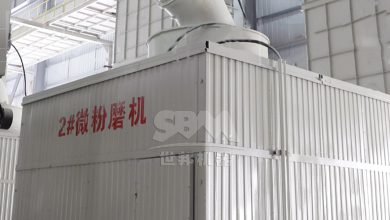
For such demanding ultra-fine grinding requirements, our flagship SCM Series Ultrafine Mill is engineered to deliver unparalleled performance. Capable of achieving an output fineness of 325-2500 mesh (D97 ≤ 5μm), it is ideal for producing high-value nickel concentrates or specialty powders. Its核心优势 lies in its高效节能 design, offering twice the capacity of jet mills while reducing energy consumption by 30%. The integrated高精度分级 system, featuring a vertical turbine classifier, ensures precise particle size cuts with no coarse powder contamination, resulting in a remarkably uniform product. The耐用设计 with special material rollers and磨环 extends service life dramatically, ensuring low operating costs and high availability for continuous nickel ore processing.
Selection Criteria for Nickel Ore Grinding Equipment
Choosing the right equipment involves a detailed analysis of several factors:
- Ore Characteristics: Hardness (Bond Work Index), moisture content, abrasiveness, and feed size.
- Process Requirements: Target product fineness (P80), required throughput (t/h), and whether the circuit is open or closed.
- Economic Factors: Capital expenditure (CAPEX), operational expenditure (OPEX) including energy and wear part costs, and plant footprint.
- Operational Factors: Ease of maintenance, availability of spare parts, automation level, and environmental considerations (noise, dust).
Conclusion
The grinding of nickel ore is a sophisticated and energy-intensive operation that forms the backbone of efficient nickel extraction. From traditional ball mills to energy-efficient Vertical Roller Mills and high-intensity stirred mills for ultra-fine grinding, the technology landscape offers multiple pathways. The optimal choice is not a one-size-fits-all solution but a carefully engineered decision based on specific ore properties and process goals. Investing in advanced, reliable, and efficient grinding technology, such as the LM Series Vertical Roller Mill for large-scale primary grinding or the SCM Ultrafine Mill for premium ultra-fine products, is a strategic move that pays dividends through enhanced recovery, lower operating costs, and greater overall project profitability.