What Are the Uses of Coal Gangue Ultrafine Powder?
Introduction
Coal gangue, a solid waste generated during coal mining and washing, has long been a significant environmental and economic challenge for the mining industry. Traditionally considered a useless byproduct, it occupies vast land areas and poses risks of spontaneous combustion and soil/water contamination. However, with advancements in processing technology, particularly ultrafine grinding, coal gangue is being transformed from a liability into a valuable resource. Ultrafine powder, typically defined as particles with a diameter below 10 micrometers (often reaching 325-2500 mesh or 45-5μm), unlocks the latent potential within coal gangue’s complex mineralogy. This article explores the diverse and high-value applications of coal gangue ultrafine powder and the critical role of advanced milling equipment in its production.
Composition and Activation through Ultrafine Grinding
Coal gangue primarily consists of clay minerals (like kaolinite and illite), carbonaceous material, quartz, and various metal oxides. In its raw, coarse form, its reactivity and performance are limited. The process of ultrafine grinding achieves several key transformations:
- Increased Surface Area and Activity: Reducing particle size exponentially increases the specific surface area, exposing more active sites. This dramatically enhances its pozzolanic activity (ability to react with calcium hydroxide) and chemical reactivity.
- Improved Homogeneity: Fine grinding ensures a more uniform distribution of different mineral components, leading to consistent performance in final products.
- Modified Physical Properties: Ultrafine powder exhibits improved packing density, suspension stability, and binding characteristics.
The quality of the ultrafine powder—its fineness, particle size distribution, and purity—is directly dependent on the grinding technology employed. This is where selecting the right industrial mill becomes paramount.
High-Value Applications of Coal Gangue Ultrafine Powder
1. Building Materials and Construction
This is the largest and most mature application sector, offering a direct path for bulk utilization.
- High-Performance Cementitious Materials: Ultrafine coal gangue powder is an excellent supplementary cementitious material (SCM). Its high reactivity allows it to partially replace cement (20-40%) in concrete, reducing CO2 emissions and cost while improving long-term strength and durability due to pore refinement and secondary hydration reactions.
- Autoclaved Aerated Concrete (AAC): The silica and alumina in the powder react with lime under high-pressure steam, forming strong calcium silicate hydrates. It serves as both a silica-rich material and a micro-aggregate, enhancing the strength and reducing the density of AAC blocks.
- Geopolymer Precursors: Activated by alkaline solutions, the aluminosilicate minerals in gangue powder can polymerize to form geopolymers—cement-free binders with excellent mechanical properties and resistance to fire and chemicals.
- Functional Fillers: In paints, coatings, and polymer composites, treated gangue ultrafine powder can act as a low-cost, functional filler, improving mechanical properties, flame retardancy, and weatherability.
2. Agriculture and Soil Amendment
The mineral content of coal gangue powder can be beneficial for soil health.
- Soil Conditioner: It can improve the structure of sandy soils, increase water retention, and provide slow-release silicon, potassium, and trace elements.
- Carrier for Fertilizers and Pesticides: Its high porosity and adsorption capacity make it an effective carrier for controlled-release fertilizers and pesticides, improving efficiency and reducing environmental runoff.
3. Environmental Remediation
The adsorptive properties of ultrafine gangue, especially after thermal or chemical activation, are harnessed for environmental cleanup.
- Wastewater Treatment: It can adsorb heavy metal ions (e.g., Pb²⁺, Cd²⁺, Cu²⁺), dyes, and organic pollutants from industrial wastewater. Its effectiveness is often enhanced by modifying its surface.
- Flue Gas Desulfurization: Certain gangue types, rich in alkaline components like CaO, can be processed into sorbents for capturing sulfur dioxide (SO₂) from exhaust gases.
4. Advanced Materials and Chemicals
This represents the frontier of high-value utilization, often involving further chemical processing of the powder.
- Zeolite Synthesis: Coal gangue rich in kaolinite is an ideal low-cost raw material for synthesizing zeolites (molecular sieves) through hydrothermal reactions. These zeolites are used in catalysis, gas separation, and ion exchange.
- Polyaluminum Chloride (PAC): A key coagulant for water treatment, PAC can be produced by extracting aluminum from gangue powder via acid leaching.
- White Carbon Black (Precipitated Silica): The silica component can be extracted to produce white carbon black, a reinforcing agent for rubber and tires.
- Ceramics and Refractories: Carefully selected and processed gangue powder can be used in the production of ceramic tiles, sanitary ware, and refractory bricks, substituting for traditional clay and silica sources.
The Critical Role of Grinding Technology: Achieving the Desired Ultrafine Powder
The transition from coarse gangue to high-value ultrafine powder is not trivial. It requires mills that offer not just fine grinding capability, but also energy efficiency, precise classification, and system reliability. For applications demanding the finest powders (e.g., high-performance SCMs, advanced fillers), a mill capable of producing 325-2500 mesh (45-5μm) powder with a narrow particle size distribution is essential.
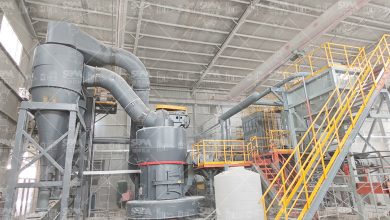
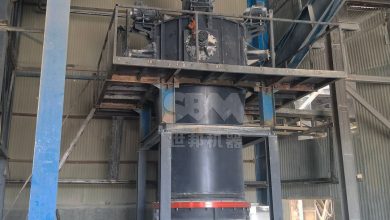
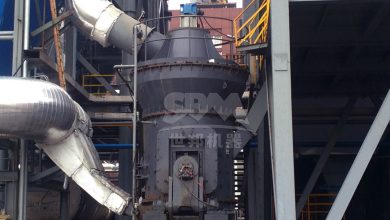
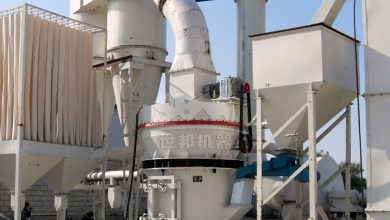
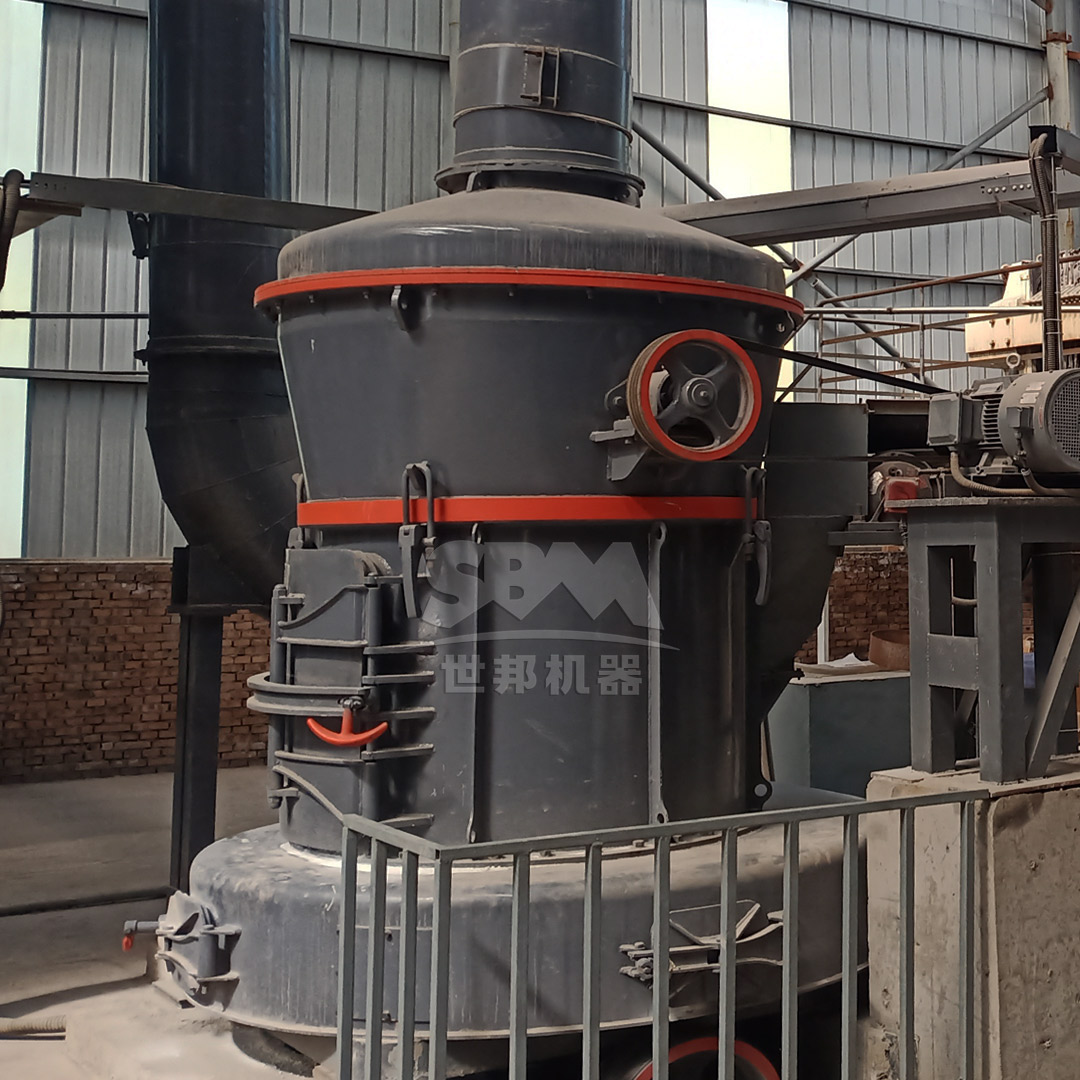
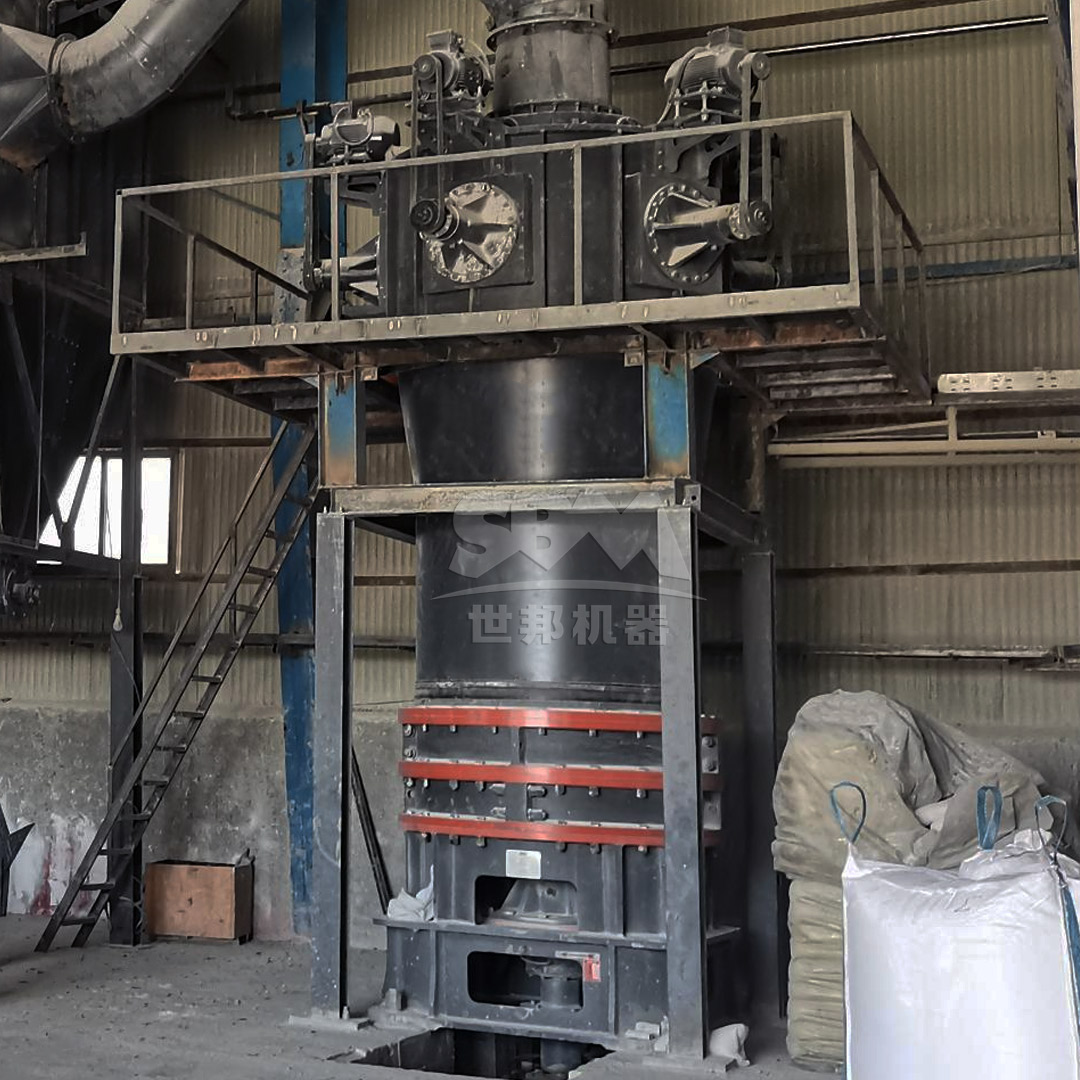
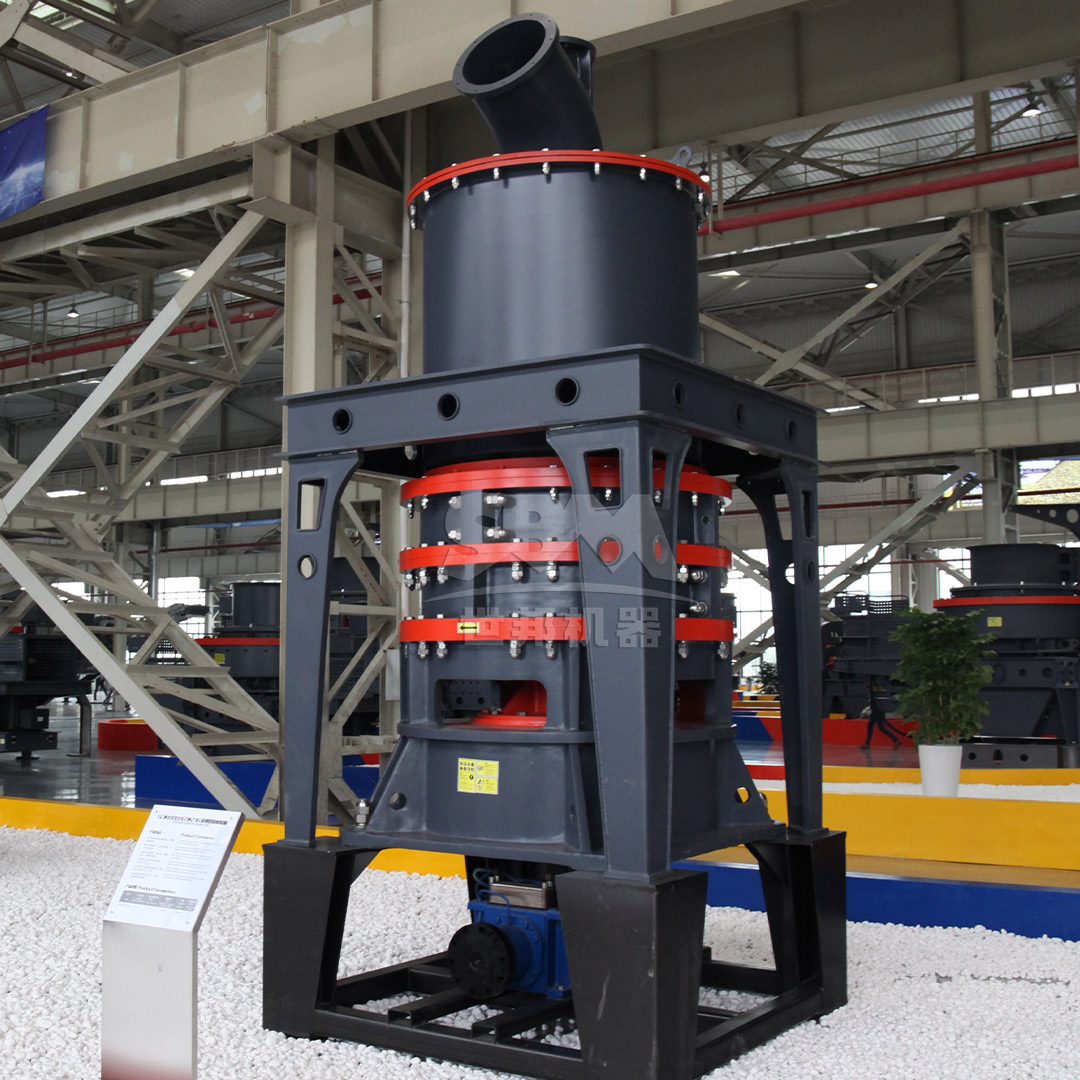
For this purpose, our SCM Series Ultrafine Mill is an exemplary solution. Engineered specifically for producing micron and sub-micron powders, it features a vertical turbine classifier that achieves precise particle size cutting, ensuring no coarse powder mixes into the final product. Its high-efficiency grinding chamber design delivers a capacity twice that of jet mills while consuming 30% less energy. With models like the SCM1000 offering capacities from 1.0 to 8.5 tons per hour and fineness adjustable between 325 and 2500 mesh, it provides the flexibility and performance needed for modern coal gangue valorization plants. Its durable construction with special material rollers and rings, coupled with an eco-friendly pulse dust collection system exceeding international standards, makes it a robust and sustainable choice for large-scale, continuous operation.
Conclusion
The utilization of coal gangue ultrafine powder represents a paradigm shift towards a circular economy in the coal industry. By converting a problematic waste into a versatile raw material for construction, agriculture, environmental protection, and even advanced chemicals, we address both environmental stewardship and economic efficiency. The realization of this potential hinges critically on advanced grinding technology. Equipment like the SCM Series Ultrafine Mill provides the technological backbone, enabling the efficient, consistent, and cost-effective production of the high-quality powder required to drive these innovative applications forward. Investing in the right processing technology is, therefore, the first and most crucial step in unlocking the hidden value within coal gangue.