What Are the Uses of Carbon Black from Tire Pyrolysis?
Introduction: From Waste to Resource
The global challenge of end-of-life tire disposal has spurred the development of sustainable recycling technologies. Among these, tire pyrolysis—the thermal decomposition of tires in an oxygen-limited environment—stands out for its ability to recover valuable materials like fuel oil, steel, and a crucial solid product known as pyrolysis carbon black (CBp). Unlike virgin carbon black produced from fossil fuels, CBp is a recovered material with immense potential across various industries. However, its full value is unlocked only after proper processing to achieve the required fineness, purity, and consistency. This article explores the diverse applications of tire-derived carbon black and highlights the critical role of advanced milling technology in transforming this raw char into a high-value commodity.
Understanding Pyrolysis Carbon Black (CBp)
CBp is the solid carbonaceous residue obtained from the pyrolysis of tires. Its composition and properties differ significantly from virgin carbon black (VCB). While VCB is produced under controlled conditions for specific reinforcement and pigmentation grades, CBp is a heterogeneous mixture containing approximately 70-85% carbon, along with inorganic ash (primarily zinc oxide, silica, and sulfur compounds) and residual hydrocarbons. The initial particle size from pyrolysis reactors is often coarse and agglomerated, limiting its direct usability. Therefore, post-processing through de-agglomeration, milling, and classification is essential to refine CBp into a consistent, functional powder suitable for industrial applications.
Key Applications of Processed Tire Pyrolysis Carbon Black
1. Rubber and Tire Manufacturing (Reinforcing Filler)
This is the most value-adding application for CBp. When processed to the correct particle size and surface activity, CBp can partially replace traditional carbon black (like N330, N550, N660 grades) in various rubber compounds.
- New Tire Components: Used in inner liners, undertreads, and certain carcass compounds where ultra-high reinforcement is not critical. It contributes to cost reduction and improved sustainability profiles for tire manufacturers.
- Non-Tire Rubber Goods: Ideal for products such as conveyor belts, hoses, gaskets, mats, and industrial rubber sheets. Processed CBp enhances tensile strength, abrasion resistance, and durability.
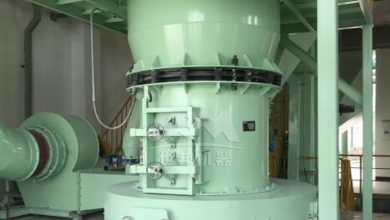
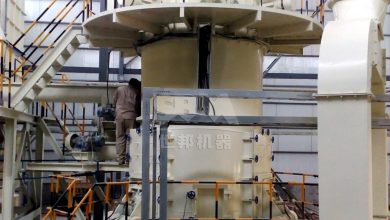
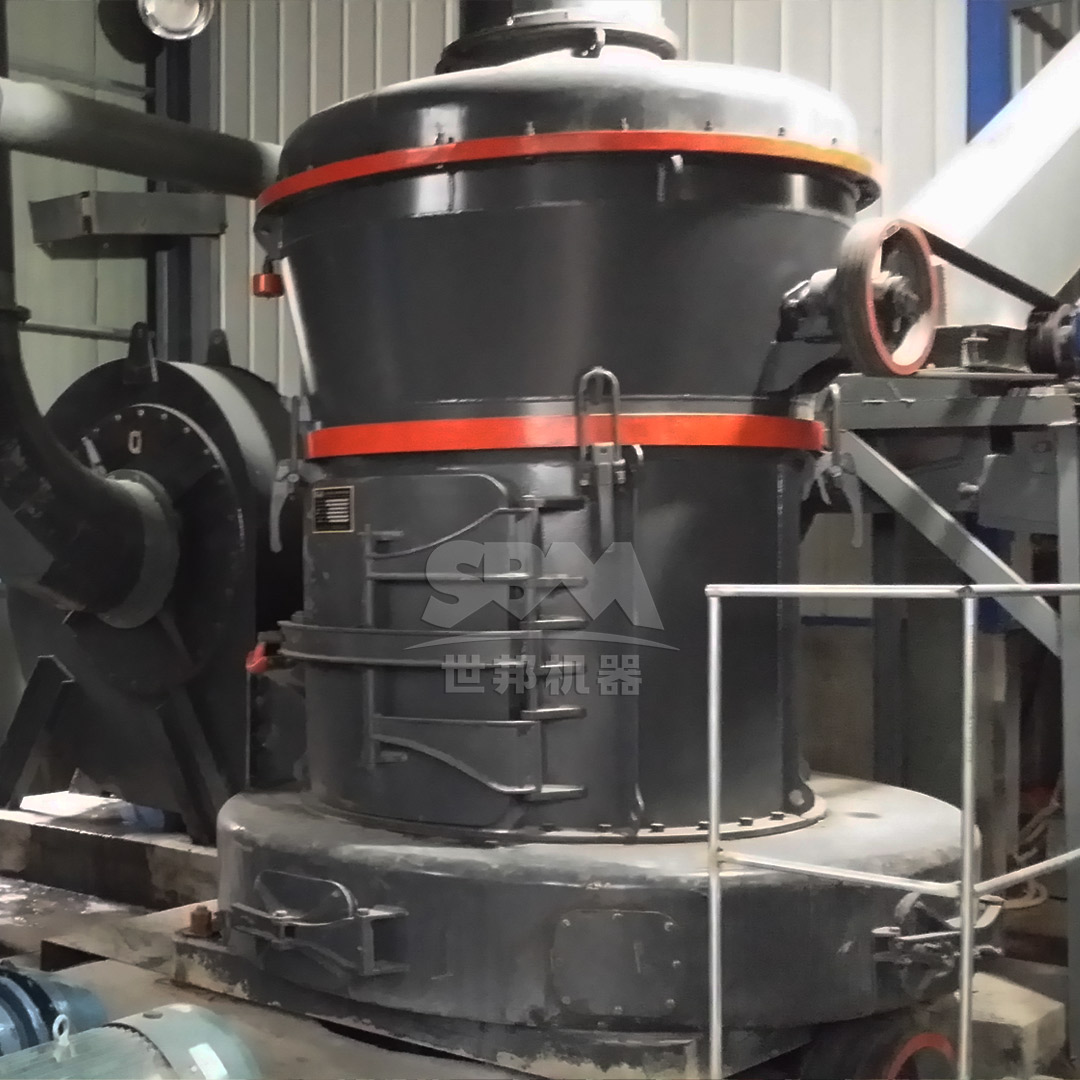
- Technical Challenge & Solution: The key is achieving a fine, consistent particle size with high surface area to ensure good polymer-filler interaction. Our SCM Series Ultrafine Mill is perfectly suited for this task. Its high-precision vertical turbine classifier can produce CBp powders in the range of 325-2500 mesh (45-5μm), ensuring no coarse powder mixing and uniform reinforcement properties. The mill’s high efficiency and 30% lower energy consumption compared to jet mills make the upgrading process both technically superior and economically viable.
2. Plastics and Masterbatch (Coloring and Conductivity)
CBp serves as a functional filler and pigment in plastics.
- Black Masterbatch: Finely ground CBp is an excellent, cost-effective black pigment for polyethylene, polypropylene, and PVC masterbatches used in films, pipes, and injection-molded parts.
- Conductive Plastics: At certain loadings, CBp can create electrically conductive pathways within plastic matrices, used in anti-static packaging, fuel system components, and electronic device housings.
- UV Protection: The carbon particles help absorb UV radiation, enhancing the weatherability of outdoor plastic products.
3. Construction Materials
CBp finds innovative uses in enhancing construction products.
- Asphalt and Road Pavement: Adding processed CBp to asphalt mixes can improve stiffness, rutting resistance, and durability. It also contributes to darker pavement color, which may reduce urban heat island effects.
- Concrete and Cementitious Composites: As a fine filler, it can modify the properties of concrete, potentially improving compressive strength and reducing permeability. Research is ongoing into its use for producing conductive concrete.
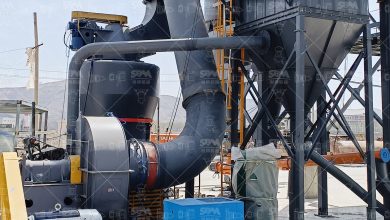
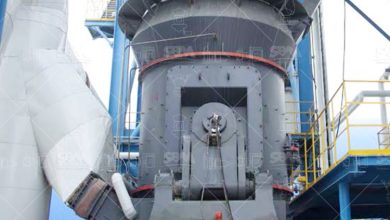
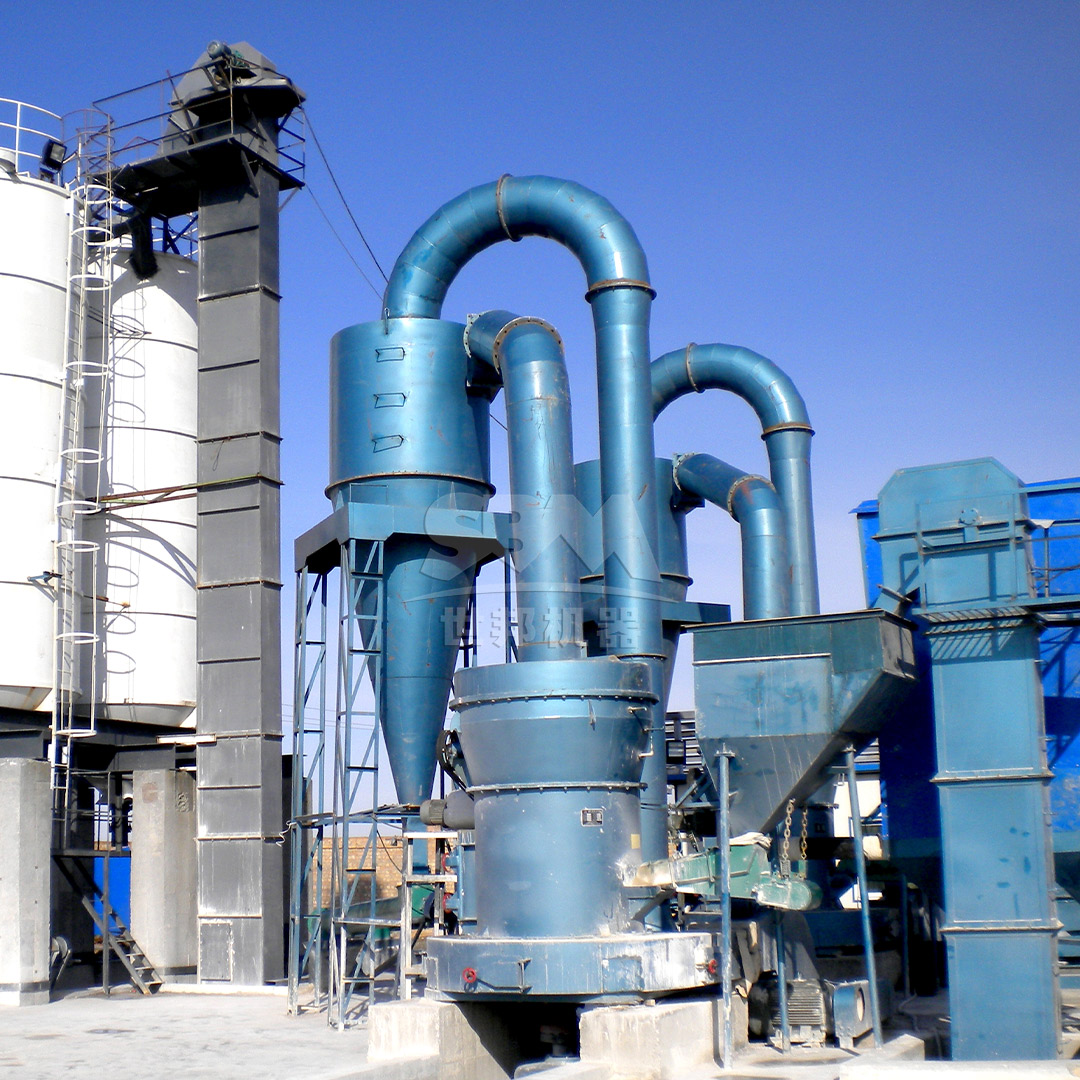
- Technical Challenge & Solution: Construction applications often require larger volumes at a coarser, yet controlled, fineness. For high-capacity production of CBp in the 30-325 mesh range (600-45μm), our MTW Series European Trapezium Mill is an ideal solution. Its anti-wear shovel design and optimized arc air duct ensure reliable, low-maintenance operation with capacities ranging from 3 to 45 tons per hour. The integral bevel gear drive offers 98% transmission efficiency, significantly reducing operational costs for large-scale CBp processing plants.
4. Coatings, Inks, and Paints
Properly micronized and classified CBp is a viable pigment for protective coatings and printing inks.
- Industrial Coatings: Provides color, UV protection, and some reinforcement to industrial paints and anti-corrosion coatings.
- Printing Inks: Used in newsprint, packaging, and other ink formulations requiring a deep black color.
5. Other Niche Applications
- Energy Storage: Research is exploring the use of highly processed and activated CBp as a component in electrodes for supercapacitors and lithium-ion batteries due to its conductive carbon structure.
- Soil Amendment: In agriculture, CBp can be used to improve soil water retention and structure.
The Critical Role of Milling Technology in CBp Valorization
The raw char from a pyrolysis reactor is of low value. Its transformation into a marketable product hinges on efficient size reduction and classification. The milling process must:
- De-agglomerate the tightly bound carbon structures.
- Reduce particle size to a specific, consistent fineness tailored to the target application.
- Minimize contamination from wear parts to keep ash content in check.
- Operate efficiently to ensure the process is economically and environmentally sustainable.
Selecting the right grinding equipment is paramount. The choice depends on the desired final fineness, required capacity, and the need for precise particle size distribution control.
Conclusion: A Sustainable Circular Economy Solution
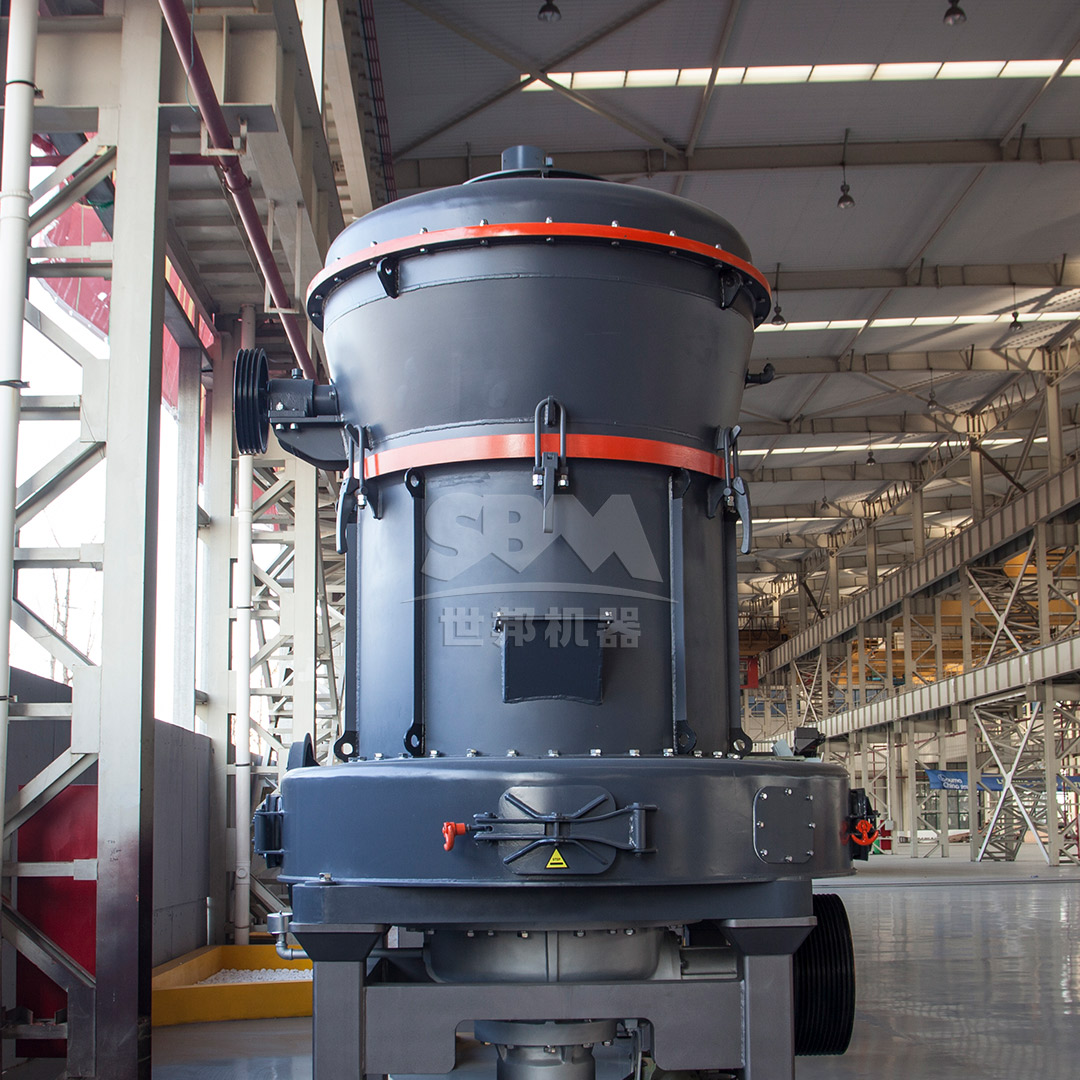
Pyrolysis carbon black is a cornerstone of the circular economy for tires. Its diverse applications in rubber, plastics, construction, and beyond demonstrate that end-of-life tires are a valuable resource, not waste. However, the bridge between raw CBp and high-value markets is built on advanced processing technology. By investing in the right milling and classification systems—such as our SCM Series for ultra-fine applications or the MTW Series for high-volume, coarse grinding—pyrolysis operators can significantly enhance the quality, consistency, and profitability of their carbon black product. This not only improves the economic viability of tire pyrolysis but also contributes substantially to resource conservation and environmental sustainability.