What Are the Requirements for Paper-Grade Calcium Carbonate?
Introduction
Calcium carbonate (CaCO3) is a cornerstone mineral in the paper industry, serving as a filler and coating pigment. Its use enhances paper properties such as brightness, opacity, smoothness, and printability while significantly reducing production costs by replacing more expensive wood pulp. However, not all calcium carbonate is suitable for papermaking. The transition from a mined mineral to a high-performance paper additive demands strict adherence to a complex set of physical, chemical, and morphological requirements. This article delves into the critical specifications for paper-grade calcium carbonate and explores the advanced milling technologies necessary to achieve them.
1. Key Quality Requirements for Paper-Grade Calcium Carbonate
The performance of calcium carbonate in paper is dictated by a multifaceted set of parameters. Producers must meticulously control these characteristics to ensure optimal paper machine runnability and final product quality.
1.1 Particle Size and Distribution
This is arguably the most critical parameter. The particle size distribution (PSD) directly influences light scattering, which controls opacity and brightness.
- Fine Fillers (GCC – Ground Calcium Carbonate): Used primarily as filler within the paper sheet. The target size typically ranges from 0.5 to 2 microns (d50). A narrow, controlled distribution is essential. Excessive fine particles (<0.2 μm) can increase binder demand in coatings and reduce scattering efficiency, while oversized particles (>3 μm) can cause abrasion on paper machine wires and blades, reduce strength, and create print defects.
- Coating Pigments (GCC & PCC – Precipitated Calcium Carbonate): Used on the paper surface. Requires even finer and more carefully engineered particles, often with a d50 below 1 micron. Specific shapes (like scalenohedral PCC) are engineered for superior gloss and ink holdout.
1.2 Brightness and Whiteness
Paper-grade CaCO3 must have exceptionally high brightness to improve the visual appeal of the final paper product. Industry standards typically require a brightness level of 90-96% ISO or higher. This is primarily achieved by using high-purity limestone or marble deposits and employing processing methods that minimize contamination from iron oxides (Fe2O3), manganese, and other colored impurities.
1.3 Chemical Purity
High chemical purity is non-negotiable. Key specifications include:
- CaCO3 Content: Should exceed 98%, often reaching 99%+ for premium grades.
- Silica (SiO2) and Abrasive Minerals: Must be strictly controlled (<0.5% total). Hard, abrasive impurities like quartz can cause excessive wear on expensive paper machine components (e.g., wires, foils, headbox linings) and printing presses.
- Acid Insolubles: A direct measure of non-carbonate impurities; low values are mandatory.
- Moisture Content: Typically must be below 0.5% for dry-filled products to prevent agglomeration and ensure smooth handling.
1.4 Morphology and Surface Area
The shape of the particles influences packing density, viscosity of coating slurries, and bonding with paper fibers. While GCC particles are generally rhombohedral or irregular, a consistent morphology is key. The specific surface area (BET) increases with decreasing particle size. Controlling surface area is vital as it affects the adsorption of retention aids, dyes, and other chemicals in the wet-end of the paper machine.
2. The Critical Role of Grinding Technology
Transforming raw limestone into paper-grade GCC is a technological feat. The choice of grinding system determines the ability to meet the stringent requirements for fineness, PSD, and low abrasiveness. The process must achieve ultra-fine grinding while maintaining low energy consumption, high throughput, and preserving the mineral’s natural brightness.
2.1 Challenges in Producing Paper-Grade GCC
- Energy Intensity: Generating sub-2-micron particles requires significant energy input.
- Heat Generation: Excessive heat during milling can degrade organic dispersants and affect particle surfaces.
- Contamination: Wear from grinding media and liners must be minimized to avoid introducing metallic impurities that affect brightness and paper color.
- Classification Precision: Efficiently separating the correctly sized product from over-size material is crucial for a sharp PSD.
3. Recommended Milling Solutions for Premium GCC Production
Meeting the exacting standards of the paper industry requires advanced, reliable milling equipment. Based on the specific needs for different fineness ranges and production scales, we highlight two superior solutions from our portfolio.
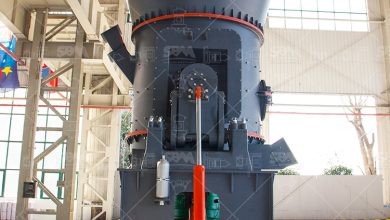
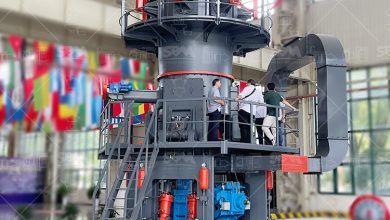
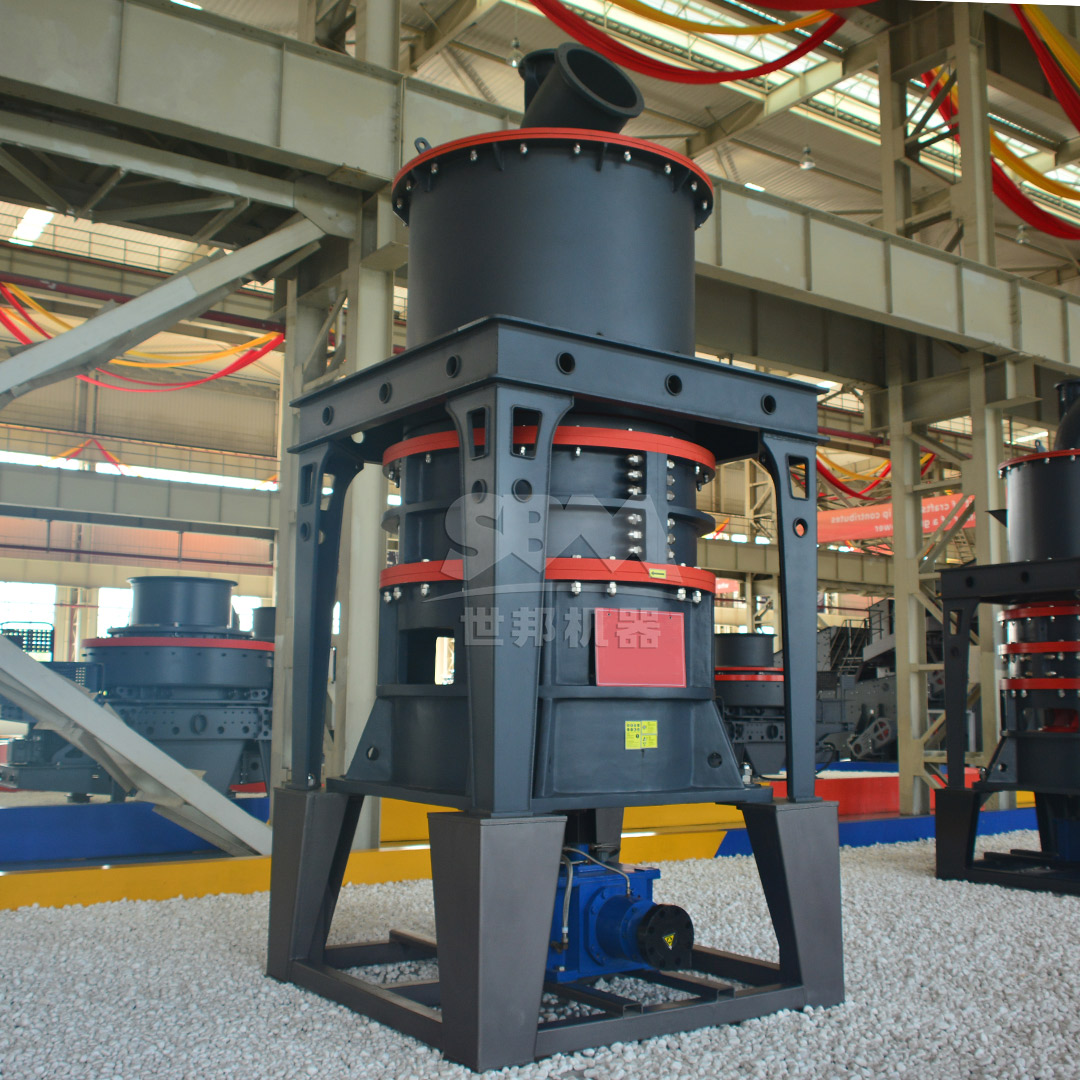
3.1 For Ultra-Fine Grinding (Filler & Coating Grades): SCM Ultrafine Mill
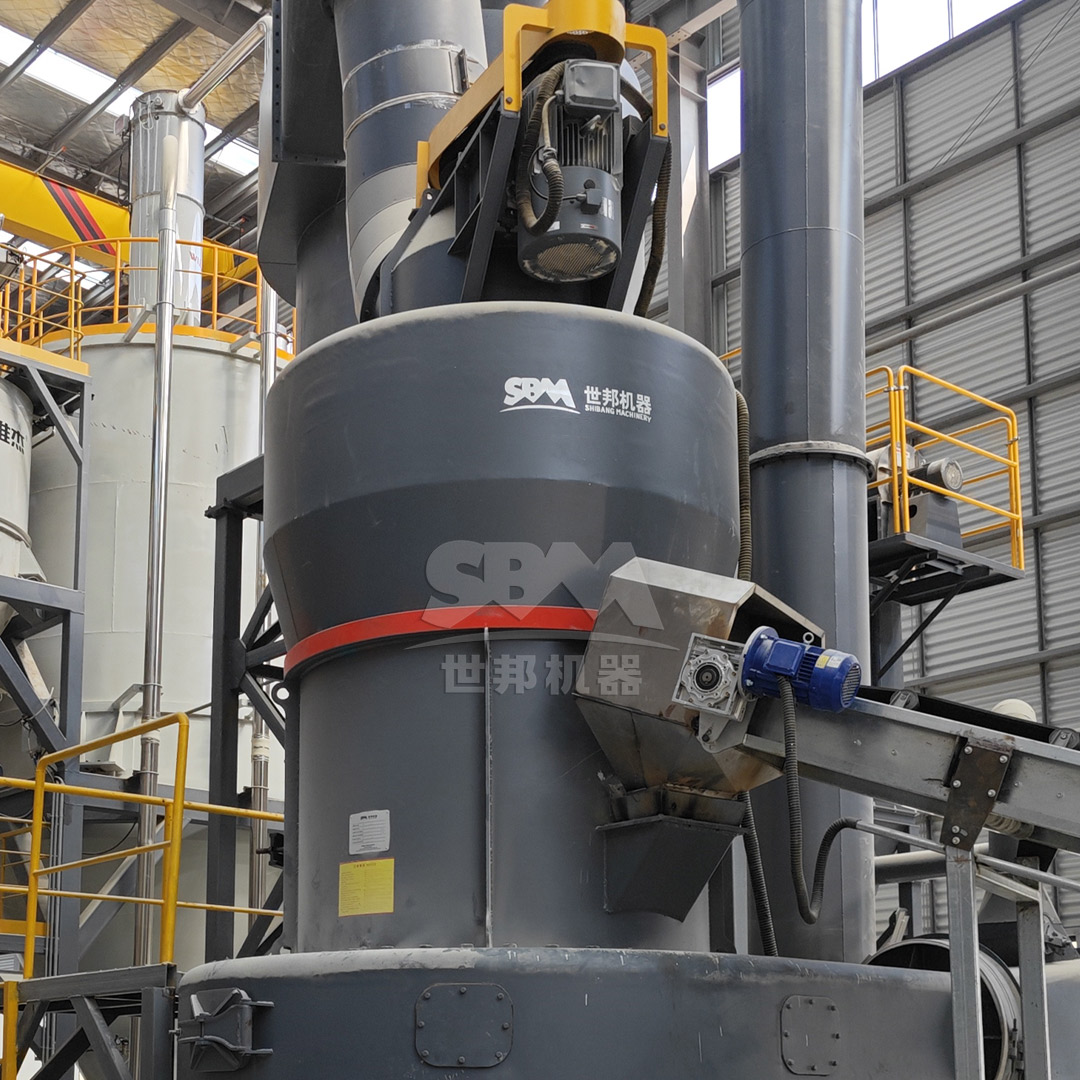
When the target is the production of high-volume, ultra-fine GCC in the range of 325-2500 mesh (D97 ≤5μm), the SCM Ultrafine Mill stands as an industry benchmark. Its design directly addresses the core challenges of GCC production.
- High-Efficiency & Energy Savings: Its innovative grinding chamber and principle deliver a capacity twice that of traditional jet mills while reducing energy consumption by up to 30%. This makes large-scale production of fine fillers economically viable.
- Unmatched Classification Accuracy: The integrated vertical turbine classifier provides precise particle size切割, ensuring a narrow PSD with virtually no coarse particle contamination. This is essential for achieving consistent paper opacity and smoothness.
- Durability & Purity: The use of special alloy materials for rollers and grinding rings extends service life dramatically and minimizes wear-induced contamination, protecting the brightness of the final GCC product.
- Turnkey Environmental Design: With a pulse dust collector exceeding international standards and a noise level below 75dB, the SCM series ensures clean, quiet, and environmentally compliant operation.
For paper mills or GCC producers looking to establish or upgrade their capacity for high-quality filler, the SCM1250 model, with a capacity range of 2.5-14 tons per hour, offers an excellent balance of output and precision for medium to large-scale operations.
3.2 For High-Capacity Pre-Grinding or Coarse-Filler Production: MTW Series Trapezium Mill
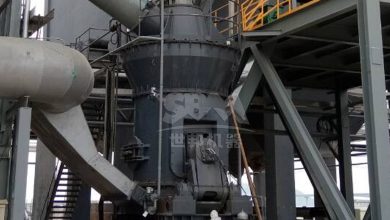
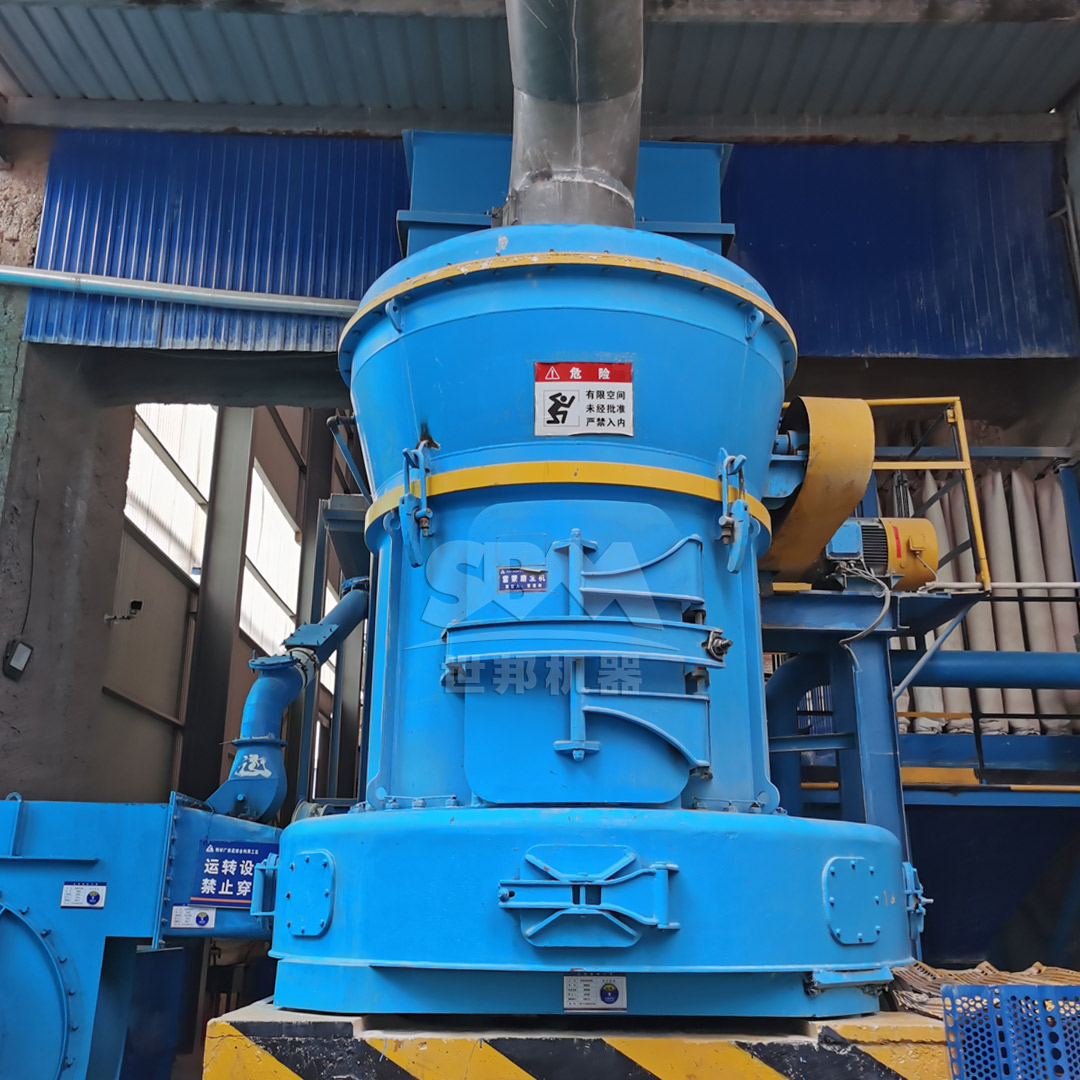
For operations requiring high-volume production of slightly coarser GCC (30-325 mesh), often used as a base filler or as a feed material for further processing, the MTW Series Trapezium Mill is the optimal workhorse.
- Robust and Efficient Design: Its curved air duct and cone gear integral transmission reduce airflow resistance and improve transmission efficiency to 98%, leading to lower operational costs for high-tonnage applications.
- Enhanced Wear Protection: The patented wear-resistant shovel blade and grinding roller design significantly reduce maintenance costs and downtime, ensuring consistent production flow.
- Excellent Stability: The sturdy mechanical structure and advanced grinding curve provide stable output with reliable fineness control, which is critical for consistent papermaking.
The MTW215G model, with an impressive capacity of 15-45 tons per hour, is ideally suited for large-scale GCC plants supplying the paper industry with massive quantities of consistent, quality-ground product.
4. From Grinding to Application: Quality Control
Producing to specification is only the first step. Rigorous quality control is maintained through continuous monitoring using laser particle size analyzers, brightness meters, and chemical analysis. Furthermore, the GCC is often dispersed in slurry form (at ~75% solids) using polyacrylate dispersants to prevent re-agglomeration and facilitate pumping and storage before being shipped to paper mills.
5. Conclusion
The requirements for paper-grade calcium carbonate are precise and demanding, spanning ultrafine particle size, exceptional brightness, high chemical purity, and controlled morphology. Successfully meeting these standards is not merely a matter of having high-purity ore; it is fundamentally dependent on deploying advanced, reliable, and efficient grinding technology. Equipment like the SCM Ultrafine Mill and the MTW Series Trapezium Mill are engineered to overcome the specific challenges of GCC production, enabling manufacturers to deliver the consistent, high-performance mineral products that the global paper industry relies on. Investing in the right milling technology is, therefore, an investment in product quality, operational efficiency, and market competitiveness.