What are the machines for activating coal gangue? Introduction to mechanical activation methods of coal gangue
Introduction
Coal gangue, a solid waste discharged during coal mining and washing, has long been a significant environmental and disposal challenge. However, its potential as a valuable resource in construction materials, such as cementitious additives and lightweight aggregates, is increasingly recognized. The key to unlocking this potential lies in mechanical activation – a process that uses physical force to alter the physicochemical properties of gangue, enhancing its reactivity and pozzolanic activity. This article provides a comprehensive overview of the mechanical activation methods for coal gangue and the specialized machinery designed for this purpose.
The Science of Mechanical Activation
Mechanical activation involves subjecting coal gangue to intense mechanical forces through grinding, impacting, or shearing. This process achieves several critical transformations:
- Particle Size Reduction: Breaking down coarse gangue into fine or ultrafine powder, dramatically increasing its specific surface area.
- Crystal Structure Amorphization: Disordering the crystalline structure of minerals like kaolinite within the gangue, making them more chemically reactive.
- Introduction of Defects: Generating lattice defects and active sites on particle surfaces, which facilitate subsequent chemical reactions, such as with calcium hydroxide in cement hydration.
The degree of activation is directly influenced by the energy input, grinding time, and, most importantly, the type of equipment used, which determines the final particle size distribution and the nature of the mechanical forces applied.
Key Machinery for Coal Gangue Activation
The choice of equipment depends on the target fineness, required throughput, and the desired balance between impact and shear forces. The main categories include:
1. Crushers for Primary Size Reduction
Before fine grinding, raw coal gangue (often with a top size of several hundred millimeters) must be pre-crushed to a manageable feed size for grinding mills. Jaw crushers and impact crushers are commonly used for this stage, reducing the material to below 50mm.
2. Grinding Mills for Fine and Ultrafine Processing
This is the core stage for mechanical activation. Different mill types offer distinct advantages.
- Ball Mills: A traditional workhorse using steel balls in a rotating cylinder. Suitable for producing relatively coarse powders (0.074-0.8mm). While robust, they are less energy-efficient for producing very fine powders and generate more heat.
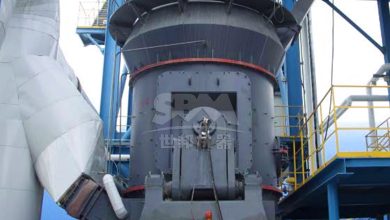
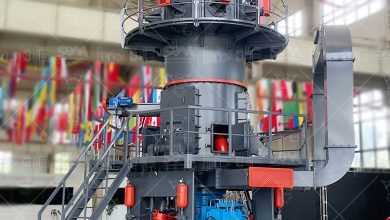
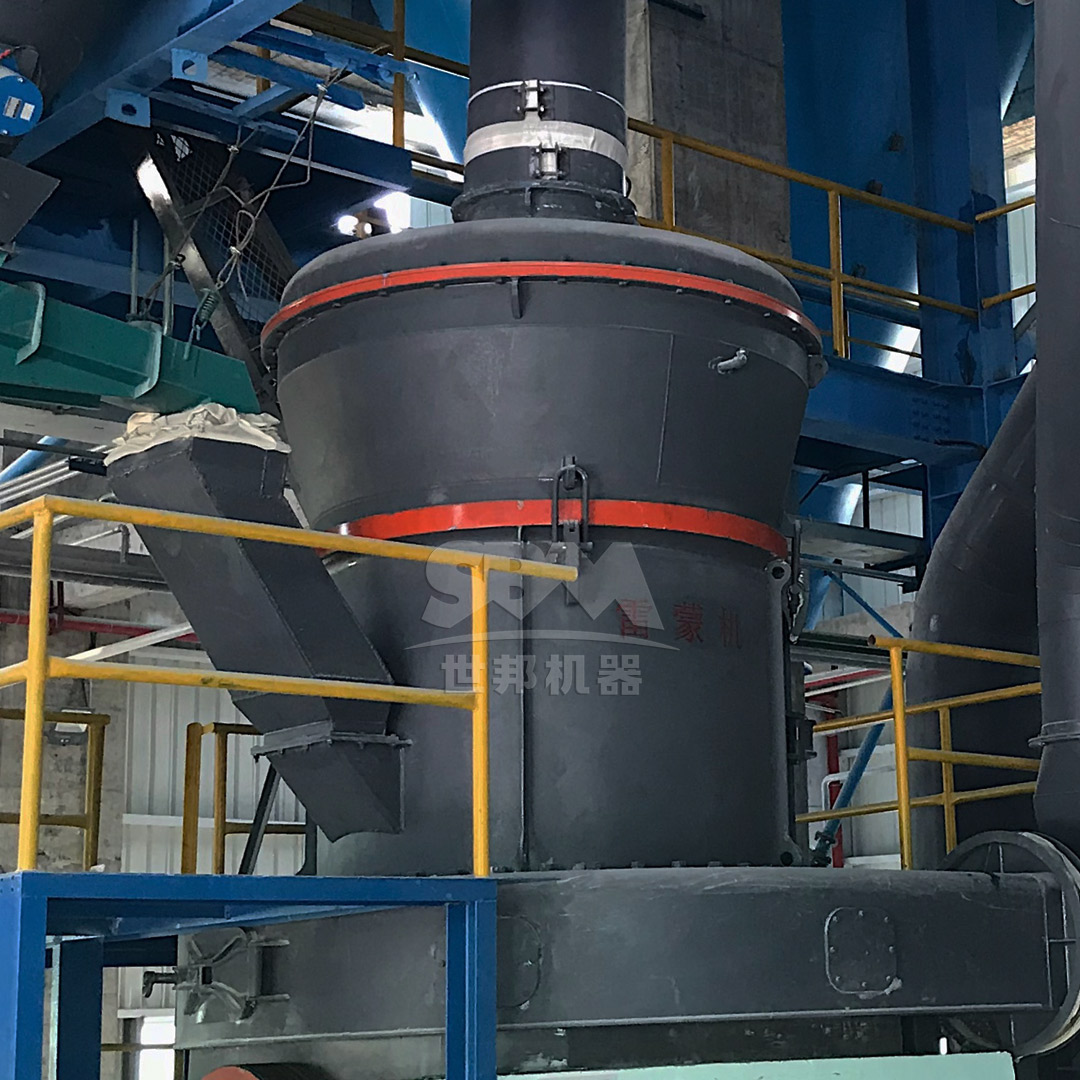
- Vertical Roller Mills (VRM): These have become the industry standard for large-scale activation. Material is ground between rotating rollers and a stationary table. They are highly efficient, offer integrated drying (beneficial for gangue with moisture), and have lower energy consumption compared to ball mills.
- Raymond Mills (Trapezium Mills): Utilize grinding rollers rotating against a grinding ring. Well-suited for producing powders in the medium-fineness range (30-325 mesh). They offer stable operation and are a cost-effective solution for many applications.
- Ultrafine Grinding Mills: Specialized equipment like SCM Series Ultrafine Mills are engineered to achieve extremely fine and uniform particle sizes, crucial for high-grade activation. They employ advanced grinding principles and precision classifiers to produce powders down to 5μm (2500 mesh).
Recommended Solutions for High-Efficiency Activation
Selecting the right mill is paramount for achieving optimal activation efficiency and product quality. Based on extensive industry application, we highly recommend the following solutions from our portfolio for coal gangue processing:
Solution 1: For High-Capacity & Integrated Processing – LM Series Vertical Roller Mill
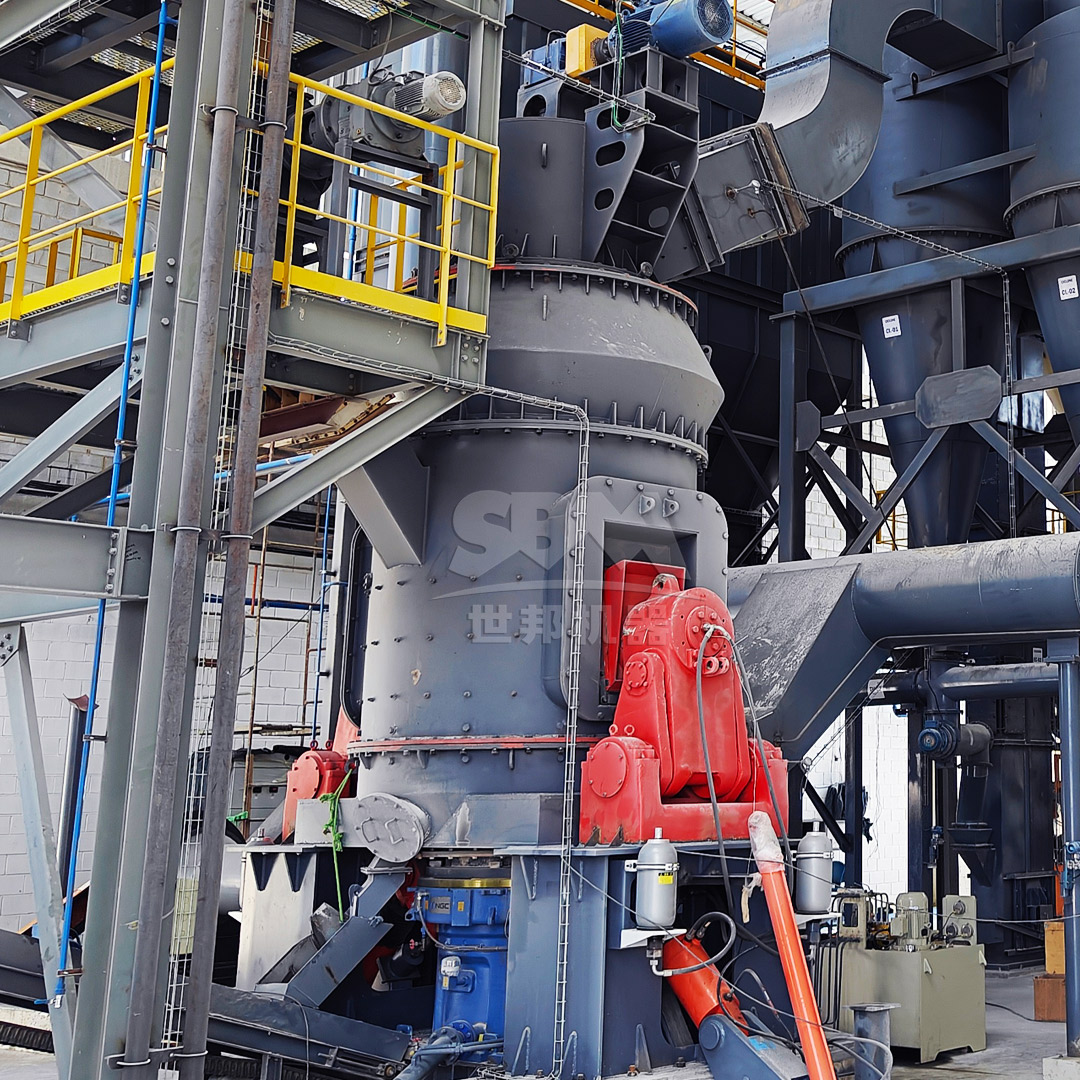
For large-scale coal gangue activation projects requiring high throughput (3-250 t/h) and integrated drying-grinding-classification, the LM Series Vertical Roller Mill is an outstanding choice. Its集约化设计 integrates multiple functions, reducing plant footprint by 50%. The料床粉磨原理 (material-bed grinding principle) between the磨辊 (grinding roller) and磨盘 (grinding table) is highly energy-efficient, reducing specific energy consumption by 30-40% compared to traditional ball mill systems. Furthermore, its全密封负压运行 (fully sealed negative-pressure operation) ensures粉尘排放<20mg/m³, meeting stringent environmental standards. Models like the LM190K or LM220K are particularly well-suited for producing activated gangue in the 80-325 mesh range for use as a cement additive.
Solution 2: For Superior Ultrafine Activation – SCM Series Ultrafine Mill
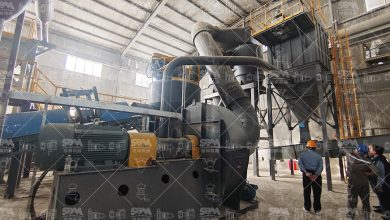
When the application demands the highest level of mechanical activation through ultrafine grinding (325-2500 mesh, D97 ≤ 5μm), the SCM Ultrafine Mill is the definitive technology. Its核心优势 lies in the combination of a三层磨环 (three-layer grinding ring) rotating design and a垂直涡轮分级器 (vertical turbo classifier). This system ensures not only exceptional fineness but also a remarkably narrow particle size distribution with无粗粉混入 (no coarse powder mixing), resulting in a highly uniform and reactive product. The mill is also engineered for efficiency, offering产能为气流磨2倍,能耗降低30% (double the capacity of jet mills with 30% lower energy consumption). For projects aiming to produce premium-grade pozzolanic material or functional fillers from coal gangue, models such as the SCM1000 or SCM1250 provide the perfect balance of performance and reliability.
Process Considerations and Best Practices
- Feed Size Control: Ensure the feed to the grinding mill is consistently within the specified limit (e.g., ≤20mm for SCM Mills, ≤50mm for LM Mills) to optimize grinding efficiency and prevent blockages.
- Moisture Content: While Vertical Roller Mills can handle materials with some moisture, overly wet gangue can reduce grinding efficiency. Pre-drying might be necessary in some cases.
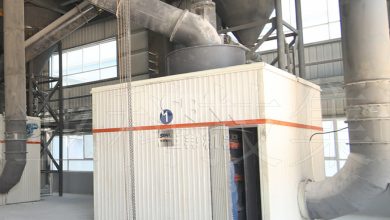
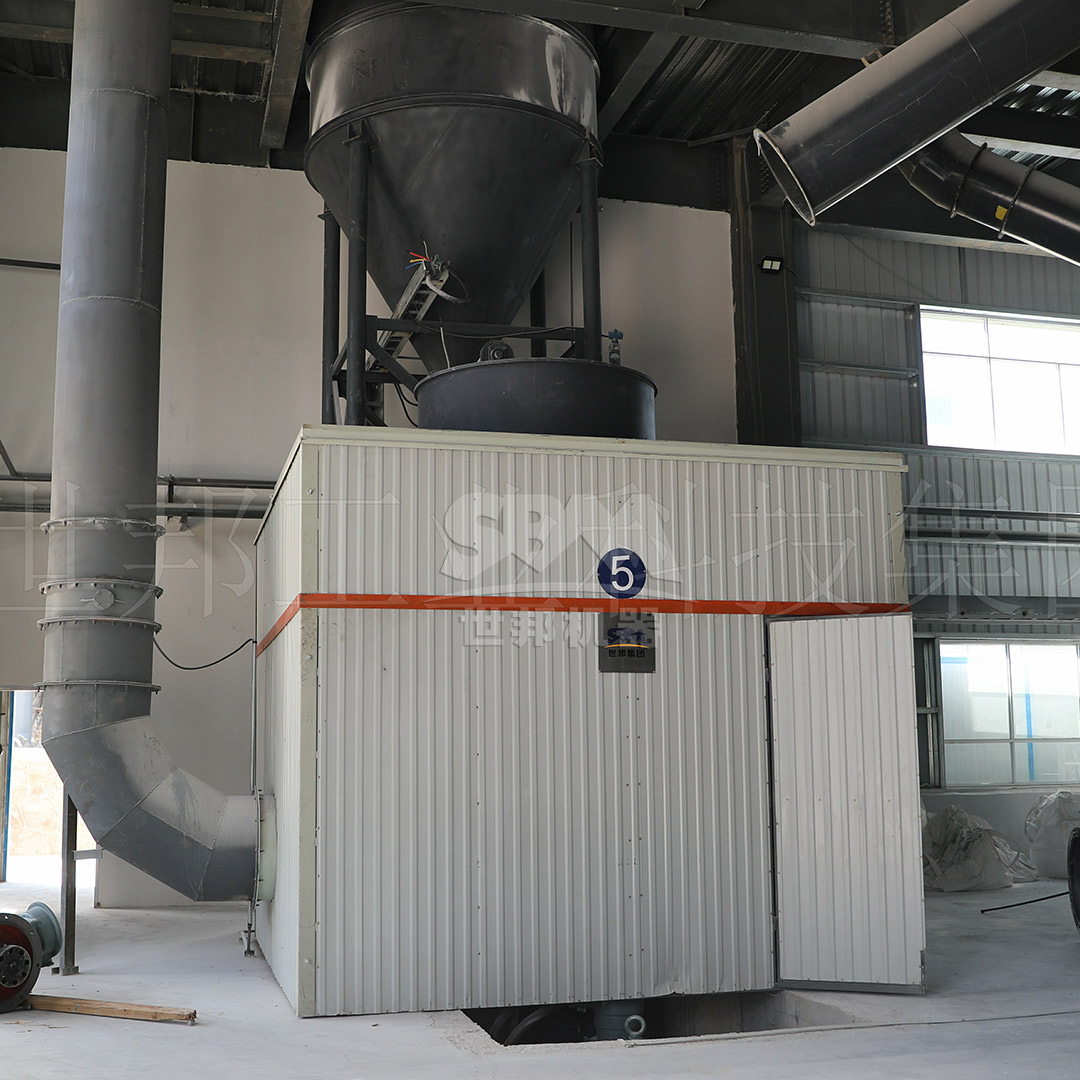
- System Integration: A complete activation line includes not just the mill but also feeders, classifiers, dust collectors (脉冲除尘系统), and packaging systems. Choosing equipment from a single supplier with integrated engineering support ensures compatibility and optimal performance.
- Wear Part Management: The abrasive nature of coal gangue necessitates the use of耐磨设计 (wear-resistant designs), such as special alloy磨辊与磨环 (roller and ring sets). Regular inspection and planned replacement are key to maintaining product fineness and output.
Conclusion
Mechanical activation transforms coal gangue from an industrial waste into a valuable resource. The success of this transformation hinges on deploying the appropriate grinding technology. From high-capacity vertical roller mills for bulk processing to advanced ultrafine mills for premium-grade products, modern machinery offers efficient, reliable, and environmentally sound solutions. By investing in the right equipment, such as the featured LM Series or SCM Series mills, industries can effectively valorize coal gangue, contribute to a circular economy, and unlock new revenue streams while addressing environmental responsibilities.