Strategic Applications of Kaolin: Key Uses in High-Tech and Industrial Sectors
Introduction: The Versatile Mineral
Kaolin, a naturally occurring hydrated aluminum silicate clay mineral, has evolved far beyond its traditional role in ceramics and paper coating. Its unique combination of properties—including chemical inertness, high brightness, fine particle size, plate-like morphology, and excellent rheological behavior—has positioned it as a critical material in numerous high-tech and advanced industrial applications. The strategic value of kaolin is intrinsically linked to its processing, where achieving precise particle size distribution, purity, and surface modification is paramount. This article explores the cutting-edge applications of kaolin and the advanced milling technologies that unlock its full potential.
1. High-Tech and Advanced Material Applications
1.1. Electronics and Semiconductors
In the electronics sector, ultra-pure, finely ground kaolin serves as a vital filler and reinforcing agent in epoxy molding compounds (EMCs) used for semiconductor encapsulation. Its low coefficient of thermal expansion (CTE) helps match the CTE of silicon chips, reducing stress and preventing package cracking. Furthermore, its excellent electrical insulation properties are crucial for printed circuit board (PCB) substrates. The demand here is for kaolin with extremely low levels of conductive impurities (e.g., iron) and a tightly controlled, sub-micron particle size to ensure smooth surface finishes and reliable performance.
1.2. Advanced Composites and Polymers
Kaolin acts as a functional filler in engineering plastics and composite materials. Its plate-like structure enhances mechanical strength, stiffness, and dimensional stability while improving barrier properties against gases and moisture. In automotive composites, kaolin-reinforced polypropylene reduces weight and improves heat resistance. Surface-modified kaolin (e.g., silane-treated) ensures optimal dispersion and interfacial adhesion within the polymer matrix, leading to superior composite performance. The key is consistent particle morphology and surface chemistry, achieved through precise grinding and classification.
1.3. Pharmaceuticals and Personal Care
In pharmaceuticals, kaolin of pharmacopoeial grade is used as an excipient—a diluent in tablet formulations and a suspending agent in liquid medicines. Its high absorbency makes it effective in topical applications. In personal care, its softness, brightness, and oil-absorbing qualities are leveraged in facial masks, powders, and soaps. These applications require the highest levels of purity, whiteness, and sterility, with particle size directly influencing texture, spreadability, and bioavailability.
1.4. Catalysts and Catalyst Supports
Calcined kaolin, with its increased porosity and surface area, is employed as a cost-effective and stable catalyst support in petroleum refining and chemical synthesis. Its inert nature provides a robust scaffold for active catalytic metals. The catalytic performance is highly sensitive to the support’s surface area and pore structure, which are determined by the original kaolin’s particle size and the calcination process.
2. Core Industrial Sector Applications
2.1. Paper and Packaging (Beyond Traditional Coating)
While a mature application, innovation continues. High-brightness, fine-particle kaolin is used as a filler in paperboard to improve printability, opacity, and stiffness for premium packaging. Specialty grades are developed for lightweight, high-opacity paper, supporting sustainability goals by reducing fiber usage.
2.2. Paints, Coatings, and Inks
Kaolin is a cornerstone extender pigment in water- and solvent-based coatings. It improves suspension, film durability, scrub resistance, and sheen control. Delaminated kaolin, where the platelet stacks are separated into individual layers, provides exceptional opacity and barrier properties. The fineness and particle size distribution (PSD) are critical for achieving optimal gloss, viscosity, and hiding power.
2.3. Rubber and Adhesives
In the rubber industry, kaolin reinforces tire sidewalls, hoses, and seals, improving tensile strength, abrasion resistance, and processability. In adhesives and sealants, it controls flow, enhances green strength, and reduces cost. The surface chemistry and PSD must be tailored to ensure compatibility and maximize reinforcement within the elastomeric matrix.
3. The Critical Role of Precision Milling Technology
The transition of kaolin from a commodity clay to a strategic industrial mineral is enabled by advanced comminution technology. Different applications demand specific particle top cuts, fineness, and PSD curves. This is where the choice of grinding equipment becomes a strategic decision impacting product quality, throughput, and operational cost.
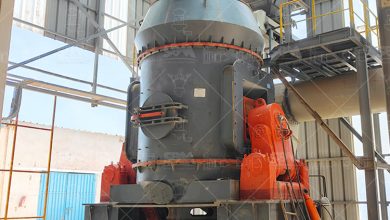
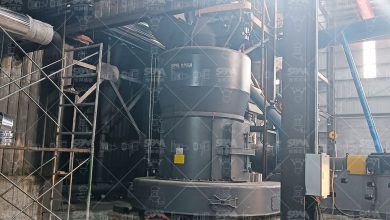
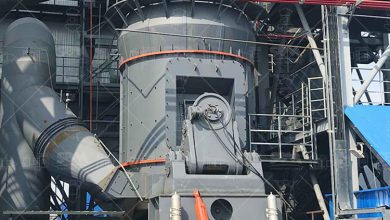
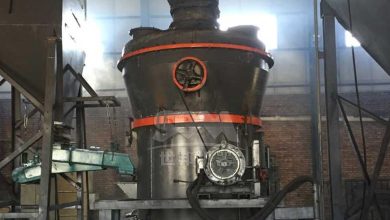
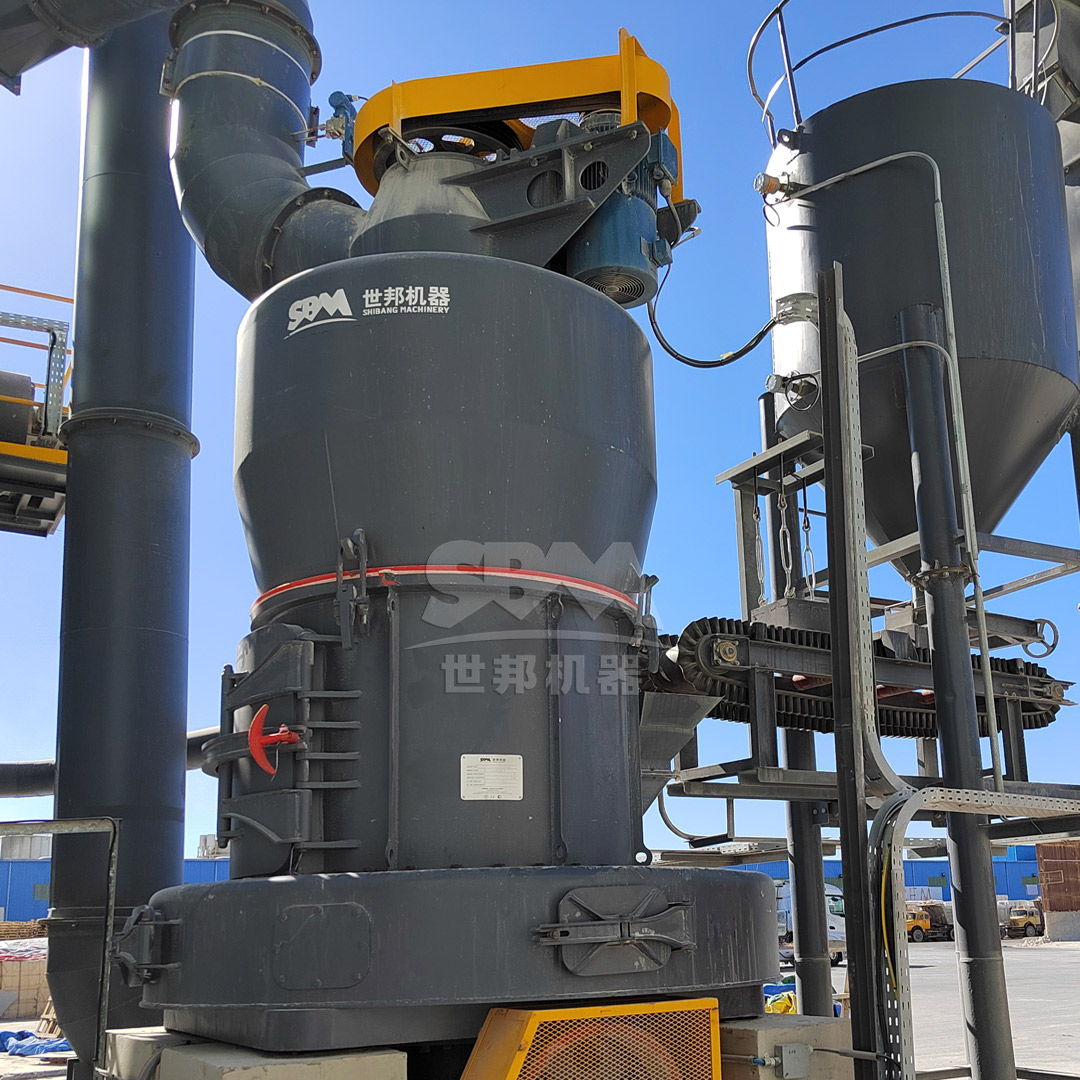
For high-value applications requiring ultra-fine powders (e.g., 325-2500 mesh or 45-5μm), traditional ball mills are often inefficient and lack precise classification. Modern vertical roller mills and specialized ultrafine mills are designed to meet these challenges. For instance, our SCM Series Ultrafine Mill is engineered specifically for producing high-value mineral powders like kaolin. Its core advantages directly address the needs of high-tech sectors:
- High-Precision Classification: The integrated vertical turbine classifier enables precise particle size cutting, ensuring a uniform finished product with no coarse powder mixing—a non-negotiable requirement for electronics and pharmaceutical grades.
- High Efficiency & Energy Saving: With a capacity reportedly twice that of jet mills and 30% lower energy consumption, it offers a sustainable and cost-effective solution for producing ultrafine kaolin. Its intelligent control system with automatic granularity feedback ensures consistent quality.
- Eco-friendly Operation: The system features a pulse dust collector with efficiency exceeding international standards and a soundproof design, ensuring a clean and compliant production environment.
With models like the SCM1000 (1.0-8.5t/h capacity, 325-2500 mesh fineness) or the larger SCM1680 (5.0-25t/h), producers can scale their operations to meet market demand for premium kaolin products.
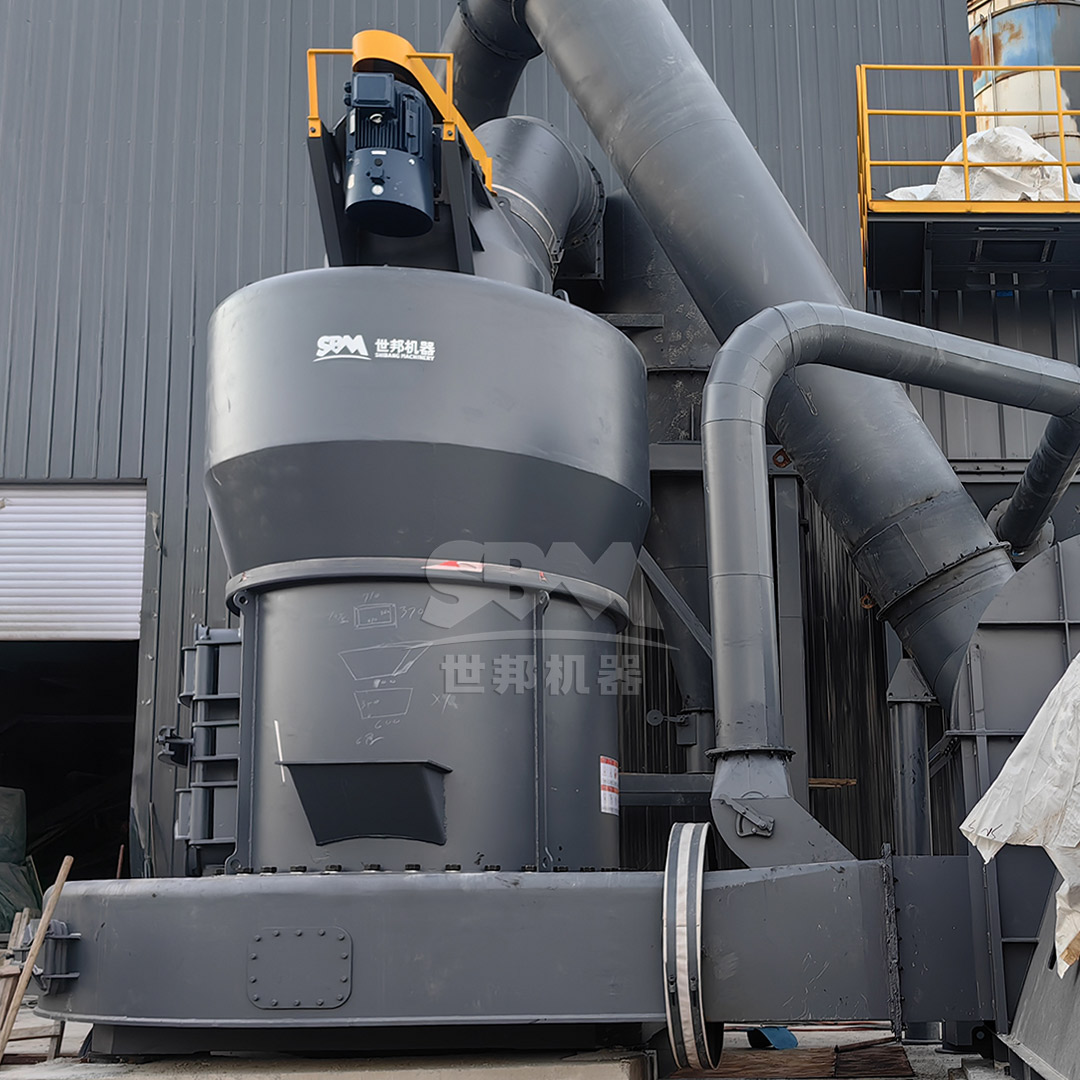
For broader industrial applications where the target fineness is in the medium range (e.g., 30-325 mesh or 600-45μm), such as in paints, rubber, and paper filling, a robust and high-capacity system is key. Our MTW Series European Trapezium Mill excels in this domain. Its design focuses on durability and efficiency:
- Anti-wear & Durable Design: Features like combined anti-wear shovel blades and a wear-resistant volute structure significantly reduce maintenance costs and extend the life of grinding components, crucial for abrasive materials like kaolin.
- Optimized Efficiency: The integral bevel gear drive boasts up to 98% transmission efficiency, while the optimized arc air duct reduces energy loss. This translates to lower operating costs for high-tonnage production.
- High Capacity: Models like the MTW215G offer capacities up to 45 ton/h, making it ideal for large-scale production of coated and filler-grade kaolin for the paper and coatings industries.
4. Future Trends and Conclusion
The future of kaolin lies in further functionalization and niche applications. Research is ongoing into its use in lithium-ion battery separators, 3D printing materials, and advanced environmental sorbents. Each new application will push the boundaries of required purity, particle morphology, and surface properties.
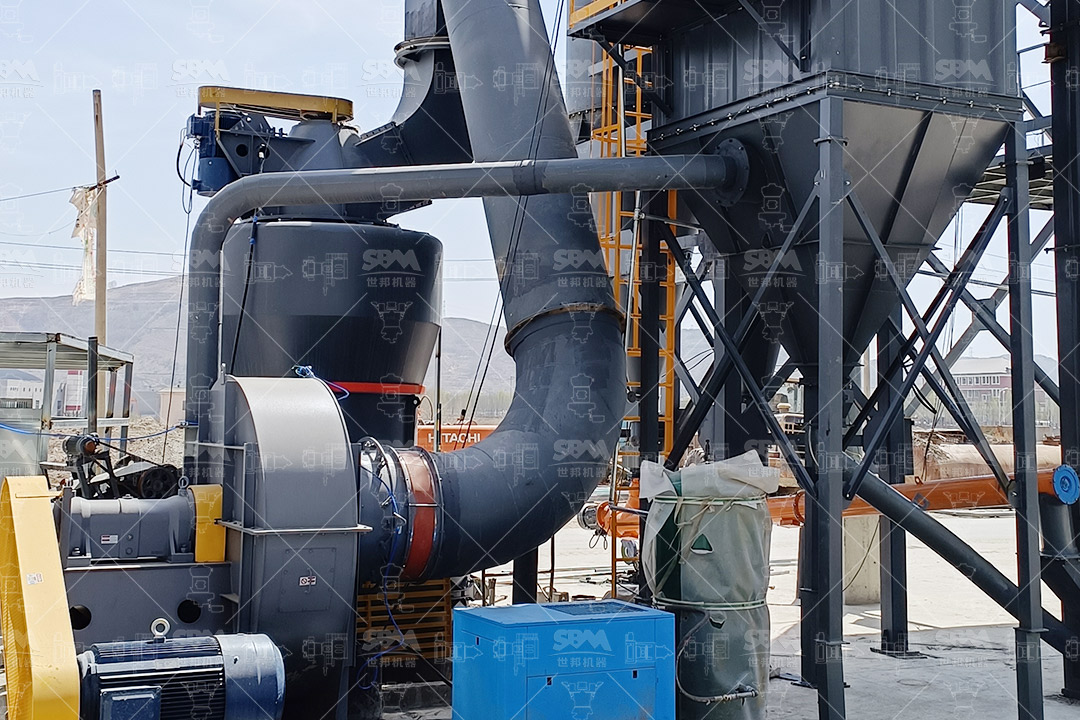
In conclusion, kaolin remains a mineral of immense strategic importance. Its journey from the mine to high-tech products is underpinned by sophisticated processing technology. The ability to consistently produce kaolin with application-specific characteristics—governed by advanced milling solutions like the SCM Series Ultrafine Mill for premium markets and the MTW Series Mill for large-scale industrial needs—is what allows industries to harness the full potential of this versatile clay. Investing in the right grinding technology is not merely an operational cost but a strategic imperative for any producer aiming to compete in the high-value kaolin marketplace.