Steel Slag Powder Production Line: Market Outlook and Shagang’s 600,000 TPY Vertical Mill Project
Introduction: The Rising Imperative of Steel Slag Valorization
The global steel industry, a cornerstone of modern infrastructure, generates vast quantities of steel slag as a by-product. Traditionally viewed as waste requiring disposal, steel slag is now increasingly recognized as a valuable secondary resource. When processed into fine powder, it finds extensive applications as a supplementary cementitious material (SCM) in concrete, a raw material for cement clinker production, and in road base construction. This shift is driven by stringent environmental regulations, the pursuit of circular economy principles, and the economic benefits of reducing clinker factor in cement. The market for steel slag powder is on a robust growth trajectory, demanding efficient, large-scale, and environmentally sound production technologies. This article explores this market outlook and delves into a landmark project: Shagang Group’s 600,000 tons-per-year (TPY) vertical mill production line, which exemplifies the industry’s technological evolution.
Market Outlook for Steel Slag Powder
Drivers of Demand
1. Sustainability Mandates: Global efforts to reduce the carbon footprint of construction are paramount. Using steel slag powder in concrete can significantly lower CO2 emissions by replacing a portion of Portland cement, whose production is highly energy-intensive.
2. Performance Enhancement: Properly processed slag powder improves the long-term strength, durability, and chemical resistance of concrete, making it attractive for high-performance and marine applications.
3. Economic Incentives: Utilizing slag transforms a liability (waste disposal costs) into an asset, creating new revenue streams for steel mills while providing cost-effective materials for the construction sector.
4. Policy Support: Governments worldwide are implementing policies and standards that encourage or mandate the use of industrial by-products in construction, creating a stable regulatory environment for market growth.
Production Technology Trends
The core of steel slag powder production lies in grinding. The industry has progressively moved from traditional ball mills to more efficient vertical roller mills (VRMs). VRMs offer decisive advantages for slag grinding: superior energy efficiency (30-50% lower power consumption), higher single-line capacity, lower noise levels, and a smaller physical footprint. The ability to integrate drying, grinding, and classifying in one unit is particularly beneficial for materials like slag, which may have residual moisture.
Case Study: Shagang Group’s 600,000 TPY Vertical Mill Project
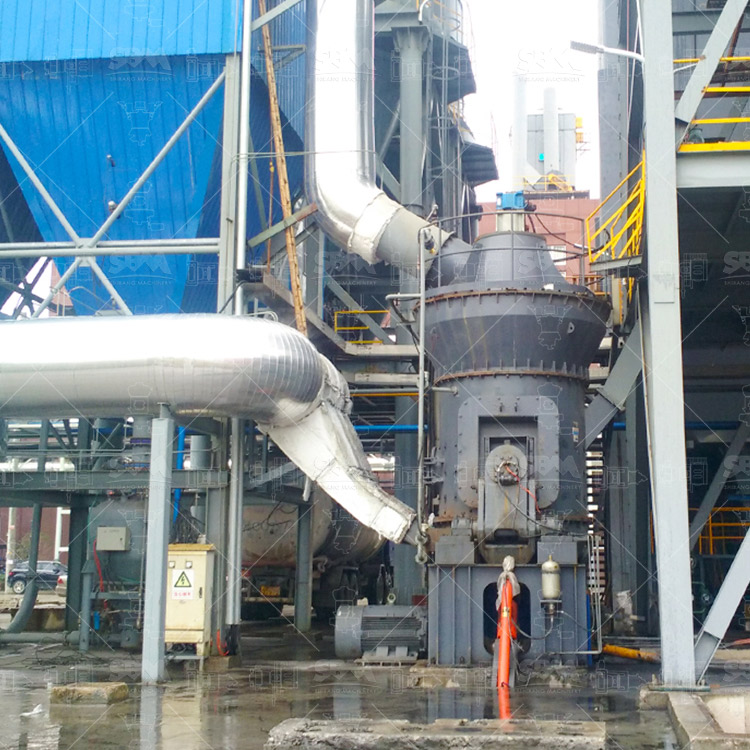
Shagang Group, one of China’s and the world’s largest private steel producers, has been at the forefront of comprehensive slag utilization. Its decision to invest in a 600,000 TPY steel slag powder production line underscores the scale and seriousness of modern slag valorization strategies. This project is not merely about waste management; it’s a strategic move into advanced materials manufacturing.
Project Requirements & Technical Challenges
The project demanded a grinding solution capable of handling the specific characteristics of steel slag: high hardness, abrasiveness (due to metallic iron content), and variable feed size. Key requirements included:
- Massive Throughput: Achieving a reliable output of over 75 t/h to meet the annual target.
- Energy Efficiency: Minimizing operational costs, with power consumption being a major factor.
- Product Quality: Producing powder with a consistent fineness (typically targeting a Blaine surface area of 400-450 m²/kg or higher) to meet SCM standards.
- System Reliability & Low Maintenance: Maximizing uptime despite the abrasive nature of the feed material.
- Environmental Compliance: Operating with minimal dust emissions and noise pollution.
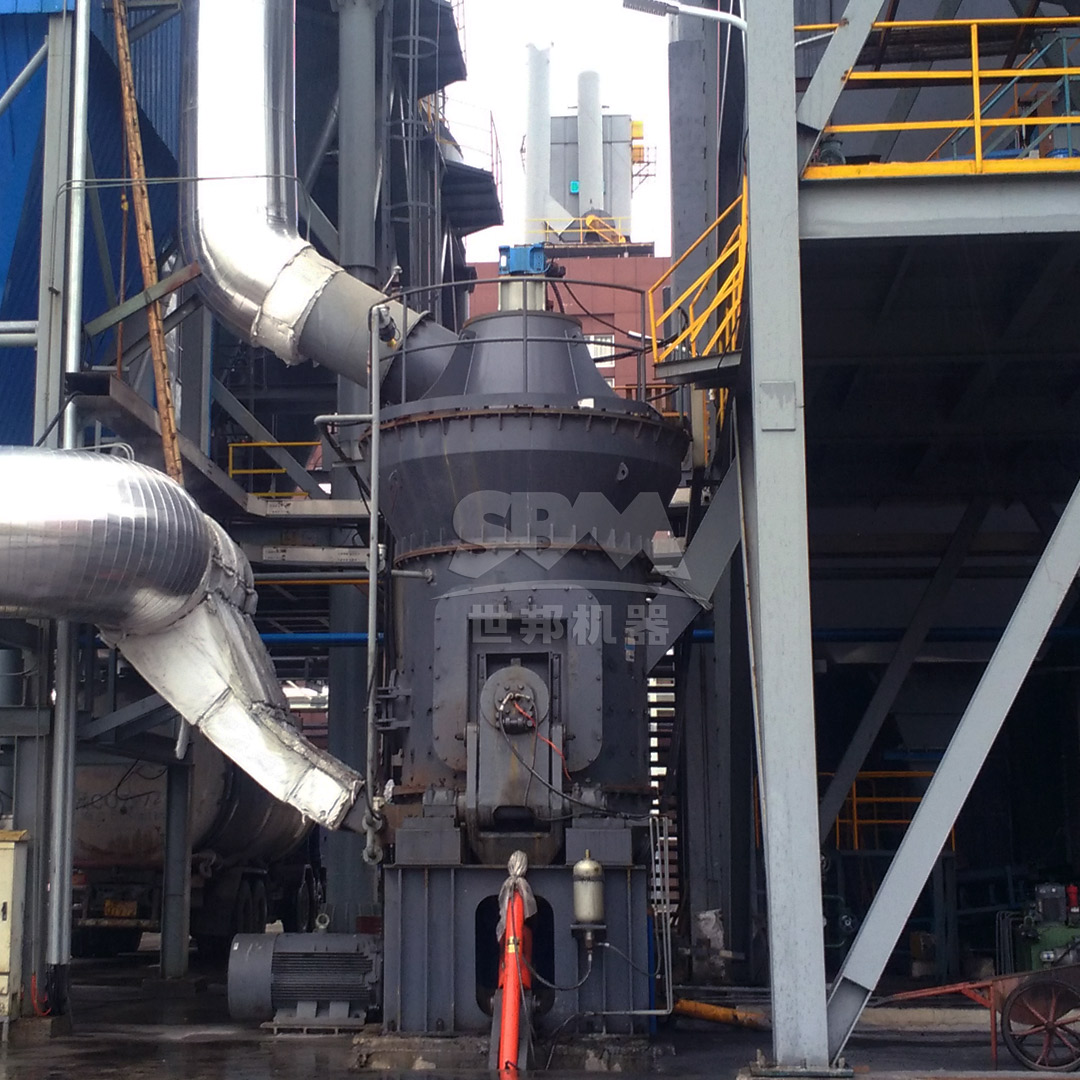
The Technological Solution: High-Capacity Vertical Roller Mills
To meet these challenges, the project selected a large-scale vertical roller mill. This choice aligns perfectly with the industry’s best practices for large-tonnage slag grinding. The selected mill system integrates several key processes:
- Feed Preparation: Raw slag is pre-crushed and, if necessary, dried.
- Grinding & Drying: Material is fed onto a rotating grinding table. Hydraulically loaded rollers exert pressure, crushing the slag bed. Simultaneously, hot gas (often waste heat from the steel plant) is introduced to dry the material during grinding.
- Classification & Collection: The ground powder is carried by the gas stream to a high-efficiency dynamic classifier. Coarse particles are rejected and returned to the grinding table, while fine, qualified powder is collected by a baghouse filter, ensuring emissions are far below regulatory limits.
Critical Equipment for Success: The Role of Advanced Grinding Technology
The heart of any such project is the grinding mill itself. Its design dictates efficiency, product quality, and operational cost. For mega-projects like Shagang’s, the mill must be a masterpiece of engineering—robust, intelligent, and efficient.
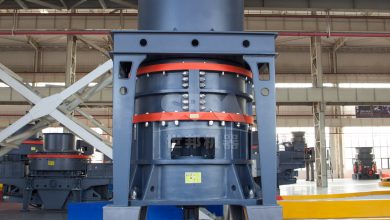
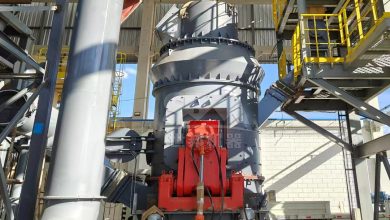
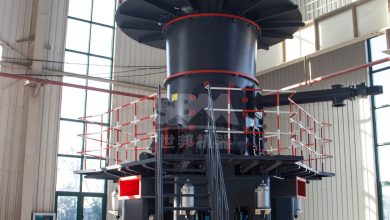
In this context, mills like our LM Series Vertical Roller Mill are engineered to be the ideal workhorses for such demanding applications. Specifically, for slag grinding, the LM Vertical Slag Mill series (e.g., LM130N to LM370N) is designed with the unique properties of slag in mind. Its technical advantages directly address the needs of a 600,000 TPY project:
- Integrated Design: It combines crushing, grinding, drying, and classifying into a single unit, reducing the plant’s footprint by approximately 50% and slashing civil engineering costs by 40%. This is crucial for retrofitting projects within existing steel plants.
- Low Operating Cost: The non-contact design between rollers and the table, along with wear-resistant materials, extends the life of consumable parts significantly. More importantly, its energy consumption is 30-40% lower than traditional ball mill systems, a saving that translates into millions in reduced operational expenses over the mill’s lifetime.
- Intelligent Control: An expert-level automatic control system allows for stable operation with minimal manual intervention. It supports remote monitoring and adjustment, ensuring consistent product fineness and maximizing throughput.
- Environmental Compliance: The fully sealed negative pressure operation guarantees dust emissions are kept well under control, while soundproofing measures keep operational noise at acceptable levels.
For projects requiring even finer powders or processing of other industrial by-products, our SCM Series Ultrafine Mill presents an excellent solution. Capable of producing powders from 325 to 2500 mesh (45-5μm), it is ideal for high-value-added applications. Its high-efficiency classification system ensures no coarse powder mixing, resulting in a uniform product, while its durable design and eco-friendly operation make it a reliable choice for advanced mineral processing lines.
Conclusion: A Blueprint for the Future
The Shagang 600,000 TPY project is more than an isolated industrial installation; it is a blueprint for the future of sustainable steel production. It demonstrates that economic growth and environmental responsibility can be synergistically achieved through technological innovation. The success of such projects hinges on selecting the right core technology—a high-capacity, efficient, and reliable vertical roller mill system.
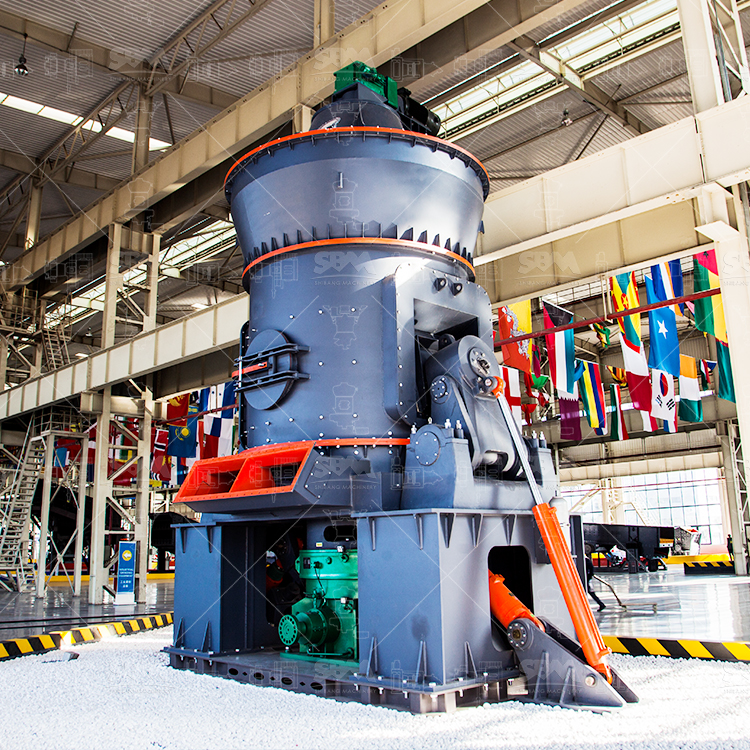
As the market for steel slag powder continues to expand globally, the lessons from leading projects will guide new investments. The focus will remain on technologies that deliver scale, efficiency, and quality, turning the challenge of industrial by-products into a cornerstone of the circular economy. For companies embarking on this path, partnering with technology providers that offer proven, heavy-duty grinding solutions like the advanced vertical roller mills described will be a critical determinant of their success.