Role of Non-Metallic Mineral Powder Fillers in Coatings | Grinding Mill Manufacturer Guide
Introduction: The Unsung Heroes of Modern Coatings
In the sophisticated world of coatings—encompassing paints, varnishes, primers, and industrial finishes—performance is paramount. While binders and pigments often take center stage, the role of non-metallic mineral powder fillers is foundational and transformative. These finely ground inorganic materials, derived from minerals like calcium carbonate, kaolin, talc, barite, and quartz, are not mere space-fillers. They are engineered components that critically influence a coating’s mechanical properties, optical characteristics, durability, rheology, and cost structure. The efficacy of these fillers is intrinsically linked to one key parameter: their particle size distribution and morphology, which is precisely controlled by advanced grinding technology. This article explores the multifaceted roles of mineral fillers in coatings and provides a guide to selecting the optimal grinding equipment for their production.
Core Functions of Mineral Fillers in Coating Systems
1. Reinforcement and Durability Enhancement
Fillers like talc (plate-like structure) and wollastonite (acicular structure) act as reinforcing agents within the coating film. They improve tensile strength, hardness, and abrasion resistance. A well-dispersed, fine-particle filler creates a more composite-like structure, distributing stresses more effectively and reducing crack propagation, which is crucial for industrial and protective coatings.
2. Optical Properties and Sheen Control
The particle size and refractive index of fillers directly impact opacity (hiding power) and gloss. Ultrafine calcium carbonate and kaolin are used to adjust sheen levels in matte and satin finishes. Their fine particles scatter light diffusely, reducing gloss. Furthermore, certain fillers can act as extender pigments, partially replacing more expensive TiO2 while maintaining adequate opacity through optimal spacing and light scattering.
3. Rheological Modification and Sag Resistance
Thixotropic agents like nano-clays and certain treated calcium carbonates are essential for controlling viscosity and anti-sag properties. They form a weak network structure within the coating, providing high viscosity at low shear (preventing sag on vertical surfaces) and low viscosity at high shear (enabling easy application by brush or spray).
4. Corrosion and Permeability Inhibition
Lamellar fillers such as mica and barite create a “labyrinth effect” within the dried film. Their overlapping plate-like particles significantly lengthen the diffusion path for water, oxygen, and corrosive ions, thereby enhancing the barrier properties and corrosion resistance of primers and anti-corrosion coatings.
5. Cost Optimization and PVC Adjustment
Mineral fillers are typically more cost-effective than polymeric binders and prime pigments. Their judicious use lowers raw material costs. Moreover, they are essential for achieving specific Pigment Volume Concentration (PVC) levels, which determine whether a coating is in a glossy, semi-gloss, or porous, flat state.
The Critical Link: Particle Size and Grinding Technology
The performance attributes listed above are not inherent to the raw mineral alone; they are unlocked through precise comminution. The target fineness for coating fillers typically ranges from coarse extenders at 45μm (325 mesh) to functional fillers at 10μm, and down to ultrafine or nano-fillers below 5μm. Key particle characteristics include:
- Top Cut Size: The absence of oversize particles is vital to prevent film defects.
- Narrow Distribution: A tight particle size distribution ensures predictable packing, viscosity, and optical properties.
- Surface Area: Finer particles have higher surface area, affecting resin demand, dispersion energy, and gloss.
- Morphology Preservation: The grinding process must preserve or enhance the natural beneficial shape of minerals (e.g., the aspect ratio of talc plates).
Therefore, selecting the right grinding mill is not a supporting act; it is a core determinant of product quality and market competitiveness.
Grinding Mill Technology Guide for Coating Fillers
The optimal mill choice depends on the raw mineral hardness, feed size, required capacity, and, most importantly, the target fineness and particle shape.
For High-Capacity Production of Fine Fillers (325-45μm / 30-325 mesh)
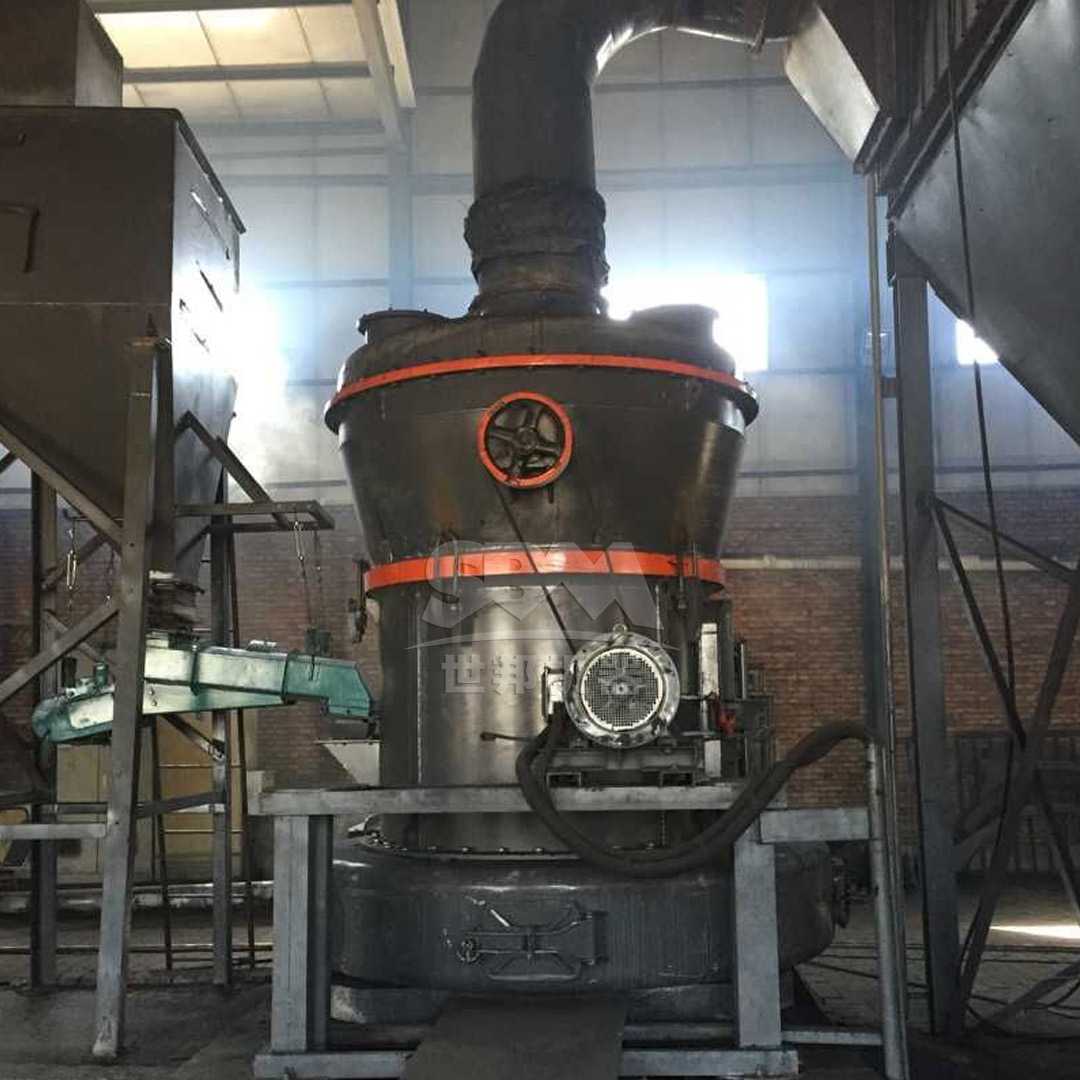
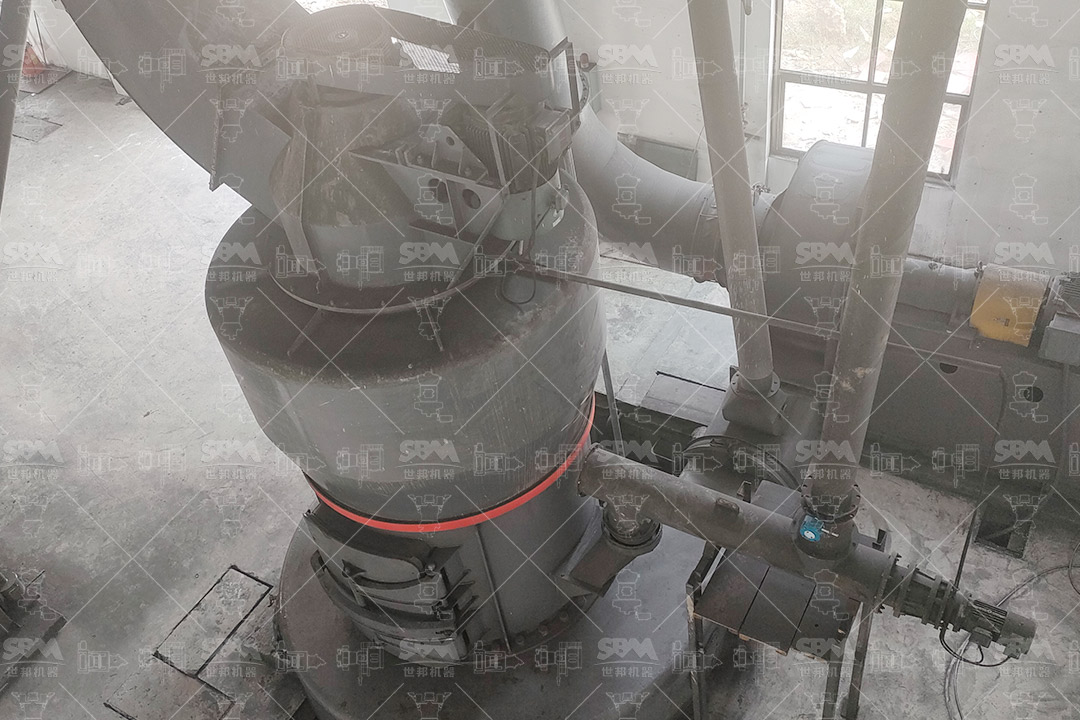
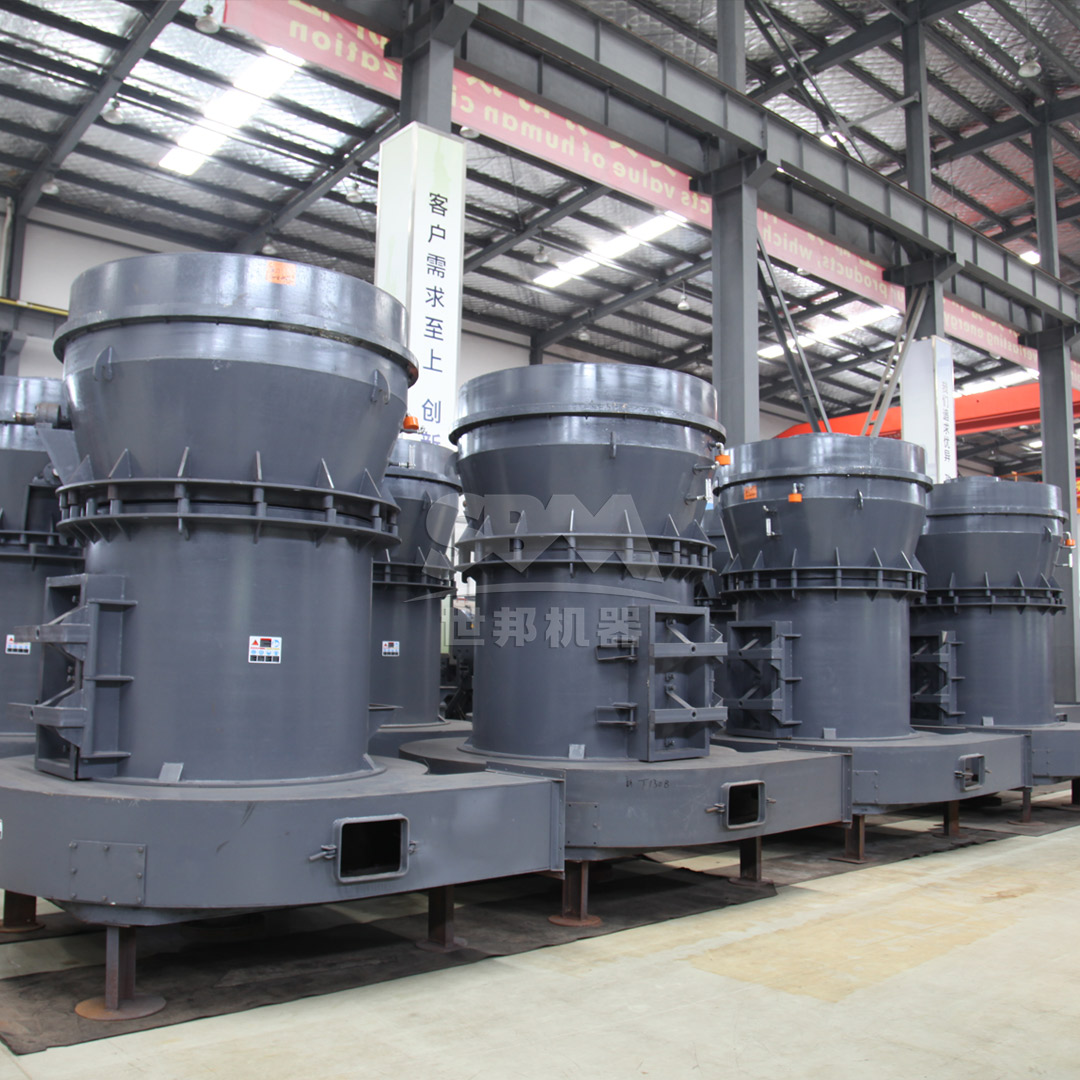
When producing large volumes of standard fillers like ground calcium carbonate (GCC) or kaolin for interior paints and industrial coatings, efficiency and reliability are key. The MTW Series European Trapezium Mill stands out in this segment. Its advanced design features, such as the curved wear-resistant shovel blade that efficiently feeds material and the integral bevel gear transmission system with 98% efficiency, make it a robust and cost-effective workhorse. The optimized arc air duct and high-precision classifier ensure consistent product fineness between 30 and 325 mesh, which is ideal for a wide range of filler applications. Models like the MTW175G (9.5-25 t/h) or MTW215G (15-45 t/h) are perfectly suited for large-scale mineral processing plants supplying the coatings industry.
For Premium Ultrafine and Functional Fillers (2500-325 mesh / 5-45μm)
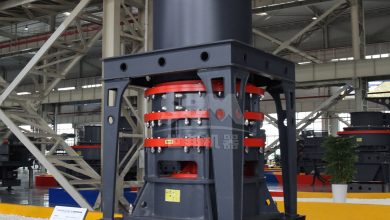
The demand for high-performance, ultrafine fillers that provide reinforcement, high gloss control, and special barrier properties is growing. This requires technology capable of achieving micron and sub-micron fineness with high classification accuracy. For this purpose, the SCM Series Ultrafine Mill is the technology of choice. Engineered specifically for superfine grinding, its vertical turbine classifier provides exceptional precision in particle size cutting, ensuring no coarse powder contamination and a uniformly fine product from 325 to 2500 mesh.
For coating manufacturers, this translates to fillers that can significantly enhance film density, smoothness, and durability. The mill’s high efficiency is notable—offering twice the capacity of a jet mill with approximately 30% lower energy consumption. Furthermore, its eco-friendly design with high-efficiency pulse dust collection and soundproofing makes it suitable for modern, environmentally conscious production facilities. Models such as the SCM1000 (1.0-8.5 t/h) or SCM1250 (2.5-14 t/h) provide excellent solutions for producing high-value ultrafine talc, calcium carbonate, or barite for advanced coating formulations.
Conclusion: Engineering Performance from the Ground Up
Non-metallic mineral fillers are indispensable, multi-functional components in coating science. Their contribution extends far beyond cost reduction, actively engineering the final film’s properties. However, the full potential of these minerals can only be realized through advanced grinding technology that delivers precise particle size, shape, and consistency. Investing in the right grinding equipment—such as the high-capacity MTW Series for standard fillers or the precision-focused SCM Ultrafine Mill for high-end products—is a strategic decision that directly impacts product quality, formulation flexibility, and ultimately, market success. As coating technologies evolve towards higher performance and sustainability, the partnership between mineralogy and precision grinding will only become more critical.