Relationship Between Calcium Carbonate Particle Size and Oil Absorption: A Comprehensive Analysis and Industrial Solutions
1. Introduction
The performance of calcium carbonate (CaCO3) as a functional filler in polymers, paints, coatings, plastics, and sealants is critically dependent on its surface properties, with oil absorption being one of the most pivotal parameters. Oil absorption, typically measured by the amount of linseed or dibutyl phthalate (DBP) oil required to wet a 100-gram mass of powder to a specified paste consistency, directly correlates with the filler’s interaction with the polymer matrix. It influences viscosity, dispersion stability, mechanical properties, and ultimately, the cost-effectiveness of the final composite. At the heart of controlling oil absorption lies the precise manipulation of calcium carbonate particle size and its distribution. This article delves into the scientific relationship between particle size and oil absorption and explores advanced industrial milling technologies that enable precise control over these critical parameters.
2. The Fundamental Science: How Particle Size Governs Oil Absorption
Oil absorption is intrinsically linked to the specific surface area (SSA) of the powder. Finer particles possess a larger total surface area per unit mass. Since the oil must coat the surface of each particle to form a coherent paste, a higher SSA directly translates to a higher oil demand.
The Inverse Relationship: Generally, as the median particle size (d50) decreases, oil absorption increases. For coarse ground calcium carbonate (GCC) with a d50 of 10-45μm, oil absorption values may range from 15-25 g/100g. In contrast, ultrafine or precipitated calcium carbonate (PCC) with a d50 below 2μm can exhibit oil absorption values from 25 g/100g up to 60-80 g/100g or higher for nano-sized particles.
Beyond Size: The Role of Particle Size Distribution (PSD): A narrow PSD is often more desirable than a broad one. A broad PSD allows smaller particles to fit into the interstices between larger particles, potentially reducing the void volume and thus the oil required to fill it. However, this can lead to packing issues and inconsistent performance. A controlled, narrow PSD ensures predictable rheological behavior and uniform composite properties.
Particle Morphology and Surface Chemistry: The shape of the particles (e.g., cubic, scalenohedral, spherical) also affects packing density and oil absorption. Furthermore, surface treatments (e.g., stearic acid coating) are specifically applied to reduce the surface energy of CaCO3, thereby drastically lowering its oil absorption and improving compatibility with hydrophobic polymer matrices.
3. Industrial Implications: Balancing Performance and Cost
Selecting the correct calcium carbonate grade is a balancing act. High oil absorption fillers can lead to excessively high compound viscosity, challenging processing, and increased raw material costs due to higher polymer demand. Conversely, fillers with very low oil absorption may not provide sufficient reinforcement or desired matting effects.
- Plastics & Polymers: For extrusion or injection molding, lower oil absorption grades (coarser or surface-treated) are preferred to maintain flowability and reduce torque.
- Paints & Coatings: Finer, higher oil absorption grades can be used to control gloss, improve suspension, and enhance opacity, but require robust dispersants.
- Sealants & Adhesives: Oil absorption directly affects paste consistency and sag resistance, requiring precise PSD control.
Therefore, the ability to reliably and efficiently produce calcium carbonate with a tightly defined particle size distribution is not just a quality metric but a core competitive advantage for filler producers.
4. Achieving Precision: The Critical Role of Grinding and Classification Technology
Producing ground calcium carbonate (GCC) with a target PSD and consistent oil absorption requires advanced milling systems that integrate efficient grinding with high-precision classification. The choice of technology depends on the desired fineness range, capacity, and energy efficiency goals.
4.1 For Coarse to Medium Fineness (600-45μm / 30-325 mesh)
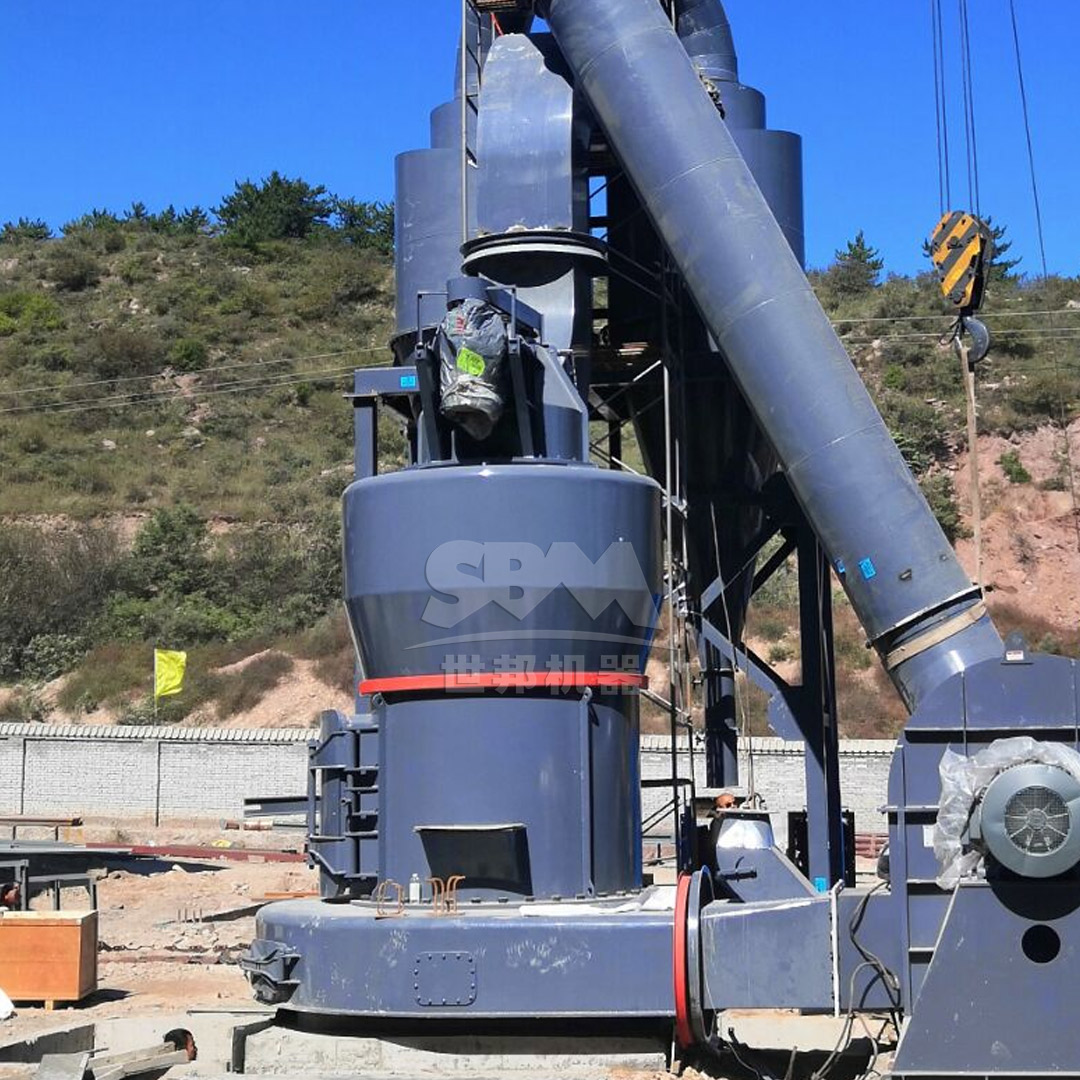
For products in this range, where controlled moderate oil absorption is key, robust and high-capacity systems are essential. The MTW Series European Trapezium Mill stands out as an optimal solution. Its advanced design features, such as the curved anti-wear shovel and optimized arc air duct, ensure stable feeding and efficient airflow for consistent grinding. The integral bevel gear drive (98% transmission efficiency) and wear-resistant volute structure contribute to low operating costs and high reliability. With a capacity range of 3-45 tons per hour and the ability to precisely control fineness down to 325 mesh (45μm), the MTW series is ideal for large-scale production of GCC with predictable oil absorption characteristics for masterbatch, PVC pipes, and other industrial applications.
4.2 For Ultrafine and High-Value Applications (2500-325 mesh / 5-45μm)
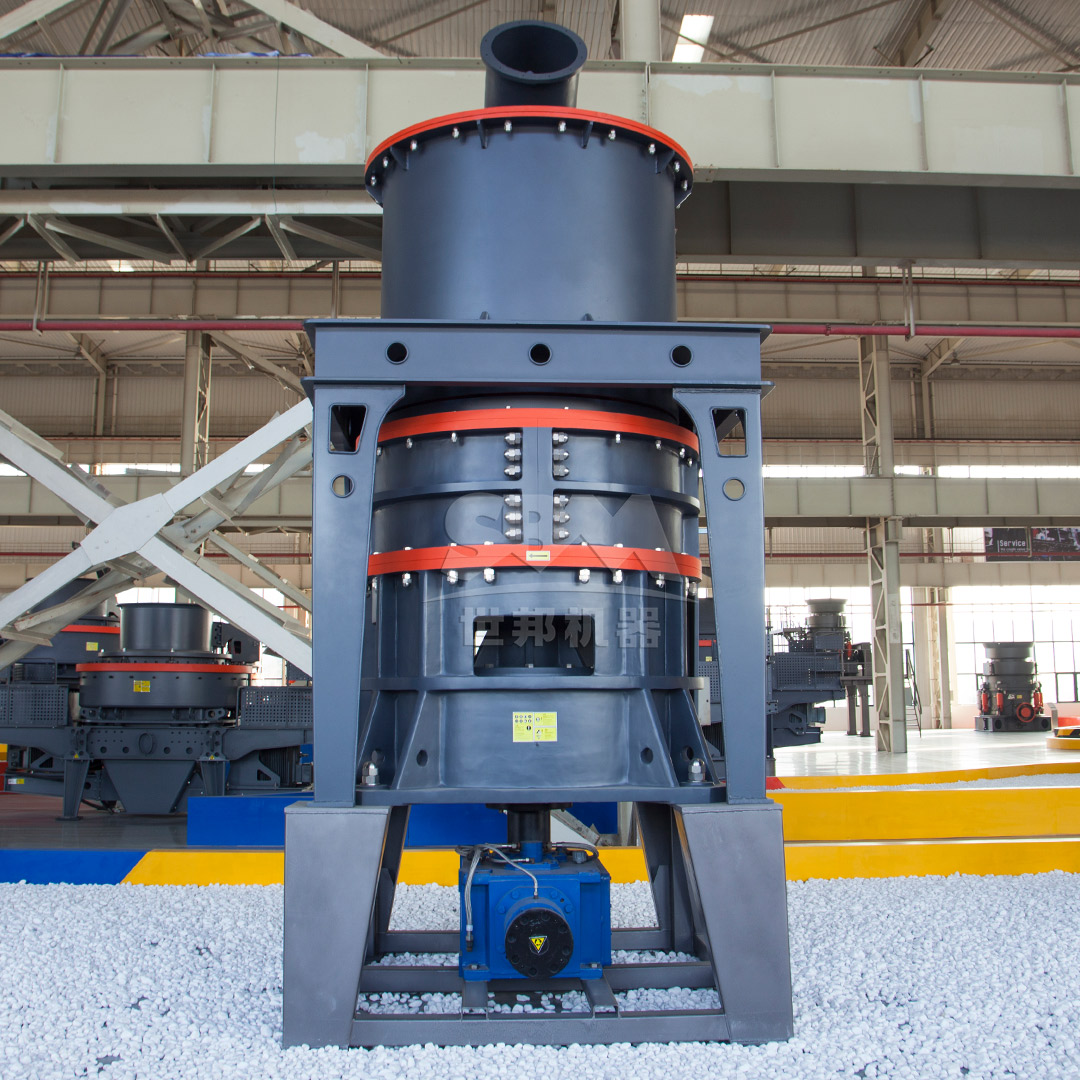
When targeting the high oil absorption segment for specialty paints, high-performance plastics, or sealants, producing ultrafine and nano-sized calcium carbonate is necessary. This demands technology capable of delivering extreme fineness with narrow PSD. The SCM Series Ultrafine Mill is engineered specifically for this purpose. Its core strength lies in its high-precision vertical turbine classifier, which ensures sharp particle size cuts and eliminates coarse powder mixing, resulting in a uniform product with a consistent surface area—the direct determinant of oil absorption. Operating with 30% lower energy consumption than jet mills and featuring a durable, special-material grinding roller assembly, the SCM series reliably produces powders from 325 to 2500 mesh (45-5μm). For producers aiming to supply the high-end market where precise oil absorption is critical, the SCM Ultrafine Mill provides the necessary technological edge.
5. Conclusion
The relationship between calcium carbonate particle size and oil absorption is a fundamental principle guiding the application of this versatile filler. Mastering this relationship through precise particle size control allows formulators to engineer material properties with great accuracy. For calcium carbonate manufacturers, investing in advanced milling technology is paramount. Solutions like the MTW Series European Trapezium Mill for high-volume, controlled-medium-fineness production and the SCM Series Ultrafine Mill for high-value, ultra-fine products provide the necessary capabilities to meet diverse market demands. By selecting the appropriate grinding and classification system, producers can consistently deliver GCC with optimized oil absorption, empowering their customers to develop superior, cost-effective, and high-performance end products.