Production and Application of Wollastonite Powder: A Comprehensive Guide
1. Introduction to Wollastonite
Wollastonite, a naturally occurring calcium inosilicate mineral (CaSiO3), is a versatile industrial mineral prized for its unique combination of chemical, physical, and thermal properties. Its acicular (needle-like) crystal morphology, high brightness, low moisture absorption, and thermal stability make it a valuable functional filler and reinforcement material across numerous industries. The global demand for high-quality wollastonite powder is steadily increasing, driven by its applications in polymers, ceramics, paints, construction, and metallurgy. The value and performance of wollastonite are intrinsically linked to its particle size distribution, aspect ratio (length-to-diameter ratio), and purity, making the selection of advanced processing technology paramount.
2. Key Production Processes for Wollastonite Powder
The transformation of raw wollastonite ore into a market-ready powder involves a series of critical steps, each influencing the final product’s characteristics.
2.1. Beneficiation and Crushing
Raw ore is first beneficiated to remove impurities like calcite, diopside, and garnet through processes such as magnetic separation and flotation. The purified ore is then crushed to a manageable size, typically below 50mm, using jaw crushers or impact crushers, preparing it for the grinding stage.
2.2. Grinding and Classification
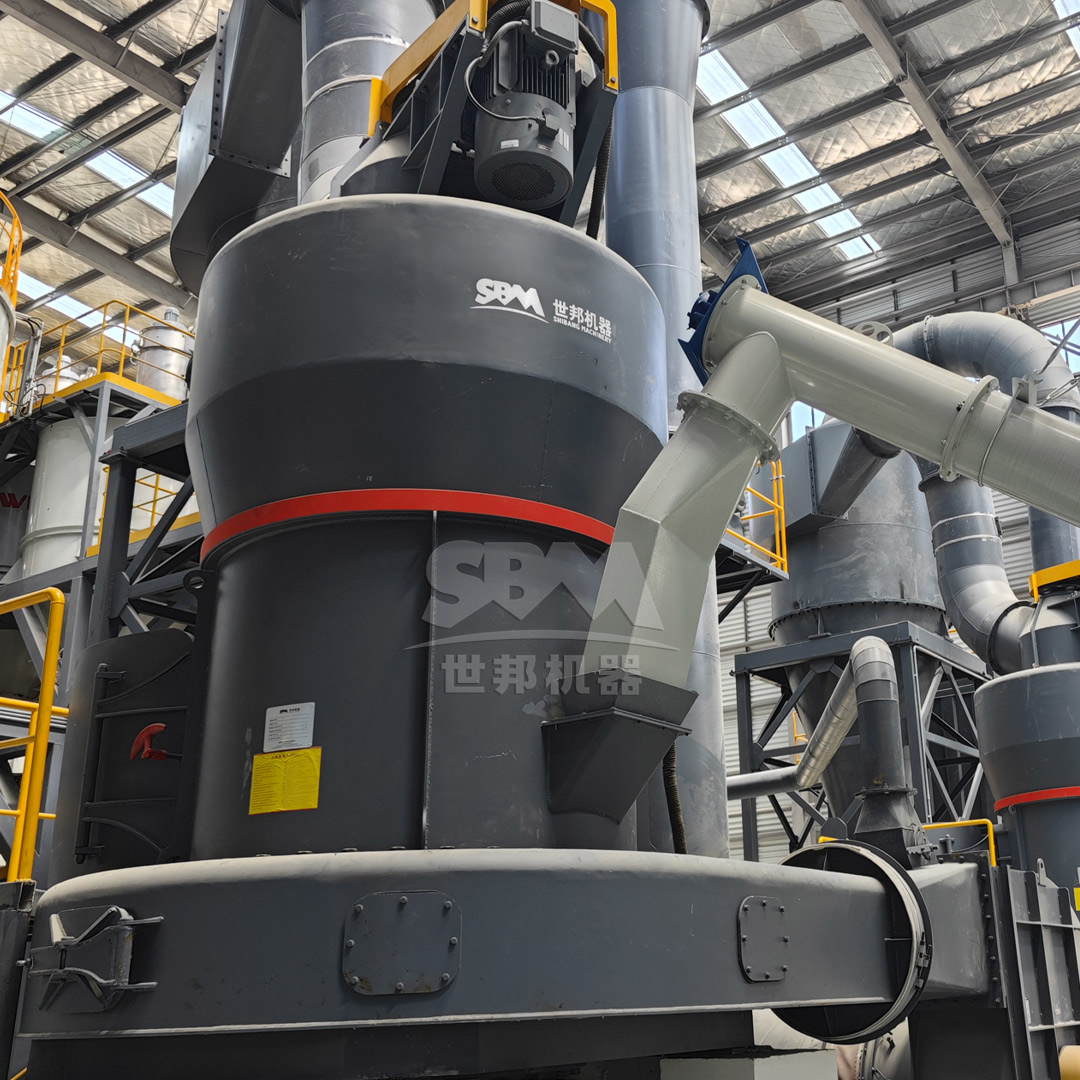
This is the core stage where particle size and morphology are defined. The choice of grinding equipment is crucial. For coarse to medium-fine powders (30-325 mesh / 600-45μm), robust and efficient grinding systems are required. For high-value, ultrafine (below 45μm) and high-aspect-ratio powders, specialized milling technology that preserves the acicular structure while achieving precise particle size cuts is essential.
2.3. Surface Treatment
To enhance compatibility with polymer matrices (e.g., in nylon, polypropylene), wollastonite powder often undergoes surface modification using silane or other coupling agents. This treatment improves dispersion, interfacial adhesion, and mechanical properties in composite materials.
2.4. Packaging and Quality Control
The final powder is packaged in moisture-resistant bags or bulk containers. Rigorous quality control checks for particle size distribution (via laser diffraction), aspect ratio (via microscopy), chemical composition (via XRF), and whiteness ensure batch-to-batch consistency.
3. Major Applications of Wollastonite Powder
The functional properties of wollastonite powder unlock diverse applications.
3.1. Plastics and Composites
As a functional filler, it reinforces polymers, improving tensile and flexural strength, dimensional stability, and heat deflection temperature. It is a partial replacement for glass fibers and asbestos. Its low moisture absorption is beneficial in nylon and engineering plastics.
3.2. Ceramics
In ceramic bodies and glazes, wollastonite acts as a flux, reducing firing temperatures and shrinkage. It improves mechanical strength and thermal shock resistance in tiles, sanitaryware, and technical ceramics.
3.3. Paints and Coatings
Its high brightness and low oil absorption contribute to improved durability, scrub resistance, and weatherability in paints. The acicular particles can reinforce the paint film and act as a pH buffer.
3.4. Construction
In asbestos-free construction products like wallboard, joint compounds, and cementitious boards, wollastonite provides reinforcement, fire resistance, and reduced shrinkage.
4. Critical Equipment for High-Quality Wollastonite Powder Production
The efficiency, yield, and quality of wollastonite powder are directly determined by the grinding and classification technology employed. Producers must balance requirements for throughput, fineness, particle morphology preservation, and energy consumption.
4.1. For Coarse to Medium-Fine Grinding (30-325 mesh)
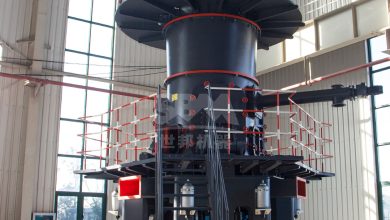
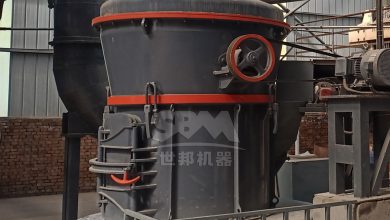
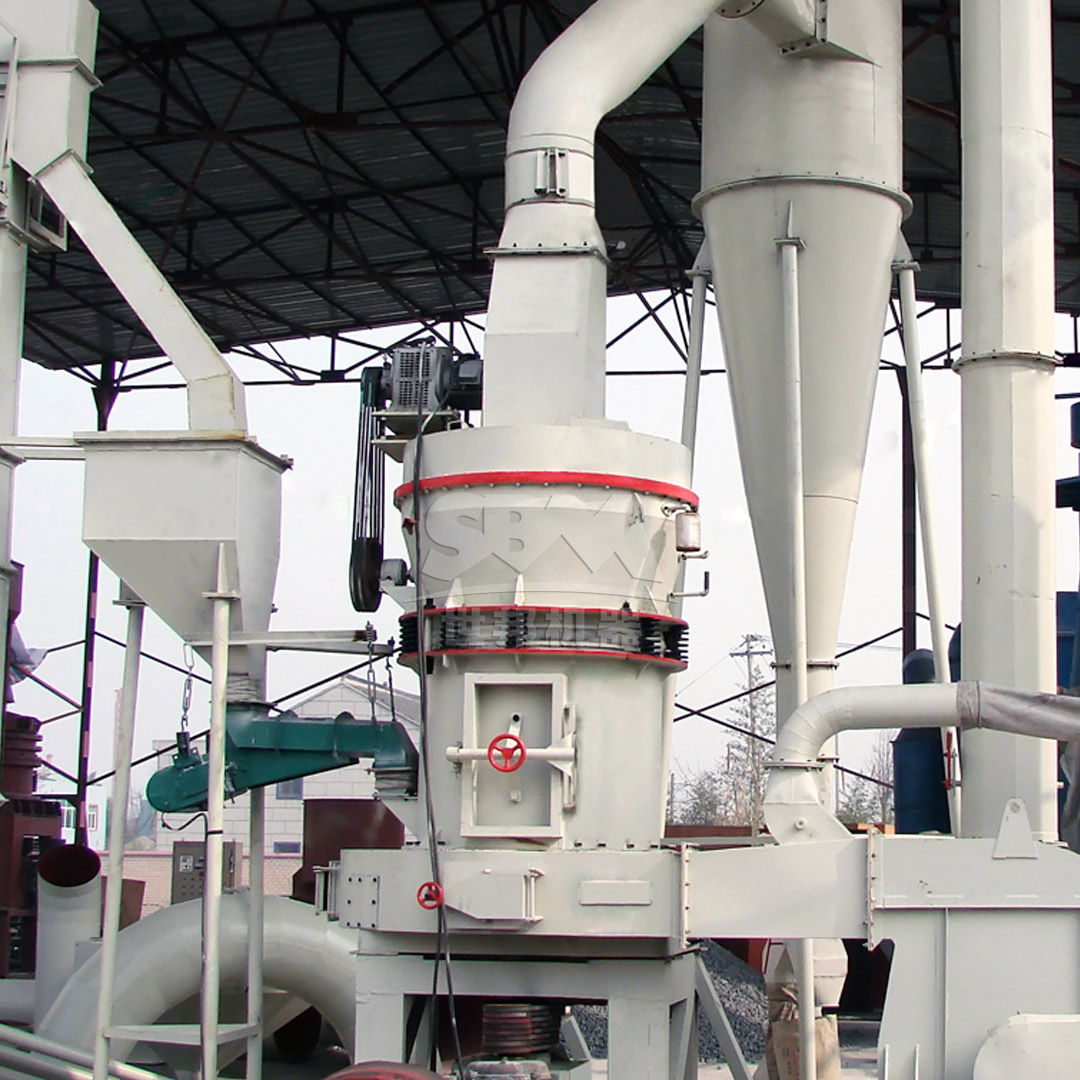
For high-capacity production of wollastonite powder in the 30 to 325 mesh range, a robust and energy-efficient mill is ideal. The MTW Series European Trapezium Mill is an excellent solution. Its anti-wear shovel design and optimized arc air duct minimize maintenance costs and energy loss. The integral bevel gear drive boasts a 98% transmission efficiency, making it a reliable workhorse for large-scale production where precise control in the medium-fineness range is key. With capacities ranging from 3 to 45 tons per hour, it can handle feed sizes up to 50mm, streamlining the process from crushed ore to finished powder.
4.2. For Ultrafine and High-Aspect-Ratio Powder (325-2500 mesh)
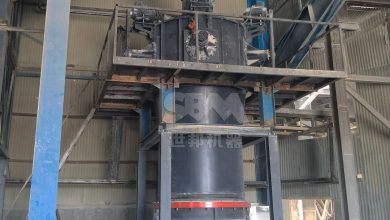
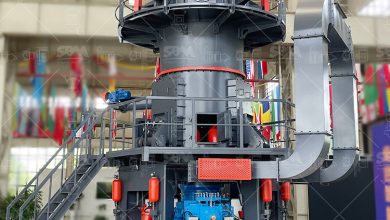
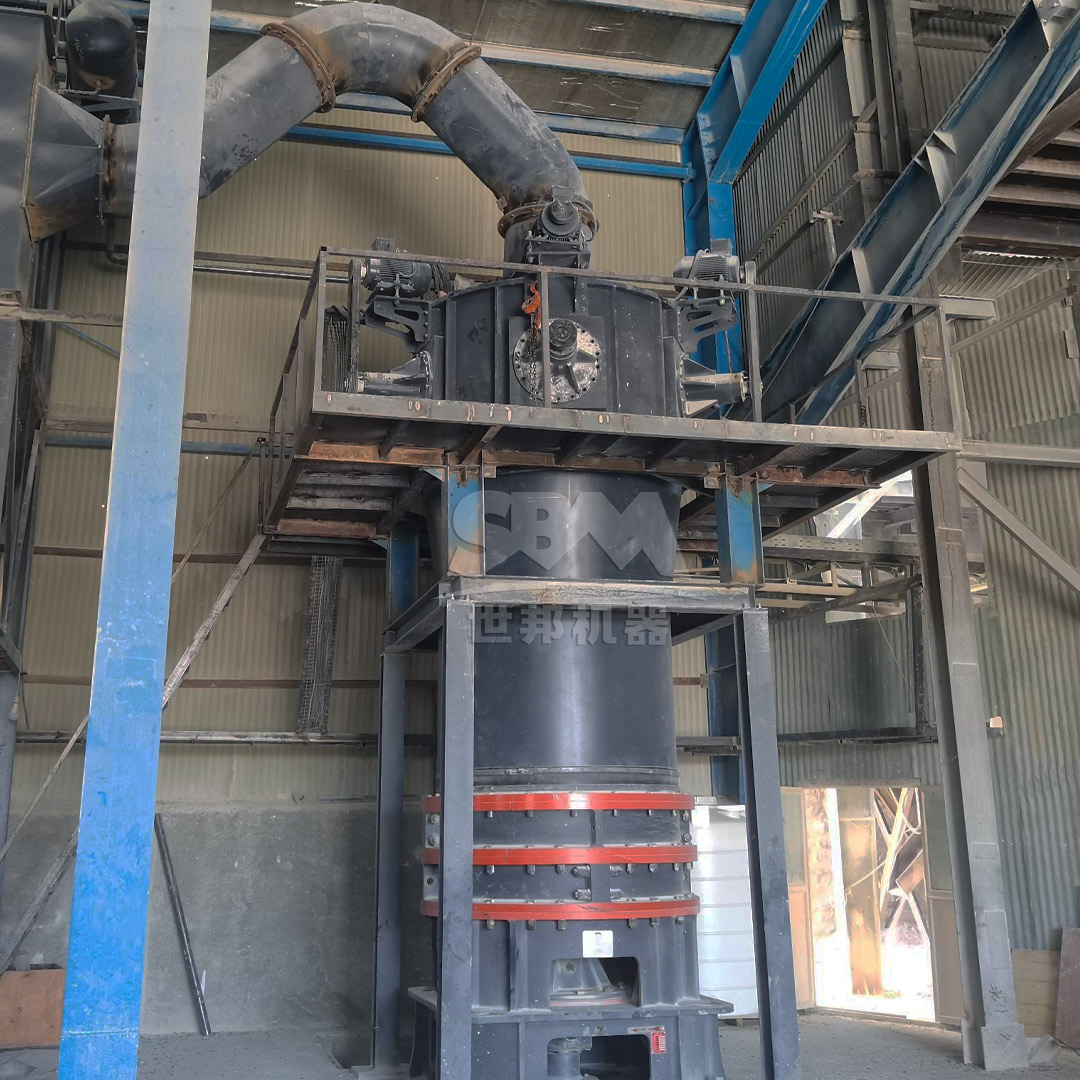
Producing high-value, ultrafine wollastonite powder while preserving its valuable acicular structure demands advanced technology. The SCM Series Ultrafine Mill is specifically engineered for this challenge. It achieves precise particle size control from 325 to 2500 mesh (45-5μm) with a high-efficiency vertical turbine classifier that ensures no coarse powder mixing. Its intelligent control system with automatic granularity feedback maintains consistent product quality. Crucially, its grinding principle applies layer-by-layer pressure, which is more conducive to preserving particle morphology compared to high-impact methods. With energy consumption 30% lower than jet mills and a durable design featuring special material rollers, it is the optimal choice for producing premium-grade wollastonite fillers for the plastics and coatings industries.
5. Market Trends and Future Outlook
The wollastonite market is evolving with trends towards higher purity, finer and more consistent particle sizes, and increased demand from the automotive (lightweight composites) and construction (green building materials) sectors. The development of specialized surface treatments will further expand its application scope. Investing in flexible, efficient, and precise grinding technology, such as the SCM and MTW series mills, allows producers to adapt to these market demands, improve product value, and maintain a competitive edge. The future lies in tailoring wollastonite powder properties through advanced processing to meet the exacting specifications of next-generation materials.