Nickel Slag Vertical Mill Processing: Comprehensive Utilization Method for Ferronickel Slag
Introduction
The global nickel industry generates vast quantities of ferronickel slag as a by-product of pyrometallurgical nickel production. Traditionally viewed as waste, this slag represents a significant environmental and economic burden due to landfilling costs and potential leaching of heavy metals. However, with advancements in mineral processing technology, ferronickel slag is now recognized as a valuable secondary resource. Its primary components—silica, magnesia, and residual iron—can be processed into high-value products for construction, cementitious applications, and even as a source of recovered metals. The key to unlocking this potential lies in efficient, fine grinding technology, which transforms coarse, inert slag into reactive, marketable powders. This article explores the comprehensive utilization pathways for ferronickel slag and the critical role of modern vertical roller mills in its processing.
Characteristics and Challenges of Ferronickel Slag
Ferronickel slag is a glassy, granular material with high hardness (Mohs hardness typically 6-7) and abrasiveness. Its chemical composition is dominated by SiO2 (40-55%), MgO (20-35%), and Fe2O3 (5-15%), with minor amounts of Al2O3 and Cr2O3. The primary challenge in its utilization is its low hydraulic reactivity in its raw, coarse state. To activate its latent cementitious properties or to liberate encapsulated metallic particles for recovery, the slag must be ground to a very fine powder. This grinding process is energy-intensive and places extreme wear on equipment, demanding machinery specifically designed for high abrasion resistance, large capacity, and energy efficiency.
Comprehensive Utilization Pathways
1. Supplementary Cementitious Material (SCM)
When ground to a fineness exceeding 400 m2/kg Blaine, ferronickel slag exhibits pozzolanic activity. It can replace 20-40% of Portland cement in concrete, improving long-term strength, durability (especially sulfate resistance), and reducing the carbon footprint of the final product. The fine powder fills voids in the concrete matrix, leading to a denser, less permeable structure.
2. Raw Material for Cement Clinker
The magnesium and iron content in the slag can act as mineralizers in cement kilns, lowering the clinker formation temperature and reducing energy consumption. Fine slag powder can be blended into the raw meal, partially replacing traditional clay and iron corrective materials.
3. Aggregate and Construction Products
Coarser fractions can be used as a high-quality, stable aggregate for road bases, railway ballast, or in the production of slag wool and bricks. Fine grinding is not always required for this pathway, but it often follows a crushing stage.
4. Recovery of Residual Metals
Fine grinding liberates encapsulated nickel- and iron-bearing particles, which can then be recovered through magnetic separation. The efficiency of metal recovery is directly proportional to the fineness of grind and the liberation degree achieved by the mill.
The Central Role of Vertical Roller Mill Technology
The transition from waste to resource hinges on efficient comminution. Ball mills, while common, suffer from high energy consumption (60-70% of processing cost) and significant media wear. Vertical Roller Mills (VRMs) have emerged as the superior technology for slag grinding due to their bed-compression grinding principle, which is inherently more efficient for abrasive materials.
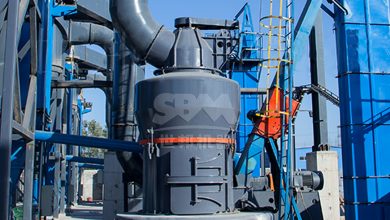
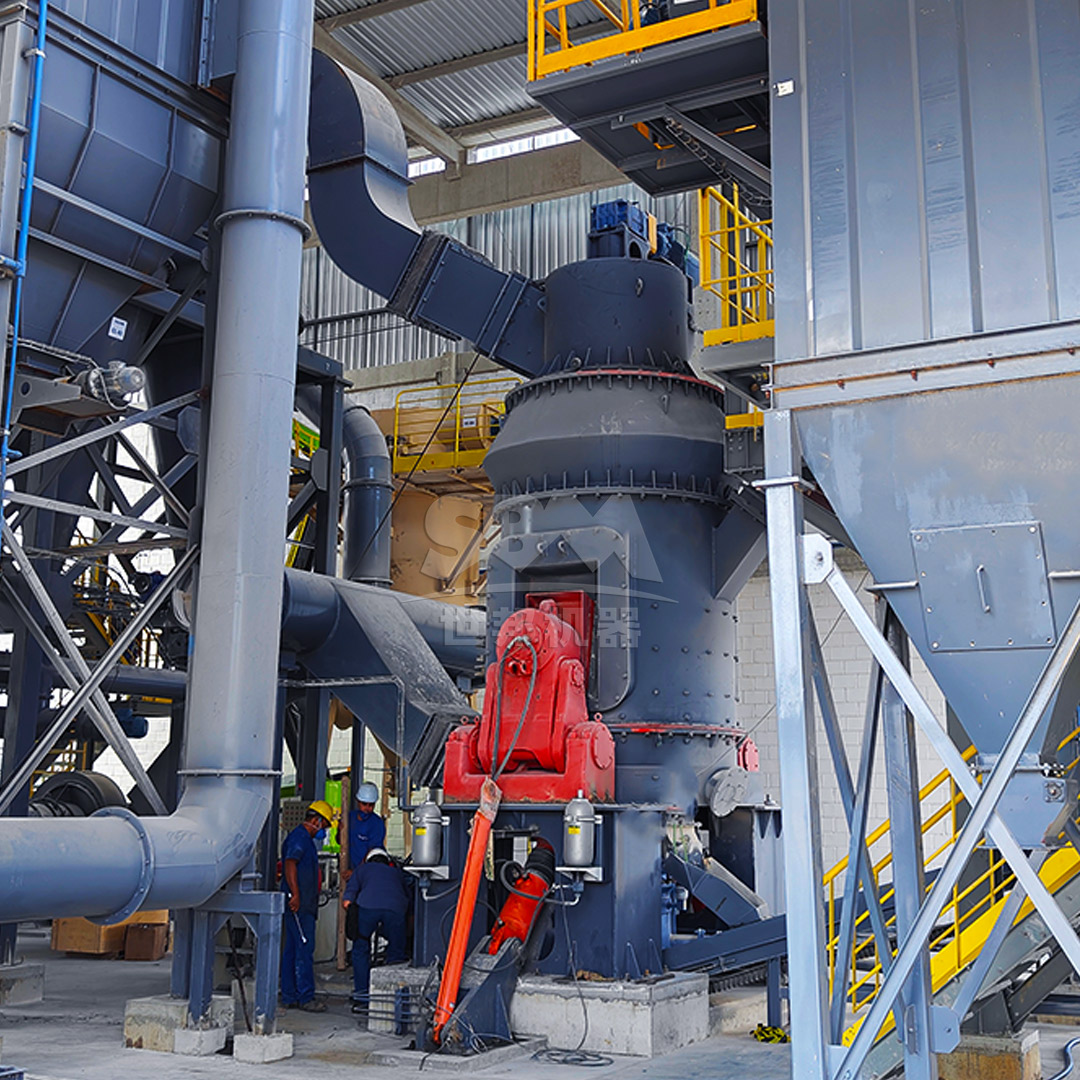
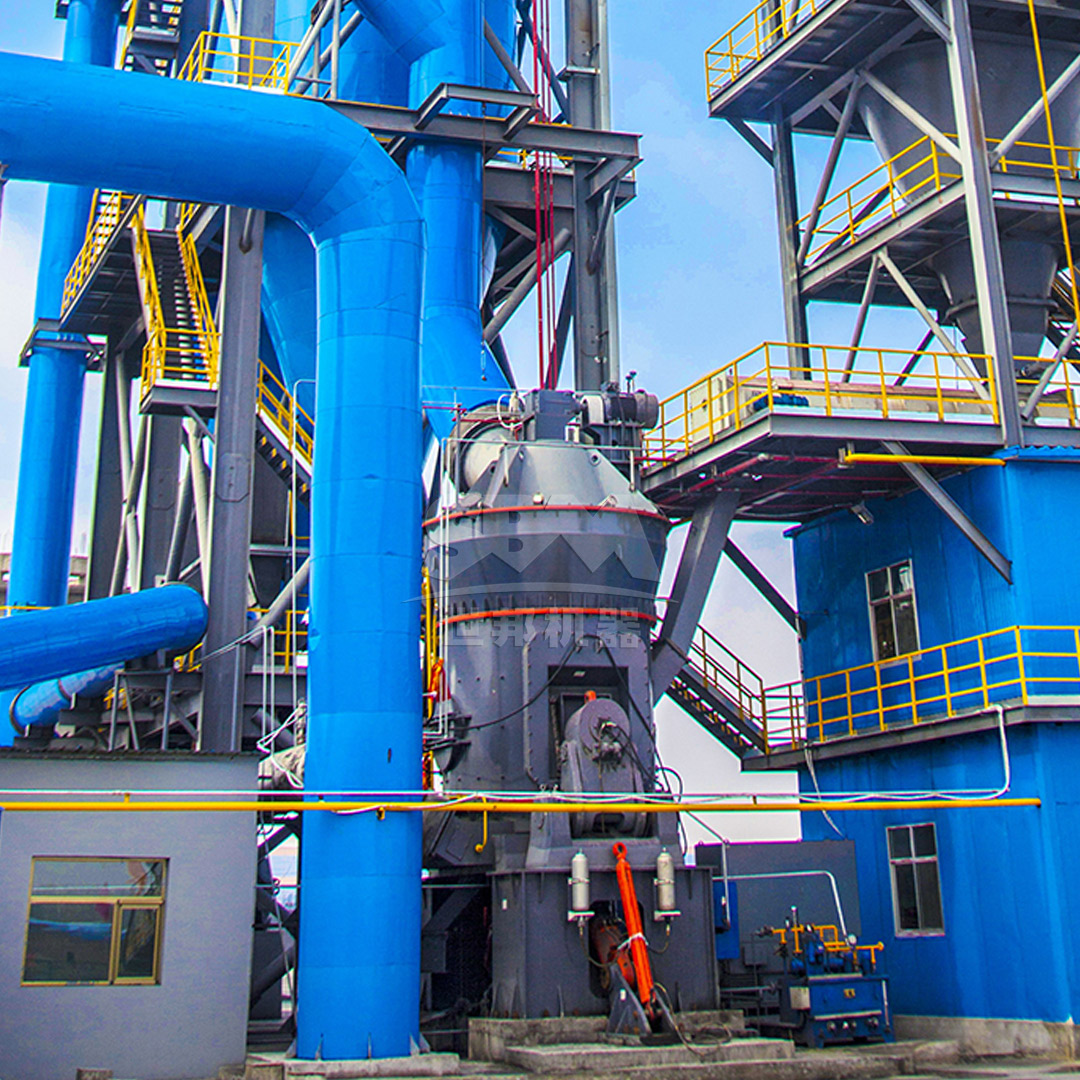
For the comprehensive processing of ferronickel slag, a system capable of handling high feed sizes, delivering a wide range of product fineness (from coarse aggregate sand to ultra-fine SCM), and operating with maximum reliability is essential. Our LM Series Vertical Roller Mill is engineered specifically for these demanding applications.
Why the LM Series is Ideal for Ferronickel Slag
- Integrated & Efficient Design: The system integrates crushing, grinding, drying, and classification in a single unit, reducing footprint by 50% and infrastructure costs by 40%. Its bed-grinding mechanism consumes 30-40% less energy than traditional ball mill systems for the same output.
- Superior Wear Resistance: Featuring a non-contact design between rollers and the grinding table, coupled with specially hardened rollers and table segments, the wear part life is increased by over 3 times. This is critical for the highly abrasive nature of nickel slag.
- Flexible Product Control: With an output fineness range of 30-325 mesh (and up to 600 mesh for special models), a single LM mill can produce products for multiple utilization pathways. The intelligent control system allows for real-time adjustment and monitoring to ensure consistent product quality.
- Environmental Compliance: The fully sealed negative pressure operation ensures dust emissions are kept well below international standards, while its low-noise design protects the workplace environment.
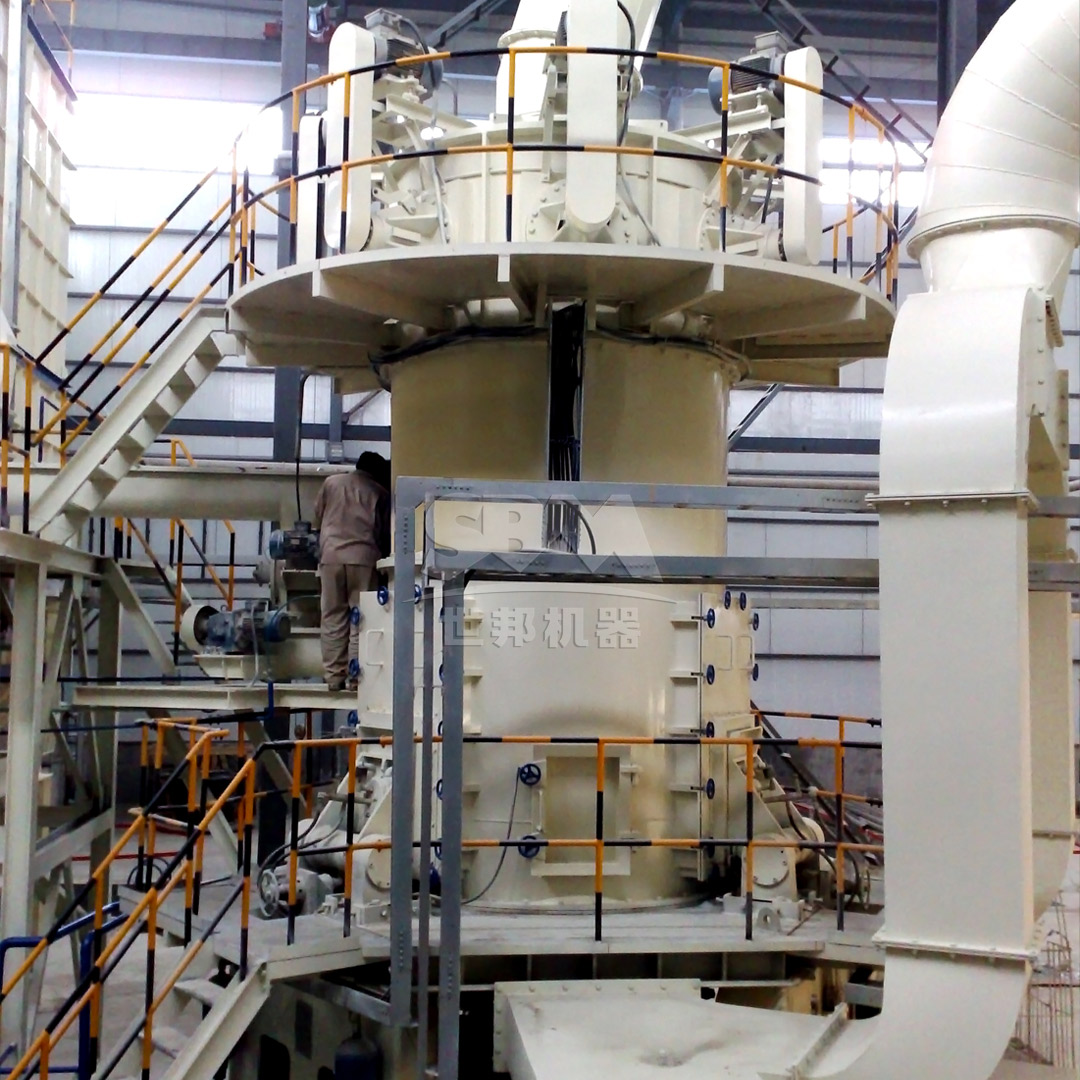
For projects requiring ultra-fine grinding of slag to maximize its pozzolanic activity (e.g., 2500 mesh for high-performance concrete), our SCM Series Ultrafine Mill provides the perfect solution. With an output fineness range of 325-2500 mesh (45-5μm) and a high-precision vertical turbine classifier, it produces uniformly fine powder with no coarse particle contamination. Its energy-efficient design offers capacity twice that of jet mills with 30% lower consumption, making it the most economical choice for producing premium-grade SCM from slag.
Processing System Configuration
A typical ferronickel slag comprehensive utilization plant with an LM Vertical Mill system includes:
- Pre-Crushing & Dosing: Raw slag (≤50mm) is fed via a vibrating feeder.
- Vertical Grinding: The LM mill grinds, dries (with optional hot air supply), and classifies the material.
- Product Separation: Fine powder is collected by a high-efficiency cyclone and pulse bag filter. A magnetic separator can be installed in the circuit to recover metallic fractions.
- Storage & Packaging: Finished powder is stored in silos for bulk dispatch or bagging.
Economic and Environmental Benefits
Adopting a vertical mill-based processing route transforms a cost center (slag disposal) into a profit center. The sale of ground slag as SCM or cement raw material generates direct revenue. Indirect benefits include reduced carbon taxes (due to lower cement clinker factor), elimination of landfill fees, and conservation of natural resources (clay, sand). Environmentally, it represents a闭环 (closed-loop) industrial process, minimizing waste and the associated risks of soil and water contamination.
Conclusion
The comprehensive utilization of ferronickel slag is no longer a theoretical concept but a practical, profitable, and sustainable industrial practice. The success of this endeavor is fundamentally dependent on selecting the right grinding technology. Vertical Roller Mills, particularly robust and efficient models like our LM Series, provide the necessary performance, durability, and flexibility to process this challenging material into a spectrum of valuable products. By investing in advanced milling solutions, nickel producers can achieve full resource circulation, enhance their environmental stewardship, and build new revenue streams from what was once considered mere waste.