Is Quartz Sand Grinding Profitable? Silica Micro Powder Processing Profit Analysis
Introduction: The Rising Value of High-Purity Silica
The global market for high-purity silica micro powder is experiencing sustained growth, driven by demand from high-tech industries such as electronics, semiconductors, photovoltaic panels, advanced composites, and high-performance coatings. Quartz sand, the primary raw material, is abundant and inexpensive. However, the transformation of this coarse, low-value sand into high-purity, ultra-fine silica powder with precise particle size distribution is where significant value is added. This article provides a comprehensive profitability analysis of quartz sand grinding operations, examining key cost factors, market dynamics, and the critical role of advanced processing technology in determining the bottom line.
Market Demand and Price Points for Silica Powder
The profitability of a grinding operation is directly tied to the specifications of the final product. The market segments silica powder primarily by fineness (mesh size) and purity.
- Coarse Grinds (30-200 mesh): Used in foundries, filtration, and construction. Prices are relatively low, offering thin margins that depend heavily on high-volume, low-cost processing.
- Fine Powder (200-500 mesh): Applications include ceramics, paints, and adhesives. This segment commands better prices and represents a balanced market in terms of technology requirement and return.
- Ultrafine & Micronized Powder (500-2500 mesh): This is the high-value segment. Used in electronics encapsulants, silicone rubber, specialty coatings, and advanced plastics, these products can fetch prices many times higher than raw quartz sand. The ability to consistently produce powder within this range, especially with tight particle size distribution and low contamination, is the key to high profitability.
The price differential between raw sand (a few dollars per ton) and processed 1250 mesh silica powder (hundreds of dollars per ton) clearly illustrates the value-adding potential of grinding.
Core Cost Factors in Silica Grinding Profitability
To accurately assess profitability, one must dissect the major cost components of a silica milling operation.
1. Capital Investment (CAPEX)
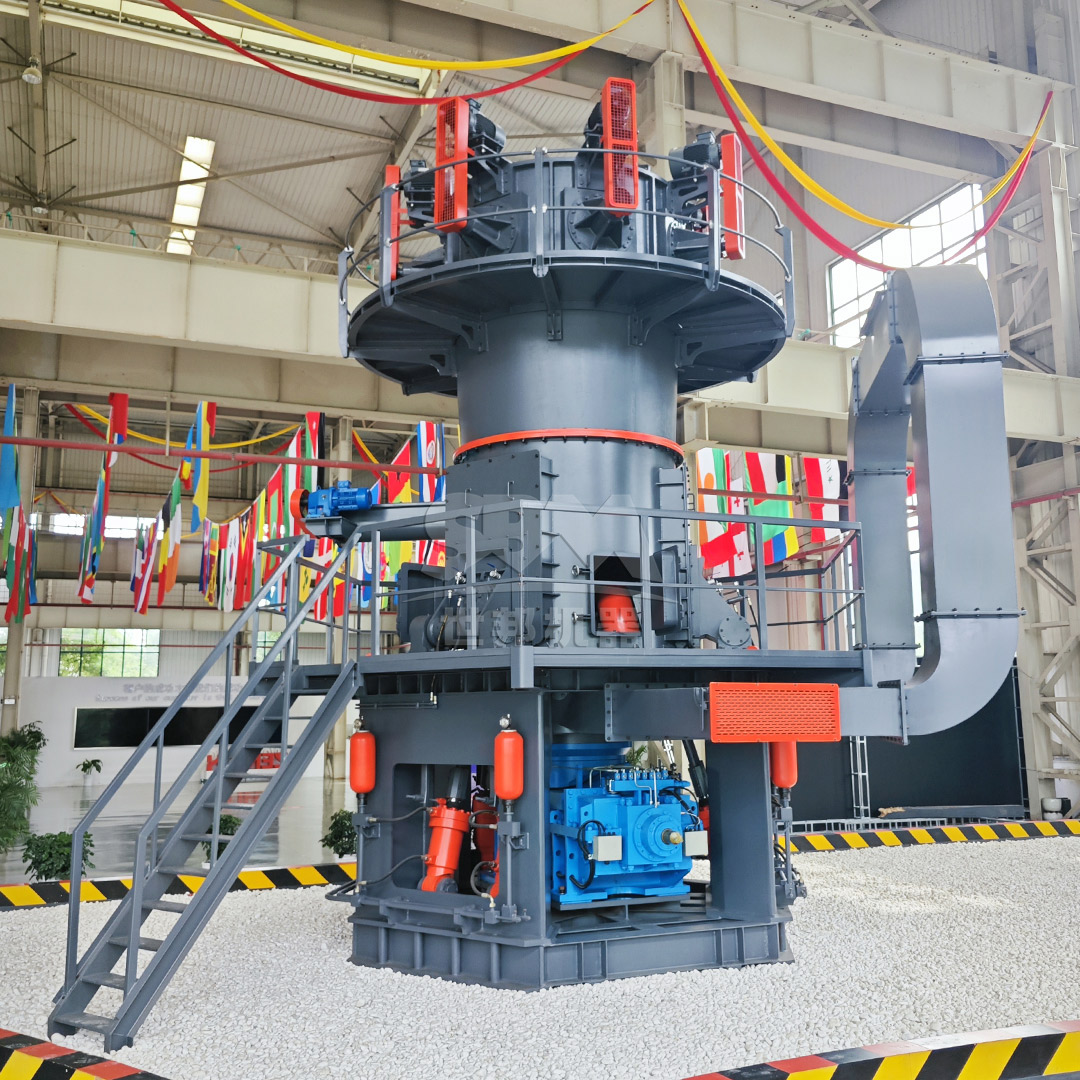
This is the initial cost of the grinding plant, dominated by the milling system itself. The choice of technology—ball mill, Raymond mill, vertical roller mill, or ultrafine mill—has a profound impact on both upfront cost and long-term operational efficiency. A higher initial investment in a more efficient, durable system often leads to lower lifetime costs and higher profitability.
2. Operational Costs (OPEX)
- Energy Consumption: Grinding, especially to ultrafine sizes, is highly energy-intensive. Electricity can constitute 40-60% of the total production cost. Therefore, the specific energy consumption (kWh/ton) of the grinding mill is the single most critical factor for ongoing profitability.
- Wear Parts & Maintenance: Silica is highly abrasive. The consumption of grinding rollers, rings, liners, and classifier blades represents a major recurring cost. Equipment designed with special wear-resistant materials and easy-maintenance features drastically reduces downtime and parts replacement costs.
- Labor & Overheads: Automated, intelligent control systems can minimize labor requirements and ensure consistent product quality, reducing human error and operational overheads.
- Yield and Product Quality: Low collection efficiency, poor classification leading to off-spec product, or high contamination rates directly eat into profits. High-efficiency dust collectors and precision classifiers are not optional for a profitable high-end operation.
The Technology Imperative: Choosing the Right Mill
The heart of a profitable silica processing plant is the grinding mill. The wrong technology choice can render an operation uncompetitive due to high energy costs, excessive maintenance, or an inability to reach target fineness.
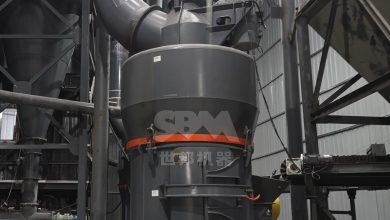
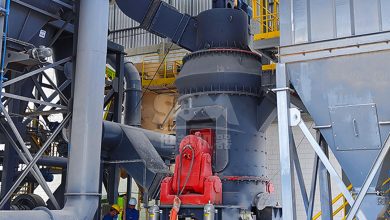
For high-value silica micro powder (325-2500 mesh), traditional ball mills are often inefficient and lack precise classification. The industry standard has shifted towards advanced vertical roller mills and specialized ultrafine grinding systems.
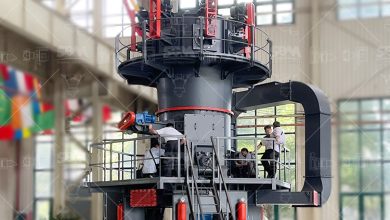
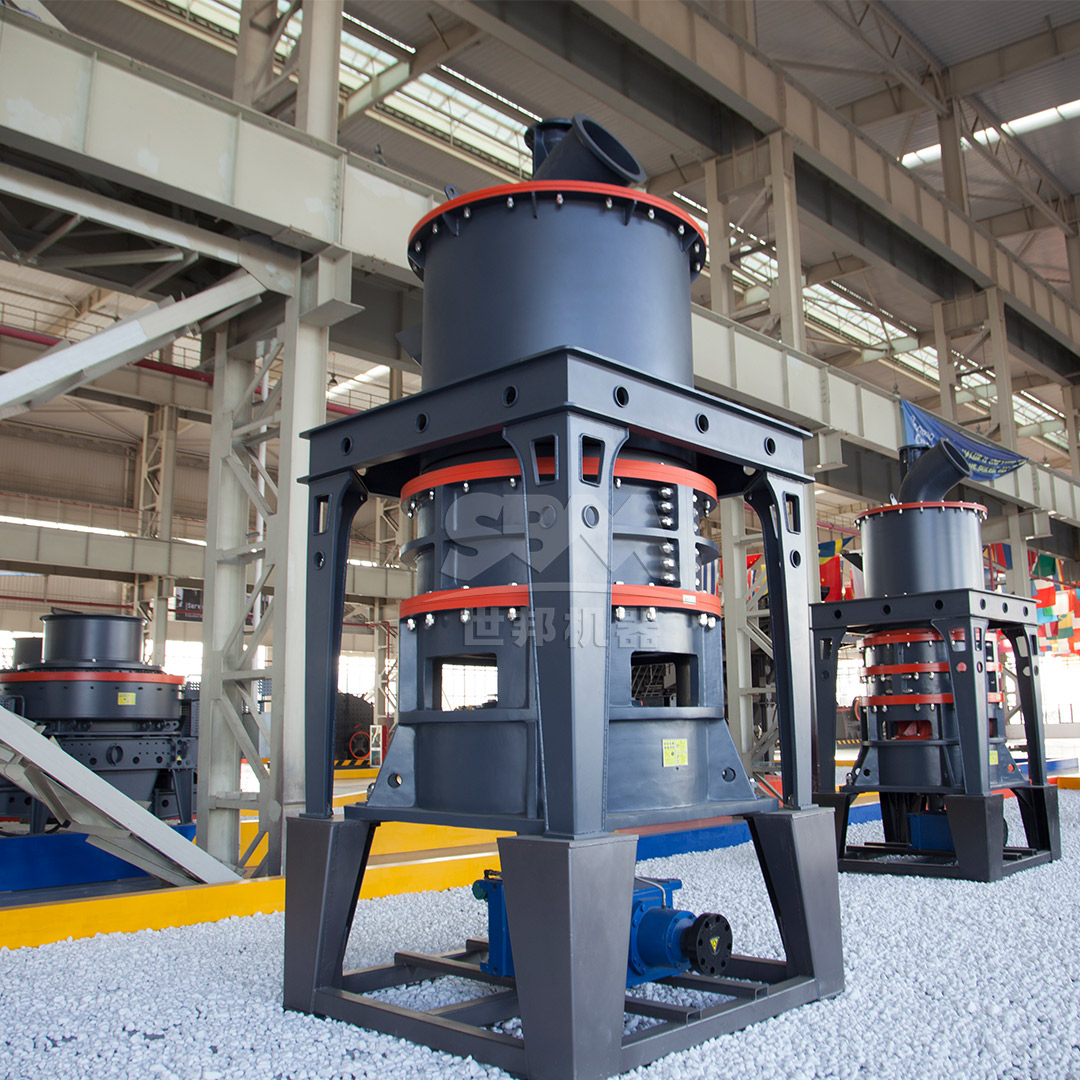
For investors targeting the lucrative ultrafine market, we strongly recommend our SCM Series Ultrafine Mill. This mill is engineered specifically for high-value mineral processing and addresses all key profitability drivers:
- High Efficiency & Energy Saving: Its grinding mechanism achieves a capacity 2x that of jet mills while consuming 30% less energy, directly attacking the largest OPEX component.
- High-Precision Classification: The integrated vertical turbine classifier ensures sharp particle size cuts and uniform product quality, maximizing the yield of in-spec, high-value powder.
- Durable Design for Abrasive Materials: Featuring special material rollers and rings with a service life several times longer than standard parts, it is built to withstand silica’s abrasiveness, minimizing wear part costs and downtime.
- Turnkey Eco-friendly Operation: With a pulse dust collection efficiency exceeding 99.9% and a soundproof design, it ensures environmental compliance and a better working environment without additional investment.
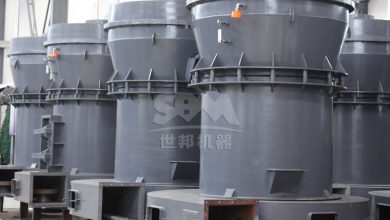
For operations requiring high capacity in the fine to medium-fine range (30-325 mesh), such as producing silica flour for industrial applications, our MTW Series European Trapezium Mill presents an optimal solution. Its advantages include an anti-wear shovel design, an integral bevel gear drive with 98% transmission efficiency, and a wear-resistant volute structure that collectively ensure robust, low-maintenance, and cost-effective production.
Profitability Analysis: A Simplified Model
Let’s consider a simplified model for a plant producing 10 tons per hour of 800 mesh silica powder.
- Revenue: 10 TPH * 20 hrs/day * 300 days/yr = 60,000 tons/year. At a conservative market price of $300/ton, Annual Revenue = $18,000,000.
- Major Costs:
- Raw Quartz Sand: 60,000 tons * $20/ton = $1,200,000
- Electricity: Using an efficient mill like the SCM1250 (approx. 185kW main power), total system power ~350kW. 350kW * 20 hrs * 300 days = 2,100,000 kWh. At $0.1/kWh, Energy Cost = $210,000.
- Wear Parts & Maintenance: Estimated at $150,000/year.
- Labor, Packaging, Overheads: Estimated at $800,000/year.
- Gross Profit (Simplified): $18,000,000 – ($1,200,000 + $210,000 + $150,000 + $800,000) = $15,640,000.
This model, while simplified, highlights a crucial point: the cost of raw material and energy (directly tied to mill efficiency) are relatively small compared to the final product value. The high gross margin underscores the potential profitability. The key is controlling the operational costs through technology selection, which protects these margins.
Conclusion: A Verdict on Profitability
Is quartz sand grinding profitable? The answer is a resounding yes, but with critical caveats. The profitability is not in the simple act of grinding, but in the efficient, consistent, and high-quality transformation of sand into a specified, value-added product.
Success hinges on:
- Targeting the Right Market Segment: Focusing on fine and ultrafine powders where value addition is significant.
- Selecting Optimal Technology: Investing in a grinding system like the SCM Series Ultrafine Mill or MTW Series European Trapezium Mill, which minimizes the two largest variable costs—energy and maintenance—while guaranteeing product quality.
- Managing Operational Excellence: Leveraging intelligent controls for consistency and implementing robust quality assurance.
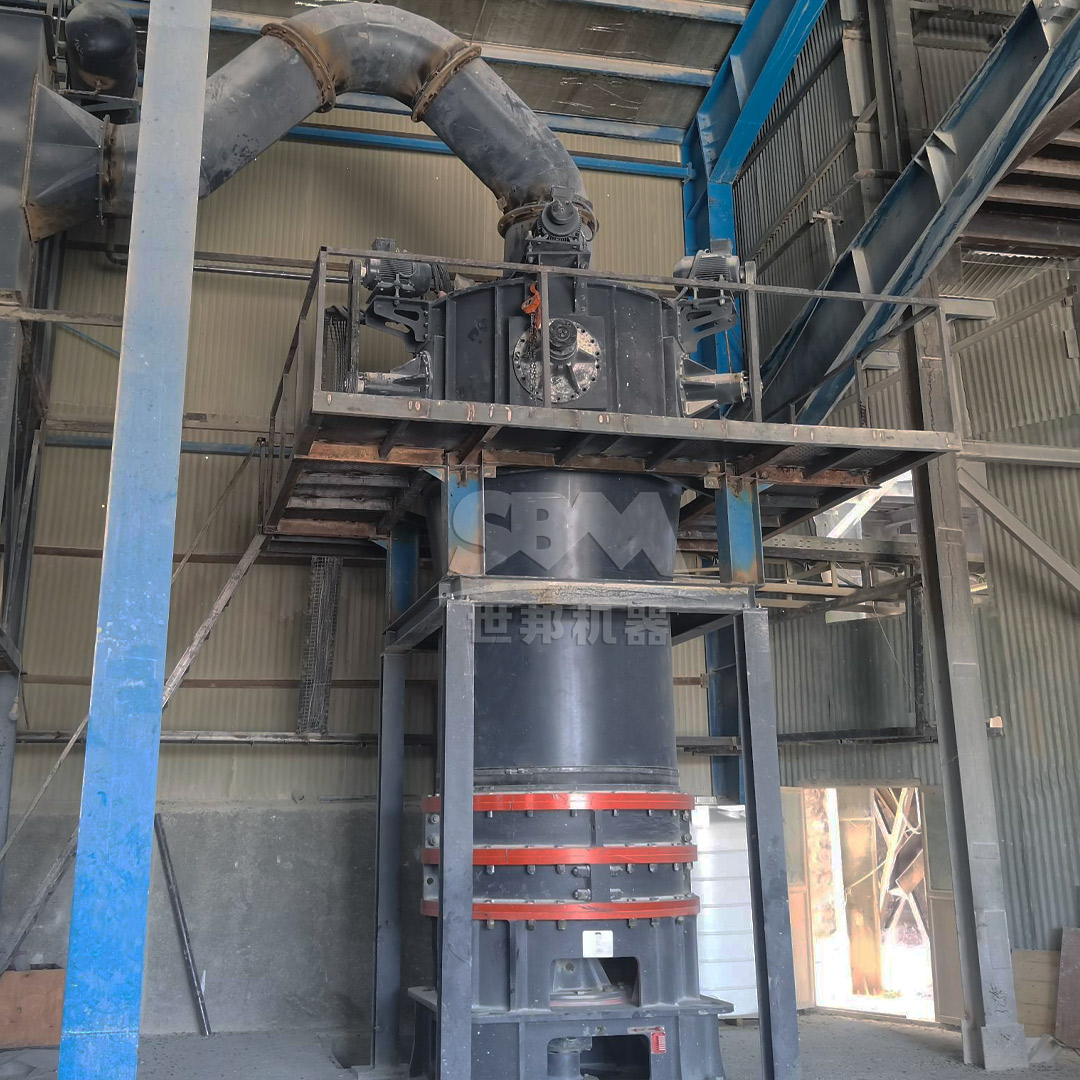
The silica micro powder market offers substantial opportunities. By partnering with the right technology provider and making a strategic investment in efficient grinding equipment, processors can capture significant value from abundant quartz sand, ensuring a profitable and sustainable operation for years to come.