Is Calcium Carbonate Powder Profitable? Market Demand & Sales Channels
Introduction: The Ubiquitous Mineral with Immense Potential
Calcium carbonate (CaCO3), a seemingly simple compound, is one of the most versatile and widely used industrial minerals on the planet. From the paper in your hands to the paint on your walls and the supplements in your cabinet, its applications are vast and growing. For entrepreneurs and established industrial players alike, the question of profitability in calcium carbonate powder production is not just relevant—it’s critical. This article delves into the robust market demand driving this industry, explores the primary sales channels, and examines the technological backbone required for a profitable venture: efficient and precise grinding machinery.
The Driving Forces: Unpacking Market Demand for Calcium Carbonate Powder
The global demand for calcium carbonate powder is on a steady upward trajectory, fueled by its functional properties as a filler, extender, whitener, and modifier. Profitability is intrinsically linked to understanding and tapping into these key sectors.
1. The Paper Industry: A Traditional Powerhouse
As a filler and coating pigment, calcium carbonate enhances paper’s brightness, opacity, smoothness, and printability. The shift towards alkaline papermaking from acid-based processes has solidified GCC (Ground Calcium Carbonate) and PCC (Precipitated Calcium Carbonate) as essential raw materials. The demand here is for high-brightness, fine, and ultra-fine grades.
2. Plastics and Polymers: Lightweighting and Reinforcement
In plastics, calcium carbonate acts as a cost-effective filler that improves stiffness, impact strength, and dimensional stability while reducing raw material costs. The trend towards lightweight automotive parts and sustainable packaging directly boosts demand for surface-treated, fine-grade powders that ensure good dispersion within polymer matrices.
3. Paints and Coatings: Enhancing Performance and Aesthetics
Here, calcium carbonate serves as an extender pigment, providing whiteness, sheen control, and improved suspension. It is a key component in both water-based and solvent-based formulations. The market demands powders with consistent particle size distribution and low abrasiveness to protect application equipment.
4. Construction: The Bedrock of Demand
This sector consumes vast quantities of coarser grades. Calcium carbonate is a primary ingredient in sealants, adhesives, joint compounds, and as a filler in asphalt and concrete. The ongoing global infrastructure development ensures stable, high-volume demand.
5. Emerging and Niche Markets
High-purity calcium carbonate is essential in pharmaceuticals (as an antacid and calcium supplement) and food (as a fortifying agent and acidity regulator). Furthermore, its use in environmental applications like flue gas desulfurization and water treatment presents growing opportunities. These sectors command premium prices for ultra-pure, precisely sized powders, often in the micron and sub-micron ranges.
The Path to Market: Key Sales Channels for Calcium Carbonate Powder
Establishing effective sales channels is as crucial as production. Profitability hinges on reaching the right customers efficiently.
1. Direct B2B Sales to Large Industrial Consumers
This is the most significant channel for high-volume producers. Establishing long-term contracts directly with paper mills, plastic compounders, large paint manufacturers, and construction material companies ensures stable offtake. Success here depends on consistent quality, reliable supply, and competitive pricing.
2. Distributors and Agents
For producers, especially those new to a region or without an extensive sales force, partnering with established chemical or industrial mineral distributors is vital. They provide market access, local logistics, and customer service, expanding reach to small and medium-sized enterprises (SMEs) across various industries.
3. Specialized Niche Market Suppliers
Selling high-value, ultra-fine or surface-modified grades to pharmaceutical, food, and cosmetic industries often requires specialized distributors who understand stringent regulatory and quality documentation requirements (e.g., USP, FCC, ISO standards).
4. Online B2B Platforms and Trade
Platforms like Alibaba, trade associations, and industry-specific directories are increasingly important for generating leads, showcasing product specifications, and connecting with international buyers, particularly for export-oriented producers.
The Core of Profitability: Selecting the Right Grinding Technology
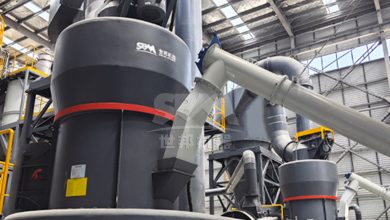
The single most critical factor determining the profitability of a calcium carbonate powder operation is the grinding mill. The choice of technology dictates product fineness, capacity, energy consumption (a major operational cost), maintenance overhead, and ultimately, the ability to meet specific market demands.
Producers targeting the lucrative markets for fine (325-800 mesh) and ultra-fine (800-2500 mesh) powders require advanced milling solutions that offer precision, efficiency, and reliability. Inefficient mills lead to excessive energy bills, inconsistent product quality, and high downtime, eroding profit margins.
Technology Spotlight: Meeting the Demand for Ultra-Fine Powder
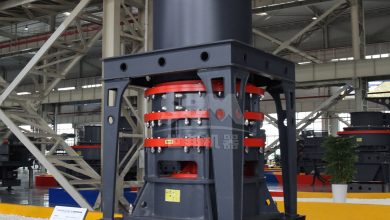
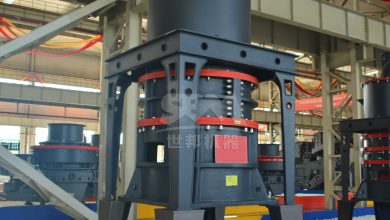
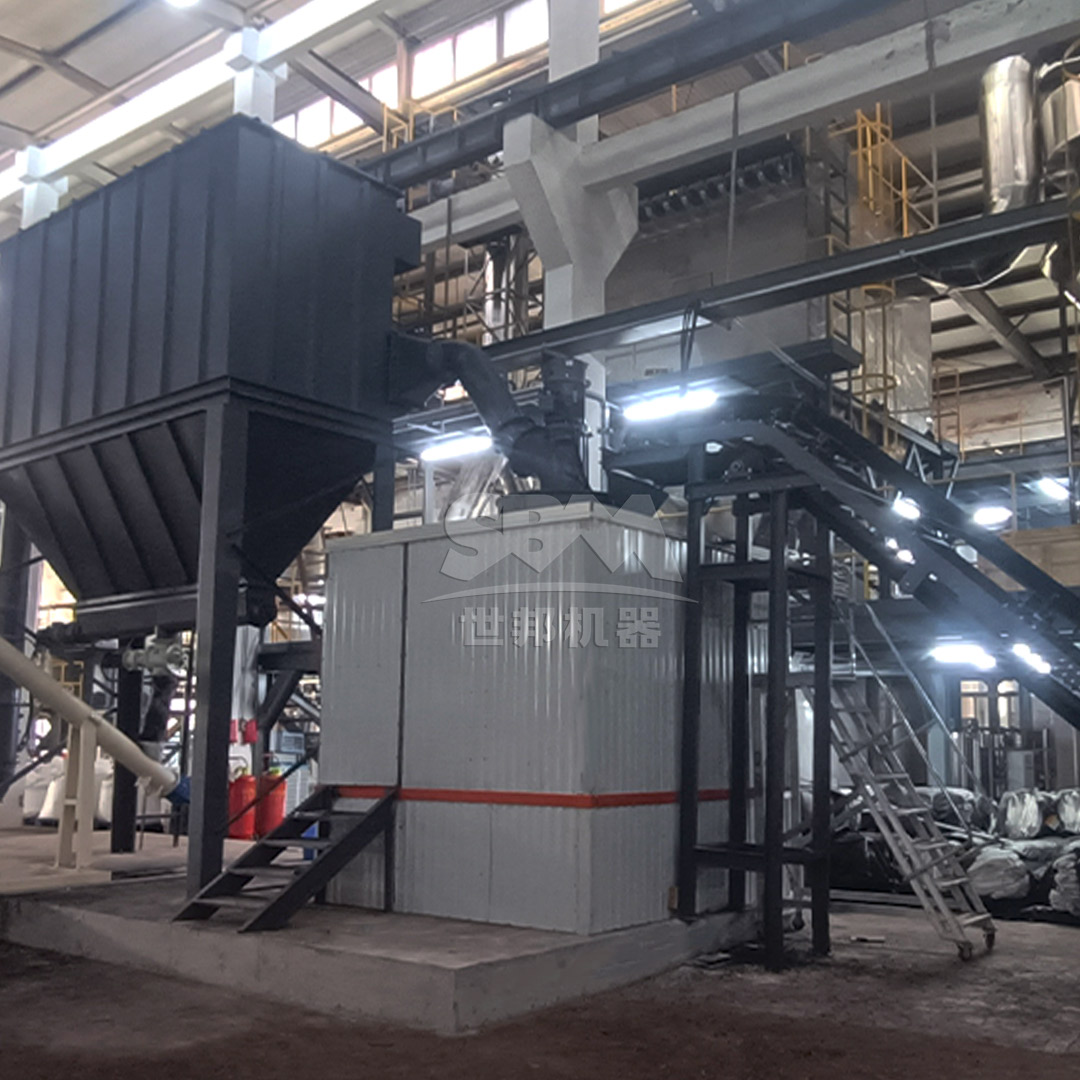
For producers aiming at the high-end of the market, the SCM Series Ultrafine Mill represents an ideal technological partner. Engineered specifically for producing fine and ultra-fine powders between 325 and 2500 mesh (45-5μm), this mill is a cornerstone for profitability in premium segments.
Its advantages directly address key cost and quality concerns:
- High Efficiency & Energy Saving: With a capacity twice that of traditional jet mills and 30% lower energy consumption, it drastically reduces the cost per ton of production. Its intelligent control system with automatic granularity feedback ensures consistent output with minimal waste.
- High-Precision Classification: The integrated vertical turbine classifier enables precise particle size cutting, guaranteeing a uniform finished product without coarse powder mixing—a critical requirement for paints, coatings, and high-performance plastics.
- Durable & Eco-friendly: Special material rollers and rings extend service life, lowering maintenance costs. Coupled with a pulse dust collection system exceeding international standards and a soundproof design, it ensures environmentally compliant and worker-friendly operation.
With models like the SCM1000 (1.0-8.5t/h) or the high-capacity SCM1680 (5.0-25t/h), producers can scale their operations to match market demand efficiently, from specialized niche production to large-scale industrial supply.
Technology Spotlight: High-Capacity Production for Core Industries
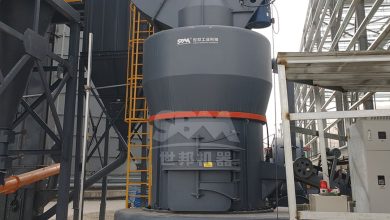
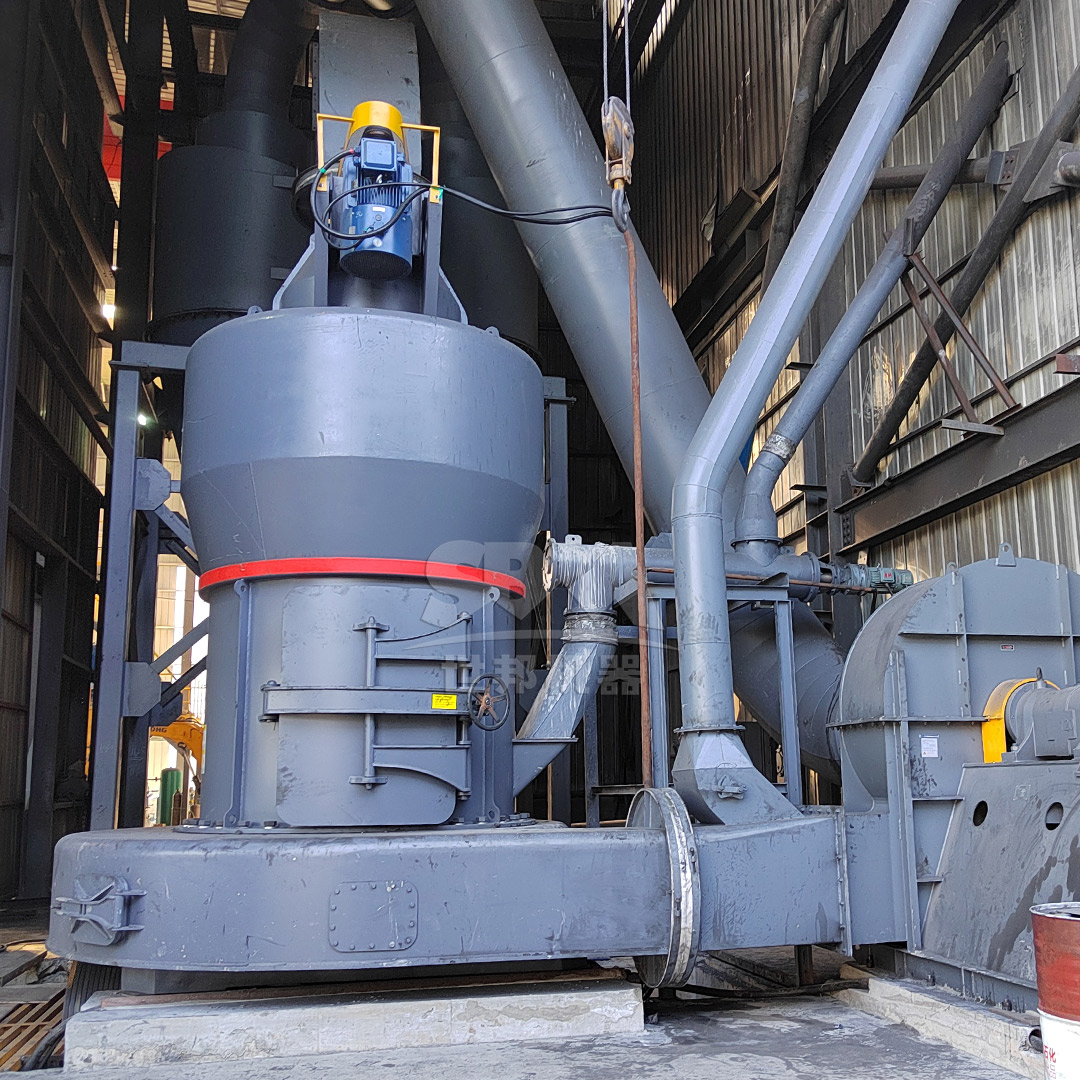
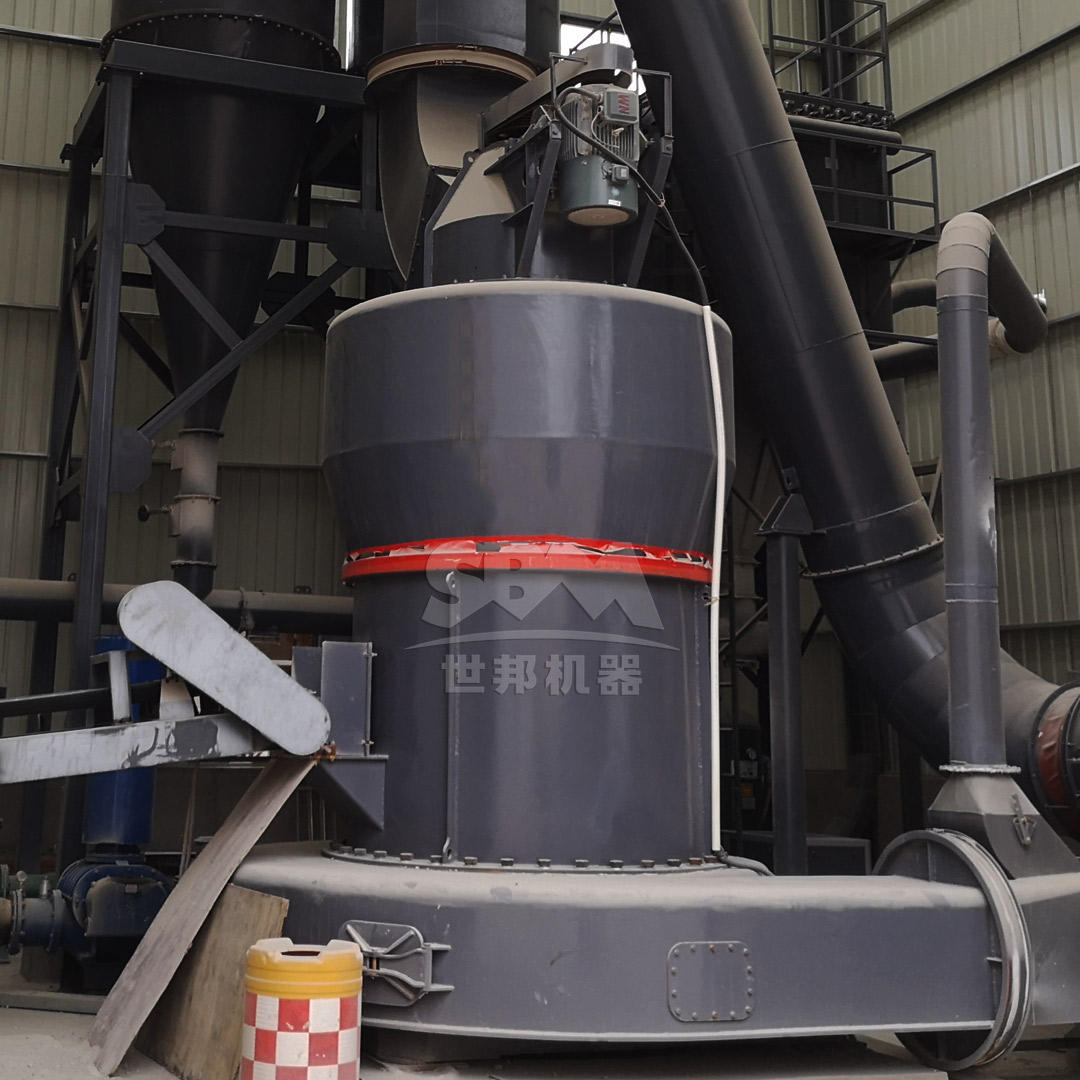
For operations focused on serving the voluminous needs of the paper, plastics, and construction industries with fine powders in the 30-325 mesh range, the MTW Series European Trapezium Mill offers an unbeatable combination of capacity and economy.
Key features that enhance profitability include:
- Robust, Low-Maintenance Design: The anti-wear shovel and optimized arc air duct reduce wear and energy loss, directly lowering operating costs. The integral bevel gear drive boasts 98% transmission efficiency.
- Large Capacity Range: Models like the MTW215G can process up to 45 tons per hour, making it perfect for high-volume production lines where throughput is paramount.
- Proven Reliability: Its working principle, based on stable grinding roller rotation and centrifugal force, ensures continuous, trouble-free operation, maximizing uptime and revenue generation.
Conclusion: A Resoundingly Profitable Venture with the Right Foundation
The question “Is calcium carbonate powder profitable?” can be answered with a confident yes, given the sustained and diversified market demand across traditional and emerging industries. The path to profitability, however, is not automatic. It requires a strategic understanding of target market specifications and, most importantly, an investment in the right production technology.
Success hinges on the ability to produce the required fineness and quality at the lowest possible operational cost. This makes the selection of grinding equipment—such as the high-precision SCM Series Ultrafine Mill for premium markets or the high-capacity MTW Series European Trapezium Mill for core industrial applications—the most critical business decision. By aligning advanced milling technology with clear market channel strategies, producers can transform raw limestone into a highly profitable and sustainable powder business.