Is a Calcium Carbonate Grinding Plant Profitable? Investment Analysis
Introduction: The Lucrative World of Calcium Carbonate
The global calcium carbonate market, a cornerstone of industries from paper and plastics to paints and pharmaceuticals, is experiencing sustained growth. For investors and entrepreneurs, establishing a dedicated calcium carbonate grinding plant presents a significant opportunity. However, the path to profitability is paved with critical technical and financial decisions. This comprehensive analysis delves into the key factors determining the success of such a venture, with a particular focus on the pivotal role of grinding technology selection.
Market Demand and Profit Drivers
The profitability of a calcium carbonate plant is fundamentally tied to market dynamics. The demand for both Ground Calcium Carbonate (GCC) and Precipitated Calcium Carbonate (PCC) is driven by their use as functional fillers and extenders. Key profit drivers include:
- Product Fineness and Quality: Higher-value applications (e.g., masterbatch, high-grade paper coating, pharmaceuticals) command premium prices for ultra-fine (below 10μm) and consistently sized powder.
- Production Capacity and Scale: Economies of scale significantly reduce per-ton operating costs, making medium to large-scale plants (10+ tons per hour) more competitive.
- Operational Efficiency: Energy consumption is the single largest variable cost in grinding. Equipment with higher grinding efficiency directly translates to superior profit margins.
- Raw Material Access: Proximity to high-purity limestone deposits minimizes logistics costs and ensures stable feedstock quality.
Core Investment: The Grinding Mill System
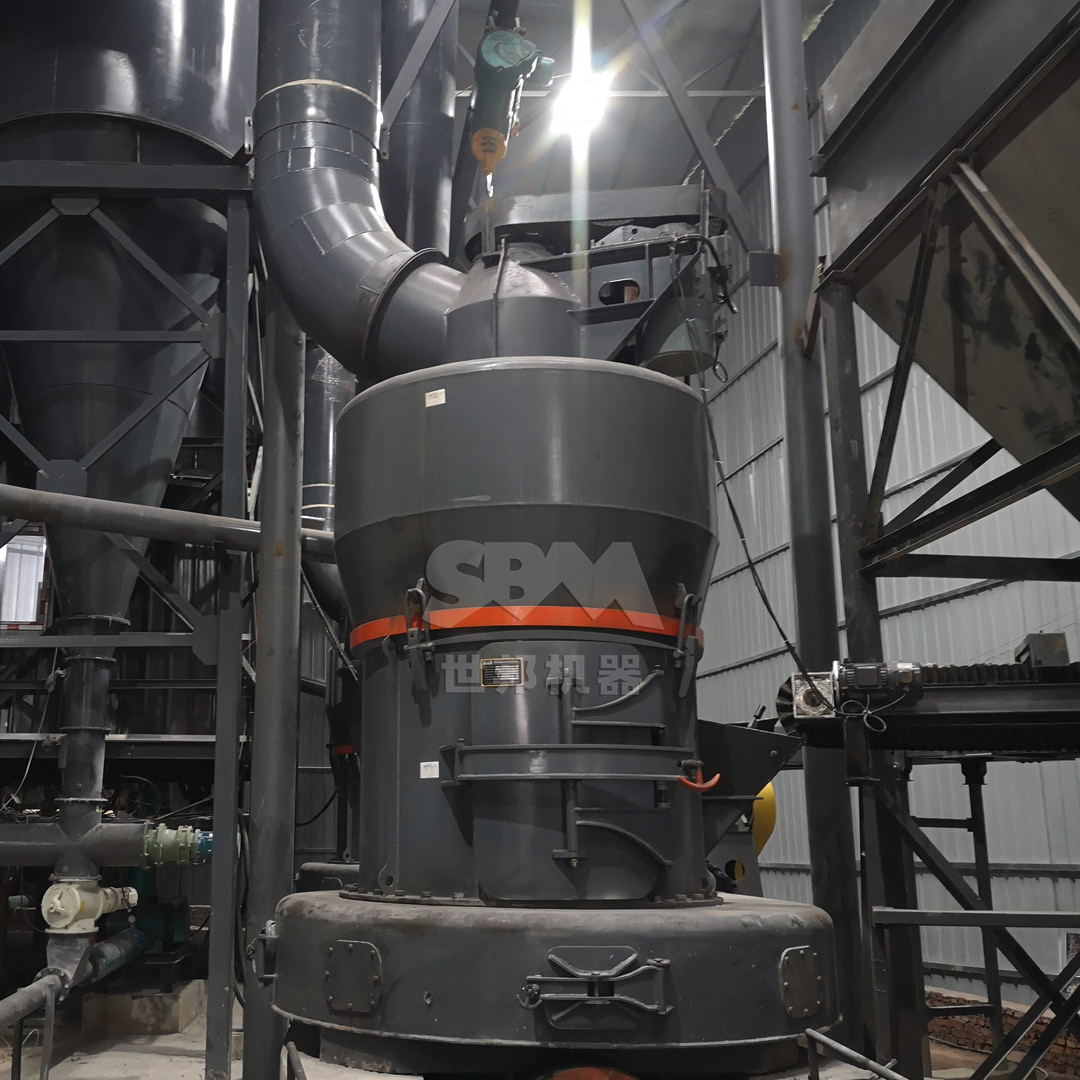
The heart of the plant—and the most critical capital expenditure—is the grinding mill. The choice of technology dictates product range, energy bills, maintenance costs, and ultimately, return on investment (ROI). The market offers a spectrum of solutions, from traditional ball mills to advanced vertical roller and ultrafine mills.
Technology Comparison: Finding the Right Fit
- Ball Mills: A proven, robust technology suitable for coarse to medium grinding. However, they are notoriously energy-intensive (low efficiency), have high wear rates, and produce a broad particle size distribution, limiting access to high-value markets.
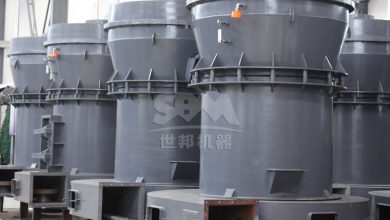
- Raymond Mills (Traditional Pendulum Mills): Suitable for producing 80-400 mesh powder. While cost-effective for entry-level products, they struggle with finer ranges and have higher energy consumption per ton for fine grinding compared to modern alternatives.
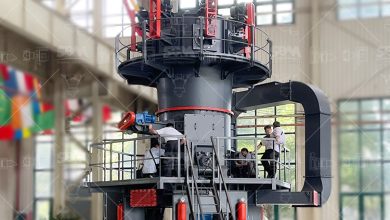
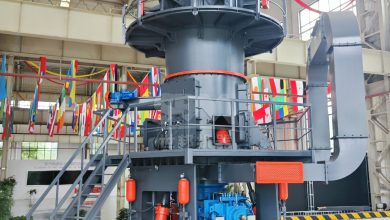
- Vertical Roller Mills (VRM): Represent a technological leap for large-scale production (3-250 t/h) of 30-325 mesh powder. Their integrated drying, grinding, and classifying system offers 30-50% lower energy consumption than ball mills and a significantly smaller footprint.
- Ultrafine Grinding Mills: Essential for tapping into the high-margin markets for products finer than 325 mesh (45μm), up to 2500 mesh (5μm). Technologies like ultrafine vertical mills or ring roller mills are designed for high precision and efficiency at these demanding fineness levels.
Strategic Equipment Selection: A Path to Enhanced Profitability
Selecting the correct mill is not just about meeting a spec sheet; it’s about building a competitive advantage. For a profitable calcium carbonate plant targeting a broad market from coarse filler to premium ultrafine powder, a two-mill strategy is often optimal: one high-capacity mill for base products and one high-precision mill for specialty grades.
For the high-volume production of 30-325 mesh filler-grade calcium carbonate, the MTW Series European Trapezium Mill is an outstanding choice. Its advantages directly combat major cost centers:
1. Anti-wear Shovel & Volute Design: Combined shovel blades and wear-resistant structures reduce maintenance frequency and cost, maximizing uptime.
2. Integral Bevel Gear Drive: With 98% transmission efficiency, it converts more electrical input into grinding power, slashing energy waste.
3. Optimized Airflow: The arc air duct and efficient classifier reduce system resistance, further lowering the power consumption of ancillary fans. For a plant producing 20 tons per hour of 200-mesh powder, these efficiency gains can save hundreds of thousands of dollars annually in electricity costs compared to older technologies.
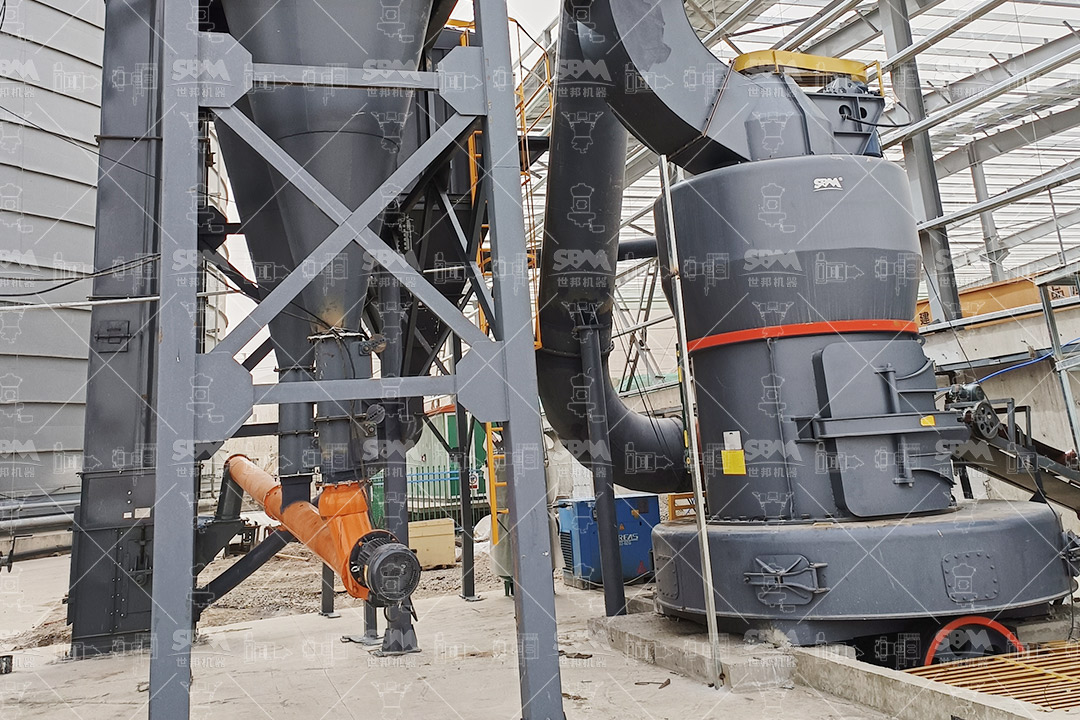
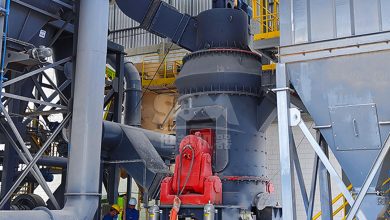
To capture the high-value segment, a mill capable of efficient ultrafine grinding is non-negotiable. Here, the SCM Series Ultrafine Mill excels. It is engineered specifically for profitability in the fine powder arena:
1. High Efficiency & Energy Saving: It offers double the capacity of a jet mill with 30% lower energy consumption, thanks to its layer-by-layer grinding principle and intelligent control system that prevents over-grinding.
2. High-Precision Classification: The vertical turbine classifier ensures a sharp particle cut. This produces a uniform product with no coarse contamination, allowing you to meet stringent customer specifications and command premium prices.
3. Durable Design & Eco-friendly: Special material rollers extend service life, while the pulse dust collection system ensures emissions are well below international standards, avoiding potential fines and ensuring sustainable operation.
Comprehensive Investment Cost Analysis
A realistic financial model must account for all cost components:
- Capital Expenditure (CAPEX): Land, factory building, grinding mill system (mill, classifier, dust collector, feeder), auxiliary equipment (crusher, packing machine), electrical systems, installation.
- Operational Expenditure (OPEX):
- Raw Material: Cost of limestone feedstock.
- Energy: Power consumption of the main mill motor, classifier, and fans (constituting 50-70% of OPEX).
- Labor: Wages for operational and maintenance staff.
- Maintenance & Wear Parts: Cost of rollers, rings, liners, and other consumables.
- Logistics & Packaging: Bagging, palletizing, and transportation.
The ROI is highly sensitive to the mill’s performance. A mill that is 30% more energy-efficient pays back its potentially higher upfront cost within a short period through sustained OPEX savings.
Risk Assessment and Mitigation
Potential risks must be managed:
- Technical Risk: Mitigated by partnering with a reputable equipment supplier offering proven technology, comprehensive testing services, and reliable after-sales support.
- Market Risk: Diversifying the product portfolio (multiple fineness grades) and securing long-term offtake agreements with key customers.
- Operational Risk: Implementing preventive maintenance schedules and ensuring proper operator training, often provided by the equipment manufacturer.
Conclusion: A Resounding Yes, with Strategic Choices
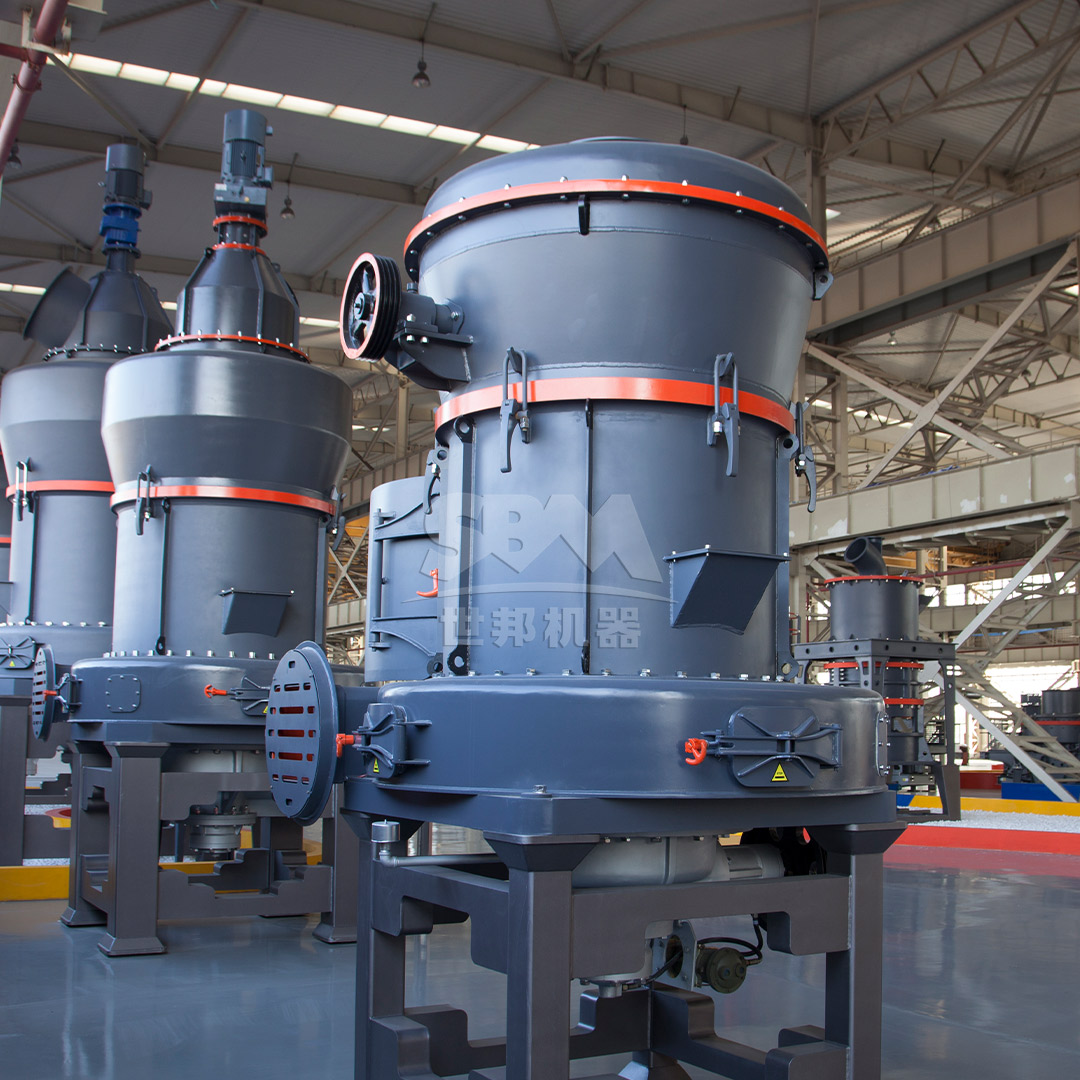
Establishing a calcium carbonate grinding plant can be highly profitable, given strong market demand and sound planning. The critical determinant of success is the strategic selection of grinding technology. Investing in modern, efficient mills like the MTW Series for high-volume production and the SCM Series for premium ultrafine products is not an expense but a strategic investment. This approach minimizes the largest cost factor (energy), maximizes product quality and range, reduces maintenance downtime, and ensures environmental compliance. By prioritizing advanced grinding solutions, investors can build a plant that is not only profitable but also resilient and competitive in the long term.