How to Use Vertical Roller Mill for Slag to Produce High-Strength Admixture for Pipe Pile Concrete?
Introduction: The Critical Role of Slag in Modern Concrete
In the demanding world of precast concrete, particularly for high-performance applications like pipe piles, the quest for enhanced strength, durability, and cost-efficiency is relentless. Granulated Blast Furnace Slag (GBFS), a by-product of the iron-making industry, has emerged as a premier supplementary cementitious material (SCM). When finely ground, slag powder significantly improves the long-term compressive strength, chloride ion resistance, and sulfate attack resistance of concrete—properties paramount for pipe piles exposed to harsh marine or soil environments. The key to unlocking these benefits lies in the transformation of raw slag granules into a highly reactive, ultra-fine powder. This process is most effectively and efficiently achieved through the use of advanced Vertical Roller Mill (VRM) technology.
The Grinding Process: From Granules to High-Reactivity Powder
The production of high-strength slag admixture follows a precise sequence, with grinding being the core technological stage.
1. Raw Material Preparation
GBFS with controlled chemical composition (typically high glass content and suitable basicity) and low moisture content (<1%) is preferred. The material is fed into the mill system after preliminary size control.
2. Drying & Grinding in the Vertical Roller Mill
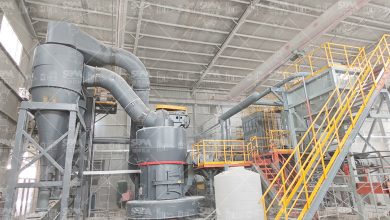
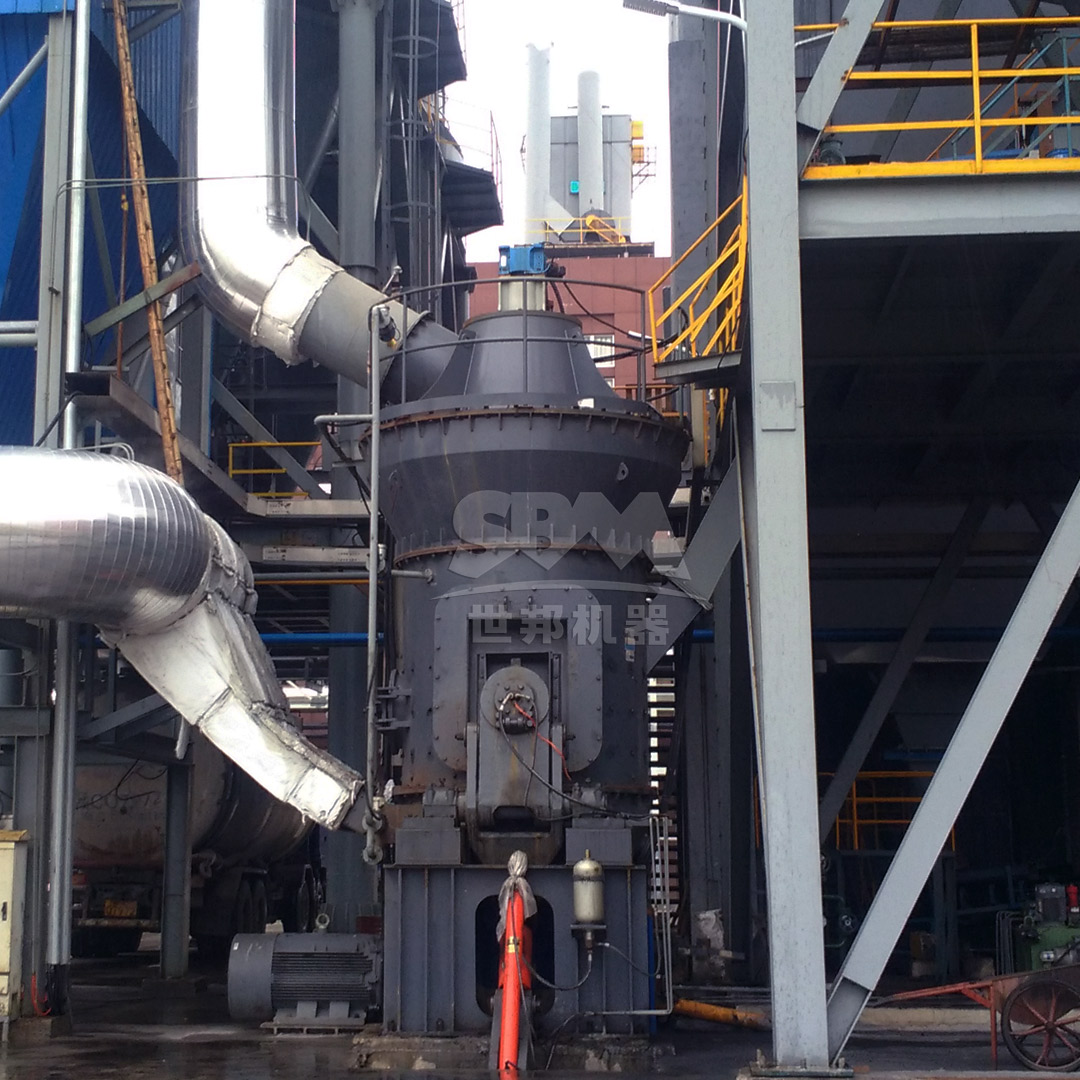
This is the heart of the operation. The VRM integrates drying, grinding, and classification in a single, compact unit. Hot gas (often from a dedicated hot air generator) is introduced into the mill chamber, simultaneously drying the slag and carrying the ground particles. The material is fed onto the rotating grinding table and is ground under pressure applied by hydraulic cylinders onto the rollers. The unique bed-grinding principle of a VRM ensures highly efficient comminution with minimal energy waste.
3. Precise Classification
The ground slag-air mixture is transported upwards to a high-efficiency, dynamic classifier integrated into the top of the mill. Here, particles are precisely separated by size. Coarse particles are rejected and fall back to the grinding table for further size reduction, while fine particles meeting the target fineness proceed.
4. Product Collection
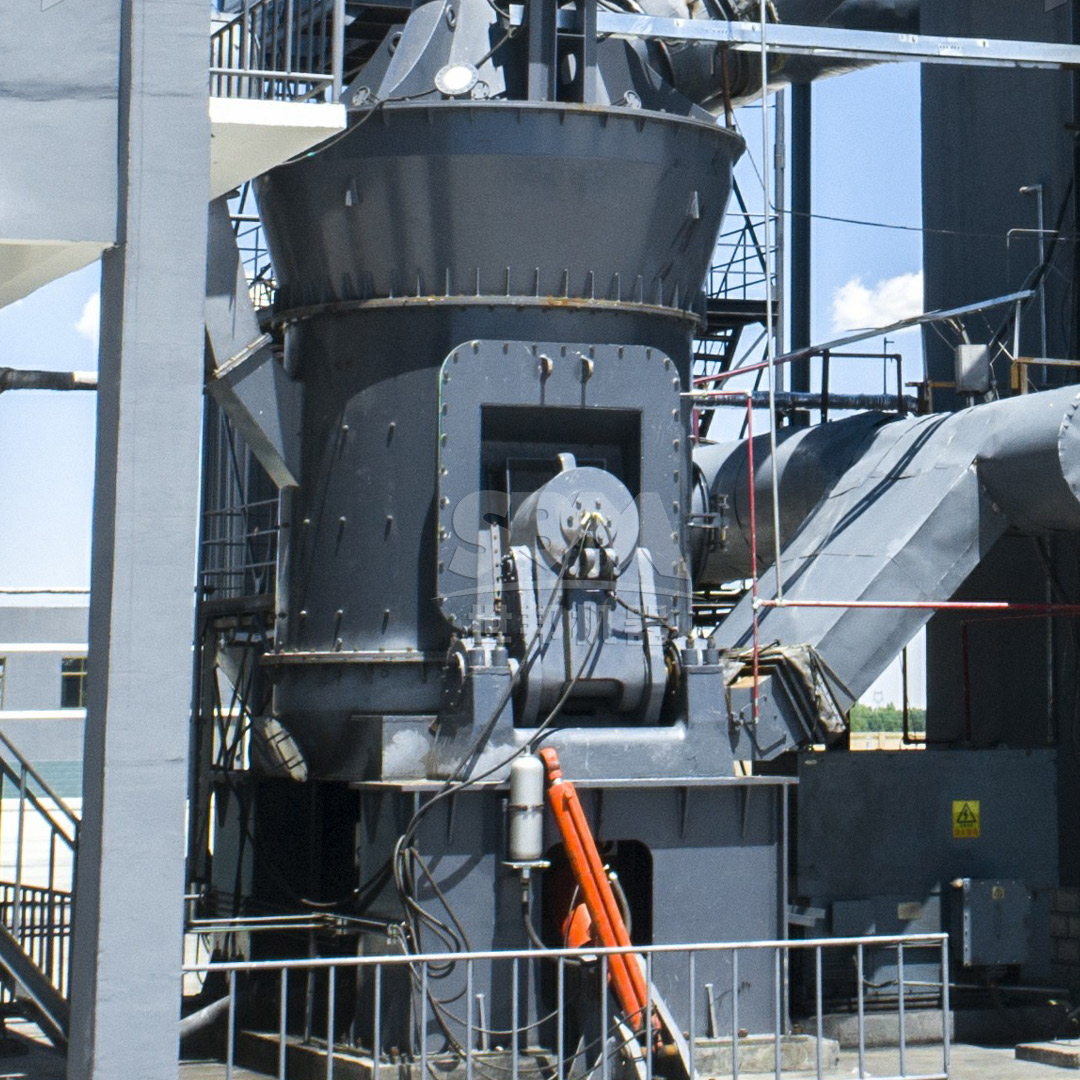
The fine slag powder is then separated from the gas stream in a high-efficiency cyclone collector and a subsequent baghouse filter (pulse dust collector), ensuring product recovery rates exceed 99.9% and emissions are virtually dust-free. The collected powder is then conveyed to storage silos.
Key Technical Parameters for Pipe Pile-Grade Slag Powder
Not all slag powder is equal. For pipe pile concrete, which requires very high early and ultimate strength, the specifications are stringent:
- Fineness (Blaine Specific Surface Area): 450-550 m²/kg or higher. This high surface area is crucial for rapid pozzolanic reaction.
- Particle Size Distribution: A tight distribution with a high percentage of particles below 10μm is ideal for maximizing packing density and reactivity.
- Moisture Content: Must be kept below 1.0% to ensure flowability and prevent caking in storage.
- Activity Index: The 7-day and 28-day activity indices (compared to pure cement) should meet or exceed standards like ASTM C989 Grade 120 or equivalent.
Why Vertical Roller Mill is the Optimal Choice
Compared to traditional ball mills, the VRM offers distinct advantages for slag grinding:
- Superior Energy Efficiency: VRMs consume 30-50% less energy than ball mill systems for the same output fineness, a major operational cost saving.
- Excellent Drying Capacity: The ability to handle significant hot gas flow allows for efficient in-line drying of slag with residual moisture.
- Precise Particle Size Control: Integrated dynamic classifiers offer superior cut-point sharpness, enabling the production of the tight particle distributions needed for high-performance applications.
- Compact Footprint & Lower Noise: The integrated design reduces plant space requirements by approximately 50%, and enclosed, negative-pressure operation keeps noise levels low.
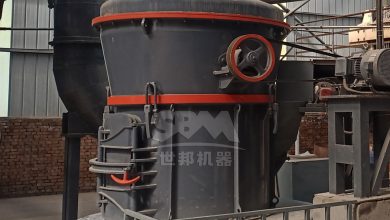
Recommended Equipment: LM Series Vertical Slag Mill
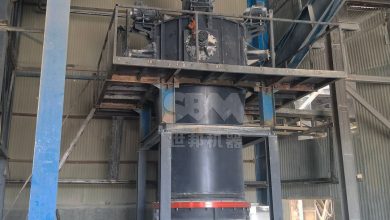
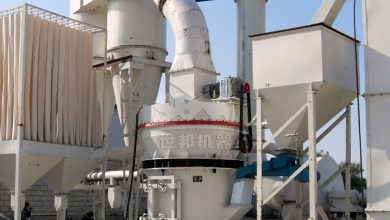
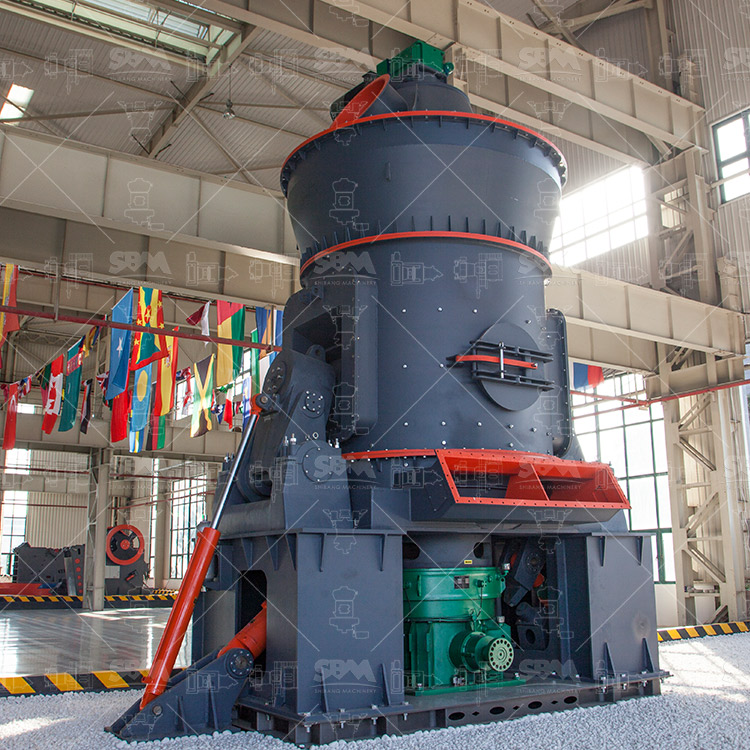
For dedicated, large-scale production of high-strength slag admixture, our LM Series Vertical Slag Mill (specifically the LM…N models) is engineered to excel. Designed based on decades of experience in mineral and slag processing, this mill series embodies the principles necessary for profitable, high-quality powder production.
Its core advantages align perfectly with the demands of slag processing:
- Robust, Wear-Resistant Design: Featuring a non-contact design between rollers and table liner, and the use of specially hardened materials for wear parts, the mill ensures extended service life and stable, long-term operation critical for continuous admixture production lines.
- Intelligent Control System: An expert-level automatic control system allows for real-time monitoring and adjustment of grinding pressure, classifier speed, and gas flow. This ensures consistent product fineness (Blaine surface area) and maximizes throughput, directly contributing to the consistent quality of your pipe pile concrete.
- High Grinding Efficiency: The bed-grinding principle and optimized grinding curve geometry result in lower specific energy consumption, directly reducing the cost per ton of your slag admixture.
- Environmental Compliance: The fully sealed negative-pressure operation, coupled with a high-efficiency pulse dust collection system, guarantees dust emissions far below national and international standards, making it an environmentally sound investment.
For projects with extremely high fineness requirements (e.g., targeting 600 mesh or 2500 mesh for ultra-high performance concrete), our LUM Ultrafine Vertical Roller Mill or SCM Series Ultrafine Mill present an excellent secondary or specialized grinding solution. The SCM Series, for instance, achieves fineness between 325-2500 mesh (45-5μm) with high-precision classification, ensuring no coarse powder mixing for a uniformly reactive product.
Conclusion
The production of high-strength slag admixture for pipe pile concrete is a technologically driven process where the choice of grinding equipment is decisive. Vertical Roller Mill technology, particularly specialized slag mill versions, provides an unmatched combination of energy efficiency, product quality control, and operational reliability. By transforming industrial by-product into a high-value concrete enhancer, producers not only improve the performance and longevity of critical infrastructure like pipe piles but also contribute significantly to the sustainable, circular economy of the construction industry. Investing in the right VRM technology is the foundational step to securing a competitive edge in this high-stakes market.