How to Reuse Oilfield Drilling Mud: Recycling and Disposal Methods
Introduction: The Challenge of Drilling Waste
The oil and gas industry generates vast quantities of drilling waste, with drilling mud (or drilling fluid) being a primary component. Traditionally considered a costly liability for disposal, spent drilling mud represents a significant environmental and economic challenge. However, with advancing technology and a growing emphasis on circular economy principles, the paradigm is shifting from mere disposal to strategic recycling and reuse. This article explores the comprehensive methods for managing oilfield drilling mud, focusing on practical recycling techniques and responsible disposal options, while highlighting how modern processing equipment can transform waste into valuable resources.
1. Understanding Drilling Mud Composition and Contaminants
To effectively recycle or dispose of drilling mud, one must first understand its composition. Drilling mud is a complex mixture designed to cool the drill bit, carry cuttings to the surface, and stabilize the wellbore. Its base can be water-based (WBM), oil-based (OBM), or synthetic-based (SBM).
Key components include:
- Base Fluid: Water, diesel, mineral oil, or synthetic compounds.
- Weighting Agents: Barite (barium sulfate) or hematite to increase density.
- Viscosifiers: Bentonite clay or polymers to suspend cuttings.
- Chemical Additives: Thinners, lubricants, pH controllers, and biocides.
- Drilled Solids: Cuttings from the formation (shale, sandstone, etc.), which are the primary contaminant.
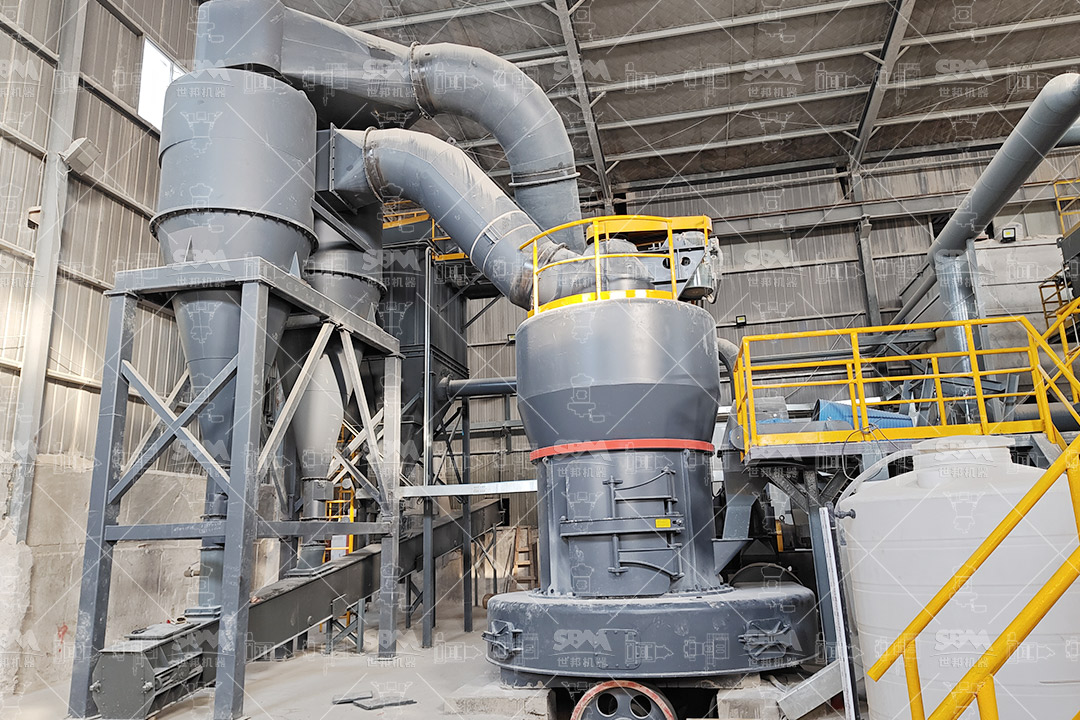
The recycling challenge lies in separating these valuable components (like barite and bentonite) from the drilled solids and other contaminants, often requiring mechanical and thermal processes.
2. Primary Recycling Methods: Solid-Liquid Separation
The first step in most recycling processes is separating the liquid phase from the solid cuttings. This recovery of base fluid is both economically and environmentally beneficial.
2.1 Mechanical Separation
This involves a series of vibrating screens and centrifugal devices:
- Shale Shakers: High-frequency vibrating screens that remove large cuttings (>74 μm). This is the primary and most common separation step.
- Desanders & Desilters: Hydrocyclones that use centrifugal force to remove finer sand (44-74 μm) and silt (15-44 μm) particles.
- Decanter Centrifuges: Critical for fine separation, these devices can recover barite (as fine as 2-5 μm) and generate a dry solids discharge. They separate particles based on size and density, allowing the heavy slurry (mud) to be returned to the active system and the fine solids to be discarded.
Effective mechanical separation can recover up to 90-95% of the liquid drilling fluid for immediate reuse in the drilling operation, drastically reducing the need for fresh mud and the volume of waste.
2.2 Thermal Desorption
For oil-based and synthetic-based muds, thermal desorption is a key recycling technology. This process heats the drilled cuttings to a temperature (typically 450-550°C) that vaporizes the base fluid without burning it. The vapors are then condensed and recovered as reusable oil and water.
Advantages include:
- High recovery rates (>99%) of base oil.
- Produces dry, inert solids that can often be used as landfill cover or in construction.
- Significantly reduces the hazardous nature of OBM cuttings.
3. Advanced Processing: Transforming Solids into Resources
Once separated, the solid fraction—primarily drilled cuttings and residual weighting material—can be further processed for beneficial reuse. This is where advanced milling and grinding technology becomes essential. The goal is to process these solids into a consistent, fine powder suitable for various applications.
3.1 The Role of Fine Grinding in Solids Valorization
To be used as a supplementary material in cement, construction, or other industries, drill cuttings often need to be ground to a specific, uniform fineness. This enhances their pozzolanic activity, improves mix homogeneity, and meets industry specifications. A high-performance grinding mill is crucial for this step.
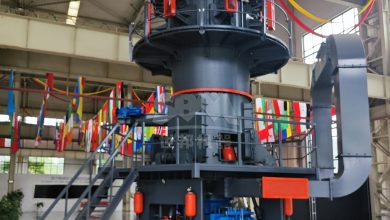
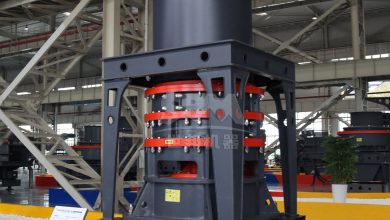
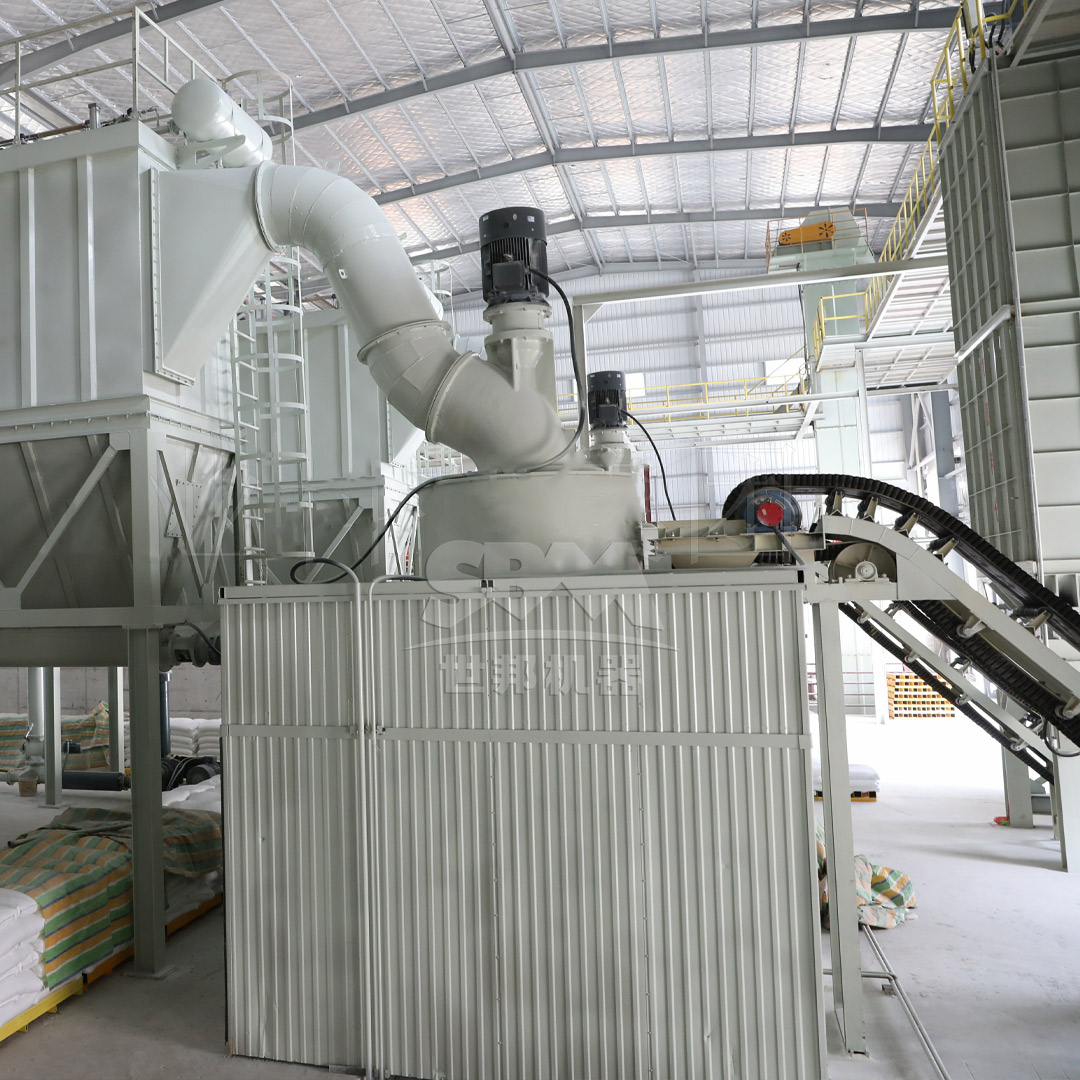
For processing dried drill cuttings into a fine, consistent powder, our SCM Ultrafine Mill is an ideal solution. Engineered for high efficiency and precision, the SCM series is particularly suited for transforming waste solids into a valuable product.
- High-Precision Grinding: With an output fineness range of 325-2500 mesh (D97 ≤5μm), it can produce the ultra-fine powder often required for use as a micro-filler or pozzolanic additive in specialty cements or composites.
- Efficient & Robust: Its unique grinding principle, featuring special material rollers and grinding rings, ensures stable operation and long wear life when processing abrasive materials like mineral-based cuttings. The intelligent control system automatically adjusts to maintain target particle size.
- Scalable Capacity: With models ranging from the SCM800 (0.5-4.5 ton/h) to the large-scale SCM1680 (5.0-25 ton/h), it can be matched to the waste output of different drilling operations.
3.2 Beneficial Reuse Applications for Processed Solids
Finely ground and treated drill solids can be used in several ways:
- Construction Fill and Road Base: Treated, inert solids can replace virgin aggregate in non-structural applications.
- Raw Material for Cement Clinker: Certain shale-based cuttings, rich in silica and alumina, can be used as a component in cement kiln feed.
- Supplementary Cementitious Material (SCM): When processed to a very fine particle size (like that achievable with the SCM mill), some cuttings can act as a pozzolan, improving the durability and sustainability of concrete.
- Brick or Ceramic Manufacturing: As a clay substitute in brick production.
4. Final Disposal Methods for Non-Recyclable Fractions
Despite best efforts, some waste fractions may not be suitable for recycling and require safe disposal.
4.1 Land Application (Land Farming)
Applicable primarily to water-based muds with low contaminant levels. The waste is spread over a designated area of land, tilled into the soil, and naturally biodegraded by microorganisms. It requires careful monitoring of soil and groundwater quality.
4.2 Secure Landfill
The most common disposal method for stabilized solids. The waste is placed in engineered landfills with liners and leachate collection systems to prevent environmental contamination. Solids treated by thermal desorption or solidification are prime candidates for this route.
4.3 Slurry Injection
Also known as cuttings reinjection, this involves grinding the solids into a slurry with water and injecting it under high pressure into a deep, geologically secure subsurface formation. This is a permanent disposal solution but requires significant technical oversight and permitting.
5. Integrated Solutions: From Waste to Product
The most advanced approach involves a complete treatment train. For large-scale operations processing high volumes of dried solids for use in construction materials, a robust and high-capacity grinding system is vital.
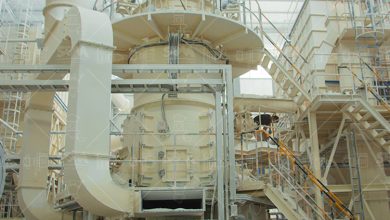
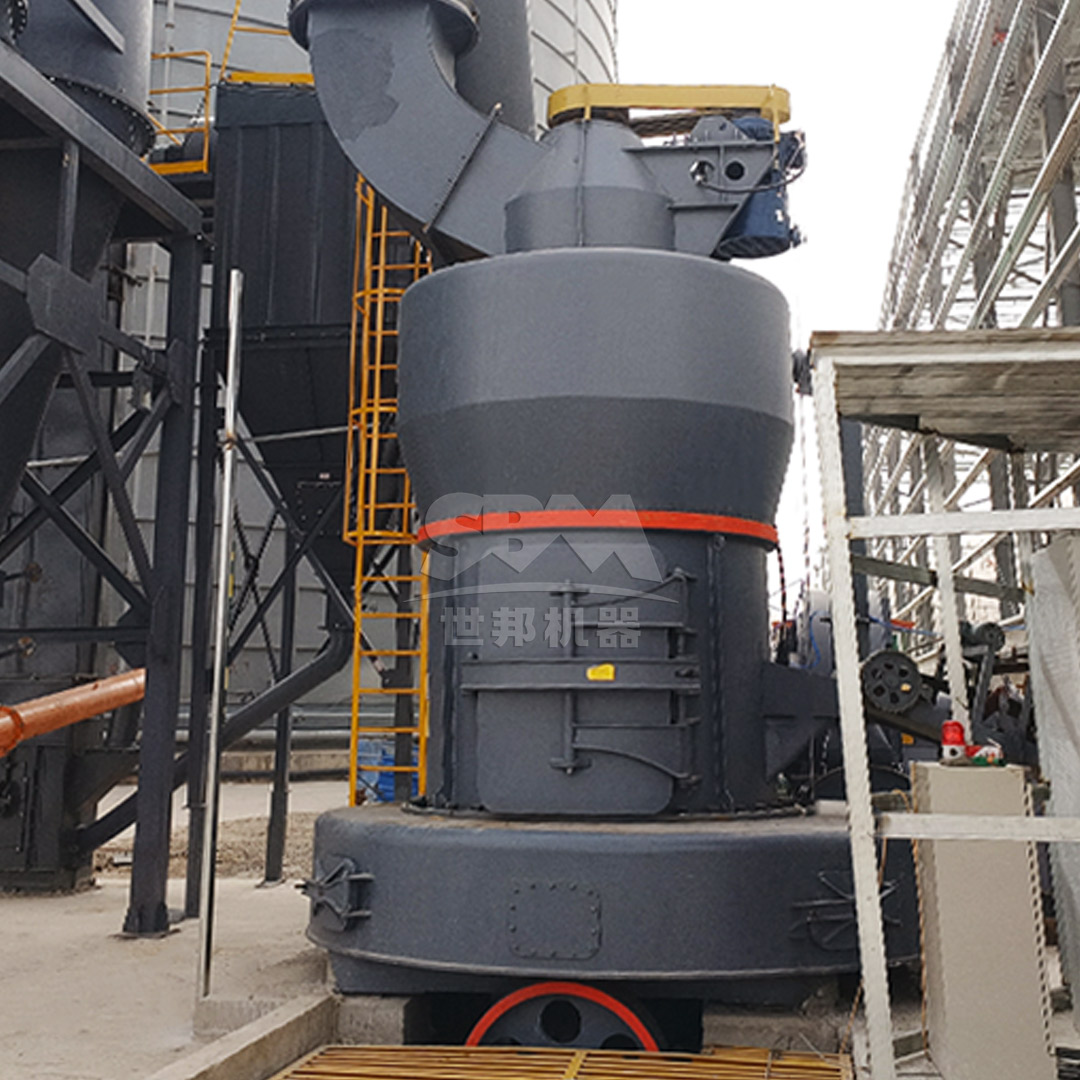
For such integrated recycling facilities, our MTW Series Trapezium Mill offers a powerful and reliable option. Designed for heavy-duty industrial milling, the MTW series excels in producing construction-grade powders from mineral waste.
- High-Capacity Processing: With models like the MTW215G offering a throughput of 15-45 tons per hour, it can handle the substantial solid waste output from multiple drilling sites.
- Durable & Low-Maintenance: Its wear-resistant design, including curved air ducts and combined shovel blades, reduces maintenance costs and downtime—a critical factor for continuous waste processing operations.
- Optimal Fineness for Construction: Producing powder in the 30-325 mesh range (up to 0.038mm), it is perfectly suited for creating the fine aggregate or raw meal material used in cement and concrete production.
- Eco-Friendly Operation: The integrated pulse dust collector ensures emissions are kept well below international standards, making the entire recycling process cleaner.
6. Conclusion: Embracing a Sustainable Future
The management of oilfield drilling mud has evolved from a simple cost-center into an opportunity for resource recovery and environmental stewardship. By implementing a combination of primary separation, advanced processing (leveraging equipment like the SCM Ultrafine Mill for high-value powders or the MTW Trapezium Mill for bulk construction materials), and responsible final disposal, operators can significantly reduce their environmental footprint, lower operational costs, and contribute to a circular economy. The key to successful reuse lies in selecting the right technology for the specific mud type and desired end product, turning a challenging waste stream into a stream of new resources.