How to Produce Silicon Powder: A Complete Manufacturing Process Guide
Introduction
Silicon powder, a critical material in industries ranging from semiconductors and solar photovoltaics to advanced ceramics and metallurgy, is produced through a series of precise mechanical and chemical processes. The quality, purity, and particle size distribution of the final powder directly impact its performance in downstream applications. This comprehensive guide outlines the complete manufacturing process for silicon powder, from raw material selection to final classification and packaging, with a focus on the essential role of advanced grinding and milling technology.
1. Raw Material Selection and Preparation
The journey to high-quality silicon powder begins with the selection of suitable raw materials. Metallurgical-grade silicon (MG-Si), with a purity typically between 98% and 99%, is the most common starting point for producing silicon powders used in metallurgical, chemical, and some electronic applications. For higher-purity applications, such as in semiconductors or solar cells, electronic-grade silicon (EG-Si) polycrystalline chunks or off-spec wafers are used.
The initial preparation involves primary size reduction. Large silicon ingots or chunks are first crushed using robust primary crushers, such as jaw crushers or hammer mills, to reduce them to a manageable feed size (typically below 50mm) for subsequent fine grinding operations. This stage is crucial for ensuring a consistent feed rate and protecting downstream milling equipment.
2. The Core Process: Grinding and Milling
This is the most critical phase in silicon powder production, where the desired fineness and particle morphology are achieved. The choice of milling equipment depends heavily on the target particle size range, required capacity, and energy efficiency goals.
2.1 Coarse to Medium Grinding (600 – 45μm / 30 – 325 mesh)
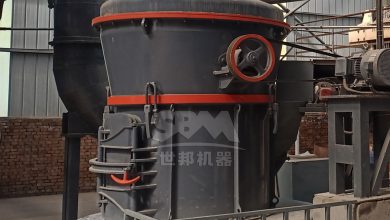
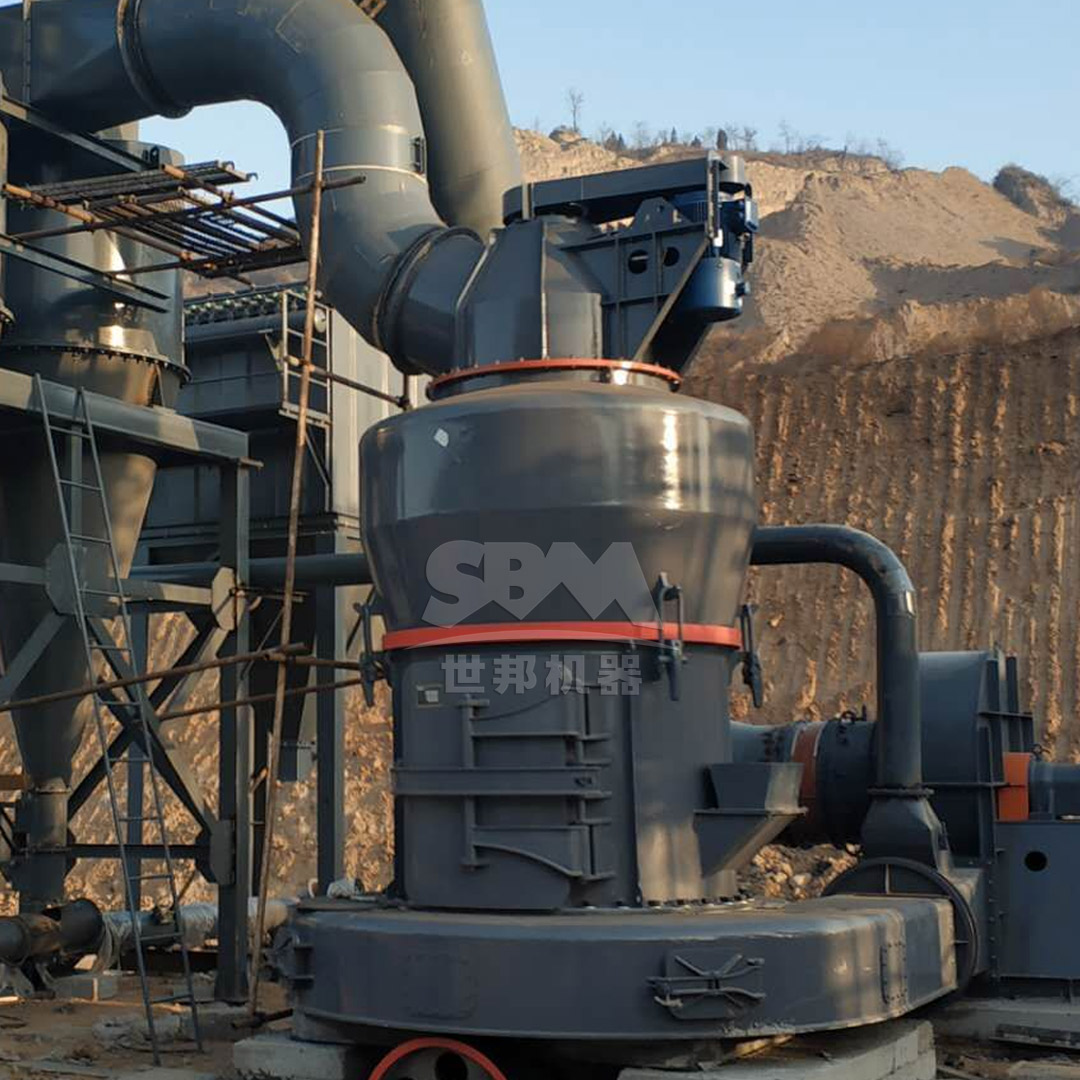
For producing silicon powders in the coarse to medium fineness range, robust and high-capacity mills are required. The MTW Series European Trapezium Mill is an exemplary solution for this stage. Engineered with an anti-wear shovel design and optimized arc air duct, it efficiently handles feed sizes up to 50mm, delivering outputs from 30 to 325 mesh (600-45μm) at impressive capacities of 3 to 45 tons per hour. Its integral bevel gear drive achieves up to 98% transmission efficiency, making it a highly energy-saving choice for large-scale production of metallurgical or chemical-grade silicon powders.
2.2 Fine to Ultrafine Grinding (45 – 5μm / 325 – 2500 mesh)
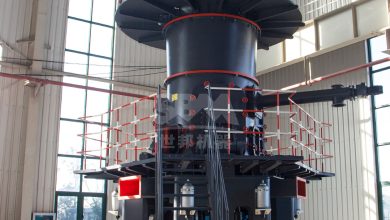
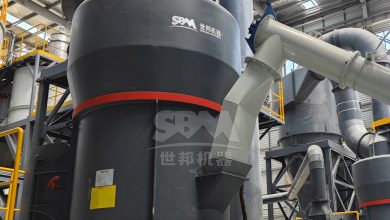
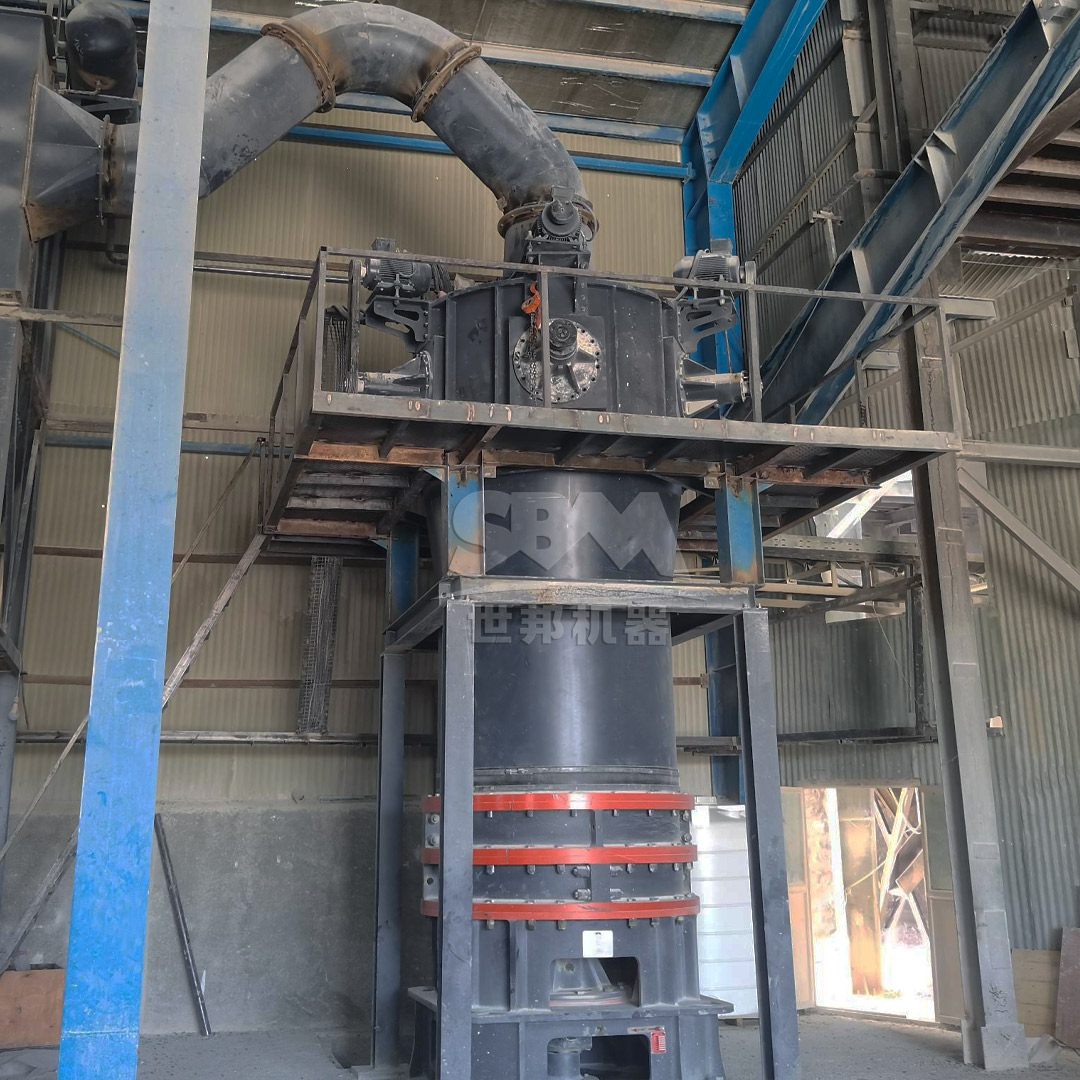
Producing high-value ultrafine and high-purity silicon powder demands precision engineering. The SCM Series Ultrafine Mill is specifically designed for this demanding application. It excels in generating powders from 325 to 2500 mesh (45-5μm) with exceptional uniformity. Its high-precision vertical turbine classifier ensures precise particle size cuts without coarse powder mixing. Furthermore, its innovative design offers capacity twice that of traditional jet mills while consuming 30% less energy, and its durable special-material rollers and rings significantly extend service life, reducing operational costs for producing premium silicon powders for electronics and advanced ceramics.
2.3 Alternative Milling Technologies
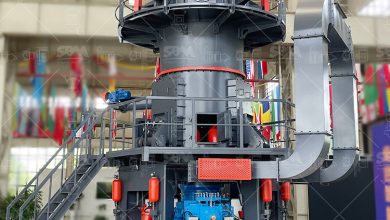
Other technologies also play a role. Ball Mills are a traditional choice for wet or dry grinding down to 0.074mm, offering high reliability for certain applications. Vertical Roller Mills (LM Series) provide an integrated solution for medium-fine grinding with very low operating costs and a small footprint, suitable for high-volume production. For the most demanding ultrafine applications, Jet Mills use compressed air for particle-on-particle impact, capable of achieving sub-micron sizes without contamination from grinding media.
3. Classification and Separation
Post-milling, the powder stream contains a distribution of particle sizes. Classification is essential to isolate the target fraction. Integrated classifiers within mills, like the one in the SCM Series, perform dynamic separation. For standalone classification, Air Classifiers or Cyclone Separators use centrifugal forces and airflow to separate particles based on size and density. Multi-stage classification systems are often employed to achieve very narrow particle size distributions (PSD), a key specification for many high-tech applications.
4. Purification and Refinement (For High-Purity Grades)
Silicon powder intended for semiconductor or solar applications undergoes rigorous purification. Processes may include:
- Acid Leaching: Using hydrochloric, nitric, or hydrofluoric acid mixtures to dissolve metallic impurities.
- Thermal Treatment: Heating in a controlled atmosphere (chlorine, hydrogen) to volatilize impurities.
- Directional Solidification: Further refining the silicon to remove impurities segregated during melting and cooling.
5. Drying, Packaging, and Quality Control
If wet processing or leaching was involved, the powder must be thoroughly dried using Spray Dryers or Rotary Dryers to prevent oxidation and agglomeration. The final powder is then packaged in moisture-proof, inert containers under a nitrogen atmosphere if high reactivity is a concern.
Rigorous Quality Control (QC) is paramount throughout. Key tests include:
- Particle Size Analysis (PSD): Using laser diffraction or sedimentation.
- Chemical Purity Analysis: Employing ICP-MS or GD-MS to detect trace metallic impurities.
- Morphology Analysis: Using SEM to examine particle shape and surface structure.
- Phase Analysis: Using XRD to confirm crystallinity and detect unwanted phases.
Conclusion
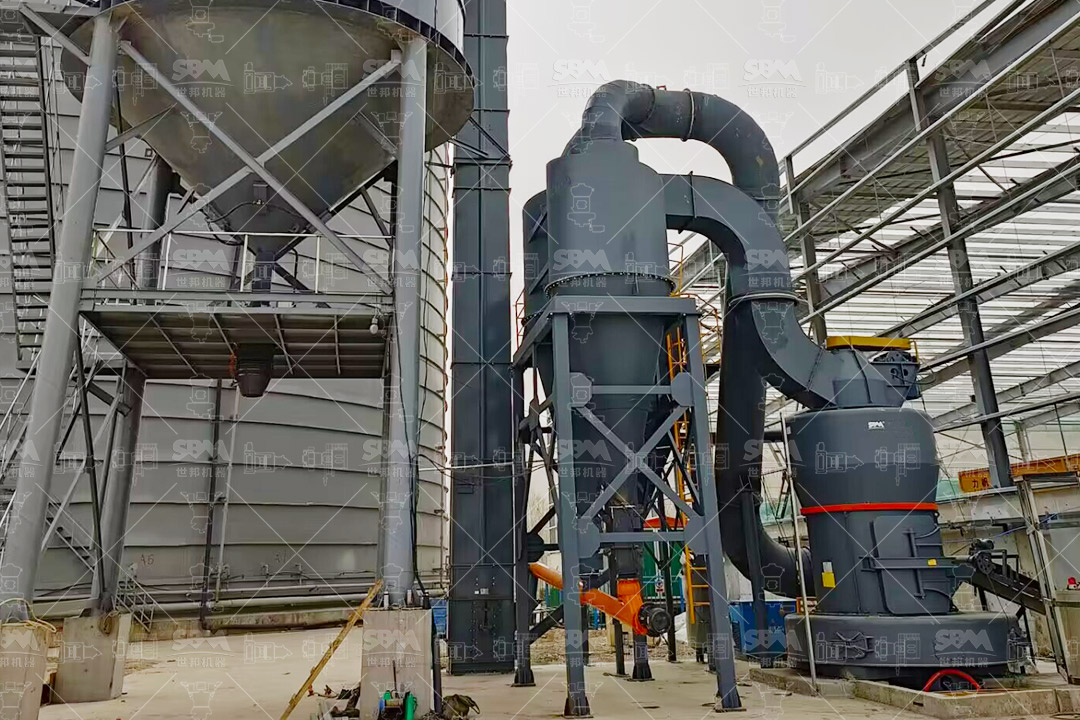
The production of silicon powder is a sophisticated interplay of mechanical processing, classification, and often chemical purification. Selecting the right grinding technology is the cornerstone of an efficient and profitable operation. For producers aiming to capture value in the growing markets for fine and ultrafine silicon powders, investing in advanced, energy-efficient milling systems like the SCM Series Ultrafine Mill for premium grades or the high-capacity MTW Series European Trapezium Mill for coarser applications is a strategic decision that directly impacts product quality, production cost, and operational reliability. By understanding and optimizing each step in this guide, manufacturers can consistently produce silicon powder that meets the exacting standards of modern industry.