How to Manufacture Artificial Quartz Stone: Production Process and Technology Guide
Introduction to Artificial Quartz Stone
Artificial quartz stone, also known as engineered quartz, is a composite material manufactured from approximately 90-95% ground natural quartz aggregates, 5-10% polymer resins (typically unsaturated polyester or acrylic), and small amounts of pigments and additives. This engineered material has revolutionized the countertop and surfacing industry, offering superior durability, consistency, and design versatility compared to natural stone. The manufacturing process is a sophisticated blend of material science, precision engineering, and quality control. This guide delves into the complete production process and the critical technologies involved, with a focus on the essential role of advanced grinding equipment.
Raw Material Preparation and Processing
The journey of artificial quartz stone begins with the careful selection and processing of raw materials. The quality of the final product is intrinsically linked to the purity, size, and consistency of its primary component: quartz.
1. Quartz Sourcing and Initial Crushing
High-purity quartz sand or quartzite rock is sourced from quarries. The raw quartz lumps, which can vary significantly in size, must first be reduced to a manageable dimension. Primary jaw crushers or impact crushers are typically employed for this stage, breaking down large rocks into pieces generally smaller than 50mm.
2. The Critical Stage: Fine and Ultrafine Grinding
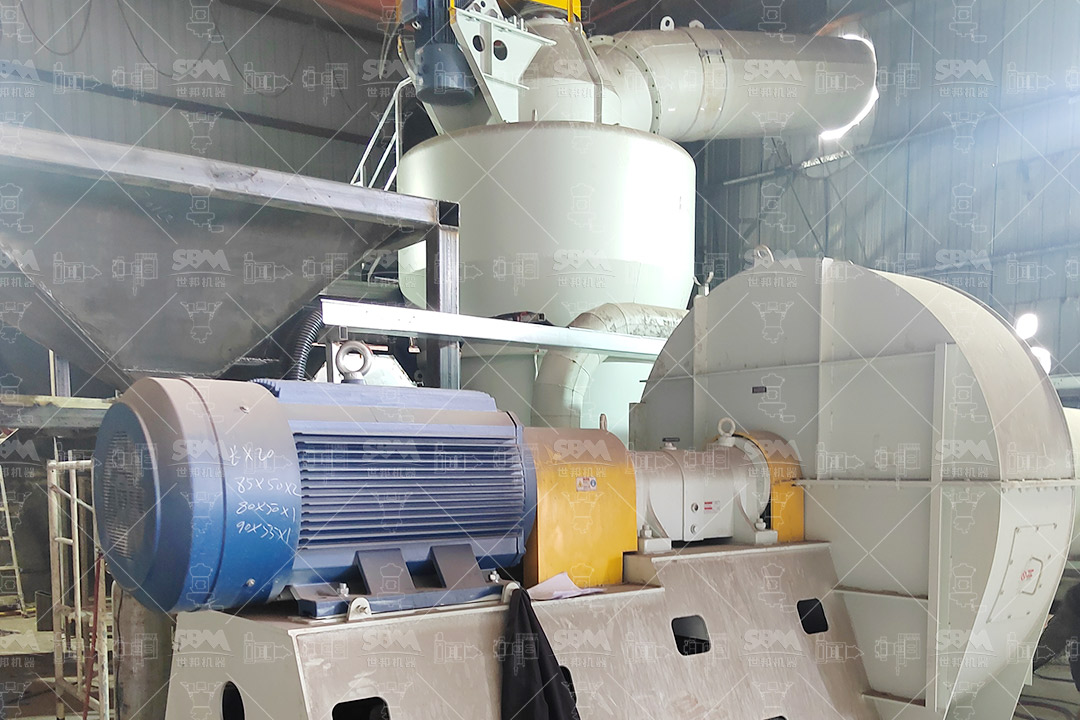
This is the most technologically demanding phase. The crushed quartz must be ground into a fine powder with a tightly controlled particle size distribution. The ideal fineness for artificial quartz stone production typically ranges from 30 mesh (600μm) for coarser aggregates that provide texture, down to 325 mesh (45μm) or even finer for the matrix filler. A uniform particle size ensures proper resin wetting, high compaction density, and ultimately, superior physical properties like flexural strength and hardness.
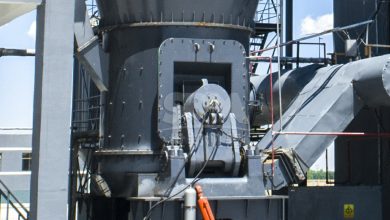
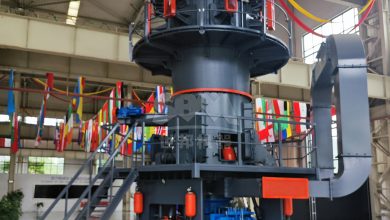
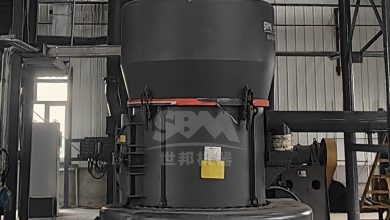
For this purpose, advanced milling systems are indispensable. A highly efficient solution for producing the fine matrix filler is the MTW Series European Trapezium Mill. This mill is engineered to handle feed sizes up to 50mm and produce a consistent output in the range of 30-325 mesh (600-45μm), perfectly aligning with the requirements for the bulk of the quartz powder. Its advantages, such as the anti-wear shovel design that reduces maintenance costs, the optimized arc air duct for improved efficiency, and the integral bevel gear drive with 98% transmission efficiency, make it a robust and cost-effective choice for high-capacity grinding lines, with models offering throughput from 3 to 45 tons per hour.
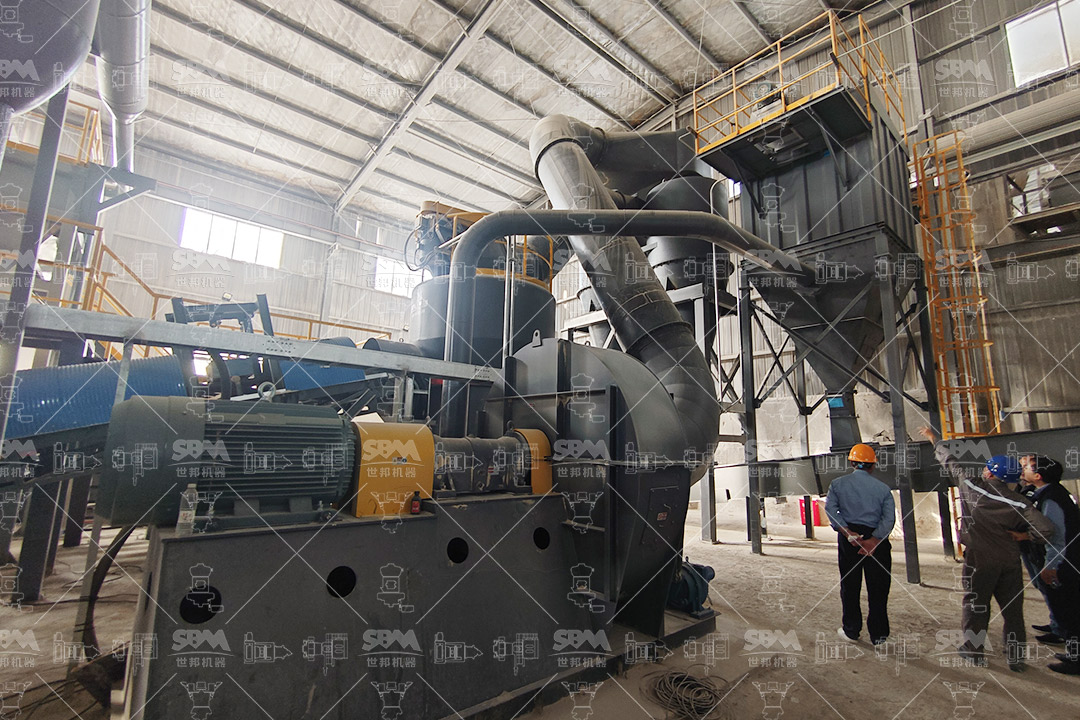
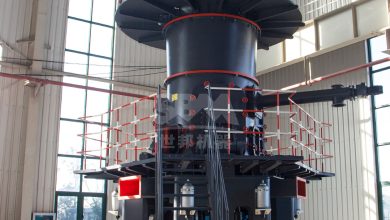
For applications requiring an even finer product to enhance the surface smoothness and density of the slab, or for producing specialized high-end formulations, an ultrafine grinding mill is required. The SCM Series Ultrafine Mill excels in this role, capable of producing powders from 325 to an impressive 2500 mesh (45-5μm). Its high-efficiency classification system ensures no coarse powder mixing, resulting in a perfectly uniform product. With capacity up to 2 times that of jet mills and 30% lower energy consumption, it represents a state-of-the-art solution for the most demanding ultrafine quartz grinding applications, ensuring the highest quality finish for premium artificial quartz slabs.
The Manufacturing Process: From Powder to Slab
Once the quartz aggregates and fillers are prepared to specification, they move into the main manufacturing line.
3. Batching and Mixing
Precisely weighed portions of differently sized quartz powders (coarse, medium, fine), resin, pigments, and catalysts (like MEKP) are loaded into a high-speed mixer. The mixing process must be thorough to ensure even color distribution and complete coating of every quartz particle with resin, but controlled to avoid overheating which can prematurely initiate the curing reaction.
4. Slab Formation: Vacuum and Vibration
The homogeneous mixture is poured onto a mold or a conveyor belt lined with a protective film. The key to removing air bubbles and achieving a non-porous structure is the vacuum and vibration process. The mold enters a vacuum chamber where powerful vibrators compact the mixture under negative pressure. This step is crucial for density and prevents voids that could weaken the slab.
5. Curing and Polymerization
The compacted slab is then transferred to a curing oven. Controlled heat initiates the exothermic polymerization reaction, causing the resin to harden and bind the quartz particles into a solid, monolithic mass. The curing profile (time and temperature) is carefully managed to ensure complete curing without causing thermal stress or warping.
6. Post-Processing: Calibrating, Polishing, and Cutting
After curing, the hardened slab undergoes several post-processing steps:
- Calibrating: The slab passes through a series of diamond grinding heads to achieve a uniform thickness.
- Polishing: Progressive polishing heads with increasingly fine abrasives give the slab its final glossy or honed finish.
- Cutting & Quality Control: The slab is cut to standard sizes (e.g., 3050x1440mm) or custom dimensions. Each slab is inspected for color consistency, structural integrity, and surface defects.
Key Technology Considerations and Equipment Selection
The success of an artificial quartz stone plant hinges on selecting the right technology, particularly for raw material preparation.
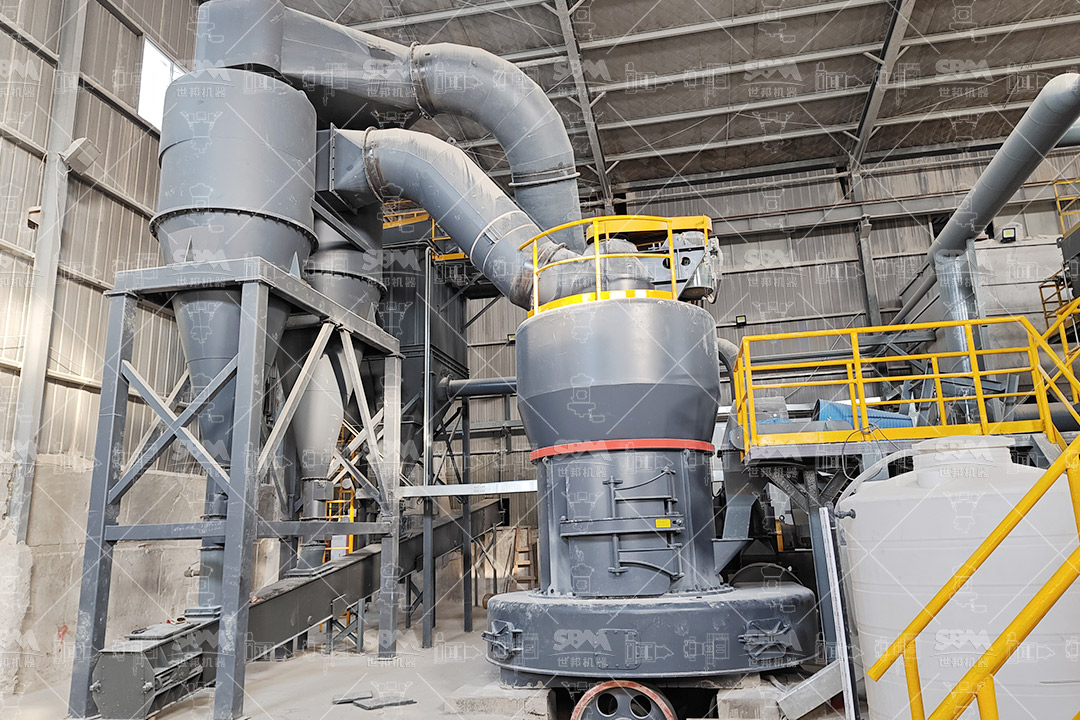
- Grinding System Integration: A well-designed plant often uses a multi-stage grinding circuit. A primary mill like the MTW Series handles the bulk reduction to medium-fine powder, while an SCM Ultrafine Mill can be integrated for dedicated production of the finest filler grade. This approach optimizes energy consumption and production flexibility.
- Dust Control: Quartz dust is a respiratory hazard. Modern mills like the SCM and MTW series come equipped with high-efficiency pulse jet baghouse dust collectors, ensuring a clean working environment and compliance with international health and safety standards.
- Automation and Control: Consistent quality requires precise control over grinding parameters. Advanced mills feature intelligent control systems that automatically adjust for feed rate and maintain finished product granularity through feedback loops, minimizing human error and product variance.
Conclusion
The manufacture of artificial quartz stone is a complex, precision-driven process that transforms natural quartz into a high-performance engineered material. From the initial crushing of raw quartz to the final polished slab, every step requires specialized technology and meticulous control. The heart of this process lies in the grinding stage, where the transformation into precisely graded powder occurs. Investing in reliable, efficient, and precise grinding technology, such as the featured MTW Series European Trapezium Mill for general grinding and the SCM Series Ultrafine Mill for premium applications, is fundamental to producing competitive, high-quality artificial quartz stone that meets the rigorous demands of the global market. By mastering these processes and technologies, manufacturers can achieve superior product characteristics, operational efficiency, and long-term profitability.