How to Increase Market Value by Processing Limstone into High-Demand Products
Introduction: Unlocking the Hidden Value in Limestone
Limestone, a seemingly ubiquitous and low-cost raw material, holds immense latent value. The global market for processed limestone products is projected to grow significantly, driven by demand from construction, agriculture, pharmaceuticals, plastics, and advanced materials. The key to transforming this commodity into a high-margin asset lies not in extraction, but in sophisticated processing. By moving up the value chain—from selling raw stone to producing precisely engineered powders and aggregates—companies can dramatically increase their market value, profitability, and competitive edge. This article explores the high-demand products derived from limestone and outlines the critical processing technologies required to produce them.
High-Value Products from Processed Limestone
The journey from quarry to high-value product begins with understanding the target markets and their specifications.
1. Construction & Building Materials
- High-Purity Fillers & Extenders: Used in paints, sealants, adhesives, and plastics to improve properties and reduce costs. Fineness requirements typically range from 200 to 1250 mesh.
- Precipitated Calcium Carbonate (PCC): A synthetic, ultra-pure product used in paper coating, high-end plastics, and pharmaceuticals. Production requires precise control over particle size and shape.
- Specialty Cements & Concrete Additives: Finely ground limestone (often below 45μm) is used as a supplementary cementitious material (SCM) to enhance concrete performance and sustainability.
2. Agriculture & Environmental
- Soil Conditioners & Animal Feed: Requires specific granulation and chemical purity. Fine, highly reactive powders are essential for quick soil pH adjustment.
- Flue Gas Desulfurization (FGD) Sorbents: Power plants use finely pulverized limestone (often 325 mesh) to capture sulfur dioxide emissions. High surface area is critical for reactivity.
3. Industrial & Advanced Applications
- Glass & Ceramics: Requires consistent chemical composition and controlled particle size distribution to ensure batch homogeneity and product quality.
- Food & Pharmaceutical Grade Calcium Carbonate: Demands the highest levels of purity, whiteness, and ultra-fine particle size (often below 10μm), with stringent contamination control.
The Technological Imperative: Precision Grinding and Classification
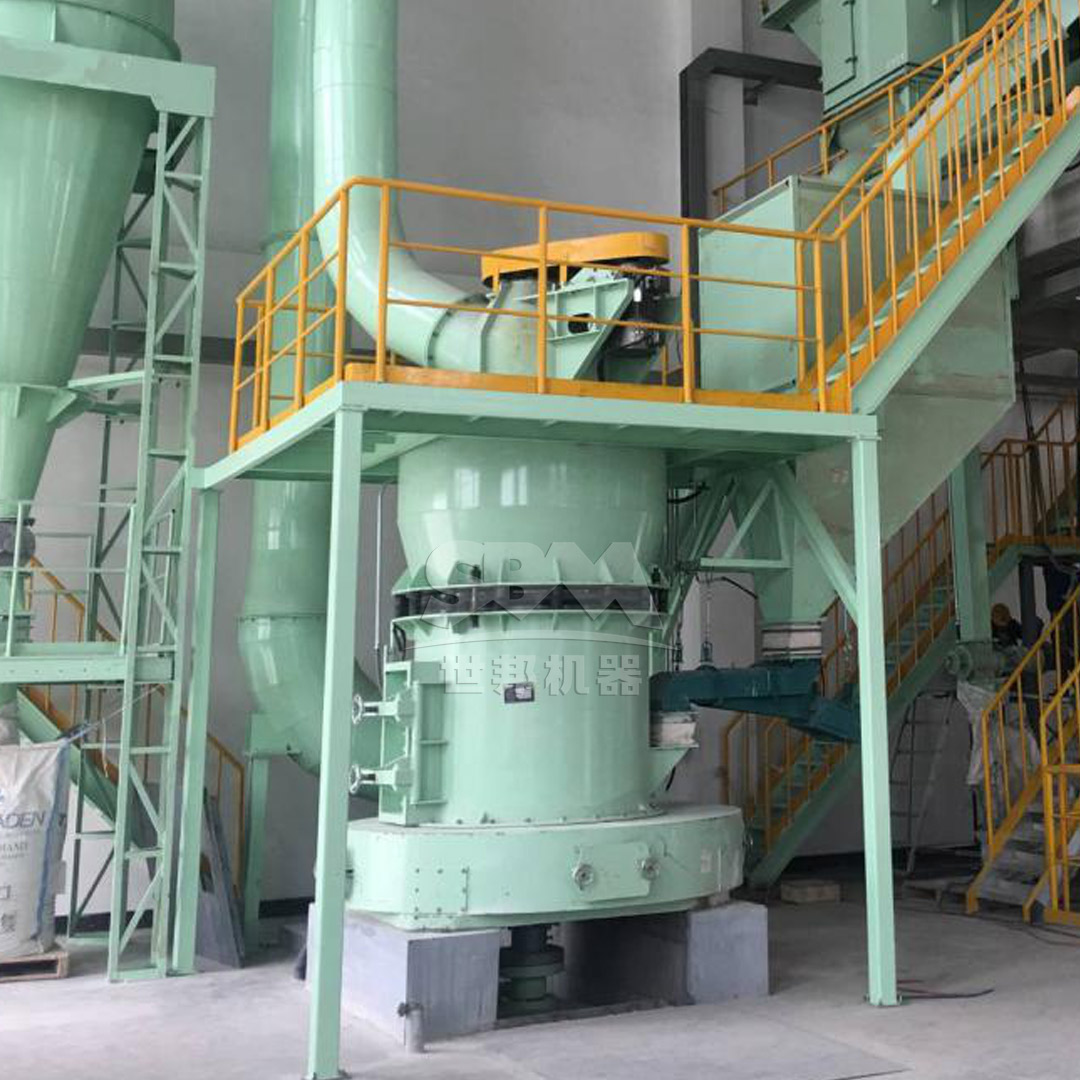
Producing these high-demand products consistently and efficiently is impossible with basic crushing equipment. The core technological requirement is advanced grinding and classification systems that can deliver:
- Precise Particle Size Control: The ability to produce a narrow, consistent particle size distribution (PSD) is paramount. A broad PSD can negatively affect product performance in downstream applications.
- High Energy Efficiency: Grinding is an energy-intensive process. Modern mills must maximize output per kilowatt-hour to ensure economic viability, especially for high-volume products like FGD sorbent or cement additives.
- Product Flexibility: The ideal processing line can be adjusted to produce different fineness grades for different markets without major downtime or reconfiguration.
- Low Contamination & Environmental Compliance: The grinding process itself must not introduce impurities (e.g., from metal wear) and must operate with minimal dust emissions and noise.
Strategic Equipment Selection for Value Maximization
Choosing the right grinding system is the most critical capital decision for a limestone value-addition project. The selection depends on the target product fineness, required capacity, and total cost of ownership.
For Coarse to Medium-Fine Grinding (30-325 mesh / 600-45μm)
This range covers products like soil conditioners, coarse fillers, and feedstocks for further processing. The workhorse here is a robust, high-capacity mill designed for reliability and low operating cost.
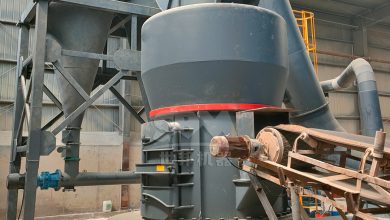
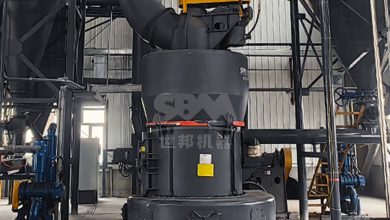
Our MTW Series European Trapezium Mill is exceptionally well-suited for this role. Engineered for large-scale production, it handles feed sizes up to 50mm and delivers capacities from 3 to 45 tons per hour. Its patented technologies, such as the integral bevel gear drive (98% transmission efficiency) and the wear-resistant volute structure, are designed to minimize energy loss and reduce maintenance costs by up to 30%. For operations targeting the agricultural, construction aggregate, or FGD sorbent markets where high throughput of a consistently graded product is key, the MTW series provides an optimal balance of performance and economy.
For Ultra-Fine and Specialty Grinding (325-2500 mesh / 45-5μm)
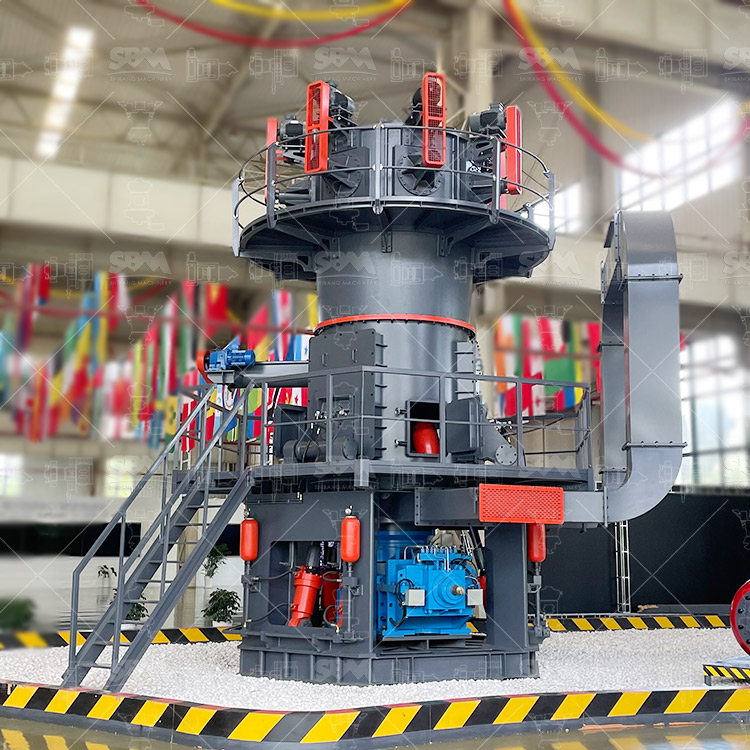
This is the high-value frontier, encompassing PCC precursors, premium paint fillers, and pharmaceutical ingredients. Achieving these fineness levels requires advanced grinding mechanics and high-precision air classification.
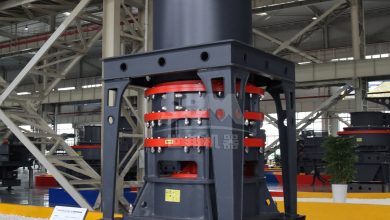
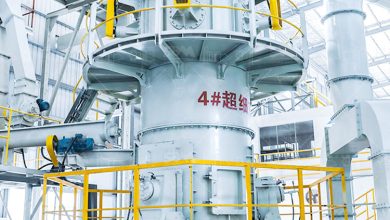
Our flagship solution for this domain is the SCM Series Ultrafine Mill. This mill is a technological leap, capable of producing powders as fine as 2500 mesh (5μm). Its vertical turbine classifier ensures precise particle size cutting, eliminating coarse powder mixing for a uniform product essential for premium applications. Furthermore, it operates with remarkable efficiency, offering twice the capacity of traditional jet mills while consuming 30% less energy. For companies aiming to capture value in the plastics, high-end coatings, or advanced ceramics markets, the SCM series provides the technological capability to meet the most stringent specifications.
Building a Profitable Processing Strategy
Technology is an enabler, but strategy drives profitability. Consider these steps:
- Market-First Analysis: Identify 2-3 target high-value products with strong local or export demand. Understand their exact technical specifications (fineness, brightness, chemical purity).
- Pilot Testing & Product Validation: Use laboratory or small-scale pilot mills to process your limestone into target grades. Test the product with potential buyers for validation.
- Integrated Plant Design: Design a processing flow that integrates pre-crushing, grinding, classification, dedusting, and packaging into a seamless, automated system. This optimizes yield and minimizes labor.
- Lifecycle Cost Assessment: When selecting equipment, evaluate the total cost of ownership, including energy consumption, wear part lifespan (like the special material rollers in our SCM mill), and maintenance requirements, not just the initial purchase price.
Conclusion: From Quarry to High-Tech Supplier
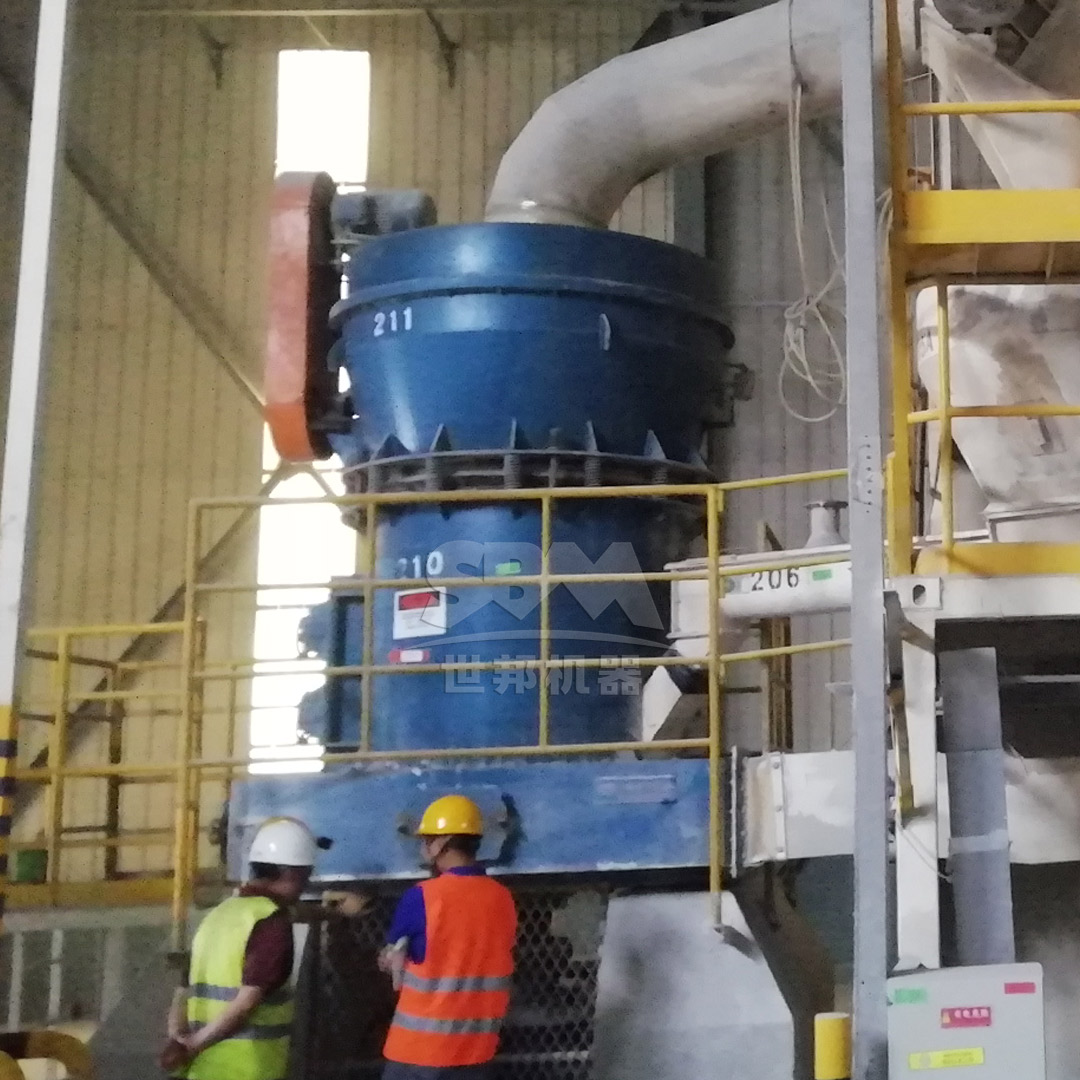
The transformation of limestone from a bulk commodity into a portfolio of high-demand products is a clear path to increased market value and sustained profitability. This transition is fundamentally dependent on deploying the right processing technology. By investing in advanced, efficient, and precise grinding systems like the MTW Series Mill for high-volume medium-fine products and the SCM Series Ultrafine Mill for premium specialty powders, producers can unlock new markets, command higher prices, and build a defensible competitive advantage. The future belongs not to those who simply dig limestone, but to those who master the science of transforming it.