How to Choose the Right Manganese Powder Production Equipment from Manganese Flakes
Introduction: The Critical Role of Equipment in Manganese Powder Production
The production of high-quality manganese powder from manganese flakes is a cornerstone process for numerous industries, including steelmaking, battery manufacturing (particularly for lithium manganese oxide cathodes), welding electrode production, and chemical synthesis. The properties of the final powder—such as particle size distribution (PSD), purity, morphology, and bulk density—are directly influenced by the choice of processing equipment. Selecting the wrong system can lead to inefficient operation, high energy consumption, inconsistent product quality, and excessive maintenance costs. This guide provides a comprehensive framework for evaluating and selecting the optimal manganese powder production equipment, ensuring your operation achieves both technical excellence and economic viability.
1. Defining Your Product Specifications: The Starting Point
Before evaluating any machinery, you must have clear and detailed final product requirements.
1.1 Target Particle Size and Distribution
Manganese powder applications demand specific fineness:
Coarse Grades (30-100 mesh / 600-150 μm): Often used in ferroalloy production and as a deoxidizer in steelmaking. Equipment like hammer mills or coarse grinding mills may suffice.
Medium-Fine Grades (100-325 mesh / 150-45 μm): Common in welding flux and certain chemical processes. This range is a sweet spot for many grinding technologies.
Fine and Ultrafine Grades (325-2500 mesh / 45-5 μm and below): Critical for advanced battery materials, high-performance ceramics, and specialized catalysts. Achieving this consistently requires advanced milling and precise classification systems.
1.2 Production Capacity and Scalability
Determine your required throughput (e.g., tons per hour) not just for today, but for future expansion. Equipment should be selected with a 10-20% capacity buffer above your current needs to account for peak demand and potential upgrades.
1.3 Contamination and Purity
Manganese is often abrasive. Equipment must be designed with wear-resistant materials in the grinding zone to prevent iron or other metallic contamination from the mill itself, which could degrade the powder’s electrochemical or metallurgical properties.
2. The Production Process: From Flakes to Powder
A typical production line involves several stages:
- Pre-Crushing (Optional): Large manganese flakes may need initial size reduction via a jaw crusher or hammer mill to a consistent feed size (e.g., <20mm or <50mm) suitable for the main grinder.
- Drying (If Required): Moisture can hinder grinding and cause clogging. A rotary dryer may be integrated if feedstock isn’t already dry.
- Primary Grinding & Classification: The core stage where flakes are transformed into powder. The grinder works in a closed circuit with a classifier (often integrated) that separates fine product from coarse material, which is recirculated.
- Collection & Dedusting: Cyclone separators and high-efficiency pulse-jet baghouse filters collect the product and ensure emissions meet environmental standards.
- Packaging & Automation: Automated weighing and packaging systems for finished powder.
3. Key Equipment Technologies for Manganese Grinding
Different grinding principles offer distinct advantages and limitations for manganese processing.
3.1 Raymond Mill / Pendulum Mill (MTW, MTM, MRN Series)
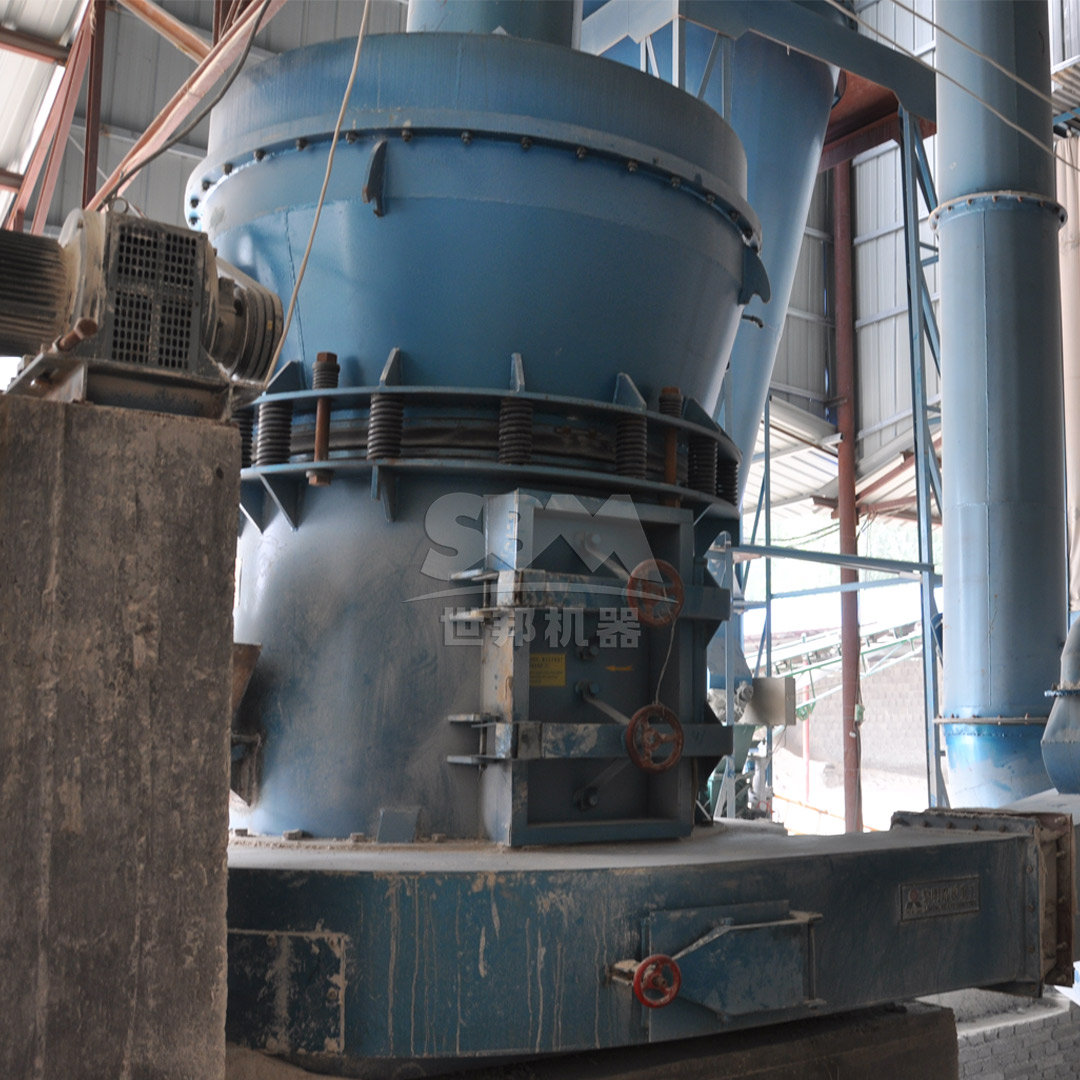
Principle: Centrifugal force causes grinding rollers to swing outward and press against a stationary grinding ring, crushing the material fed by a blade.
Best For: Medium-fine grinding (30-325 mesh). Ideal for producing manganese powder for welding and standard chemical applications.
Pros: Mature technology, reliable, relatively low capital cost, easy operation and maintenance.
Cons: Limited ability to produce ultrafine powder (<325 mesh) efficiently; higher wear on grinding parts compared to some modern designs.
Our Recommendation: For robust, high-capacity production in the 30-325 mesh range, our MTW Series European Trapezium Mill is an excellent choice. Its curved air duct reduces flow resistance, the bevel gear overall transmission ensures high efficiency (up to 98%), and the wear-resistant volute structure lowers long-term maintenance costs. Models like the MTW215G can handle up to 45 tons per hour of feed, making it suitable for large-scale manganese powder plants.
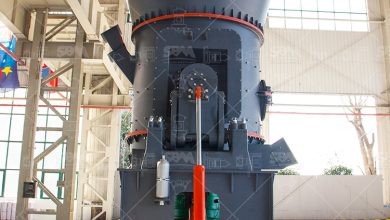
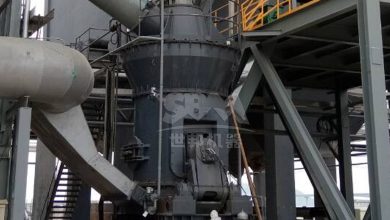
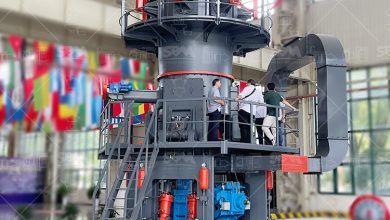
3.2 Vertical Roller Mill (LM Series)
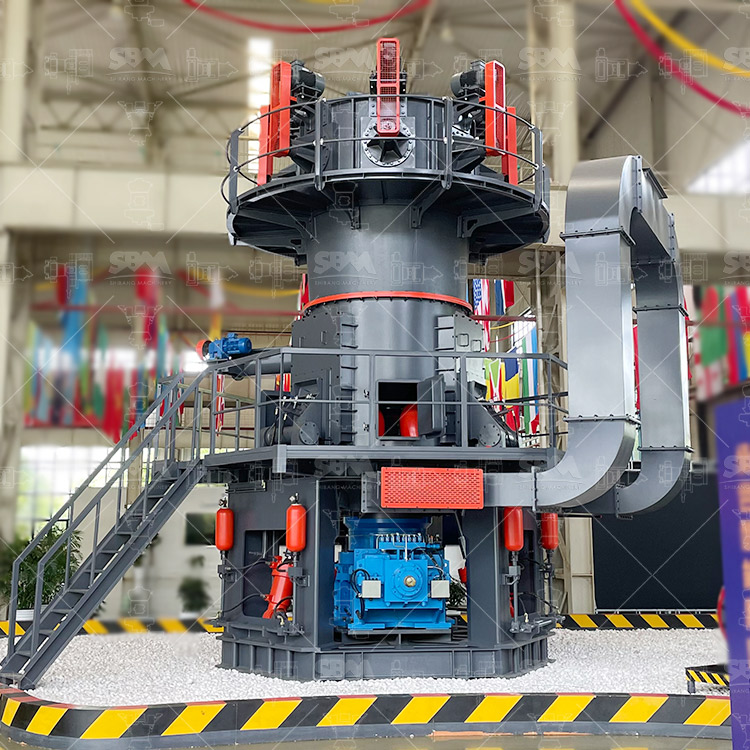
Principle: Material is fed onto a rotating grinding table and crushed under hydraulically loaded grinding rollers. A hot air stream dries and transports the fines to an integrated classifier.
Best For: Large-scale production of fine to medium powders (30-325 mesh, with special models to 600 mesh). Excellent for integrated drying and grinding if the manganese flakes have residual moisture.
Pros: Extremely energy-efficient (30-40% less energy than ball mills), high drying capacity, low noise, compact footprint.
Cons: Higher initial investment, more complex system than pendulum mills.
Our Recommendation: For projects prioritizing energy savings, large throughput, and potential need for drying, our LM Series Vertical Roller Mill is unmatched. Its集约化设计 (intensive design) integrates multiple functions, reducing plant footprint by 50%. The磨辊与磨盘非接触设计 (non-contact roller and disc design) during start-up minimizes wear, extending component life. The智能控制 (intelligent control) system allows for stable, automated operation crucial for consistent manganese powder quality.
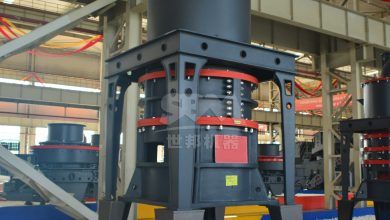
3.3 Ultrafine Grinding Mill (SCM, LUM Series)
Principle: Utilizes multiple grinding rings and rollers in a layered configuration or advanced roller/table designs with ultra-precise turbine classifiers.
Best For: Producing high-value ultrafine and nano-sized manganese powders (325-2500 mesh / 45-5μm). Essential for premium battery-grade materials.
Pros: Can achieve very fine and narrow particle size distributions, high grinding efficiency for target fineness, often incorporates advanced classification.
Cons: Highest capital cost per unit, lower absolute throughput compared to VRMs for coarser grades, requires meticulous operation.
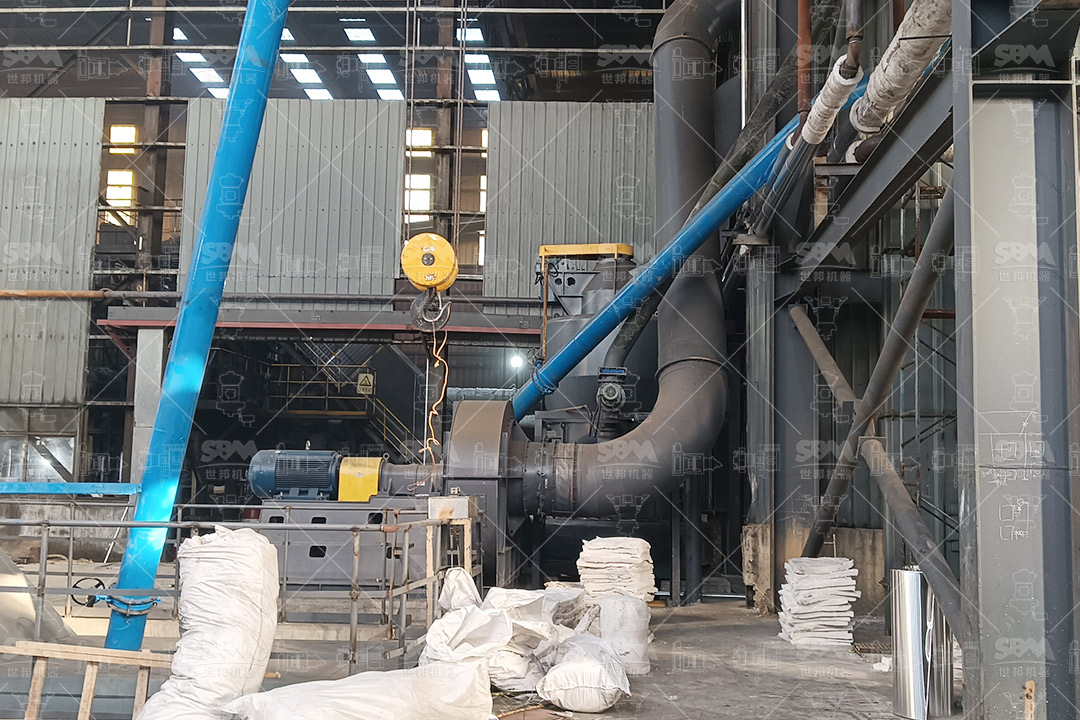
Our Recommendation: When your end-product specification calls for ultrafine, high-purity manganese powder, our flagship SCM Series Ultrafine Mill is the definitive solution. It excels where others cannot, producing powder from 325 to 2500 mesh (D97 ≤5μm). Its vertical turbine classifier ensures precise particle size切割 (cutting) with no coarse powder contamination. Critically for abrasive manganese, it features a无轴承螺杆研磨腔 (bearingless screw grinding chamber) for stable operation and特殊材质辊轮与磨环 (special material rollers and rings) that last several times longer than standard parts, preserving powder purity. With an energy consumption 30% lower than jet mills of comparable output, it represents the cutting edge in efficient ultrafine processing.
3.4 Ball Mill
Principle: A rotating cylinder filled with grinding media (steel balls) impacts and attrits the material.
Best For: Versatile, can produce a wide range of fineness (0.074-0.8mm), often used in wet grinding processes or where extreme fineness is not the primary goal.
Pros: Simple, robust, can handle high moisture with wet grinding, well-understood technology.
Cons: Very low energy efficiency, high wear (media and liners), noisy, generates heat which can be undesirable for some materials.
4. Critical Selection Criteria Beyond Machine Type
4.1 Wear Protection and Material Purity
Insist on mills with grinding components (rollers, rings, table segments) made from high-chromium alloy, ceramic composites, or other advanced materials specifically for abrasive applications. This minimizes iron contamination and reduces downtime for part replacement.
4.2 Classification Efficiency
The classifier is as important as the grinder. Look for dynamic turbo classifiers with adjustable rotor speed. This allows you to precisely control the top size of your product and improve overall system efficiency by preventing over-grinding.
4.3 System Integration and Automation
A modern plant requires a PLC-based control system that monitors key parameters (motor load, temperature, pressure) and allows for automatic adjustment and remote monitoring. This ensures consistent product quality and reduces labor costs.
4.4 Environmental and Safety Features
The entire system must operate under negative pressure to prevent dust leakage. Pulse-jet baghouse dust collectors with efficiency exceeding 99.9% are standard. Noise levels should be contained, ideally below 80 dB(A) at operating stations.
5. Making the Final Decision: A Practical Checklist
- Match Technology to Fineness: Use Pendulum/MTW Mills for <325 mesh, Vertical Mills for large-scale <325-600 mesh, and Ultrafine/SCM Mills for >325 mesh.
- Calculate Total Cost of Ownership (TCO): Consider not just the purchase price, but installation, energy consumption (kWh/ton), wear part cost/ton, and maintenance labor.
- Request a Test Grind: Reputable suppliers should offer to test your specific manganese flakes in their laboratory or pilot plant to generate a performance report and final product sample.
- Evaluate Supplier Expertise: Choose a partner with proven experience in abrasive mineral processing and a strong after-sales service network for technical support and spare parts.
Conclusion
Transforming manganese flakes into a high-performance powder is a precise engineering challenge. The choice between a Raymond Mill, a Vertical Roller Mill, or an Ultrafine Mill hinges on your specific product targets for fineness, capacity, and purity. By systematically defining your requirements, understanding the strengths of each technology, and prioritizing factors like wear resistance and classification accuracy, you can invest in a production line that delivers optimal efficiency, product quality, and long-term profitability. For operations targeting the high-growth battery materials sector with ultrafine specifications, advanced solutions like our SCM Ultrafine Mill provide the technological edge necessary to compete in this demanding market.