How to Choose the Right Barite Grinding Mill Equipment?
Introduction: The Critical Role of Grinding in Barite Processing
Barite (barium sulfate) is a vital industrial mineral with primary applications in oil and gas drilling fluids, as a weighting agent, and in the chemical, paint, and filler industries. The value and performance of barite are intrinsically linked to its physical properties, particularly its specific gravity, purity, and particle size distribution. Achieving the desired fineness and particle shape through grinding is not merely a processing step; it is a value-adding transformation. Selecting the optimal grinding mill equipment is therefore a critical business decision that impacts product quality, operational efficiency, and overall profitability. This guide provides a comprehensive framework for evaluating and choosing the right barite grinding mill.
Key Factors to Consider When Selecting Barite Grinding Equipment
1. Target Product Fineness and Particle Size Distribution (PSD)
The required final product specification is the foremost deciding factor. Barite applications demand different fineness levels:
- API Drilling Grade: Typically requires 97% minimum passing through a 200-mesh (75μm) screen and a specific gravity above 4.2. A controlled, coarse-to-medium grind is sufficient.
- Chemical & Filler Grade: Used in paints, plastics, and rubber, often requiring ultra-fine powders ranging from 325 mesh (45μm) to 2500 mesh (5μm) and below. A tight PSD is crucial for opacity, brightness, and dispersion.
The mill’s classification system must be capable of delivering the target cut point and maintaining a consistent PSD.
2. Required Production Capacity (Tons per Hour)
Capacity needs must align with both current market demand and future expansion plans. It’s essential to evaluate the mill’s throughput not just at a single fineness but across a range. A mill that can efficiently produce 10 t/h at 200 mesh might only achieve 2 t/h at 1250 mesh. Ensure the supplier’s capacity data is based on barite or a material of similar grindability (Bond Work Index).
3. Feed Material Characteristics
- Moisture Content: High moisture can lead to clogging in some mill types (e.g., vertical roller mills may require pre-drying).
- Feed Size: The maximum lump size the mill can accept determines if a primary crushing stage is needed.
- Hardness & Abrasiveness: Barite is relatively soft (3-3.5 on Mohs scale) but can be abrasive. Equipment wear part design and material are critical for maintenance cost control.
4. Energy Efficiency and Operating Costs
Grinding is an energy-intensive process. The specific energy consumption (kWh/ton) is a key metric. Modern mills like vertical roller mills and advanced pendulum mills often offer 30-50% lower energy consumption compared to traditional ball mills for similar outputs. Consider the total cost of ownership, including power, wear parts, and maintenance labor.
5. Environmental and Space Constraints
Modern plants must adhere to strict environmental regulations.
- Dust Control: The mill system should be a fully sealed, negative-pressure design with an integrated high-efficiency baghouse filter (e.g., pulse jet dust collector) to ensure dust emissions meet standards.
- Noise Levels: Equipment should be designed with noise dampening features or housed in acoustic enclosures.
- Footprint: Integrated grinding systems (e.g., vertical mills) have a significantly smaller footprint than multi-component systems like ball mill circuits, saving on building costs.
Overview of Common Grinding Mill Types for Barite
Raymond Mill (Pendulum Roller Mill)
Best for: Coarse to medium grinding (30-325 mesh). Ideal for producing API drilling-grade barite.
Pros: Mature technology, reliable, lower initial investment for medium-capacity ranges.
Cons: Limited ability to produce ultra-fine powder efficiently; higher wear for finer grinds.
Ball Mill
Best for: Wet or dry grinding, especially for wide PSD requirements (0.074-0.8mm).
Pros: Extreme versatility, can handle high moisture with drying chamber, simple operation.
Cons: High energy consumption, significant wear on balls and liners, large footprint, noisy.
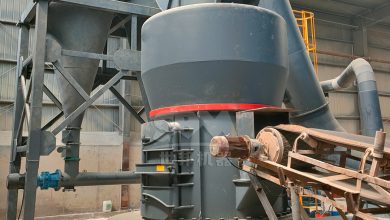
Vertical Roller Mill (VRM)
Best for: Medium to large-scale production of medium-fine barite (30-325 mesh, up to 600 mesh).
Pros: Excellent energy efficiency (30-40% less than ball mills), integrated drying/grinding/classification, small footprint, low noise.
Cons: Higher initial investment, more sensitive to feed size and tramp metal.
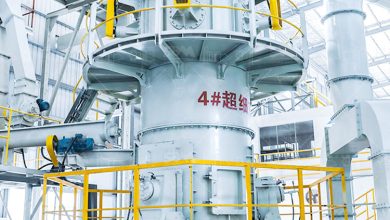
Ultrafine Grinding Mill
Best for: Producing high-value ultrafine and coated barite (325-2500 mesh).
Pros: Exceptional fineness with narrow PSD, high classification accuracy, often more energy-efficient than traditional jet mills for this range.
Cons: Lower single-unit capacity compared to VRMs for coarser grinds, requires precise feed preparation.
Recommended Solutions: Matching Our Technology to Your Needs
Based on the diverse needs of the barite industry, we offer targeted solutions that embody efficiency, precision, and reliability.
For High-Capacity, Cost-Effective Production of Drilling & Filler Grade Barite (30-325 mesh)
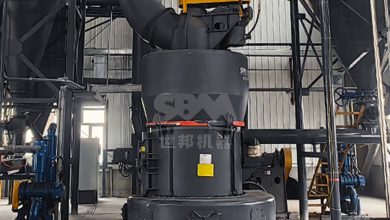
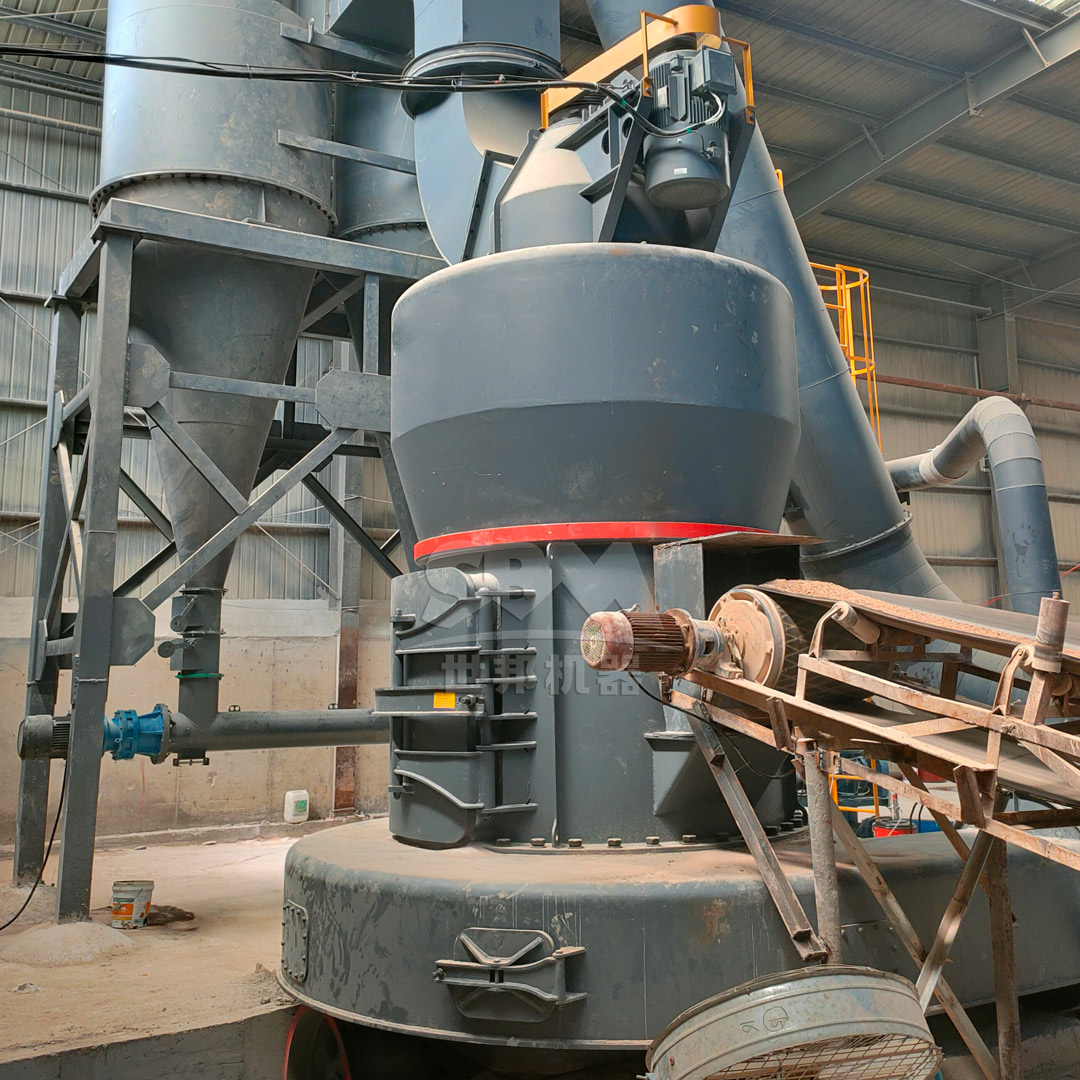
Our MTW Series European Trapezium Mill is an advanced evolution of the traditional pendulum mill, engineered for superior performance in the 3-45 ton/h range. It is an ideal workhorse for producing API-grade barite and coarser filler materials.
- Anti-Wear & Low OPEX: Its patented combined shovel blade design and curved grinding roller profile drastically reduce wear part consumption and maintenance downtime.
- Energy Efficient: The integral bevel gear transmission achieves up to 98% efficiency, and the optimized arc air duct minimizes system resistance, leading to significant power savings.
- Intelligent Operation: The system incorporates an efficient pulse dust collector and a wear-resistant volute classifier, ensuring stable, environmentally compliant operation with reduced overall costs.
For projects prioritizing robust, high-volume production of barite up to 325 mesh, the MTW series offers an unbeatable balance of performance and operating economy.
For Premium Ultrafine Barite Powder (325-2500 mesh)
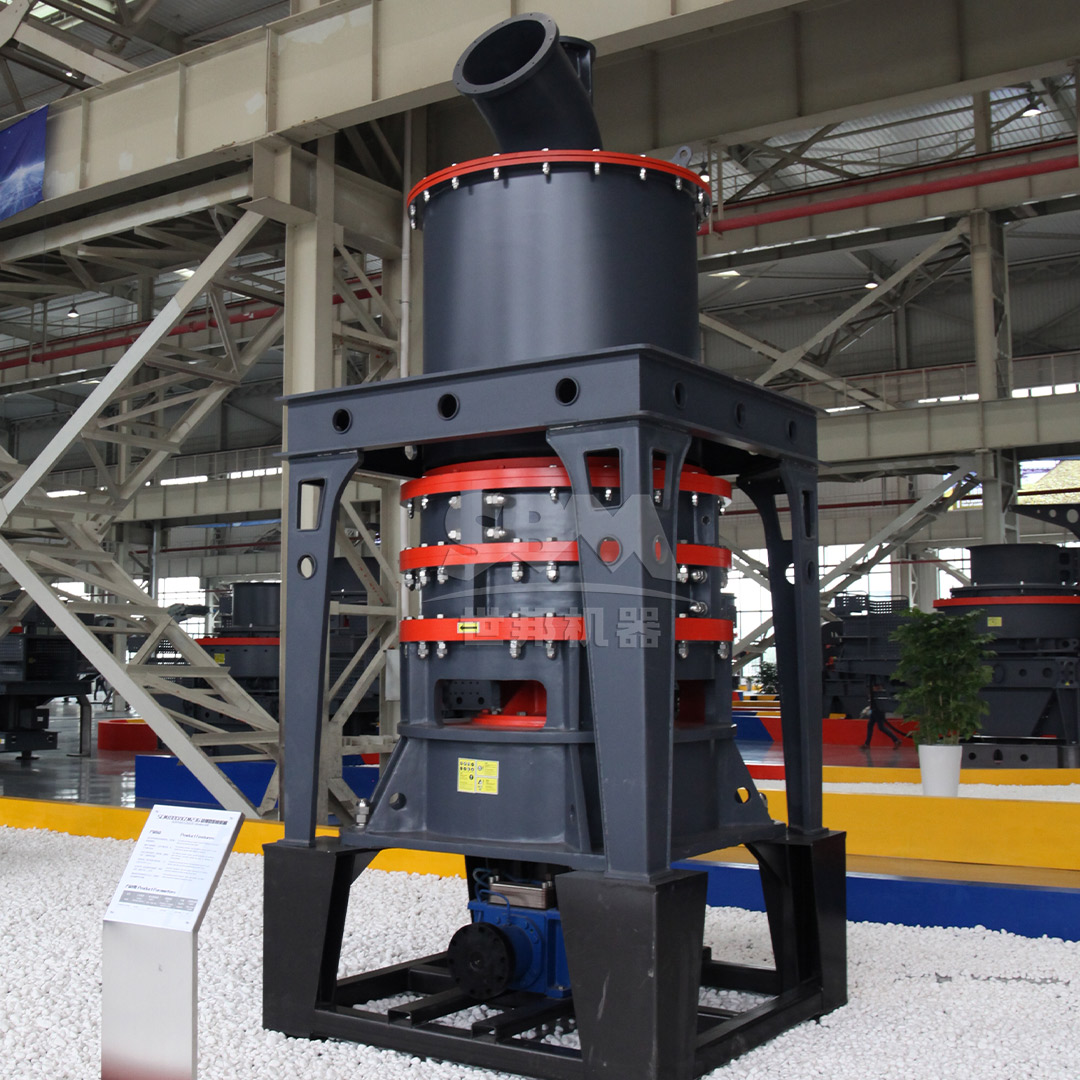
When your target market demands the highest fineness and whiteness for advanced applications, our SCM Series Ultrafine Mill is the technology of choice. Designed specifically for producing micron and sub-micron powders, it excels where other mills reach their limits.
- Unmatched Fineness & Precision: Capable of producing powder from 325 to 2500 mesh (5μm), its high-precision vertical turbine classifier ensures a sharp particle size cut with no coarse powder contamination, guaranteeing product uniformity.
- High Efficiency: The grinding chamber and roller design deliver a capacity twice that of a jet mill of similar power, while consuming approximately 30% less energy.
- Durability & Cleanliness: Special alloy rollers and rings extend service life. Coupled with a pulse dust collection system exceeding 99.9% efficiency and a soundproof design, it provides a clean, quiet, and reliable production environment.
If your business is in high-value-added barite products for coatings, plastics, or advanced composites, the SCM Ultrafine Mill is the definitive solution for achieving premium product quality consistently and efficiently.
Conclusion: Making an Informed Investment
Choosing the right barite grinding mill is a strategic decision. There is no universal “best” mill, only the best mill for your specific product goals, capacity requirements, and operational constraints. We recommend a thorough analysis of your long-term business plan and product portfolio. Pilot testing with your actual barite feedstock on candidate mills is invaluable for confirming performance data and final product characteristics.
By partnering with a knowledgeable equipment supplier and focusing on the key factors outlined—fineness, capacity, efficiency, and environmental impact—you can invest in a grinding system that not only meets today’s needs but also provides a competitive edge in the evolving barite market.