How Much Does a Magnesium Ore Vertical Mill Cost? Capacity & Price Analysis
Introduction
Magnesium ore, primarily magnesite (MgCO3), is a critical raw material for producing magnesium metal, refractory materials, and various chemical compounds. Efficient grinding is a fundamental step in its beneficiation and processing chain. Among the various grinding solutions, vertical roller mills (VRMs) have emerged as a dominant technology due to their superior energy efficiency, compact footprint, and excellent drying capabilities. For investors and plant managers, understanding the cost structure and capacity factors of a magnesium ore vertical mill is paramount for project planning and ROI calculation. This article provides a comprehensive analysis of the key determinants of both the price and performance of vertical mills for magnesium ore processing.
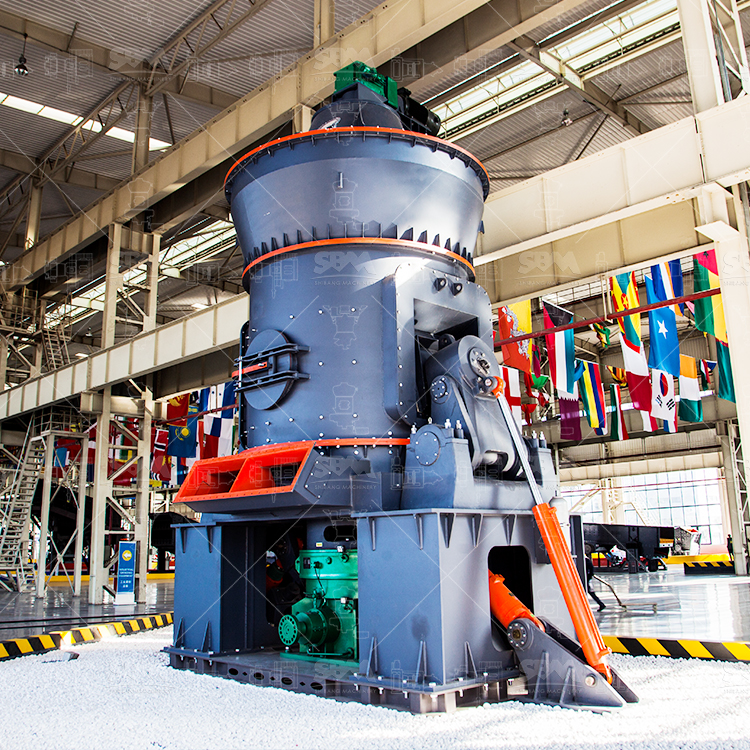
Key Factors Influencing the Cost of a Magnesium Ore Vertical Mill
The price of a vertical mill is not a single figure but a composite of multiple variables. A typical quotation will include the following major cost components:
1. Mill Model & Core Specifications
The single most significant cost driver is the mill’s size and designed capacity. Larger models with higher throughput (e.g., 50-250 t/h) require more robust construction, larger motors, and heavier-duty components, leading to a higher base price. Specifications such as grinding table diameter, roller size, and motor power are directly correlated with cost.
2. Material of Construction & Wear Parts
Magnesium ore, while not the most abrasive material, still causes wear over time. The choice of materials for grinding rollers, tables, and liners significantly impacts both initial cost and long-term operating expenses. Mills equipped with high-chrome alloys or ceramic composites for critical wear parts will have a higher upfront cost but offer dramatically extended service life and lower maintenance downtime.
3. Technological Sophistication & Control Systems
A basic mill configuration differs vastly from one equipped with an advanced, automated control system. Features like expert system automation, remote monitoring capabilities, intelligent lubrication systems, and high-efficiency dynamic classifiers add to the initial investment but deliver substantial returns through optimized operation, consistent product quality, and reduced manpower.
4. Auxiliary Equipment & System Integration
A vertical mill is the heart of a grinding system, but it requires supporting organs. The total system cost includes:
- Feeders and conveyor systems
- Hot air generator (for drying moist feed)
- High-efficiency cyclone collector and baghouse filter
- Main exhaust fan and ducting
- Electrical control cabinet and power distribution
The level of integration and the quality of these auxiliary components contribute significantly to the final price.
5. Customization and Special Requirements
Project-specific needs, such as special sealing for explosive atmospheres, extreme weather protection, or integration with existing plant control networks (DCS/SCADA), will incur additional engineering and manufacturing costs.
Capacity Analysis: Matching the Mill to Your Production Needs
Selecting the correct capacity is a balancing act between current demand and future expansion. Key factors determining the required mill capacity include:
- Plant Throughput: The target annual or daily production of finished magnesium powder or concentrate.
- Feed Material Characteristics: Hardness (Bond Work Index), moisture content, and feed size distribution. Higher moisture requires more drying capacity, which can affect the grinding throughput.
- Product Fineness: The required particle size (e.g., 200 mesh for further processing vs. 325 mesh for direct application). Finer grinding generally reduces the mill’s maximum capacity.
- Operational Hours: The number of operating hours per day and days per year.
It is standard practice to select a mill with a capacity 10-15% above the calculated design requirement to account for material variability and ensure stable, long-term operation.
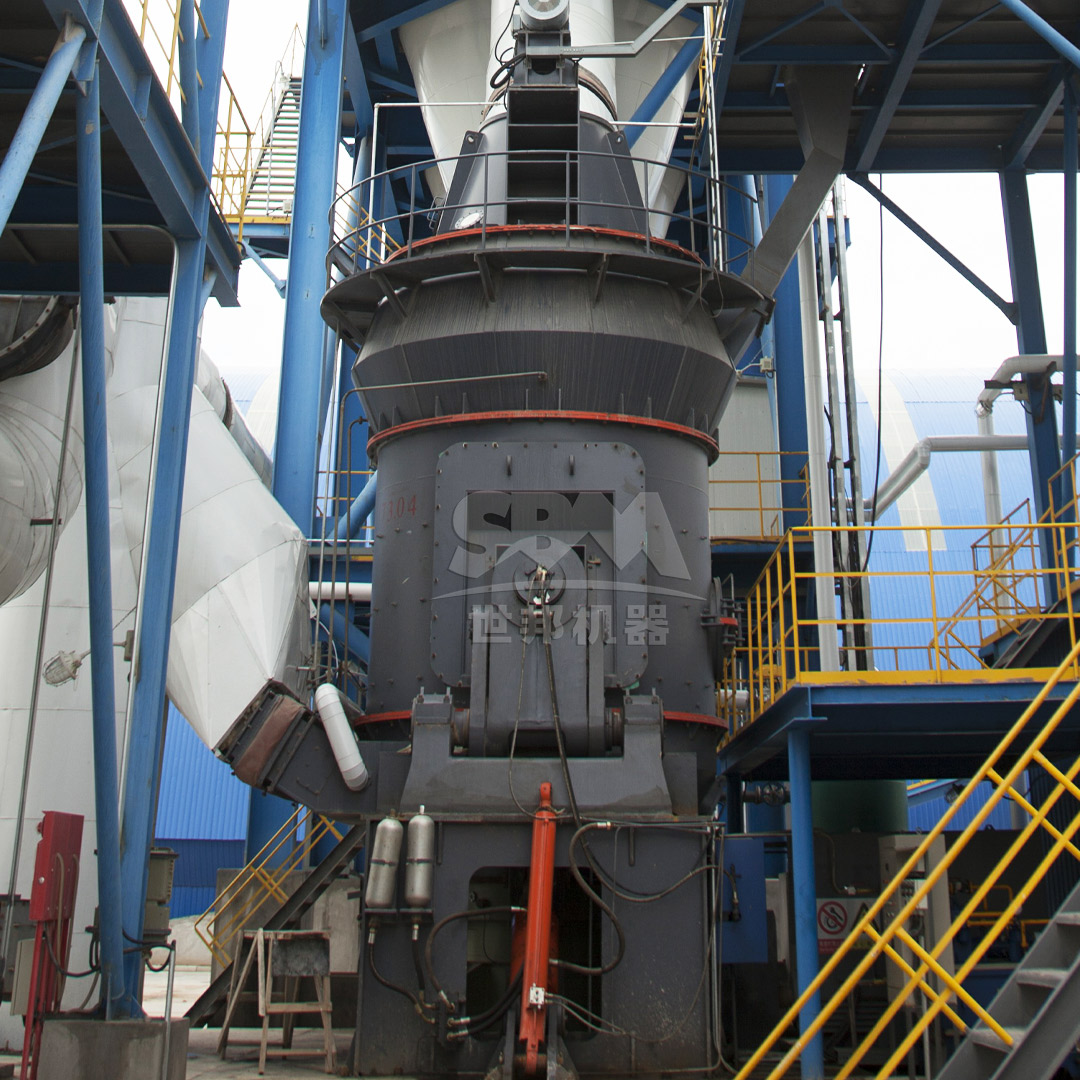
Vertical Mill Technology for Magnesium Ore: A Recommended Solution
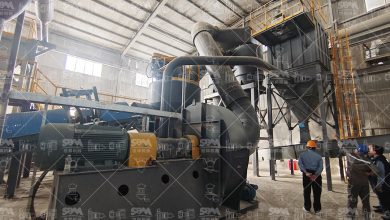
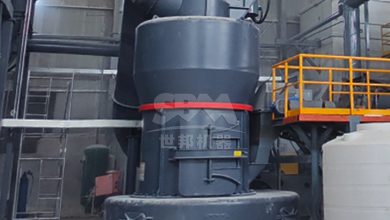
For the fine to ultra-fine grinding of non-metallic minerals like magnesium ore, the SCM Series Ultrafine Mill represents an optimal technological choice. This mill is engineered to deliver high efficiency and precise particle size control, which are crucial for maximizing the value of magnesium products.
The SCM mill operates on a layered grinding principle. The main motor drives the grinding ring to rotate, and materials are fed into the mill and dispersed by centrifugal force. Multiple grinding rollers apply pressure to the material bed on the rotating ring, achieving efficient comminution. A key advantage is its integrated high-precision turbine classifier, which ensures a sharp particle cut and prevents coarse particles from contaminating the final product. With an output fineness range of 325-2500 mesh (45-5μm), it is perfectly suited for producing high-value, fine magnesium powders.
From a cost-benefit perspective, the SCM mill offers compelling advantages. Its design provides a capacity that is approximately twice that of a jet mill while consuming about 30% less energy. Furthermore, its durable construction—featuring special material rollers and rings—extends the service life of wear parts significantly, reducing the frequency and cost of maintenance shutdowns. For a magnesium processing plant targeting the high-end market, the SCM Series provides the precision, reliability, and operational economy necessary for a competitive edge.
Cost Ranges and Investment Considerations
Providing an exact price is impossible without a specific project study, but capital expenditure (CAPEX) for a complete vertical mill system for magnesium ore can range broadly:
- Small to Medium Systems (Capacity: 3-25 t/h): $200,000 to $800,000 USD.
- Large Systems (Capacity: 25-100 t/h): $800,000 to $2.5 million USD.
- Very Large & Custom Systems (100+ t/h): $2.5 million USD and above.
Beyond the initial purchase price, Total Cost of Ownership (TCO) is critical. This includes:
- Operating Cost (OPEX): Dominated by power consumption (kWh/ton). Modern VRMs like the SCM series can be 30-40% more energy-efficient than traditional ball mills.
- Maintenance Cost: Spare parts (rollers, tables, liners), labor, and planned downtime.
- Wear Part Lifecycle: Longer-lasting components, though more expensive initially, lower the cost per ton ground.
For Higher Capacity Needs: The LM Series Vertical Roller Mill
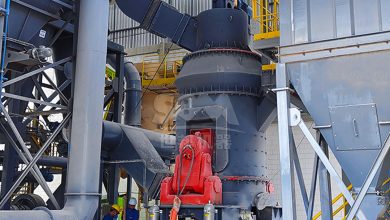
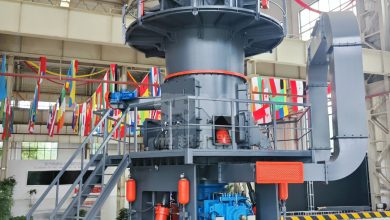
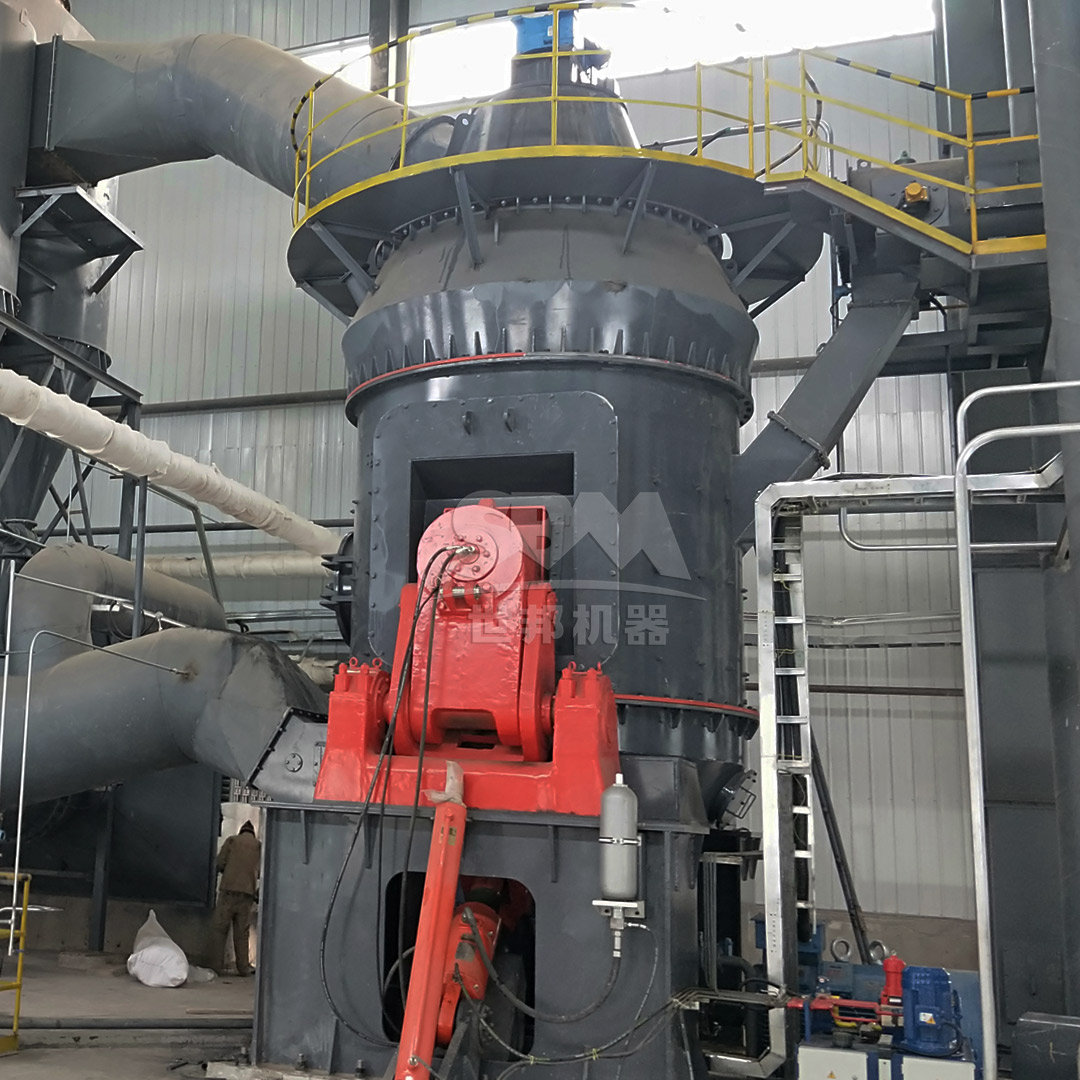
For projects requiring very high throughput in the range of 30 to 250 tons per hour, the LM Series Vertical Roller Mill is the industry workhorse. This mill is renowned for its robust integrated design, which combines crushing, grinding, drying, and classification in a single unit, reducing floor space by up to 50% compared to a ball mill system.
Its operational economy is a major selling point. The non-contact design between rollers and the grinding table, coupled with an efficient grinding principle, results in wear part life being increased by up to three times and energy consumption being 30-40% lower than ball mill systems. For a large-scale magnesium concentrate plant, this translates into millions of dollars in savings over the mill’s lifetime. The LM series also features an intelligent expert control system that allows for stable, automated operation with minimal manual intervention, ensuring consistent product quality from your magnesium ore.
Conclusion
Investing in a vertical mill for magnesium ore processing is a significant but rewarding capital decision. The cost is influenced by a complex interplay of capacity requirements, technological features, material quality, and system scope. While the initial price tag is important, a thorough analysis must focus on the Total Cost of Ownership, where energy efficiency and maintenance costs play decisive roles.
Technologies like the SCM Series Ultrafine Mill for fine grinding applications and the LM Series Vertical Roller Mill for high-capacity production offer a balanced proposition of advanced performance, operational reliability, and long-term economic benefits. By carefully matching the mill’s specifications to your specific ore characteristics and production goals, you can secure an asset that not only grinds magnesium ore but also grinds down your operational costs, ensuring a profitable and sustainable processing operation for years to come.