Heavy Calcium Carbonate Applications in Downstream Industries
Introduction: The Ubiquitous Mineral
Heavy Calcium Carbonate (HCC), primarily derived from naturally occurring calcite, limestone, or marble, is one of the most versatile and widely used industrial minerals globally. Its chemical inertness, brightness, low abrasiveness, and affordability make it an indispensable filler and functional additive across a vast spectrum of industries. The performance of HCC in these applications is intrinsically linked to its physical properties—most critically, its particle size distribution, morphology, and surface chemistry. This article explores the pivotal role of finely ground and ultra-fine HCC in key downstream sectors and examines the advanced milling technologies that enable the production of these high-value grades.
Key Properties and Their Industrial Significance
The value of HCC is not merely in its chemical composition (CaCO3) but in how its physical form can be engineered. Fineness, measured in mesh size or microns, determines opacity, reinforcement, and viscosity control. Particle shape (cubic, rhombohedral, or modified) affects packing density and flow characteristics. Surface treatment with stearic acid or other agents enhances compatibility with polymer matrices, improving dispersion and mechanical properties. The transition from coarse fillers to functional, fine powders unlocks premium applications and drives demand for precise and efficient comminution technology.
Applications in Major Downstream Industries
1. Plastics and Polymers
HCC is the dominant filler in the plastics industry. In polyvinyl chloride (PVC) profiles, pipes, and cables, it provides dimensional stability, improves impact strength, and reduces material costs. In polypropylene (PP) and polyethylene (PE) films and injection-molded parts, fine-grade HCC (typically 600-2500 mesh) enhances stiffness, heat deflection temperature, and surface finish. The trend towards higher loading levels to reduce polymer consumption necessitates powders with excellent dispersion and low moisture content to avoid processing issues.
2. Paints, Coatings, and Inks
In this sector, HCC acts as an extender pigment and functional filler. It contributes to dry film opacity (through spacing effects between TiO2 particles), improves scrub resistance, controls gloss, and enhances paint rheology. Ultrafine and nano-sized precipitated calcium carbonate (PCC) variants offer even greater benefits in high-performance coatings. The demand for low-VOC and water-based formulations places a premium on easily dispersible, fine-ground HCC with narrow particle size distributions to ensure consistent sheen and durability.
3. Paper
While precipitated calcium carbonate (PCC) dominates in paper coating for high-gloss printing surfaces, ground calcium carbonate (GCC) is extensively used as a filler in the paper bulk. It improves paper brightness, opacity, and printability while reducing production costs and wood fiber usage. The papermaking process requires filler grades with specific particle sizes to balance retention, drainage, and paper strength properties.
4. Adhesives and Sealants
HCC is a key component in many adhesive formulations, including silicone sealants, construction adhesives, and mastics. It functions as a rheology modifier, extender, and reinforcement agent. Fine powders with controlled surface area are crucial for achieving desired viscosity, sag resistance, and bond strength without compromising application properties.
5. Rubber
In rubber products such as tires, hoses, and belts, HCC serves as a semi-reinforcing filler. It improves tensile strength, tear resistance, and abrasion properties while reducing compound cost. Surface-treated grades provide better bonding with rubber polymers, leading to enhanced dynamic performance and longevity of the final product.
6. Pharmaceuticals and Food
High-purity, ultra-fine HCC meeting stringent pharmacopeial standards (USP, EP) is used as an excipient in tablets (as a diluent and disintegrant) and in dietary calcium supplements. In food, it serves as a calcium fortifier, acidity regulator, and anti-caking agent. These applications demand the highest levels of purity, consistent fineness, and compliance with Good Manufacturing Practice (GMP) production standards.
The Critical Role of Milling Technology
The expansion of HCC into these high-value applications is directly enabled by advances in grinding technology. Moving from traditional ball mills to more efficient, classifier-integrated systems has been a game-changer. Modern mills must deliver:
- Precise Particle Size Control: Ability to produce a consistent, narrow particle size distribution (PSD) from coarse (30 mesh) to ultra-fine (2500 mesh/5µm).
- High Energy Efficiency: Lower specific energy consumption (kWh/ton) compared to older technologies.
- Product Flexibility: Quick adjustment of fineness to produce different grades on the same line.
- Low Contamination: Construction with wear-resistant materials to prevent iron contamination.
- Environmental Compliance: Fully enclosed systems with high-efficiency dust collection to meet emission standards.
Recommended Solutions for HCC Production
Selecting the right milling system depends on the target fineness, required capacity, and total cost of ownership. For most modern heavy calcium carbonate plants targeting the premium markets discussed, two types of mills are particularly relevant.
For High-Capacity Production of Fine to Medium-Fine Powders (30-325 mesh)
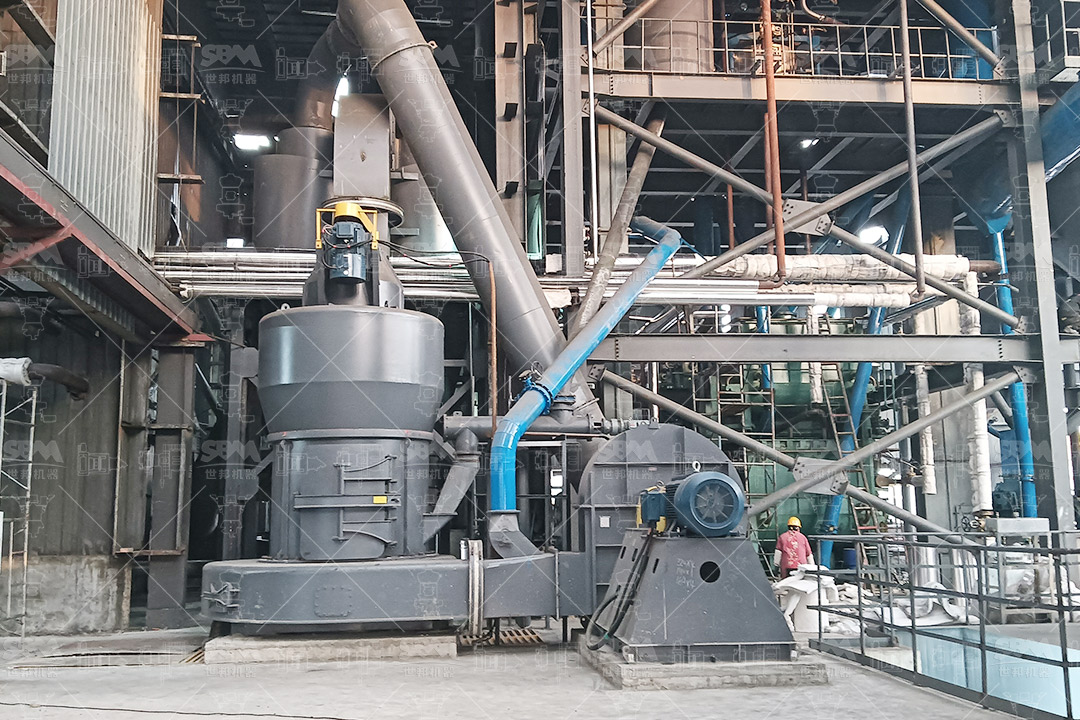
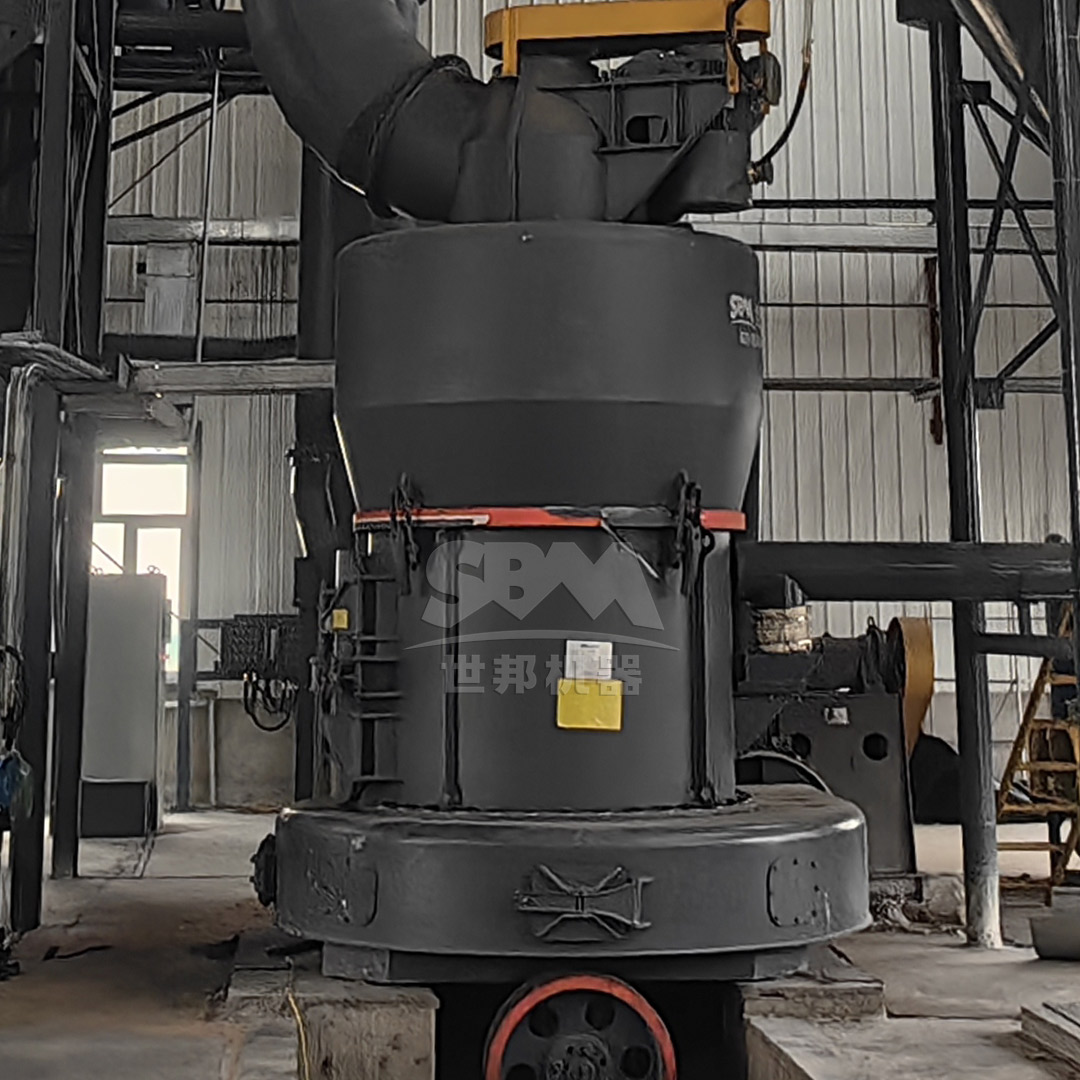
The MTW Series Trapezium Mill is an excellent choice for large-scale production of fillers for plastics, paints, and paper. Its robust design, featuring a conical gear overall transmission with 98% efficiency and wear-resistant components like the curved air duct and combined shovel blades, ensures high throughput (3-45 T/H) with low maintenance costs. The integrated high-efficiency classifier allows precise control over the final product fineness, making it ideal for producing consistent 200-325 mesh filler grades for PVC and other polymers at a competitive operational cost.
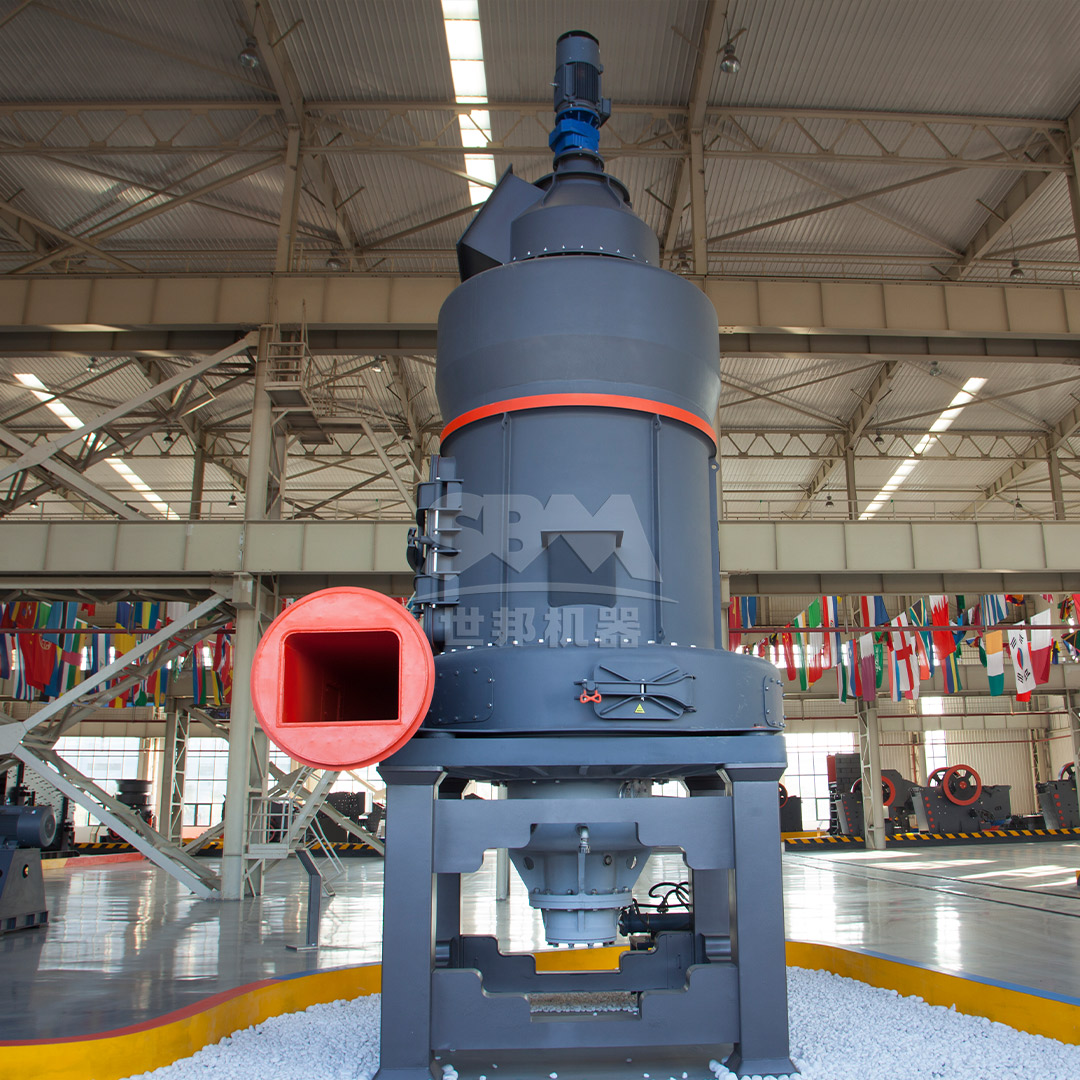
For Premium Ultra-Fine and Coating-Grade Powders (325-2500 mesh / 45-5µm)
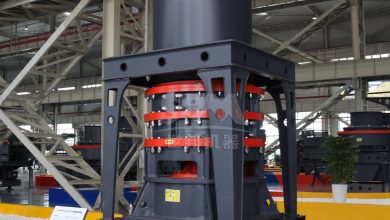
To access the most demanding applications in masterbatch, high-end plastics, and surface-treated specialties, the SCM Series Ultrafine Mill is the industry benchmark. This mill specializes in producing superfine powders with a D97 fineness as fine as 5µm (2500 mesh). Its vertical turbine classifier guarantees a sharp particle cut with no coarse grit contamination. The grinding mechanism, utilizing a multi-layer grinding ring and roller, is highly efficient, offering twice the capacity of a jet mill while reducing energy consumption by 30%. Furthermore, its environmentally friendly design, with pulse dust collector efficiency exceeding international standards and noise levels below 75dB, makes it suitable for modern, sustainable production facilities. Models like the SCM1250 (2.5-14 T/H) or SCM1680 (5-25 T/H) can form the core of a high-value HCC processing line.
Conclusion
The downstream applications of Heavy Calcium Carbonate continue to grow in sophistication and value. From reinforcing automotive plastics to enabling advanced paper coatings and pharmaceutical tablets, the demand for precisely engineered powders is stronger than ever. Meeting this demand requires not only high-quality raw material but also state-of-the-art grinding technology. Investing in efficient, precise, and reliable milling systems like the MTW Series for high-volume fine grinding or the SCM Series for ultra-fine production is essential for producers aiming to compete in the premium segments of the market and maximize the potential of this versatile mineral.