Granite Waste Stone Comprehensive Utilization Process and Equipment Introduction
Introduction
The global granite industry generates substantial quantities of waste stone during quarrying, cutting, and polishing processes. Historically considered a disposal problem, this waste now represents a significant opportunity for value-added products through advanced processing. A comprehensive utilization strategy not only addresses environmental concerns but also unlocks new revenue streams. This article outlines the complete process flow for transforming granite waste into high-value materials and introduces the critical equipment required for efficient and profitable operations.
1. Process Flow for Granite Waste Utilization
The transformation of granite waste into usable products follows a systematic, multi-stage process designed to maximize material recovery and product quality.
1.1 Primary Crushing and Screening
Large blocks and slabs of granite waste are first reduced in size using primary crushers, such as jaw crushers. The crushed material is then screened to separate different size fractions. Oversized material is recirculated, while the correctly sized aggregate (typically 0-50mm) proceeds to the next stage. This step is crucial for preparing a uniform feed for subsequent grinding.
1.2 Secondary Grinding and Classification
This is the core stage where the crushed granite is milled into fine and ultrafine powders. The choice of grinding equipment depends entirely on the target product fineness and capacity requirements.
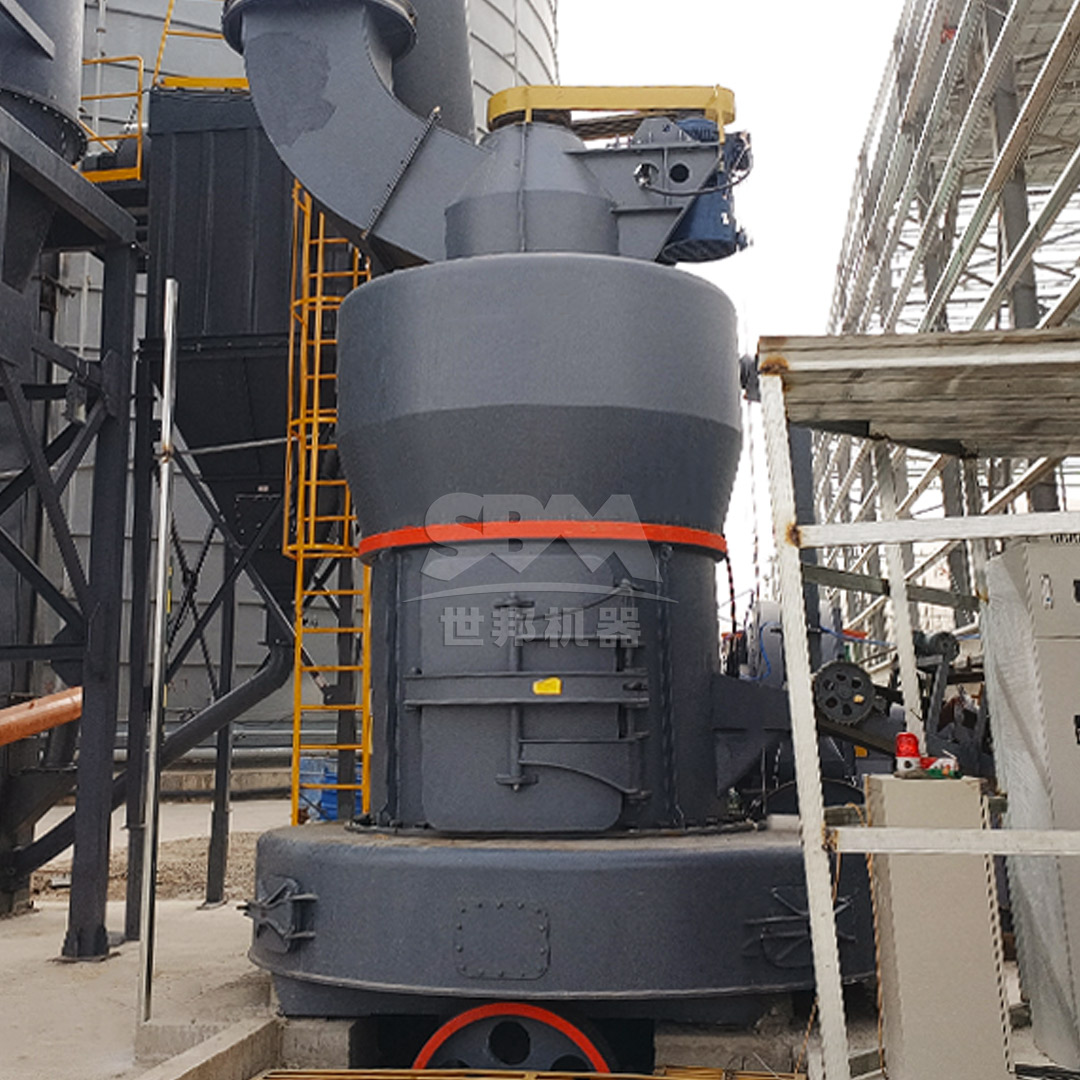
- For Coarse to Medium Fines (30-325 mesh / 600-45μm): Equipment like trapezium mills or vertical roller mills are ideal for producing powders used in construction materials, artificial stone, or terrazzo.
- For Ultrafine Powders (325-2500 mesh / 45-5μm): Specialized ultrafine grinding mills are necessary to produce high-value fillers for plastics, paints, coatings, and advanced composite materials.
Integrated air classifiers are essential here to ensure precise particle size distribution, separating qualified powder from coarse particles that require re-grinding.
1.3 Surface Modification (Optional)
For high-end applications in polymers or coatings, the surface of the granite powder may be treated with coupling agents (e.g., silanes) to improve compatibility and bonding with organic matrices, significantly enhancing the mechanical properties of the final composite product.
1.4 Conveying, Storage, and Packaging
The finished powder is conveyed via screw or pneumatic systems to storage silos. Automated packaging systems then bag the product for shipment. Dust collection systems are integrated at every transfer point to maintain a clean plant environment and comply with emissions standards.
2. Key Equipment for Granite Waste Processing
Selecting the right milling equipment is paramount to the economic viability of a granite waste utilization plant. The equipment must offer high efficiency, precise classification, durability to handle abrasive materials, and environmental compliance.
2.1 For High-Capacity, Coarse to Medium-Fine Grinding
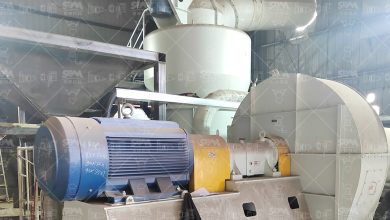
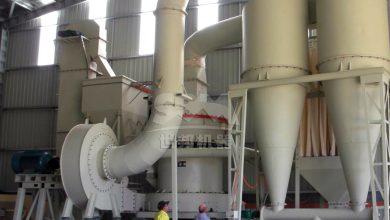
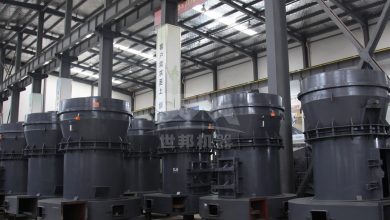
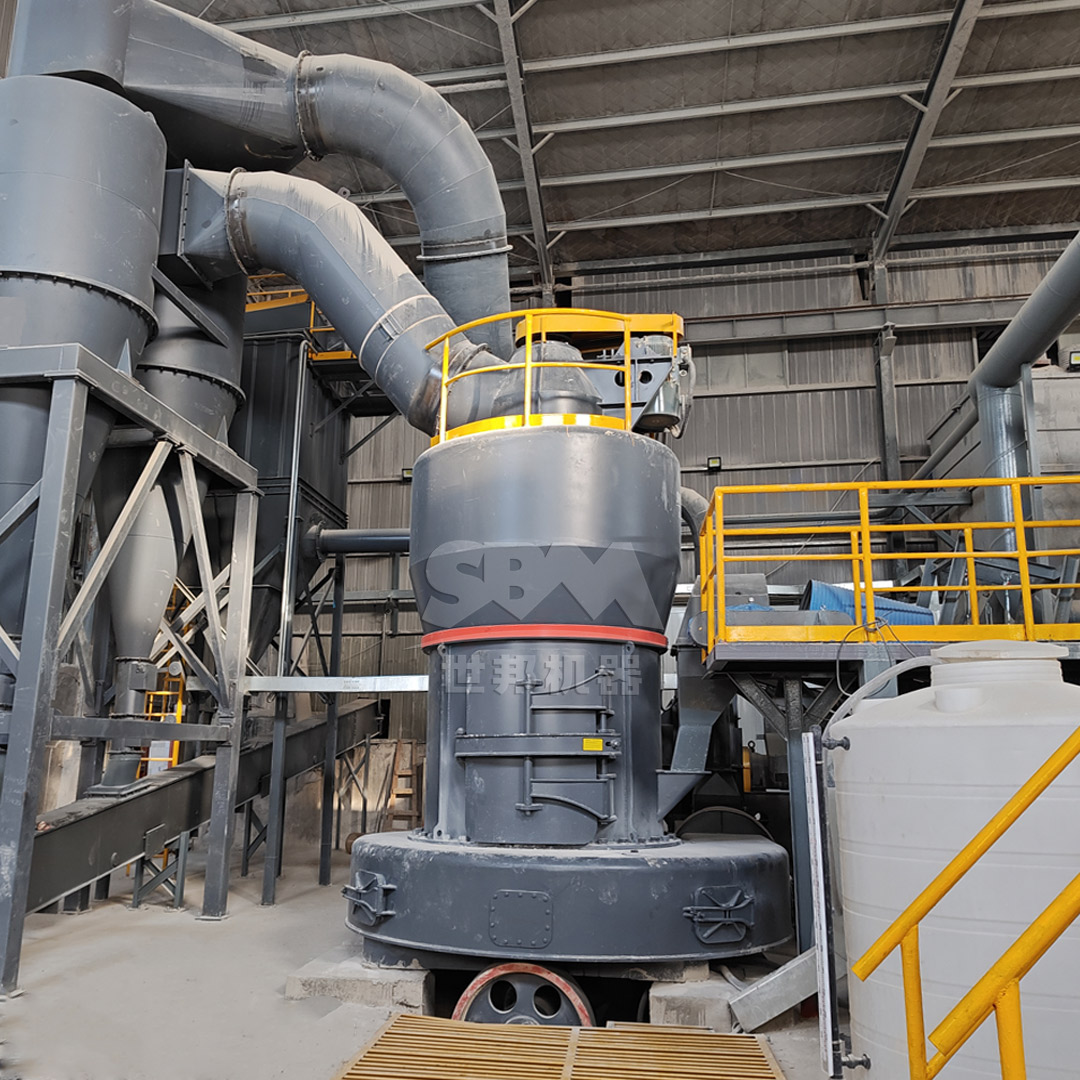
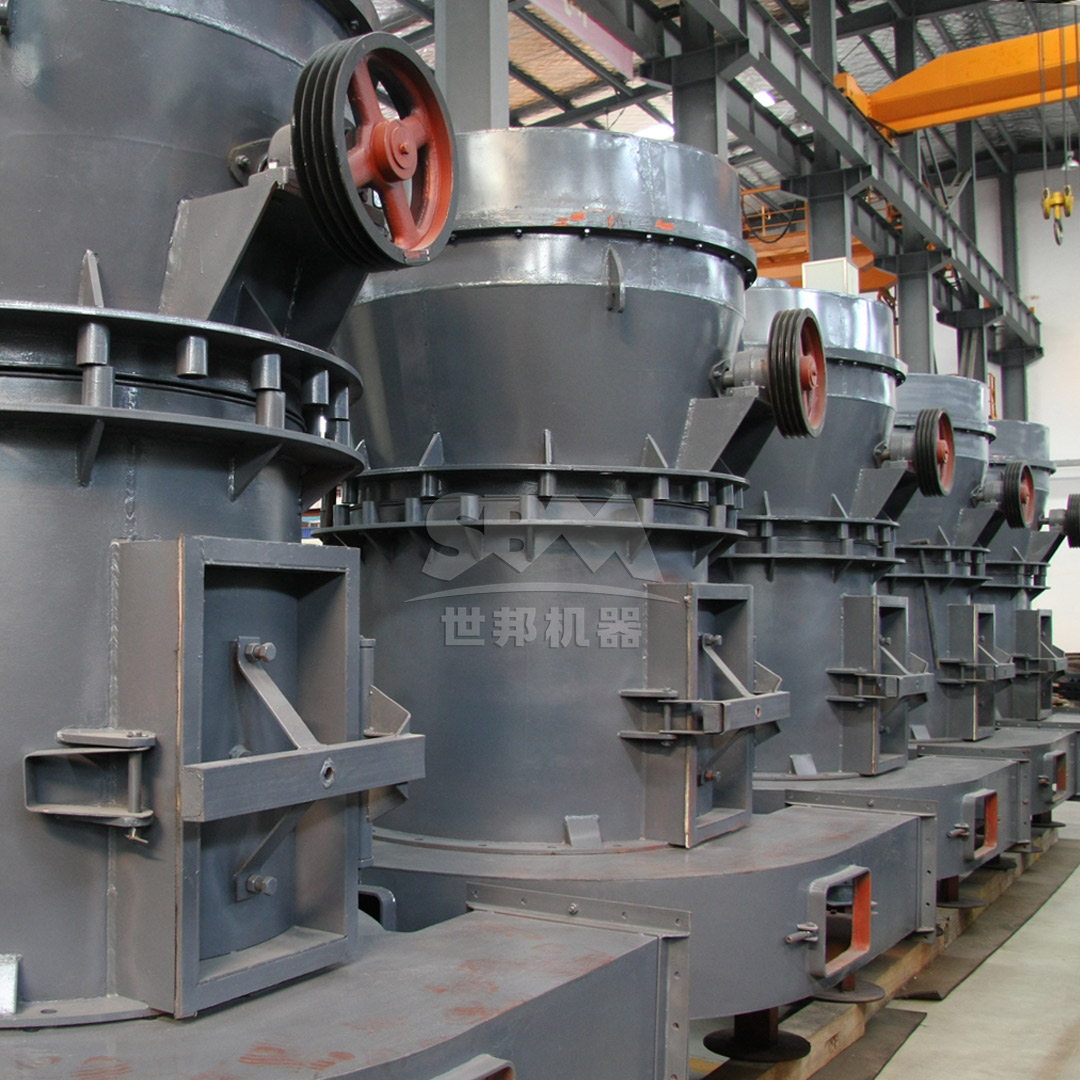
When the target product is in the range of 30 to 325 mesh for construction aggregates or base materials, a robust and efficient mill is required. Our MTW Series European Trapezium Mill is exceptionally well-suited for this role. Engineered with an integral bevel gear drive achieving 98% transmission efficiency, it offers significant energy savings. Its wear-resistant volute structure and optimized arc air duct reduce maintenance costs and improve airflow efficiency. With a capacity range of 3-45 tons per hour and the ability to handle feed sizes up to 50mm, the MTW series provides a reliable and cost-effective solution for the first stage of fine grinding granite waste into commercially viable products.
2.2 For High-Value Ultrafine Powder Production
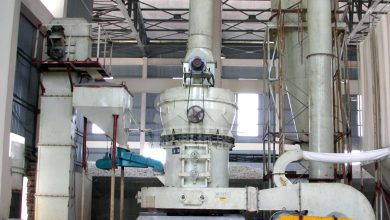
To access premium markets in polymers, paints, and advanced materials, producing ultrafine powder (325-2500 mesh) is essential. This demands a mill with superior grinding precision and classification technology. Our flagship SCM Series Ultrafine Mill is specifically designed for this challenging application. Its core advantages make it the ideal choice for processing abrasive granite waste into high-value filler:
- High Efficiency & Energy Saving: It delivers capacity twice that of traditional jet mills while consuming 30% less energy, thanks to its intelligent control system with automatic granularity feedback.
- High-Precision Classification: The vertical turbine classifier ensures sharp particle size cuts, producing uniform powder without coarse particle contamination.
- Durable Design: Critical components like rollers and grinding rings are made from special wear-resistant materials, extending service life several times over when processing hard granite.
- Eco-friendly Operation: The system features a pulse dust collector with efficiency exceeding international standards and a soundproof room design for low-noise operation.
With models ranging from the SCM800 (0.5-4.5 t/h) to the large-scale SCM1680 (5.0-25 t/h), this mill can be configured for projects of any size, transforming waste granite into a consistent, high-quality ultrafine product.
3. Economic and Environmental Benefits
Implementing a comprehensive granite waste processing system delivers substantial benefits:
- Waste Reduction & Landfill Savings: Diverts 90%+ of quarry and factory waste from landfills.
- New Revenue Streams: Creates saleable products from zero-cost raw material.
- Resource Conservation: Reduces the need for virgin quarrying of raw materials for fillers and aggregates.
- Sustainable Brand Image: Enhances corporate social responsibility profile.
4. Conclusion
The comprehensive utilization of granite waste stone is no longer a technical challenge but a strategic imperative for a sustainable and profitable stone industry. The success of such a venture hinges on a well-designed process flow and, most critically, the selection of high-performance, reliable grinding equipment. From the high-capacity MTW Series European Trapezium Mill for general-purpose fines to the precision SCM Series Ultrafine Mill for premium-grade powders, the right technology can efficiently bridge the gap between industrial waste and valuable raw materials, driving both economic gain and environmental stewardship.