Gasification Fine Slag Resource Utilization: Technology and Application in Grinding Mills
Introduction
Gasification fine slag (GFS), a by-product of coal gasification processes, presents both a significant waste management challenge and a promising resource opportunity. Composed primarily of residual carbon, glassy phases, and various mineral components, its complex and variable physical-chemical properties have historically limited its high-value utilization. However, advancements in grinding and classification technologies are unlocking its potential as a supplementary cementitious material (SCM), filler, or precursor for advanced materials. The core of this transformation lies in the efficient comminution of GFS to achieve the desired particle size distribution, specific surface area, and particle morphology. This article explores the technological pathways for GFS resource utilization, with a particular focus on the critical role of modern grinding equipment.
Characteristics and Challenges of Gasification Fine Slag
GFS is typically a fine, dry powder with particle sizes ranging from tens to hundreds of microns. Its key characteristics include high residual carbon content (which can affect pozzolanic activity), a porous and irregular particle structure, and variable hardness. The primary challenge for its utilization in applications like concrete is achieving a consistent, ultra-fine powder (often requiring a D97 below 45μm or even 10μm) with controlled carbon content and optimized particle shape to enhance reactivity and reduce water demand. Traditional ball mills often struggle with the efficiency and energy consumption required for such fine grinding, especially given the abrasive nature of some slag components.
Grinding Technology Pathways for GFS
The selection of grinding technology is paramount. The process must be energy-efficient, capable of precise particle size control, and robust enough to handle abrasive materials. Two main technological approaches have proven effective:
1. Integrated Pre-grinding and Fine-Grinding Systems
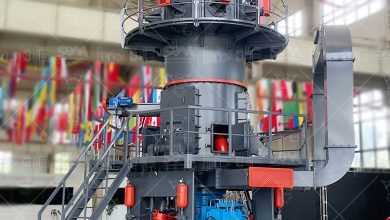
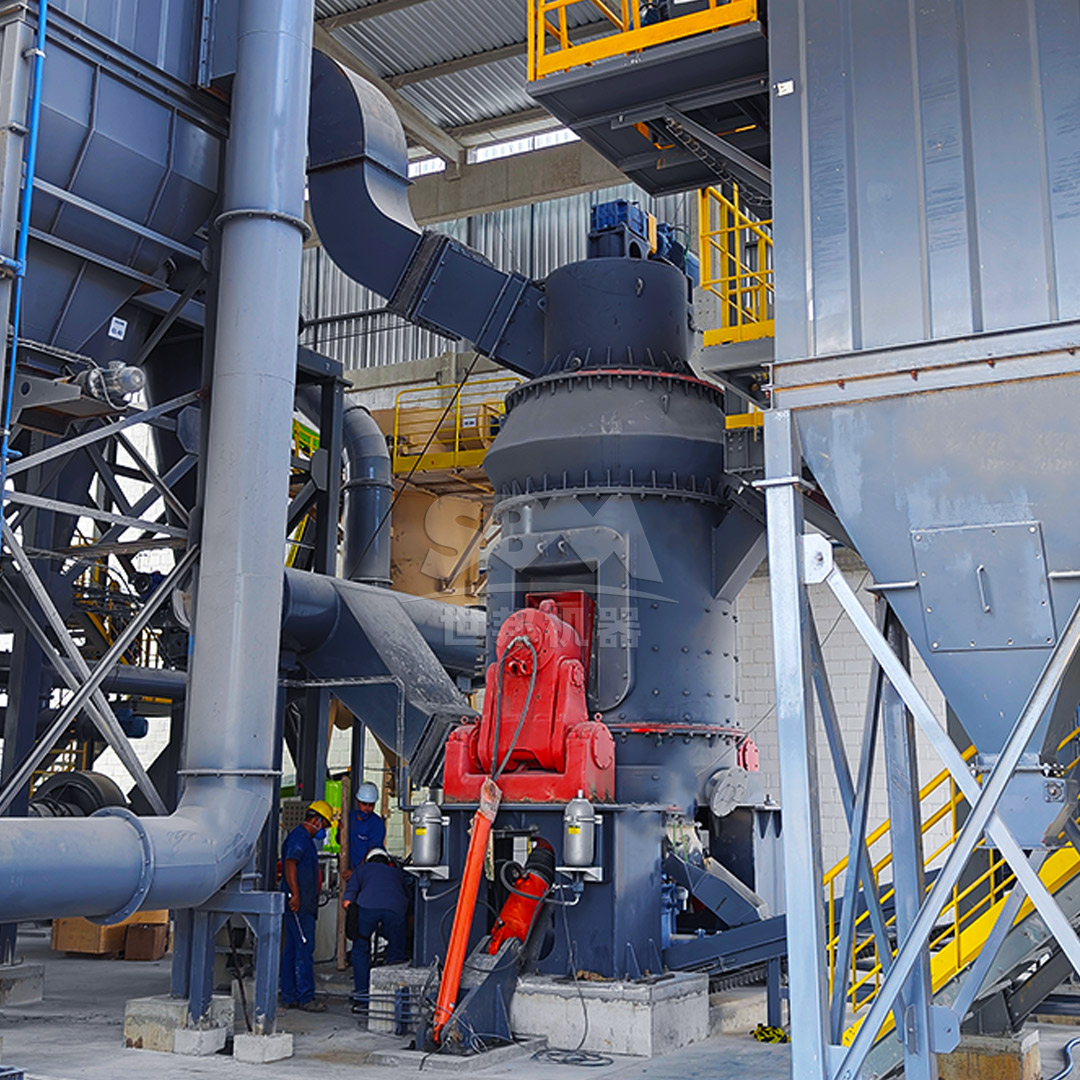
For large-scale processing, a system combining a coarse or pre-grinding stage with a dedicated fine-grinding mill is optimal. A vertical roller mill (VRM) is exceptionally well-suited for the pre-grinding stage. VRMs operate on the principle of bed comminution, where material is ground between a rotating table and rollers under hydraulic pressure. This method is highly energy-efficient, offers significant drying capacity (beneficial if slag moisture is variable), and produces a product with a relatively narrow size distribution.
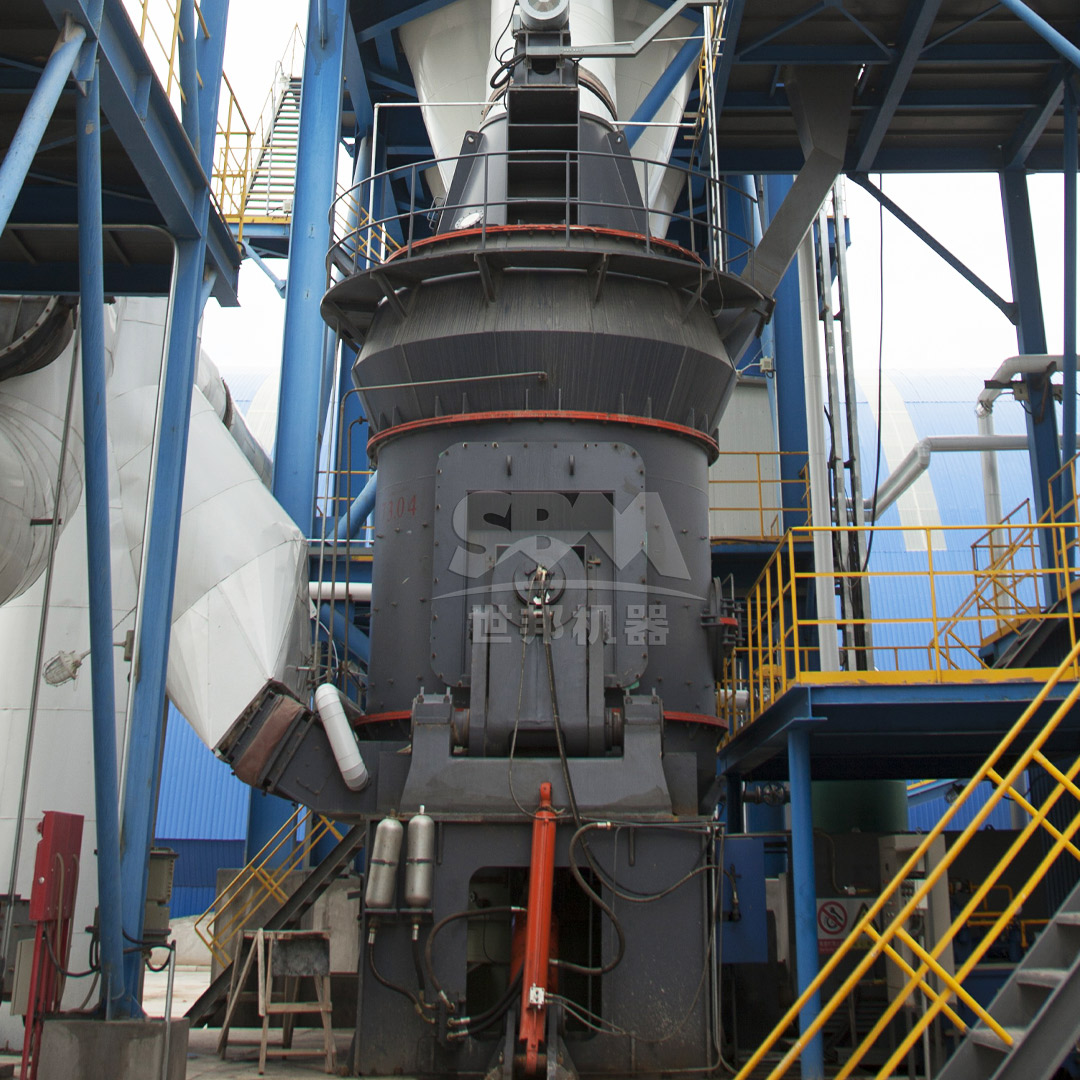
For this crucial pre-grinding stage, our LM Series Vertical Roller Mill offers an outstanding solution. Its集约化设计 integrates crushing, grinding, drying, and classifying into a single unit, reducing footprint by 50%. More importantly, its low运行成本 is critical for waste valorization projects; the non-contact design of磨辊与磨盘 extends wear part life significantly, while its energy consumption is 30-40% lower compared to traditional ball mill systems. Models like the LM190K or LM220K, with处理能力 from 23-105 t/h, can efficiently handle the initial size reduction of GFS to a suitable feed for downstream ultra-fine mills.
2. Ultra-Fine Grinding for High-Value Applications
To transform pre-ground GFS into a high-performance SCM or functional filler, ultra-fine grinding is essential. The target is often a product with a top cut (D97) of 5-20μm. This requires mills with high-precision internal classification systems to prevent over-grinding and ensure product uniformity.
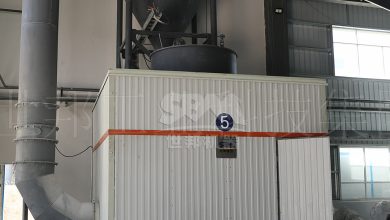
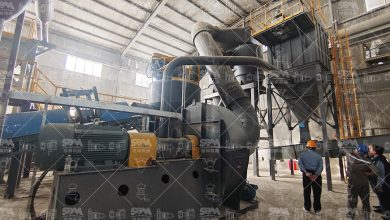
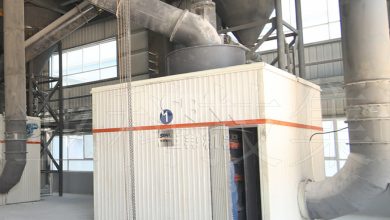
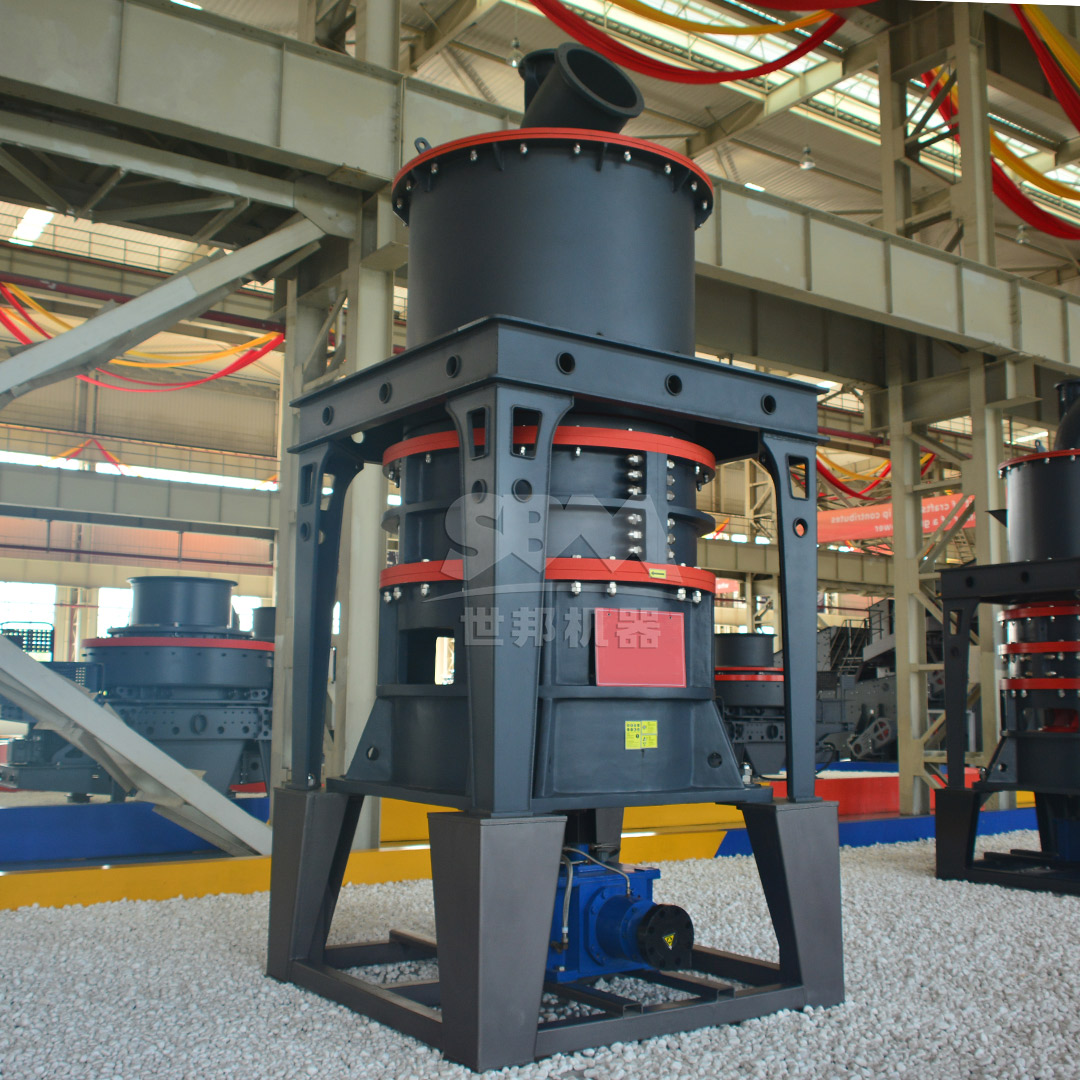
Our flagship SCM Series Ultrafine Mill is specifically engineered for this demanding application. It excels in producing powders in the range of 325-2500 mesh (D97 ≤5μm), which is ideal for activating the pozzolanic properties of GFS. Its核心优势 directly address the challenges of GFS processing: 1) 高效节能: With capacity twice that of jet mills and energy consumption 30% lower, it makes ultra-fine processing economically viable. 2) 高精度分级: The vertical turbine classifier ensures precise particle size cuts, yielding a uniform product without coarse grit contamination. 3) 耐用设计: Special material rollers and磨环 withstand the abrasiveness of slag, and the bearing-less screw grinding chamber ensures stable, long-term operation. A model like the SCM1000, with a处理能力 of 1.0-8.5 t/h, is perfectly scaled for dedicated GFS ultra-fine production lines.
Application in Building Materials and Beyond
Properly ground GFS finds valuable applications:
- Concrete and Cement: As an SCM, ultra-fine GFS improves concrete strength, durability (especially against sulfate attack), and workability. It reduces clinker factor, lowering the carbon footprint of cement production.
- Geopolymers: The aluminosilicate-rich glassy phase in GFS is an excellent precursor for geopolymer binders, offering a low-CO2 alternative to Portland cement.
- Functional Fillers: In paints, polymers, and asphalt, finely ground GFS can act as a cost-effective extender or modifier.
- Carbon Recovery:** The residual carbon, once separated, can be used as fuel or carbon black.
System Integration and Economic Considerations
A successful GFS grinding plant involves more than just the mill. It requires integrated feeding, drying (if necessary), grinding, classification, product collection (e.g., high-efficiency pulse bag filters), and packaging/silo storage. Automation and intelligent control systems are vital for maintaining consistent product quality and optimizing energy use. The economic case hinges on the cost of slag acquisition, grinding energy consumption (where the efficiency of mills like the SCM and LM series is decisive), wear part costs, and the market value of the final product. Government policies promoting industrial symbiosis and circular economy further enhance project viability.
Conclusion
The resource utilization of gasification fine slag is a technically sound and environmentally imperative pursuit. The key to unlocking its value lies in advanced grinding technology that can deliver energy-efficient, precise, and reliable size reduction to meet the specifications of high-end markets. By employing a tailored comminution strategy—potentially combining a robust pre-grinding solution like the LM Vertical Roller Mill with a precision ultra-fine grinding system like the SCM Ultrafine Mill—operators can transform this industrial by-product into a consistent, high-performance material. This not only addresses a waste problem but also contributes to sustainable construction and manufacturing practices, closing the loop in the coal chemical industry.