Does Vertical Mill Used in Graphite Production Process?
Introduction: The Critical Role of Grinding in Graphite Processing
The production of high-quality graphite, whether for industrial applications like refractories and lubricants or for advanced uses in lithium-ion batteries and electronics, hinges on precise particle size control and purity. The grinding stage is arguably the most critical unit operation in this process, transforming raw graphite flakes or concentrate into the fine powders that define final product performance. Among the various grinding technologies available, vertical roller mills (VRMs) have emerged as a superior solution, offering a compelling combination of efficiency, precision, and operational economy that aligns perfectly with the demands of modern graphite production.
The Unique Demands of Graphite Grinding
Graphite is a soft, layered, and naturally lubricious material. These properties present specific challenges for size reduction:
- Delamination vs. Fracture: The goal is often to exfoliate the layered structure into thinner flakes or platelets while maintaining their aspect ratio, rather than indiscriminately shattering them.
- Purity Preservation: The grinding process must minimize contamination from wear parts to maintain the carbon content and electrical/thermal properties.
- Energy Efficiency: Graphite’s softness can be deceptive; achieving ultra-fine sizes (into the micron and sub-micron range) still requires significant energy input.
- Thermal Sensitivity: Excessive heat generation during grinding can oxidize graphite, degrading its quality.
Why Vertical Roller Mills Are the Ideal Choice
Vertical roller mills address these challenges through a fundamentally efficient grinding mechanism. Unlike traditional ball mills that rely on impact and attrition from tumbling media, VRMs utilize a bed-compression principle. Material is fed onto a rotating grinding table and is ground under pressure from hydraulically loaded rollers. This method offers distinct advantages for graphite:
- High Grinding Efficiency & Low Energy Consumption: The bed-compression principle applies force directly to the material layer, minimizing energy waste on metal-to-metal contact or lifting heavy grinding media. This can result in 30-50% lower specific energy consumption compared to ball mill systems.
- Precise Particle Size Control: Integrated dynamic classifiers allow for real-time adjustment of product fineness. The sharp cut-point ensures a narrow particle size distribution, which is crucial for consistent battery anode or expandable graphite performance.
- Low Contamination & Wear: The direct grinding action and the possibility of using advanced wear-resistant materials for rollers and tables significantly reduce metallic contamination. Furthermore, the absence of grinding media (balls) eliminates a major source of iron contamination.
- Excellent Drying Capability: Hot gas can be introduced directly into the grinding chamber, allowing for simultaneous grinding and drying of graphite concentrate, which often has residual moisture.
- Compact Footprint & Low Noise: The integrated design of crushing, grinding, drying, and classifying within a single machine reduces the plant footprint by up to 50% and operates at lower noise levels.
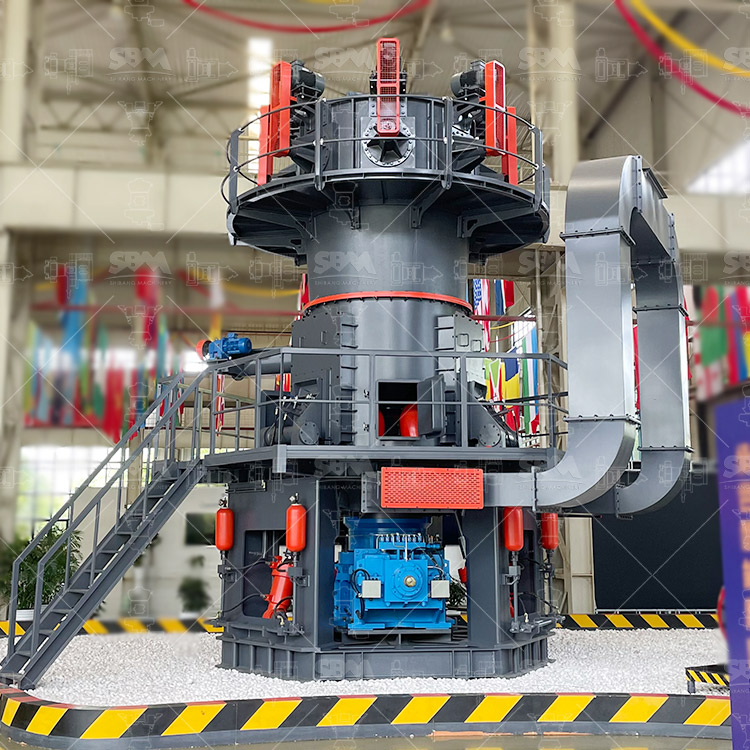
Selecting the Right Vertical Mill for Your Graphite Application
Not all vertical mills are created equal, and the choice depends heavily on the target product fineness and capacity. Graphite production spans a wide range, from coarse powders for refractories (e.g., 100 mesh / 150μm) to ultra-fine powders for conductive coatings or advanced batteries (e.g., 2500 mesh / 5μm).
For Coarse to Medium-Fine Grinding (30-325 mesh / 600-45μm)
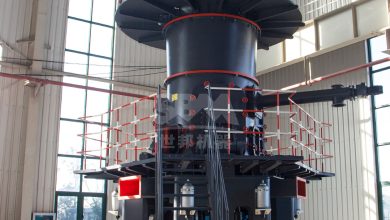
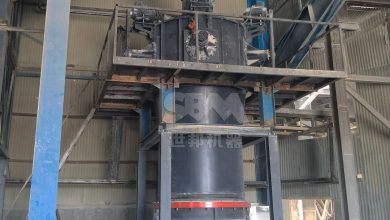
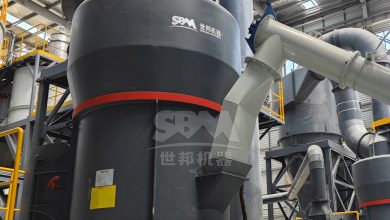
For producing graphite powders used in foundry facings, lubricants, or as a precursor for further processing, robust and high-capacity mills are key. Our LM Series Vertical Roller Mill is engineered for this duty. Its integrated design and low operating cost make it ideal for large-scale production. The non-contact design between rollers and table, coupled with wear-resistant materials, extends service life dramatically—a critical factor when processing abrasive graphite varieties. With capacities ranging from 3 to over 250 tons per hour and the ability to handle feed sizes up to 50mm, the LM series provides a versatile and economical foundation for any graphite plant.
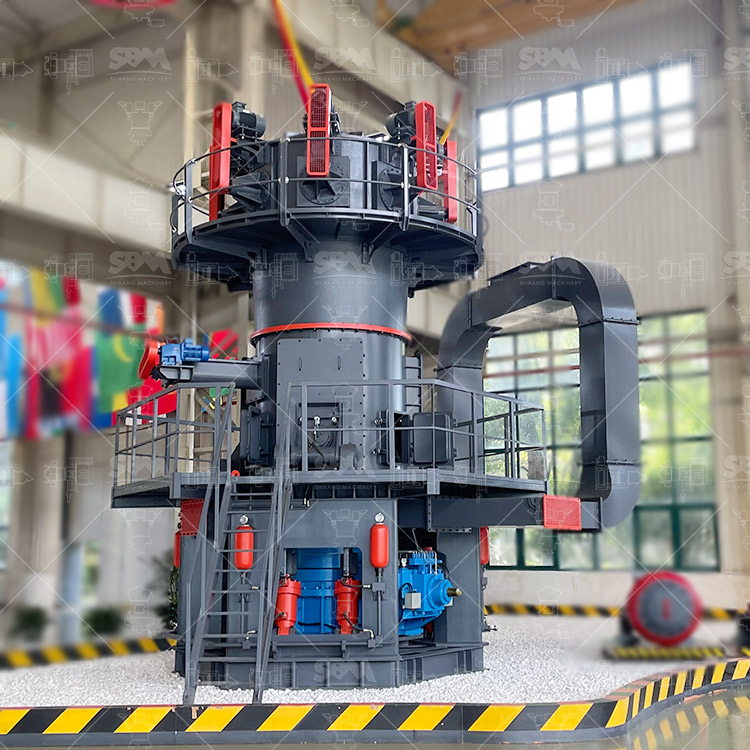
For Ultra-Fine and High-Purity Grinding (325-2500 mesh / 45-5μm)
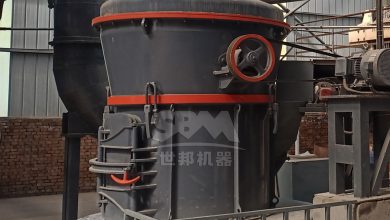
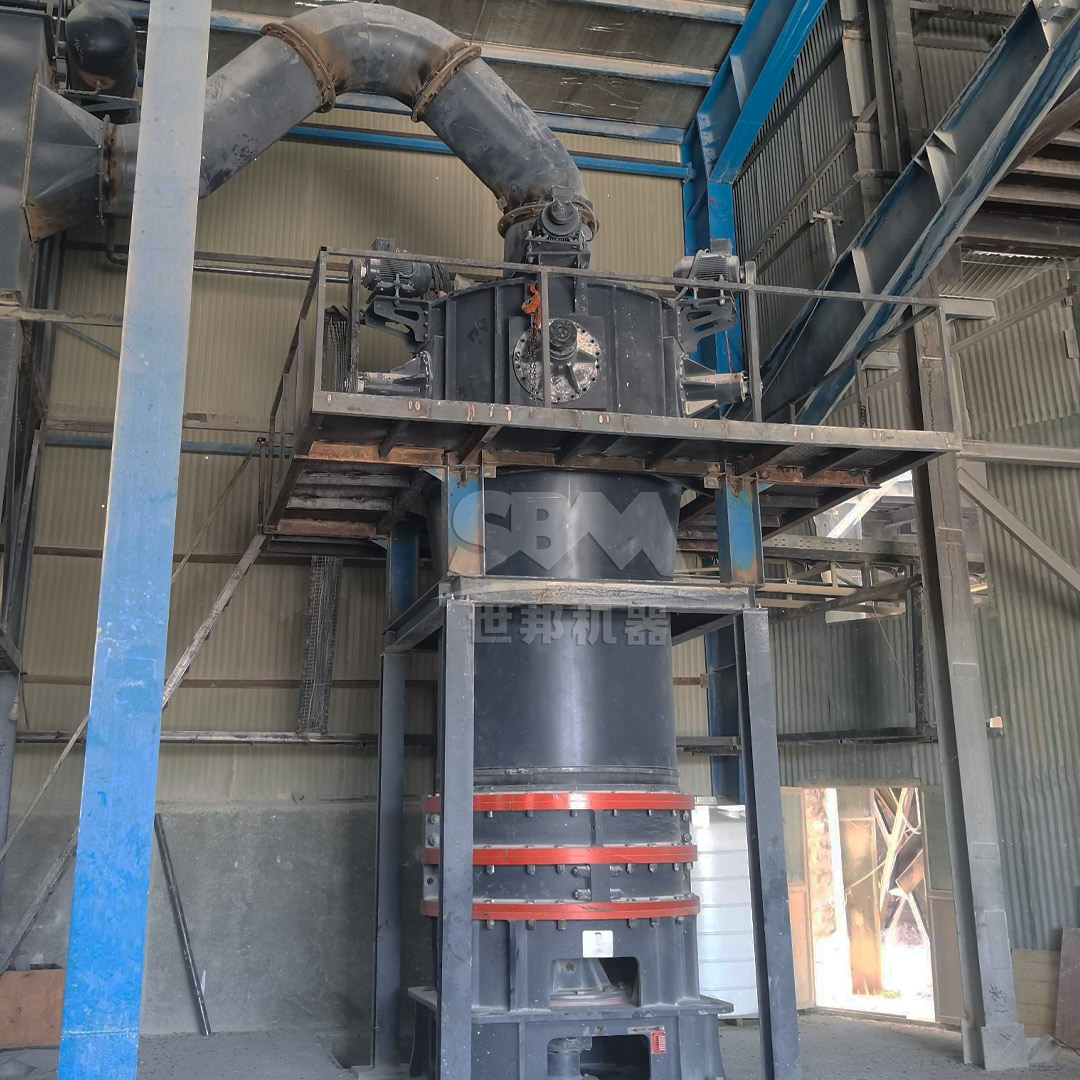
The most demanding applications, such as lithium-ion battery anode material, require not only extreme fineness but also exceptional product uniformity and minimal contamination. For this technological frontier, we highly recommend our flagship SCM Series Ultrafine Mill. This mill is specifically designed for producing micron and sub-micron powders.
Its technical advantages are perfectly aligned with high-end graphite production:
- High-Efficiency & Energy Saving: It offers twice the capacity of traditional jet mills while consuming 30% less energy, drastically reducing the cost of producing battery-grade graphite.
- High-Precision Classification: The vertical turbine classifier ensures a precise particle size cut with no coarse powder mixing, guaranteeing the uniform flake size essential for battery performance.
- Durable & Contamination-Minimized Design: Special material rollers and rings offer extended service life, while the shaftless screw grinding chamber design promotes stable operation and reduces potential contamination points.
- Turnkey Solution: The system comes complete with a high-efficiency pulse dust collector (>99.9% efficiency), ensuring an environmentally friendly operation that meets the strictest international standards.
With models like the SCM1000 (1.0-8.5 t/h, 325-2500 mesh) or the larger SCM1680 (5.0-25 t/h), the SCM series provides scalable solutions for premium graphite producers aiming for the high-value markets.
Conclusion: The Vertical Path to Superior Graphite
The question is not merely whether vertical mills are used in graphite production, but rather why they have become the technology of choice for forward-thinking producers. The transition from traditional milling systems to advanced vertical roller mills represents a significant leap in process efficiency, product quality control, and operational sustainability. By leveraging the bed-grinding principle, integrated classification, and intelligent control systems, VRMs like our LM Series and SCM Series provide targeted solutions for the full spectrum of graphite products. From cost-effective, high-volume production to the exacting standards of ultra-fine, battery-grade material, vertical mill technology offers a clear, efficient, and precise path to optimizing your graphite production process and securing a competitive edge in a demanding global market.