Differences Between Dry Ground Fluorite Powder and Flotation Fluorite Powder in Processing
Introduction: The Critical Role of Processing in Fluorite Applications
Fluorite (CaF₂), a vital industrial mineral, is primarily valued for its fluorine content and finds extensive applications in metallurgy (as a flux), the chemical industry (for hydrofluoric acid production), ceramics, and optics. The performance of fluorite in these diverse sectors is intrinsically linked to its physical and chemical properties, which are, in turn, decisively shaped by the beneficiation and subsequent grinding processes employed. Two primary product streams dominate the market: dry ground fluorite powder and flotation fluorite powder. While both originate from fluorite ore, their processing routes, resultant characteristics, and optimal applications differ significantly. This article provides a comprehensive technical analysis of these differences, focusing on processing methodologies, powder characteristics, and equipment selection to achieve desired product specifications.
1. Processing Routes: From Ore to Powder
1.1 Dry Ground Fluorite Powder Processing
The production of dry ground fluorite powder typically follows a simpler, more direct path. High-grade lump fluorite ore, often with a CaF₂ content exceeding 85-90%, is the preferred feed material. The process sequence is as follows:
- Primary Crushing & Screening: Large ore lumps are reduced to a manageable size (e.g., ≤50mm) using jaw crushers or hammer mills.
- Drying: If the moisture content is high, a dryer is employed to reduce it, typically below 1-2%, to ensure efficient subsequent grinding.
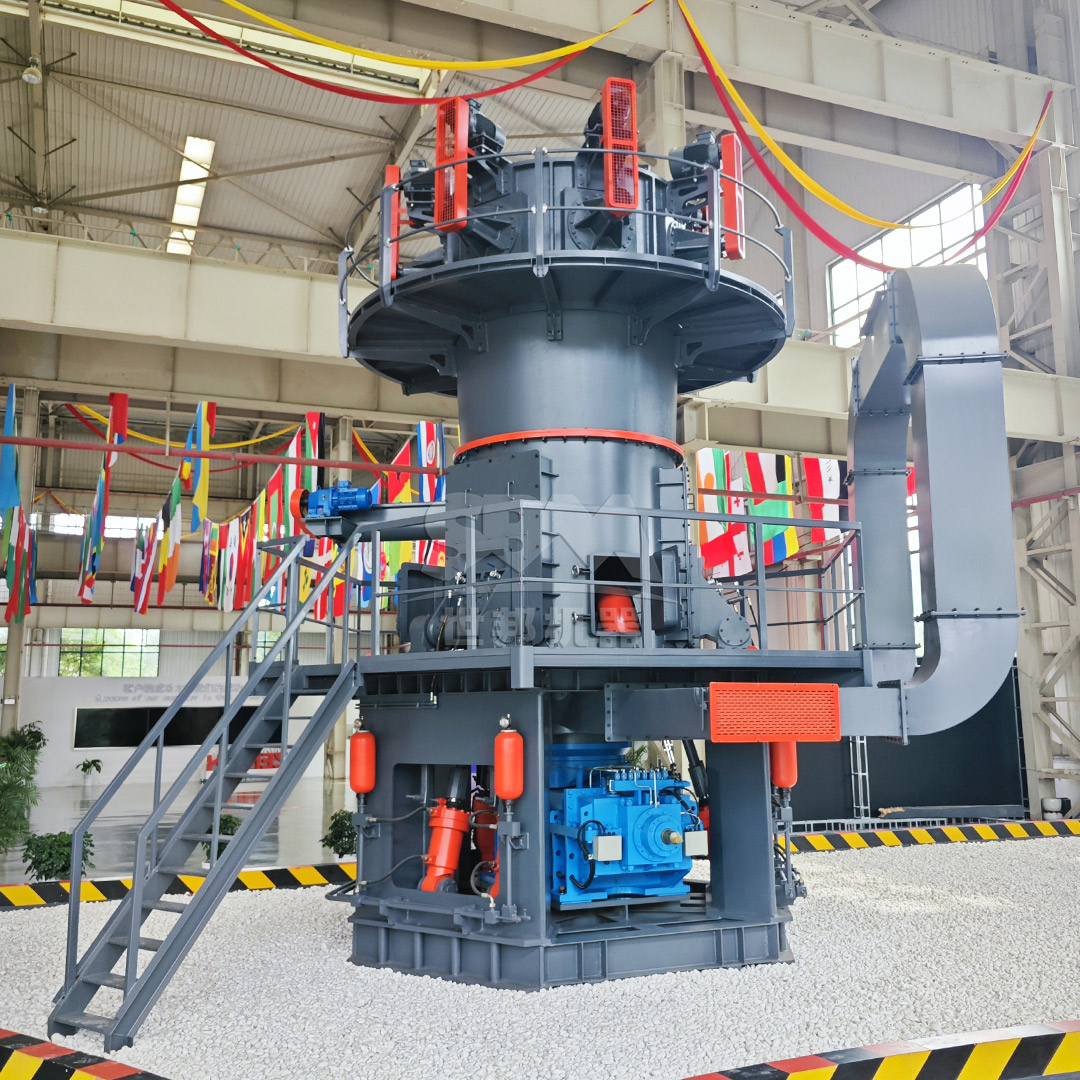
- Grinding & Classification: The dried, crushed ore is fed into a dry grinding mill. The ground product is simultaneously classified; oversize particles are returned for further grinding, while the in-spec powder is collected.
- Collection & Packaging: The final product is collected via cyclones and baghouse filters and packaged.
This route is capital and energy-intensive for drying but avoids the complexities of water and reagent handling. The final product largely retains the chemical purity of the feed ore but may contain inherent gangue minerals.
1.2 Flotation Fluorite Powder Processing
Flotation is a beneficiation process essential for upgrading low-to-medium grade fluorite ores. It aims to separate fluorite from associated gangue minerals like calcite, quartz, and barite. The process is wet and more complex:
- Crushing & Grinding: Ore is crushed and wet-ground (often in a ball mill) to liberate fluorite crystals from the gangue.
- Flotation: The slurry is conditioned with specific reagents (collectors like oleic acid, modifiers, depressants for gangue). In flotation cells, air bubbles carry the hydrophobic fluorite particles to the surface, forming a concentrate froth.
- Dewatering: The fluorite concentrate froth is thickened and filtered to produce a wet filter cake with 8-15% moisture.
- Drying: The filter cake requires intensive drying to reduce moisture for dry powder production.
- Dry Grinding (Post-Processing): The dried concentrate lumps are often ground again to achieve the target fineness for various applications.
This route yields a high-purity product (CaF₂ often >97%) but involves multiple stages, water management, reagent costs, and significant thermal energy for drying the filter cake.
2. Comparative Analysis: Key Powder Characteristics
The choice between dry-ground and flotation powder hinges on the following property differences arising from their processing:
| Characteristic | Dry Ground Fluorite Powder | Flotation Fluorite Powder |
|---|---|---|
| Chemical Purity (CaF₂) | Moderate to High (depends on ore grade). Gangue minerals are physically present. | Very High (>97%). Gangue minerals are chemically separated. |
| Particle Shape & Surface | Angular, irregular particles due to mechanical fracture. More active surface. | Often more liberated, natural crystal surfaces may be modified by reagents. Can be smoother. |
| Moisture Content | Very low (<1%), controlled during drying/grinding. | Low, but residual moisture and organic reagents from flotation may be present. |
| Contaminants | Silica, calcite, etc., from original ore. | Low gangue. Potential trace organics from flotation reagents. |
| Color | Varies with ore source (white, green, purple). May appear less uniform. | Typically brighter and more consistent white after impurity removal. |
| Bulk Density | Generally higher due to angular particle packing. | Can be lower depending on particle shape and porosity. |
| Cost Structure | Lower beneficiation cost, higher energy cost for grinding hard ore. | High beneficiation (reagent, water) cost, plus drying and grinding cost. |
3. Application-Specific Recommendations
- Metallurgical Flux: Dry-ground powder from high-grade lump ore is often sufficient and more economical. High purity is less critical than consistent granulometry and low moisture.
- Hydrofluoric Acid Production: Requires very high chemical purity to avoid poisoning catalysts and causing impurities in acid. Flotation concentrate (acid-grade) is mandatory, typically ground to a specific fineness.
- Ceramics & Glass: Flotation powder is preferred for high-end applications where color and iron content are critical. Dry-ground powder may be used for standard ceramics if purity is adequate.
- Optics & Special Applications: Requires the highest purity and controlled particle properties. Further processing (acid washing, ultra-fine grinding) of high-grade flotation concentrate is standard.
4. Critical Processing Stage: Grinding Technology Selection
The final grinding stage, whether for direct dry ore or for dried flotation concentrate, is paramount in defining the powder’s fineness, particle size distribution (PSD), and energy efficiency. Different applications demand different fineness ranges:
- Metallurgical Flux: Coarser grinding (e.g., 30-100 mesh / 0.6-0.15mm).
- Ceramics: Medium fineness (e.g., 200-325 mesh / 74-45μm).
- Chemical & Advanced Industries: Very fine to ultra-fine grinding (e.g., >325 mesh / <45μm down to 5μm).
Selecting the wrong mill can lead to high energy consumption, poor PSD control, and excessive wear. For the demanding task of producing consistent, fine fluorite powders—especially from the hard and sometimes abrasive fluorite ore—advanced grinding systems are essential.
4.1 Recommended Solutions for Fluorite Processing
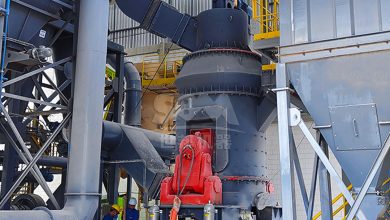
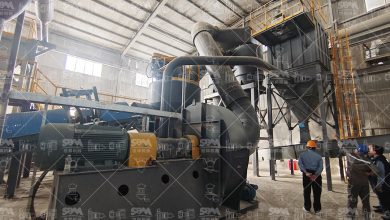
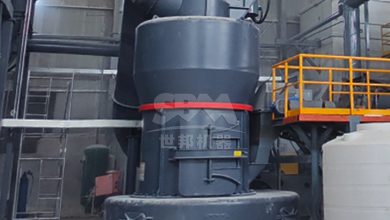
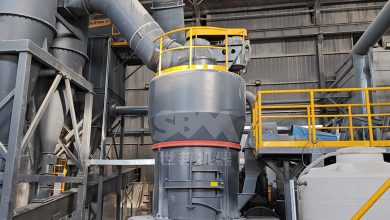
For medium to fine grinding requirements (30-325 mesh, 0.6-0.045mm), such as preparing feed for flotation or producing metallurgical/ceramic grade powder, the MTW Series European Trapezium Mill is an outstanding choice. Its advantages directly address fluorite processing challenges:
- High Efficiency & Wear Resistance: The integral bevel gear drive ensures 98% transmission efficiency, while the anti-wear shovel and optimized grinding curve design significantly reduce wear on key parts when processing abrasive materials, lowering operating costs.
- Precise Classification: The curved air duct and efficient classifier ensure a sharp particle size cut, producing uniform powder crucial for consistent flotation feed or product quality.
- Large Capacity Range: With models from 3 to 45 t/h, it can scale from pilot plants to large-scale production lines for dried concentrate or direct ore grinding.
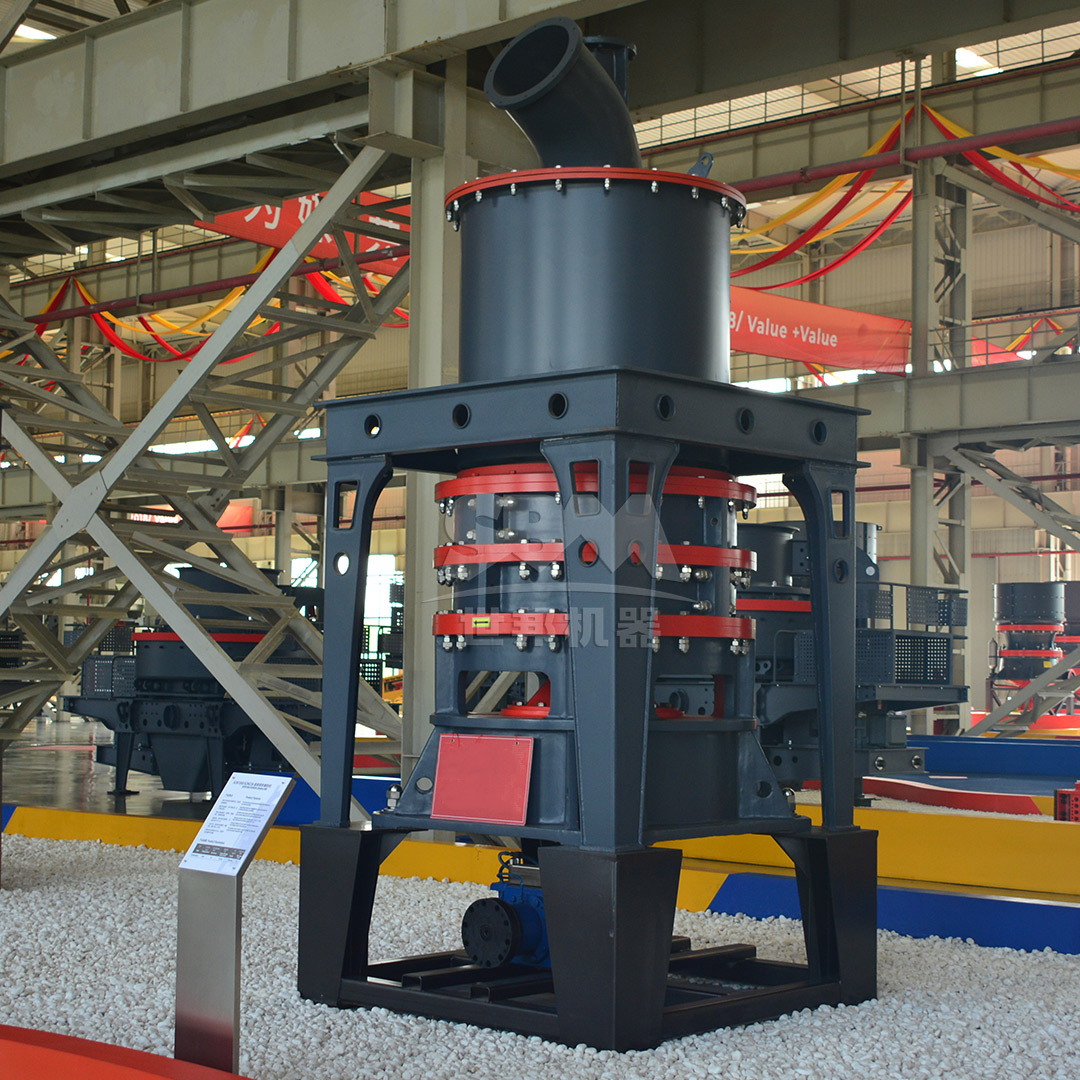
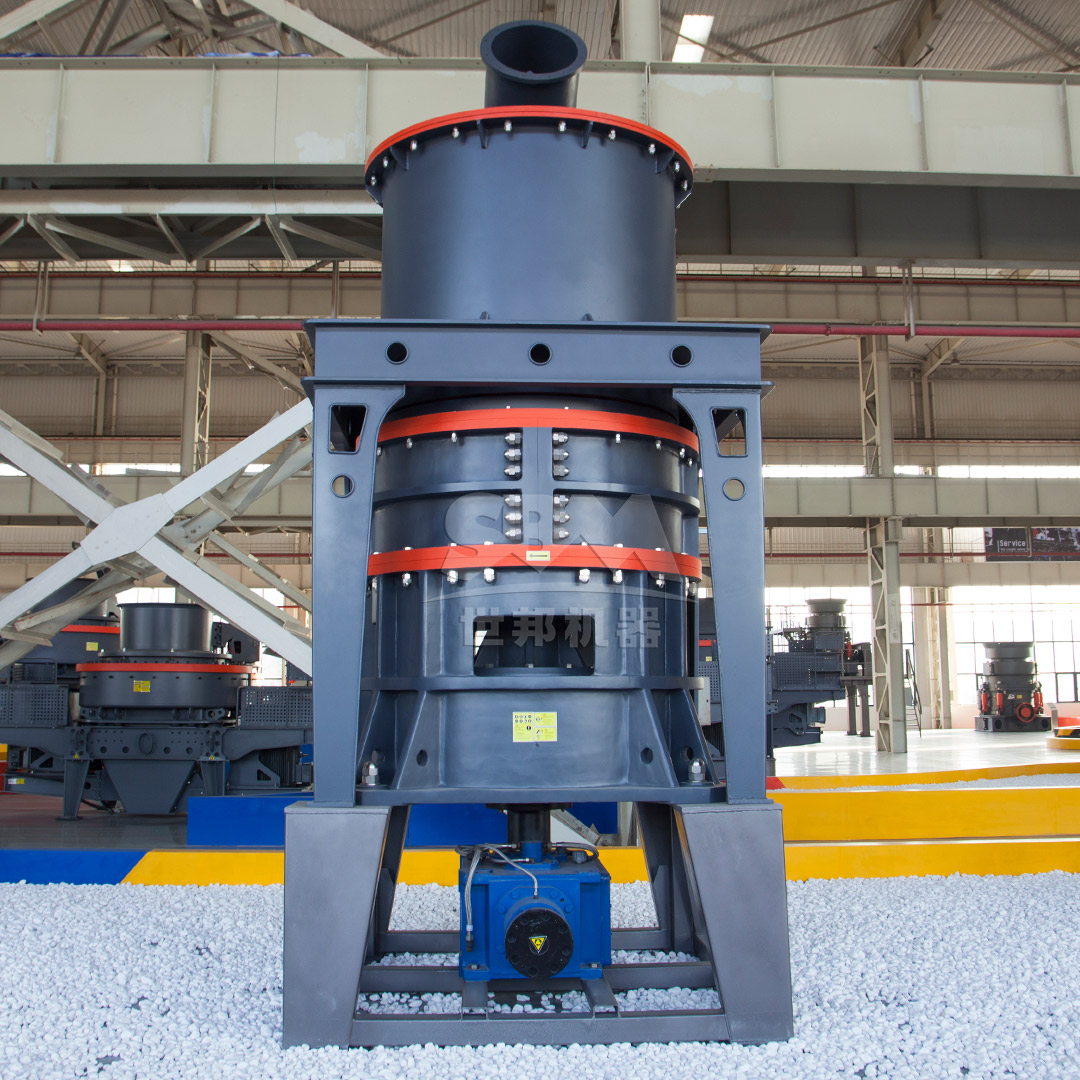
For applications demanding ultra-fine fluorite powder (325-2500 mesh, 45-5μm) for high-value chemical or functional material applications, the SCM Series Ultrafine Mill is the industry-leading technology. It excels where other mills reach their limits:
- Ultra-Fine Grinding Capability: It reliably produces powder in the 5-45μm range, meeting the most stringent fineness specifications for acid-grade or specialty fluorite.
- Energy Efficiency: Its grinding principle consumes 30% less energy than traditional jet mills for the same output, offering substantial operational savings.
- Exceptional Product Quality: The high-precision vertical turbine classifier guarantees no coarse powder mixing, resulting in a very narrow and consistent particle size distribution—a critical factor for reactivity and performance in downstream processes.
- Turnkey System: It incorporates high-efficiency pulse dust collection, ensuring an environmentally clean operation with dust emissions exceeding international standards, which is vital for handling fine powder.
5. Conclusion
The divergence between dry ground and flotation fluorite powder begins at the beneficiation philosophy and permeates every subsequent processing step, culminating in powders with distinct property profiles. Dry-ground powder offers a cost-effective solution for applications where high natural ore grade can be leveraged, while flotation powder is indispensable for achieving the high purity demanded by the chemical and advanced materials industries. Regardless of the route, the final grinding stage is a critical determinant of product value. Investing in modern, efficient, and precise grinding technology like the MTW Series Mill for fine grinding or the SCM Series Ultrafine Mill for ultra-fine applications is not merely an equipment purchase but a strategic decision to enhance product quality, reduce operational costs, and secure a competitive edge in the evolving fluorite market.