Comprehensive Utilization Suggestions for Graphite Tailings Sand: Sustainable Solutions and Applications
1. Introduction: The Challenge and Opportunity of Graphite Tailings
The global demand for graphite, a critical material for batteries, refractories, and lubricants, continues to surge. However, its extraction and processing generate vast quantities of tailings sand—a fine-grained, mineral-rich byproduct. Traditionally viewed as waste requiring costly disposal and posing environmental risks through land occupation and potential leaching, graphite tailings represent a significant untapped resource. This article explores comprehensive, sustainable pathways for the valorization of graphite tailings sand, transforming an environmental liability into a source of economic and ecological value. By adopting advanced processing technologies, industries can unlock the potential of this material for use in construction, materials science, agriculture, and more, contributing to a circular economy model.
2. Characterization and Pre-Treatment of Graphite Tailings Sand
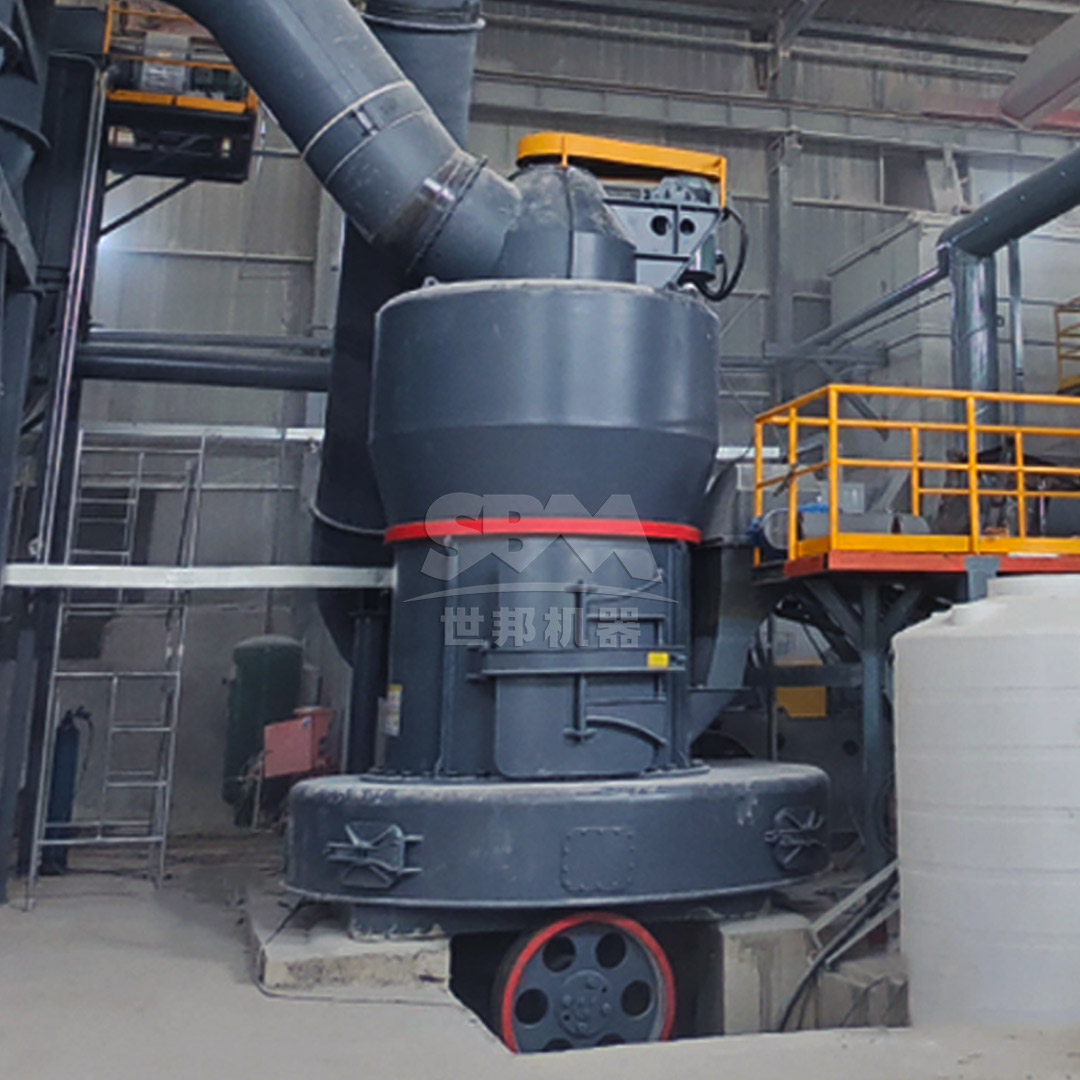
Effective utilization begins with a thorough understanding of the material. Graphite tailings typically consist of residual graphite flakes, silicate minerals (like quartz and feldspar), and minor clay content. Key parameters include particle size distribution (often in the range of tens to hundreds of microns), chemical composition, and moisture content. Pre-treatment is crucial to ensure suitability for downstream applications. This often involves dewatering, drying, and primary size reduction to create a uniform feed stock. The initial crushing stage is critical for liberating valuable components and preparing the material for fine grinding, which is the gateway to high-value applications.
3. Core Processing Pathway: Advanced Grinding and Classification
The transformation of coarse tailings sand into functional powders hinges on precise and efficient grinding technology. The target fineness directly dictates the application potential—from coarse fillers to ultra-fine functional additives.
3.1 For Coarse to Medium-Fine Applications (30-325 mesh / 600-45μm)
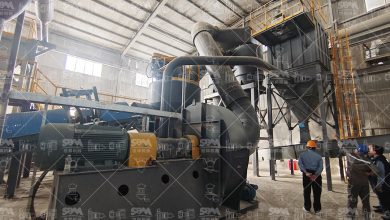
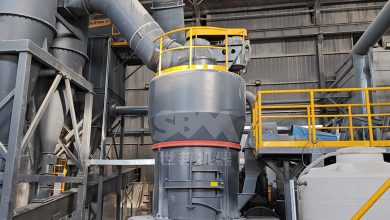
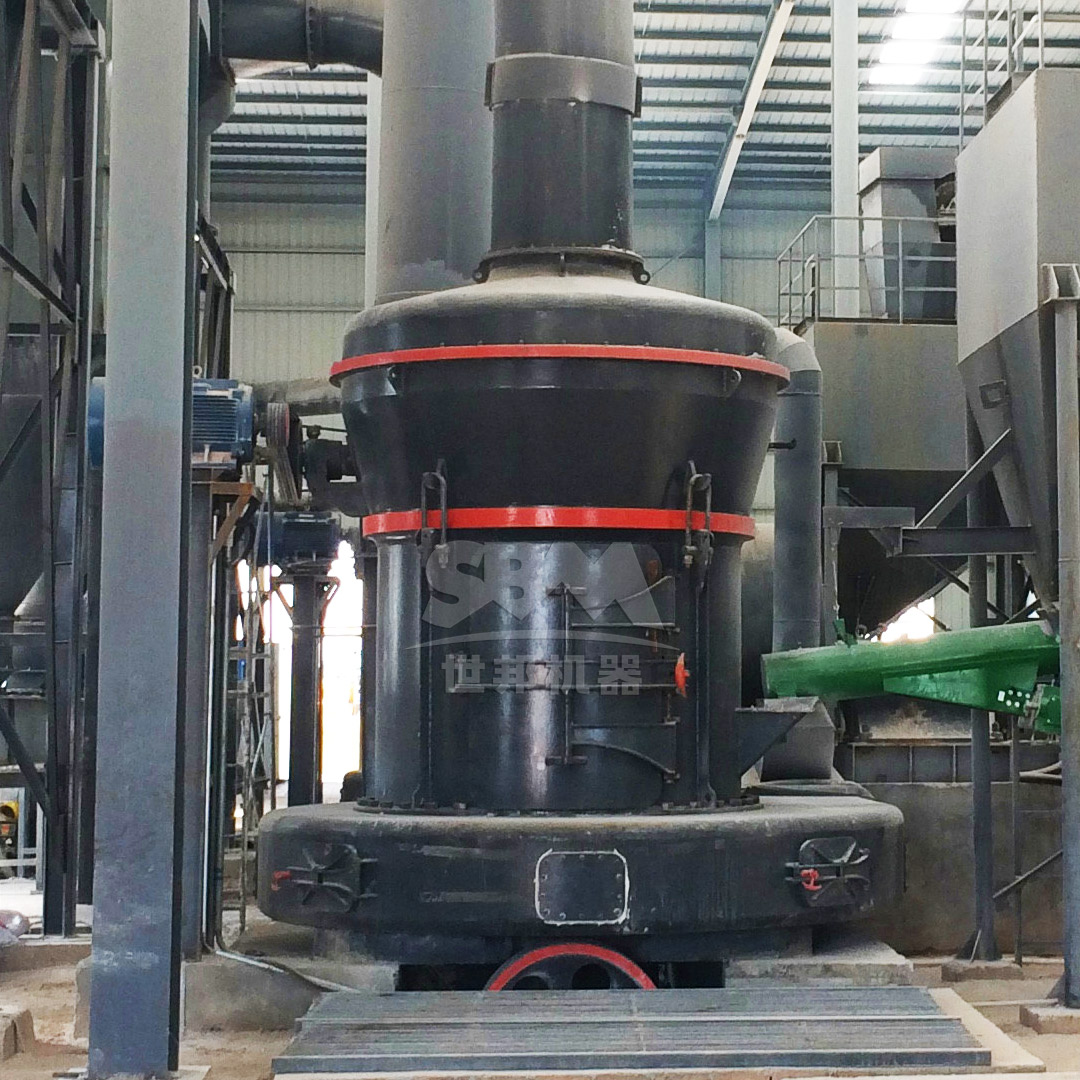
Applications such as construction aggregates, cementitious materials, and ceramic body formulations often require powders in the 30 to 325 mesh range. For this processing stage, high-capacity, robust milling systems are essential. The MTW Series European Trapezium Mill is an exemplary solution engineered for such demands. With an input size of up to 50mm and a capacity ranging from 3 to 45 tons per hour, it efficiently handles bulk tailings processing. Its patented advantages, including anti-wear shovel design, an optimized arc air duct for reduced energy loss, and an integral bevel gear drive with 98% transmission efficiency, make it ideal for the first stage of value-added processing. The wear-resistant volute structure and efficient classifier ensure a consistent product size from 10 to 325 mesh, perfectly suited for producing fillers for concrete, bricks, or road base materials.
3.2 For High-Value Ultra-Fine Applications (325-2500 mesh / 45-5μm)
To access premium markets, graphite tailings can be processed into ultra-fine powders. These are in high demand as functional fillers in polymers, coatings, sealants, and advanced composite materials, where they can enhance properties like conductivity, lubricity, and strength. Achieving this level of fineness (from 325 to 2500 mesh) requires specialized ultra-fine grinding technology that balances precision, energy efficiency, and product uniformity.
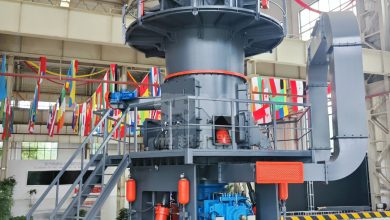
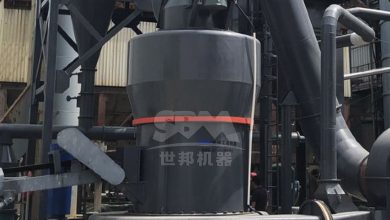
For this critical application, we highly recommend our flagship SCM Series Ultrafine Mill. This mill is specifically designed to produce fine and ultra-fine powders with exceptional efficiency. Its core strengths directly address the needs of tailings valorization:
- High Efficiency & Energy Saving: It offers double the capacity of traditional jet mills while consuming 30% less energy, significantly improving the economics of ultra-fine tailings processing.
- High-Precision Classification: The integrated vertical turbine classifier provides precise particle size cuts, ensuring the final product has no coarse powder mixing and boasts excellent uniformity—a critical factor for performance in advanced materials.
- Durable & Eco-friendly: Constructed with special material rollers and rings for extended service life, it also features a pulse dust collection system with efficiency exceeding international standards and a soundproof design, making the entire process clean and compliant.
With models like the SCM1000 (1.0-8.5 t/h, 132kW) capable of processing tailings feed up to 20mm into 2500 mesh powder, the SCM Series provides a scalable, reliable solution to transform graphite tailings into a high-value commodity.
4. Sustainable Application Areas for Processed Tailings
Processed graphite tailings sand can be directed into numerous sustainable markets:
- Construction Materials: As a fine aggregate or pozzolanic additive in concrete, bricks, and autoclaved aerated concrete (AAC) blocks.
- Industrial Fillers: Ultra-fine processed tailings can serve as cost-effective fillers in plastics, paints, and rubber, partially replacing more expensive materials.
- Soil Amendment & Remediation: Certain mineral components can be beneficial for soil structure. Processed tailings can be used in land reclamation projects at the mine site itself.
- Ceramics and Glass: The silica content can be a raw material for ceramic glazes, tiles, and glass production.
- Advanced Material Precursors: Further chemical processing can extract silica for silicon-based materials or explore the residual graphite for battery anode material.
5. Economic and Environmental Benefits of a Utilization Strategy
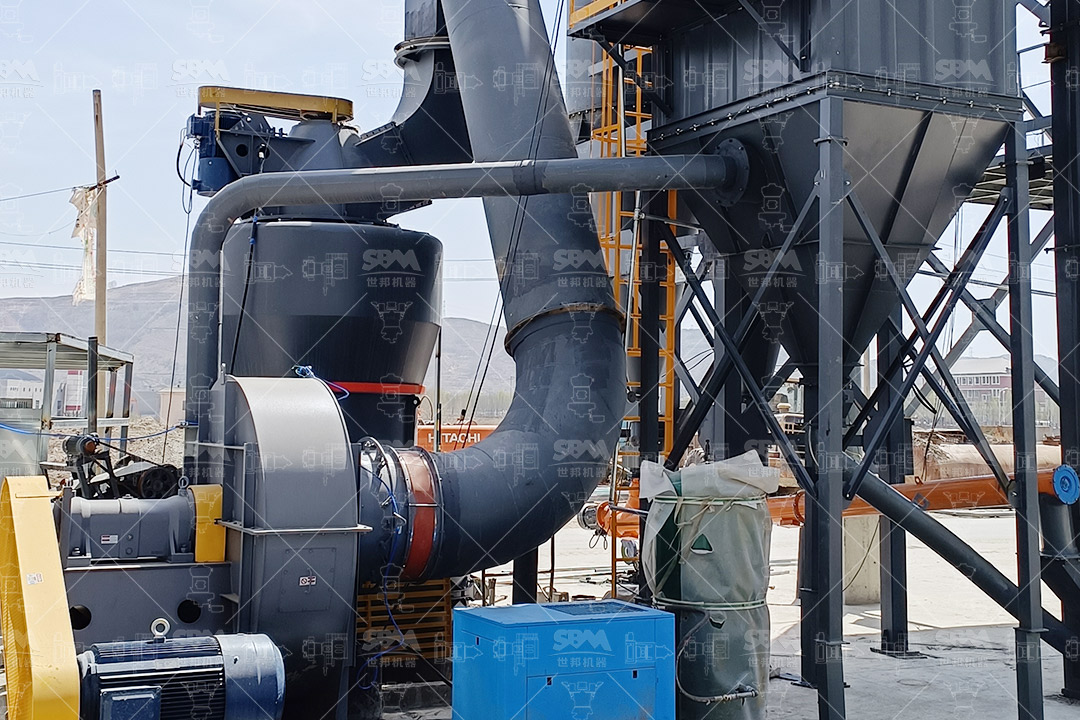
Adopting a comprehensive utilization strategy delivers a compelling dual benefit. Economically, it creates new revenue streams from waste, reduces long-term liability and disposal costs, and can improve the overall resource efficiency of the mining operation. Environmentally, it drastically minimizes the footprint of tailings dams, conserves natural resources by displacing virgin material extraction (e.g., river sand or mined fillers), and reduces the risk of water and soil contamination. The use of energy-efficient grinding technology, such as the SCM or MTW series, further minimizes the carbon footprint of the valorization process itself.
6. Conclusion: Towards a Zero-Waste Graphite Industry
The journey from viewing graphite tailings as waste to recognizing them as a resource is both a necessity and an opportunity. The key lies in implementing the right technological pathway, starting with effective pre-treatment and culminating in precision grinding and classification. By leveraging advanced milling solutions like the MTW Series European Trapezium Mill for coarse-to-medium processing and the SCM Series Ultrafine Mill for high-value ultra-fine powder production, operators can unlock the full potential of their tailings. This approach not only fosters sustainable development within the graphite sector but also contributes significantly to the broader principles of the circular economy, turning an environmental challenge into a pillar of future-proof, responsible industry practice.