Comprehensive Utilization Methods for Marble Tailings and Waste Slag
1. Introduction: The Challenge and Opportunity of Marble Waste
The global marble industry generates vast quantities of tailings and waste slag during quarrying, cutting, and polishing processes. Traditionally viewed as an environmental liability, these materials occupy significant landfill space, contribute to dust pollution, and represent a substantial loss of valuable mineral resources. However, with advancements in processing technology and a growing emphasis on the circular economy, marble waste is being re-evaluated as a potential secondary raw material. This article explores comprehensive utilization methods for marble tailings and waste slag, highlighting innovative applications and the critical role of modern grinding and milling equipment in unlocking their value.
2. Characterization of Marble Tailings and Slag
Marble waste primarily consists of calcium carbonate (CaCO3) in a high-purity crystalline form (calcite), along with varying minor amounts of silica, alumina, and metal oxides depending on the geological origin. The material is chemically inert, non-toxic, and possesses favorable properties such as whiteness, brightness, and a relatively soft Mohs hardness. The key to its utilization lies in processing it into specific particle size distributions (PSD) suitable for different industrial applications. This is where precision grinding technology becomes paramount.
3. High-Value Utilization Pathways
3.1. Construction and Building Materials
This represents the largest volume application for marble waste.
- Artificial Aggregates and Sand: Coarse marble chips (0-10mm) can be used as a substitute for natural sand and gravel in concrete, offering improved workability and aesthetics. For high-performance applications, a more controlled particle shape and size are required.
- Precast Concrete Products: Finely ground marble powder acts as a filler and micro-filler in tiles, paving blocks, and architectural elements, enhancing density, surface finish, and reducing cement consumption.
- Dry-Mix Mortars and Plasters: Powder with a fineness of 100-325 mesh is an excellent mineral filler, improving consistency, water retention, and final surface hardness.
3.2. Industrial Fillers and Functional Additives
Processed to ultrafine levels, marble powder becomes a high-value commodity.
- Paper and Plastics: As a coating pigment and filler, it improves opacity, brightness, and printability in paper. In plastics (PVC, PP, PE), it enhances mechanical properties, dimensional stability, and reduces cost.
- Paints and Coatings: Ultrafine calcium carbonate (d97 < 10µm) is a key extender pigment, contributing to dry film properties, sheen control, and TiO2 extension.
- Adhesives and Sealants: Fine powders improve rheology, sag resistance, and mechanical strength.
3.3. Environmental and Agricultural Applications
- Soil Amendment: Powdered marble can neutralize acidic soils, providing a slow-release source of calcium.
- Flue Gas Desulfurization: Fine powder can be used as a sorbent in certain dry scrubbing processes.
- Wastewater Treatment: As a neutralizing agent for acidic effluents.
4. The Core of Utilization: Advanced Grinding Technology
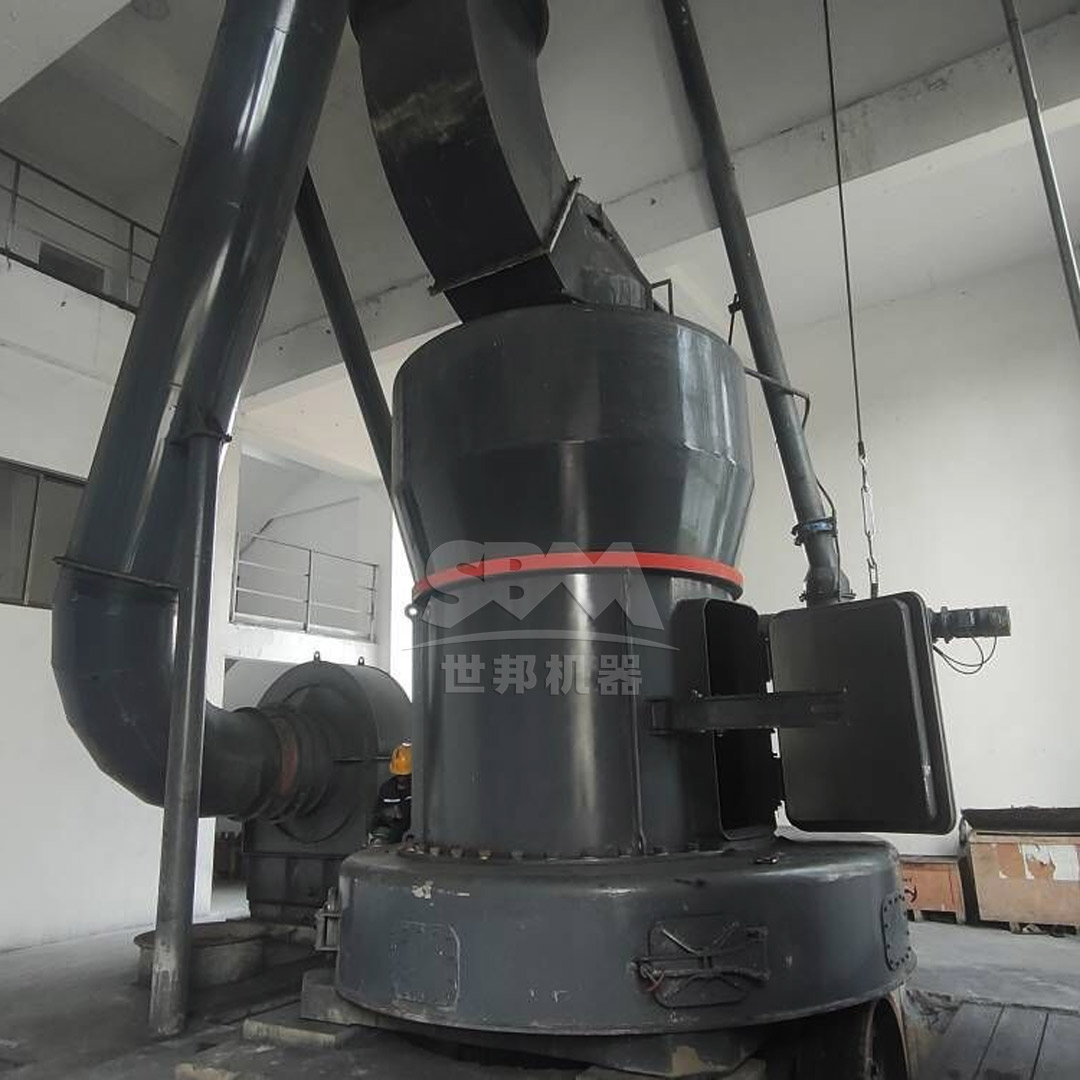
The economic viability of all the above applications hinges on the ability to process marble waste into precise, consistent, and cost-effective powders. Different fineness requirements demand specific grinding solutions. For medium to coarse grinding (30-325 mesh, or 600-45μm) required for construction aggregates, mortars, and some filler applications, robust and high-capacity mills are essential.
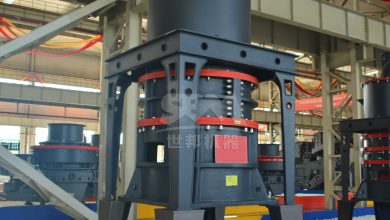
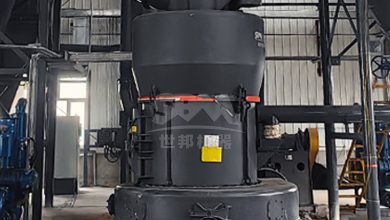
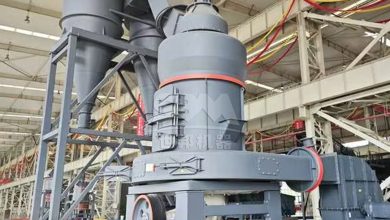
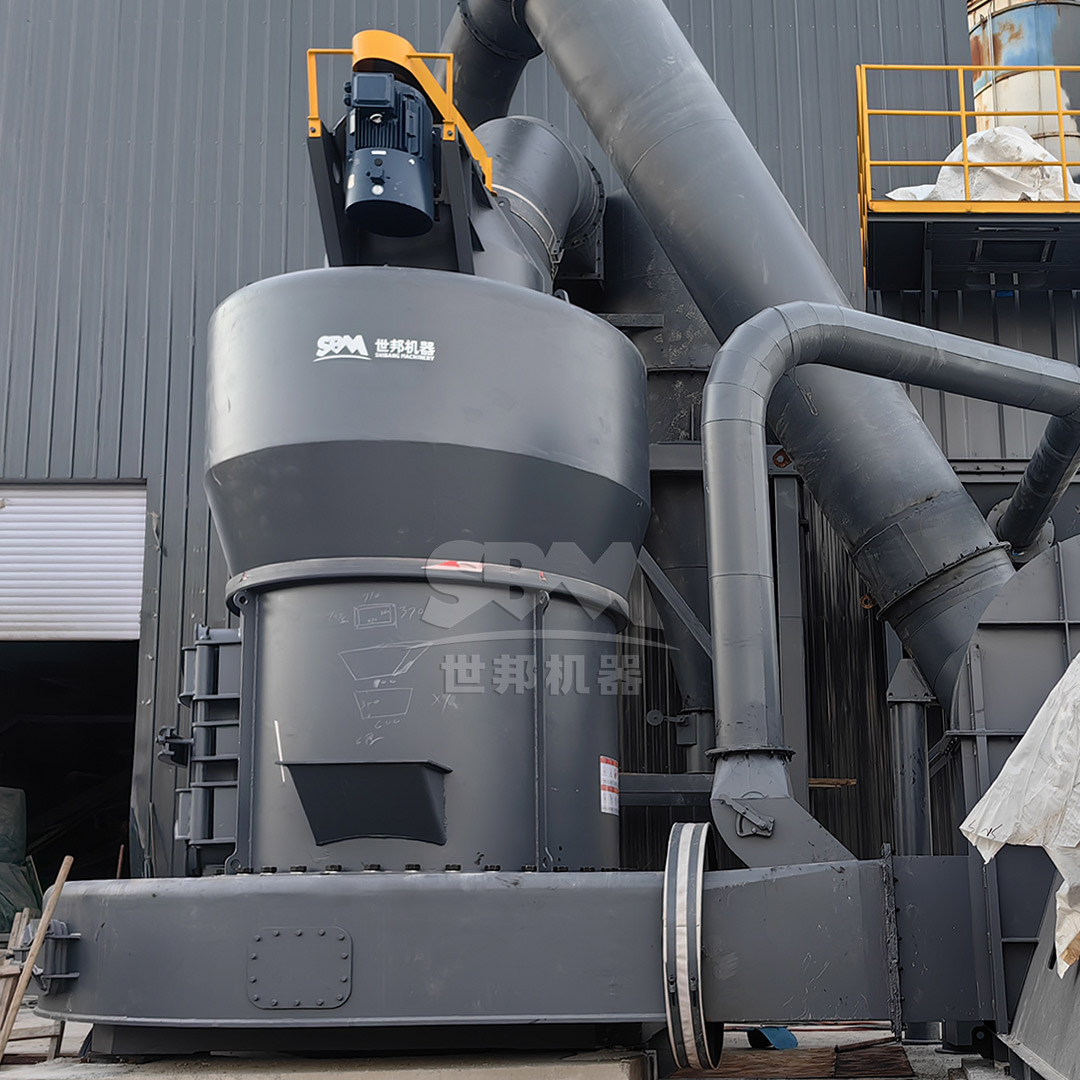
For these purposes, the MTW Series European Trapezium Mill is an exemplary solution. Engineered for processing non-metallic minerals like calcite, its core advantages directly address the needs of marble waste recycling:
- High Capacity & Efficiency: With a capacity range of 3-45 tons per hour, it can handle large volumes of tailings, making industrial-scale projects feasible. Its integral bevel gear drive achieves 98% transmission efficiency, significantly saving energy.
- Precise Classification: The optimized internal classifier ensures tight control over product fineness (30-325 mesh), which is critical for meeting filler specifications.
- Durability for Abrasive Materials: The anti-wear shovel design and wear-resistant volute structure are specifically built to handle the abrasive nature of mineral powders, reducing maintenance costs and downtime—a key consideration for waste processing operations.
- Eco-Friendly Operation: The system is designed with efficient pulse dust collection, ensuring a clean production environment.
For applications demanding ultra-fine powders (325-2500 mesh, or 45-5μm) for high-end plastics, paints, and coatings, a different level of technology is required.
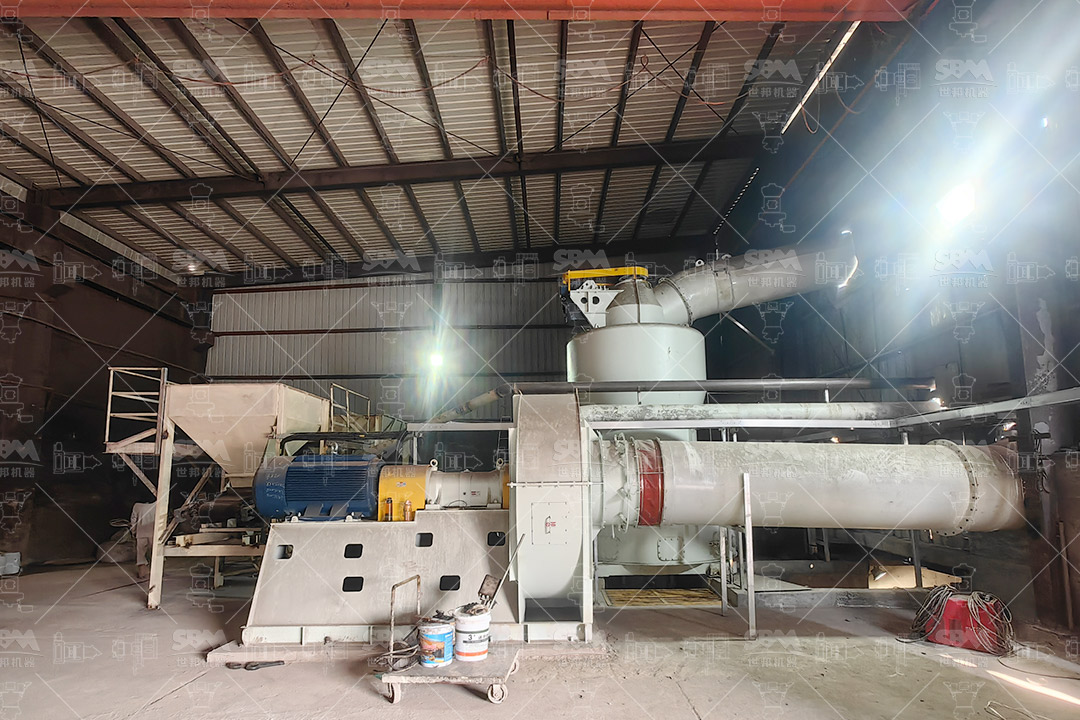
This is where the SCM Series Ultrafine Mill excels. It is specifically designed to produce micron and sub-micron sized powders from materials like marble:
- Ultra-Fine Grinding Capability: It can consistently produce powder in the range of 325 to 2500 mesh, unlocking the highest value-added markets for marble waste.
- High-Precision Turbine Classifier: This ensures a narrow particle size distribution with no coarse powder mixing, which is a mandatory requirement for premium filler applications.
- Energy-Efficient Design: Its grinding principle offers capacity twice that of jet mills while consuming 30% less energy, making ultra-fine grinding economically sustainable.
- Intelligent Control: Automated systems provide stable operation and consistent product quality with minimal manual intervention.
5. Integrated Processing Plant Concept
A successful marble waste utilization plant involves more than just a grinder. A typical flow includes:
- Primary Crushing & Screening: Jaw crushers or hammer mills reduce large slabs to a feed size suitable for the grinding mill (e.g., ≤50mm for MTW Mill, ≤20mm for SCM Mill).
- Magnetic Separation: Removal of ferrous contaminants from cutting tools.
- Drying (if necessary): To achieve optimal moisture content for dry grinding.
- Core Grinding & Classification: Using mills like the MTW or SCM series to achieve the target fineness.
- Surface Modification (for high-end fillers): Coating the powder with stearic acid or other agents to improve compatibility with polymers.
- Packaging & Storage.
The selection between the MTW Series for medium-fine products and the SCM Series for ultra-fine products allows operators to tailor their plant output to specific market demands, maximizing return on investment.
6. Economic and Environmental Benefits
Implementing a comprehensive utilization strategy yields significant advantages:
- Waste Elimination: Diverts material from landfills, saving disposal costs and space.
- New Revenue Streams: Transforms a cost center into a profit center through the sale of aggregates, fillers, and powders.
- Resource Conservation: Reduces the need for virgin quarrying of limestone and other fillers.
- Reduced Carbon Footprint: Lower energy consumption compared to processing virgin materials and avoided emissions from waste transport and decomposition.
- Community and Regulatory Benefits: Improves local environmental conditions and helps companies meet sustainability goals and regulations.
7. Conclusion
Marble tailings and waste slag are no longer mere by-products but potential sources of significant economic and environmental value. The pathway to this value is through advanced processing, particularly precision grinding and classification. By employing robust and efficient milling technologies like the MTW Series European Trapezium Mill for construction-grade materials and the SCM Series Ultrafine Mill for high-performance industrial fillers, the marble industry can effectively close the material loop. This approach not only addresses a persistent waste challenge but also fosters a more sustainable and profitable industrial model, contributing to the broader principles of the circular economy.