Classification and Application Fields of Bentonite: A Comprehensive Guide
1. Introduction to Bentonite
Bentonite, a naturally occurring clay primarily composed of montmorillonite, is a versatile industrial mineral with unique properties such as high swelling capacity, cation exchange capability, and thixotropy. Its formation results from the alteration of volcanic ash in ancient marine environments. The specific properties and applications of bentonite are heavily influenced by its dominant exchangeable cation, leading to its primary classification into sodium (swelling) and calcium (non-swelling) types. This guide provides a comprehensive overview of bentonite classification, its diverse application fields, and the critical role of modern processing technology in unlocking its full potential.
2. Classification of Bentonite
Bentonite is classified based on its dominant exchangeable cation, which dictates its fundamental behavior and suitability for different applications.
2.1 Sodium Bentonite (Swelling Type)
Sodium bentonite, often referred to as Western or Wyoming bentonite, has sodium (Na+) as its predominant exchangeable cation. This type exhibits exceptional swelling capacity, often expanding up to 15-20 times its original volume when hydrated. It forms stable, viscous, and thixotropic gels with water, making it invaluable for applications requiring sealing, binding, and suspension. Its high cation exchange capacity (CEC) also contributes to its effectiveness.
2.2 Calcium Bentonite (Non-Swelling Type)
Calcium bentonite, with calcium (Ca2+) as the main exchangeable cation, has a much lower swelling capacity compared to its sodium counterpart. It is more common and is sometimes called Southern bentonite. While it does not form high-viscosity gels, it possesses excellent adsorption properties. It is often activated (converted to sodium form) or used directly where high swelling is not required.
2.3 Other Classifications
- Potassium Bentonite: Less common, with properties intermediate between sodium and calcium types.
- Activated Bentonite: Calcium bentonite treated with sodium carbonate (soda ash) to convert it into a sodium-type material with enhanced properties.
- Organoclay: Bentonite whose inorganic cations have been replaced by organic cations (e.g., quaternary ammonium salts), making it organophilic and dispersible in organic systems. This is crucial for applications like oil-based drilling fluids and polymer nanocomposites.
3. Key Application Fields of Bentonite
The unique properties of different bentonite types drive their use across a vast array of industries.
3.1 Foundry (Metal Casting)
Sodium bentonite is the primary binder in green sand molds for ferrous and non-ferrous metal casting. Its binding strength, thermal stability, and ability to produce a smooth mold surface are critical. The quality of the casting is directly linked to the fineness and consistency of the bentonite powder, which ensures uniform coating on sand grains.
3.2 Drilling Fluids
This is one of the largest markets for bentonite. High-quality sodium bentonite is used in water-based drilling muds to perform several vital functions: suspend cuttings, cool and lubricate the drill bit, seal the borehole wall to prevent fluid loss, and control subsurface pressures. The rheological properties (viscosity, gel strength) are paramount and depend on the particle size distribution and purity of the bentonite.
3.3 Civil Engineering and Environmental Protection
- Geosynthetic Clay Liners (GCLs): Needlespun sodium bentonite between geotextiles is used to line landfills, ponds, and canals, providing a highly effective hydraulic barrier.
- Slurry Walls: Bentonite slurry supports trench excavation and forms an impermeable barrier for groundwater control and containment.
- Soil Sealants: Used for sealing irrigation canals and farm ponds.
3.4 Pelletizing (Iron Ore & Animal Feed)
Bentonite acts as an efficient binding agent in the production of iron ore pellets (taconite pellets), which are fed into blast furnaces. It also serves as a binder and anti-caking agent in animal feed pellets, improving pellet durability and flow characteristics.
3.5 Absorbents and Desiccants
Calcium bentonite is widely used in cat litter due to its high absorbency and clumping properties. Both types are used in industrial absorbents for oil, grease, and chemical spills. Activated bentonites are employed as bleaching earths to decolorize and purify edible oils, fats, and waxes.
3.6 Pharmaceuticals, Cosmetics, and Personal Care
Purified bentonite is used as a suspending agent, viscosity enhancer, and stabilizer in lotions, creams, and liquid pharmaceuticals. Its detoxifying and absorbing properties make it a key ingredient in facial masks, mud packs, and some medicinal formulations.
4. The Critical Role of Processing: From Raw Clay to Performance Material
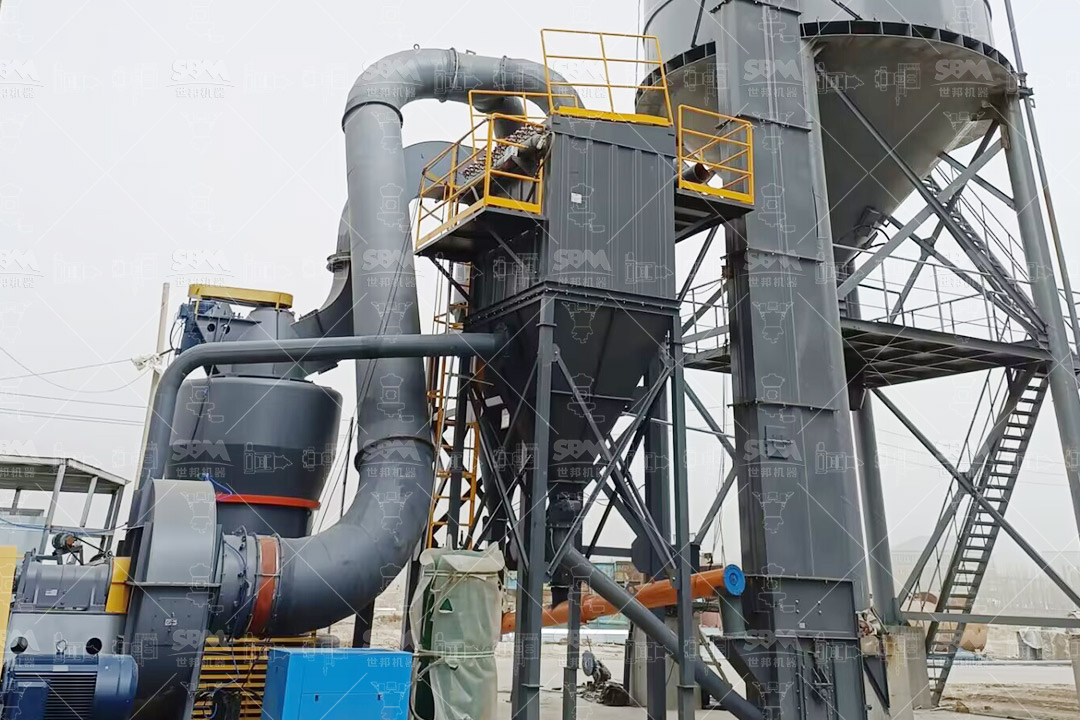
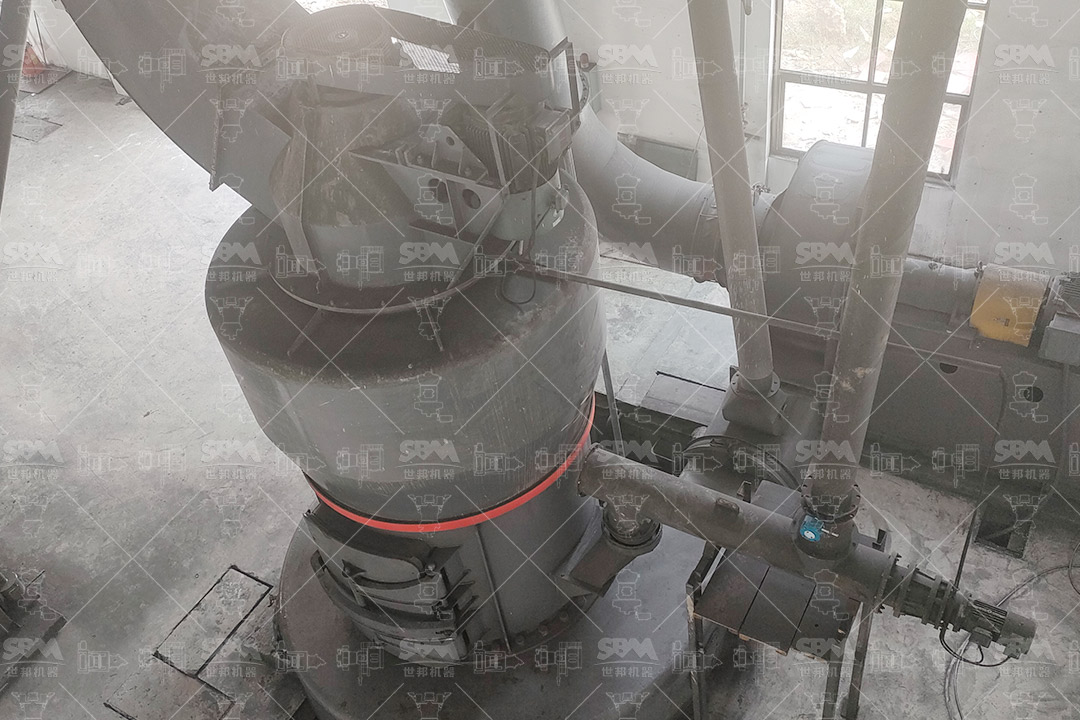
Raw mined bentonite rarely meets the stringent specifications of modern industries. Processing is essential to enhance its properties, ensure consistency, and activate its full potential. The core of this processing is drying, milling, and classification to achieve the desired fineness, moisture content, and particle size distribution (PSD).
For high-end applications like premium drilling mud, foundry sand, and organoclay production, achieving a ultra-fine and consistent particle size (often down to 5-45 microns or even finer) is non-negotiable. This directly impacts swelling rate, viscosity development, binding strength, and reactivity. Inefficient or inconsistent grinding leads to poor product performance, wasted raw material, and higher operational costs.
5. Advanced Milling Solutions for Bentonite Processing
Selecting the right milling equipment is paramount for a profitable and high-quality bentonite operation. The ideal mill must handle moist, sticky feed material, deliver a tightly controlled PSD, operate with high energy efficiency, and ensure minimal contamination.
5.1 For High-Capacity, Coarse to Medium-Fine Grinding (30-325 mesh / 600-45μm)
For primary and secondary grinding stages where the target is to produce bentonite for pelletizing, basic absorbents, or as feed for finer mills, robust and high-capacity systems are required.
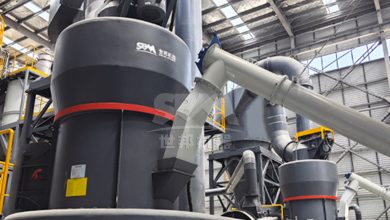
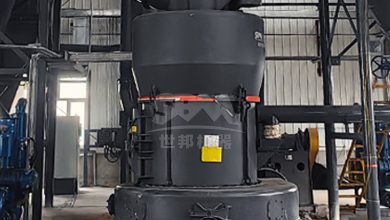
Our recommended solution is the MTW Series European Trapezium Mill. This mill is engineered for heavy-duty performance and exceptional reliability. Its integral bevel gear drive achieves a remarkable 98% transmission efficiency, translating directly to lower energy costs. The wear-resistant volute structure and optimized arc air duct minimize pressure loss and maintenance downtime. With a capacity range of 3-45 tons per hour and the ability to handle feed sizes up to 50mm, the MTW series is an ideal workhorse for large-scale bentonite processing plants aiming for consistent output in the 30-325 mesh range.
5.2 For Premium, Ultra-Fine Grinding (325-2500 mesh / 45-5μm)
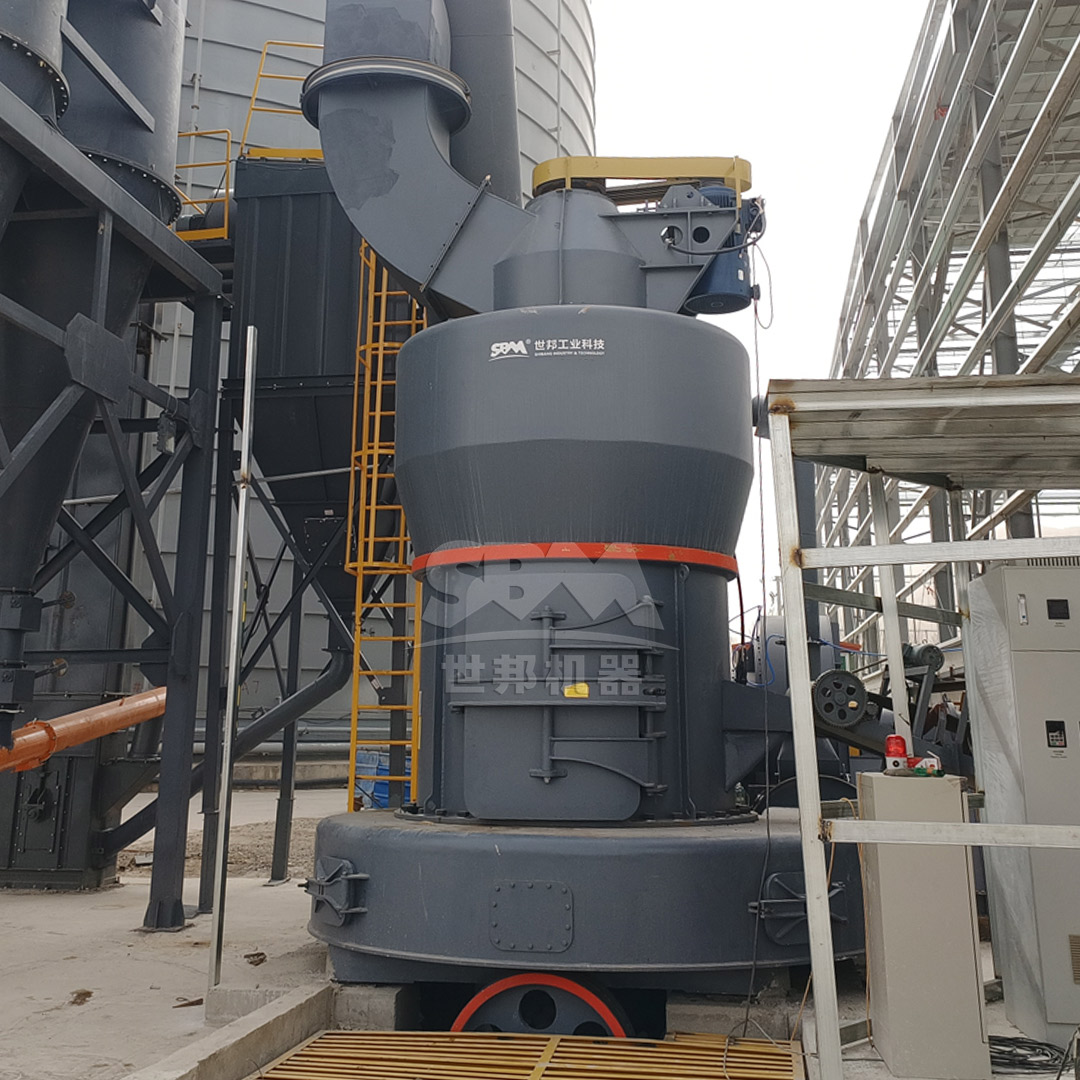
To produce high-value bentonite for drilling fluids, high-performance foundry bonds, pharmaceuticals, and organoclays, ultra-fine and uniform grinding is essential. This demands precision engineering and advanced classification technology.
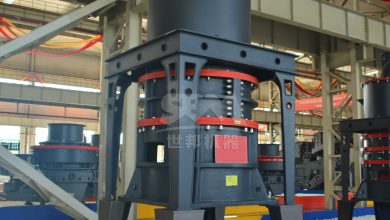
For this critical application, we highly recommend our flagship SCM Series Ultrafine Mill. This mill is specifically designed to achieve the stringent fineness requirements of premium bentonite products. Its high-precision vertical turbine classifier ensures sharp particle size cuts, eliminating coarse powder contamination and guaranteeing a uniform product. The mill operates with high efficiency, offering capacity twice that of traditional jet mills while consuming 30% less energy. Furthermore, its durable design featuring special material rollers and rings, coupled with an eco-friendly pulse dust collection system exceeding international standards, makes the SCM series the optimal choice for producers targeting the top tier of the bentonite market, where product consistency and performance are paramount.
6. Conclusion
Bentonite remains an indispensable industrial mineral whose value is unlocked through understanding its classification and matching its properties to the correct application. From foundries to environmental protection, its utility is vast. However, the bridge between raw clay and a high-performance industrial material is advanced processing technology. Investing in the right milling equipment—such as the high-capacity MTW Series for general grinding or the precision-focused SCM Ultrafine Mill for premium products—is not an operational cost but a strategic decision that defines product quality, market competitiveness, and long-term profitability in the dynamic bentonite industry.