Chongqing Shale Grinding Mill Equipment On-site Processing Video: A Deep Dive into Technology and Solutions
Introduction: The Challenge of Shale Processing
The processing of shale, a fine-grained sedimentary rock, presents unique challenges in the mining and construction materials industries. Its variable hardness, layered structure, and specific fineness requirements for applications such as brick manufacturing, cement additives, or lightweight aggregate production demand robust and precise grinding solutions. On-site processing videos from operations in Chongqing and similar regions provide invaluable insights into the real-world performance of grinding equipment, highlighting the critical interplay between machine capability and material characteristics. This article explores the technological demands of shale processing and examines how advanced milling equipment meets these challenges head-on.
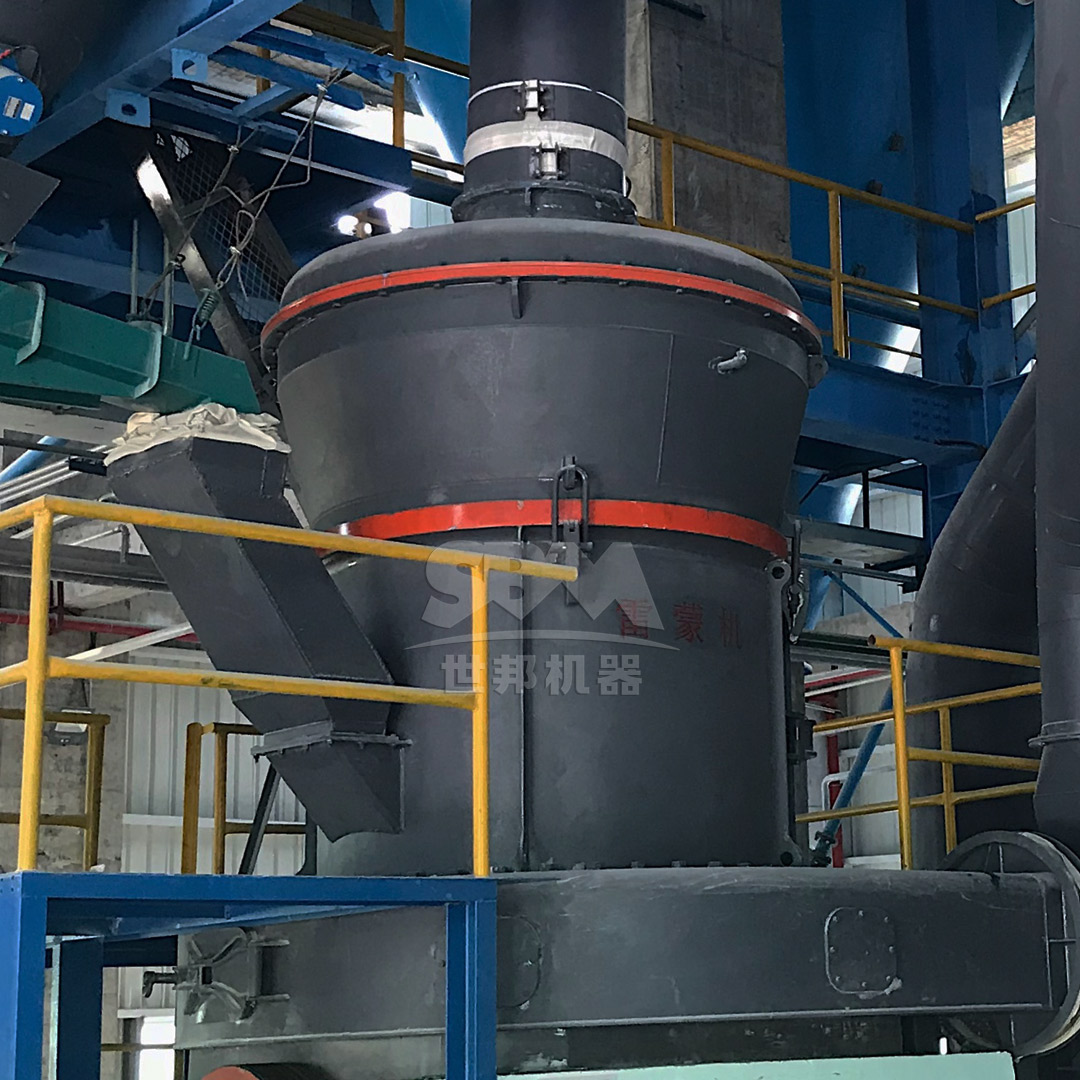
Key Technical Requirements for Shale Grinding
Successful shale processing hinges on several core technical parameters. First, the feed size, often ranging from large blocks up to 50mm, requires initial crushing before fine grinding. Second, the target product fineness is crucial; for many applications, a range between 30 mesh (600μm) and 325 mesh (45μm) is standard, while some advanced uses may demand ultrafine powders reaching 2500 mesh (5μm). Third, capacity requirements can vary dramatically from small-scale operations of a few tons per hour to large industrial plants needing over 25 tons per hour. Finally, operational factors such as energy consumption, wear part longevity, and environmental compliance (dust and noise control) are decisive for profitability and sustainability.
Decoding the On-site Processing Video: From Raw Material to Finished Powder
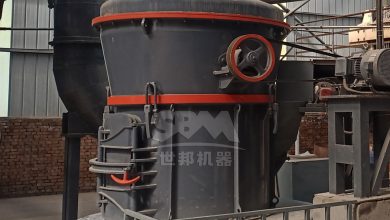
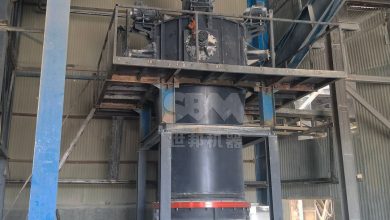
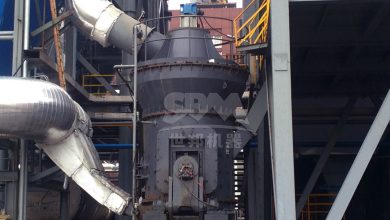
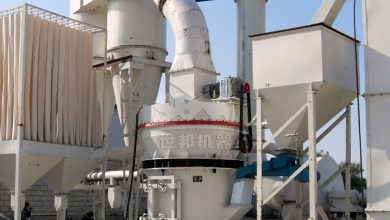
A typical on-site processing video for shale reveals a systematic workflow. The journey begins with raw shale being fed into a primary crusher, such as a Hammer Mill, to reduce it to a manageable size (e.g., ≤20mm or ≤50mm). The pre-crushed material is then conveyed to the core grinding unit. Here, the choice of mill defines the process efficiency. The video often showcases the mill’s internal operation—material being fed onto a grinding table or into a chamber, subjected to immense pressure and shear forces between rollers and grinding rings, and then classified by an integrated air separator. The final stage shows the efficient collection of fine powder via cyclone and pulse dust collection systems, demonstrating a clean, closed-loop operation with minimal dust emission.
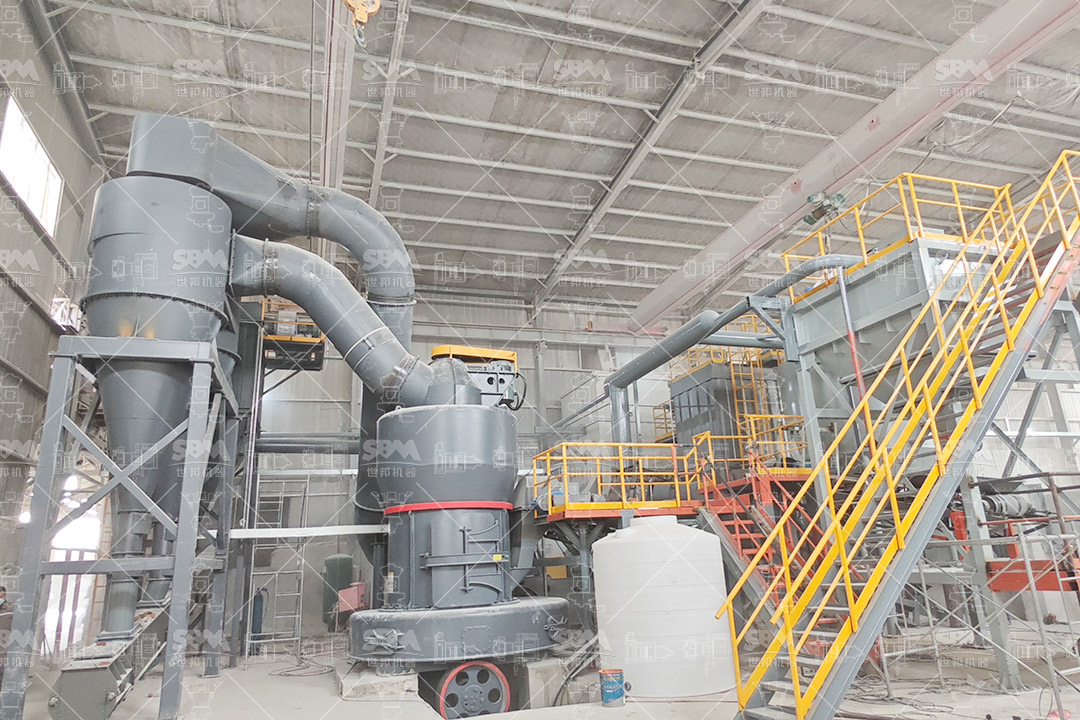
Spotlight on Ideal Solutions for Shale Processing
Given shale’s abrasive nature and specific fineness spectrum, not all mills are created equal. Two standout technologies from our portfolio are exceptionally well-suited for this application, each catering to different points in the fineness-capacity matrix.
1. MTW Series European Trapezium Mill: The High-Capacity Workhorse
For processing shale into coarse to medium-fine powders (30-325 mesh) at high capacities (3-45 TPH), the MTW Series European Trapezium Mill is an industry benchmark. Its design directly addresses the challenges seen in on-site videos. The anti-wear shovel design and wear-resistant volute structure are critical for handling abrasive shale, significantly reducing maintenance costs. The integral bevel gear drive achieves a remarkable 98% transmission efficiency, translating the high power of models like the MTW215G (280kW main motor) directly into grinding force and throughput, while saving energy. The optimized arc air duct ensures stable airflow for consistent classification and product uniformity. This mill is ideal for large-scale production of shale powder for construction materials.
2. SCM Series Ultrafine Mill: Precision for High-Value Applications
When the application demands ultra-fine shale powder (325-2500 mesh), the SCM Series Ultrafine Mill is the definitive solution. Its engineering excellence solves the dual problem of achieving extreme fineness while maintaining operational economy. The high-precision vertical turbine classifier ensures precise particle size cuts, guaranteeing a uniform product without coarse powder mixing—a key quality visible in high-grade processing outputs. Furthermore, its high-efficiency design delivers capacity 2x that of jet mills with 30% lower energy consumption, a vital factor for cost-sensitive operations. For abrasive shale, the special material rollers and rings extend service life multiple times over. Models like the SCM1250 (2.5-14 TPH, 185kW) perfectly balance the need for fine grinding with substantial production rates, making it suitable for producing high-value shale-based additives.
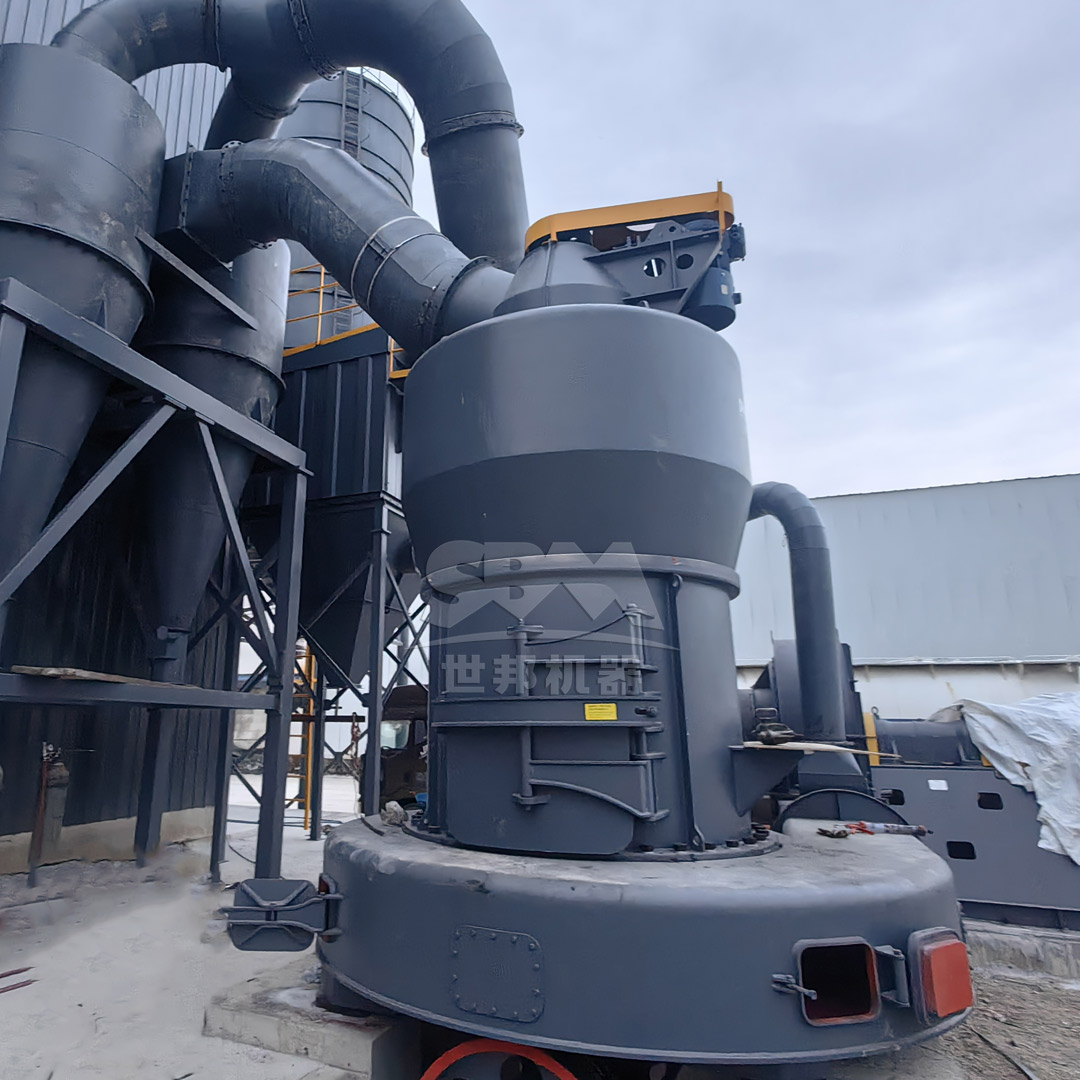
Beyond the Machine: System Integration and Smart Control
Modern on-site processing is about more than just a mill; it’s an integrated system. Both the MTW and SCM series exemplify this through features like intelligent control systems. These systems allow for automatic finished product granularity feedback and real-time parameter monitoring, reducing manual intervention and ensuring consistent quality even with variations in raw shale. The eco-friendly designs, with pulse dust collection efficiency exceeding international standards and soundproof room options, ensure that operations meet stringent environmental regulations, a non-negotiable aspect of modern mining and processing in regions like Chongqing.
Conclusion: Partnering with Technology for Optimal Shale Processing
Analyzing on-site processing videos from Chongqing’s shale industry underscores a clear message: success is built on selecting the right technology. The choice between a high-capacity trapezium mill like the MTW series and a precision ultrafine mill like the SCM series depends on the specific product goals and scale of operation. By focusing on durable design, energy efficiency, precise classification, and environmental stewardship, these advanced grinding solutions transform challenging raw shale into a valuable, consistent product. For any operation looking to optimize its shale processing line, these technologies offer proven, reliable pathways to enhanced productivity and profitability.