Applications of Mullite Grinding Mill in Various Industries
Introduction
Mullite, a highly valued aluminosilicate ceramic material, is renowned for its exceptional thermal stability, high-temperature strength, low thermal expansion, and excellent creep resistance. These properties make it indispensable across a wide spectrum of modern industries. However, unlocking the full potential of mullite in advanced applications hinges on achieving precise particle size distribution and ultra-fine fineness. This is where advanced grinding technology becomes paramount. Specialized mullite grinding mills are engineered to transform raw or calcined mullite into powders with controlled morphology and size, directly impacting the performance of the final product. This article explores the critical applications of finely ground mullite and highlights the technological solutions that enable its production.
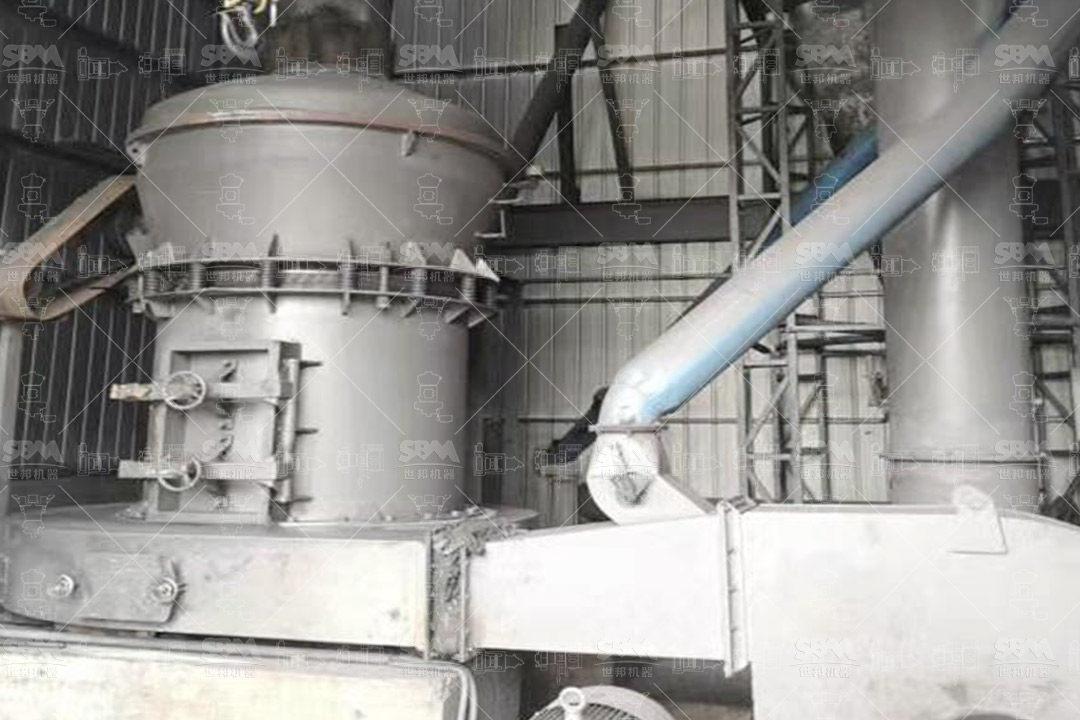
Key Industrial Applications of Ground Mullite
1. Refractory Industry
This is the most traditional and volume-intensive application. Mullite’s ability to withstand extreme temperatures (up to 1850°C) and thermal shock makes it a cornerstone of high-performance refractories. Finely ground mullite powder is used as a key ingredient in bricks, castables, and mortars for linings in furnaces, kilns, incinerators, and glass tanks. The fineness and particle size distribution of the powder critically affect the packing density, sintering behavior, and ultimate mechanical strength of the refractory product. Uniform, ultra-fine powders promote better sintering at lower temperatures, resulting in denser, more durable linings with enhanced service life.
2. Advanced Ceramics and Technical Ceramics
Beyond refractories, mullite is a premier material for structural and functional ceramics. Its low dielectric constant and high electrical resistivity make it suitable for electronic substrates and insulators. In this domain, the demand for sub-micron and even nano-sized mullite powder is high. Such powders enable the production of ceramics with superior mechanical properties, finer microstructures, and improved surface finish through processes like slip casting, injection molding, and tape casting. Precise grinding is essential to eliminate agglomerates and achieve the homogeneity required for reliable high-performance components.
3. Investment Casting (Lost-Wax Process)
Mullite is a premium material for ceramic shells and cores in the investment casting of superalloy components for aerospace and turbine blades. The ground mullite powder, typically in a specific size range, is used in slurry formulations. The particle size directly influences the slurry viscosity, coating thickness, and the surface finish of the final metal casting. A consistent, controlled powder ensures a strong, crack-resistant mold with excellent dimensional stability during the high-temperature metal pouring process.
4. Composite Materials
Mullite powders are increasingly used as reinforcing phases in metal matrix composites (MMCs) and ceramic matrix composites (CMCs). When uniformly dispersed within a metal or ceramic matrix, mullite particles can significantly enhance hardness, wear resistance, and high-temperature capabilities. The effectiveness of this reinforcement is heavily dependent on the particle size, shape, and interfacial bonding. Ultra-fine and narrowly classified mullite powders, produced by advanced milling systems, are crucial for achieving a homogeneous distribution and strong matrix-particle interface.
5. Catalyst Supports and Coatings
Due to its chemical inertness and thermal stability, porous mullite structures serve as excellent supports for catalysts in harsh chemical environments. The creation of these porous structures often begins with carefully ground powder precursors. Furthermore, mullite powders are used in thermal barrier coatings (TBCs) and environmental barrier coatings (EBCs) for protecting metallic components in gas turbines. These coating applications require very fine, spherical powders that can be efficiently deposited via plasma spray or other techniques.
Technological Requirements for Mullite Grinding
Grinding mullite presents specific challenges. The material is hard and abrasive, leading to high wear on grinding components. The process must also manage heat generation to prevent altering the material’s phase or properties. Key requirements include:
- High Wear Resistance: Mill components must withstand prolonged abrasion.
- Precise Classification: Ability to produce tightly controlled particle size distributions, from coarse (30-100 mesh) to superfine (2500 mesh and beyond).
- Energy Efficiency: Mullite grinding can be energy-intensive; efficient systems are vital for operational economy.
- Contamination Control: The grinding process must minimize iron or other contamination to maintain mullite’s purity, especially for electronic applications.
- System Integration: A complete system encompassing grinding, classification, and dust collection is necessary for consistent, clean, and efficient operation.
Recommended Grinding Solutions for Mullite Processing
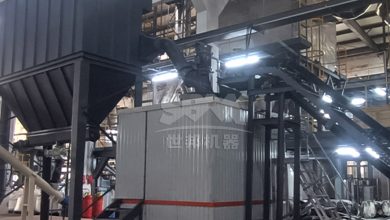
Selecting the right grinding equipment is critical to meeting the diverse fineness and capacity needs across the industries mentioned. Based on the specific demands of mullite processing, we recommend the following solutions from our product portfolio.
For Ultra-Fine and High-Purity Mullite Powder (325-2500 Mesh)
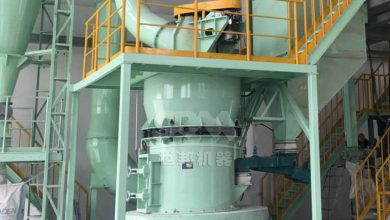
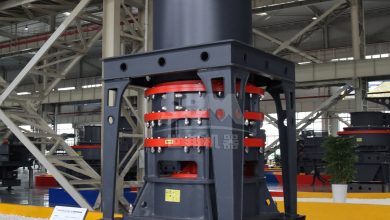
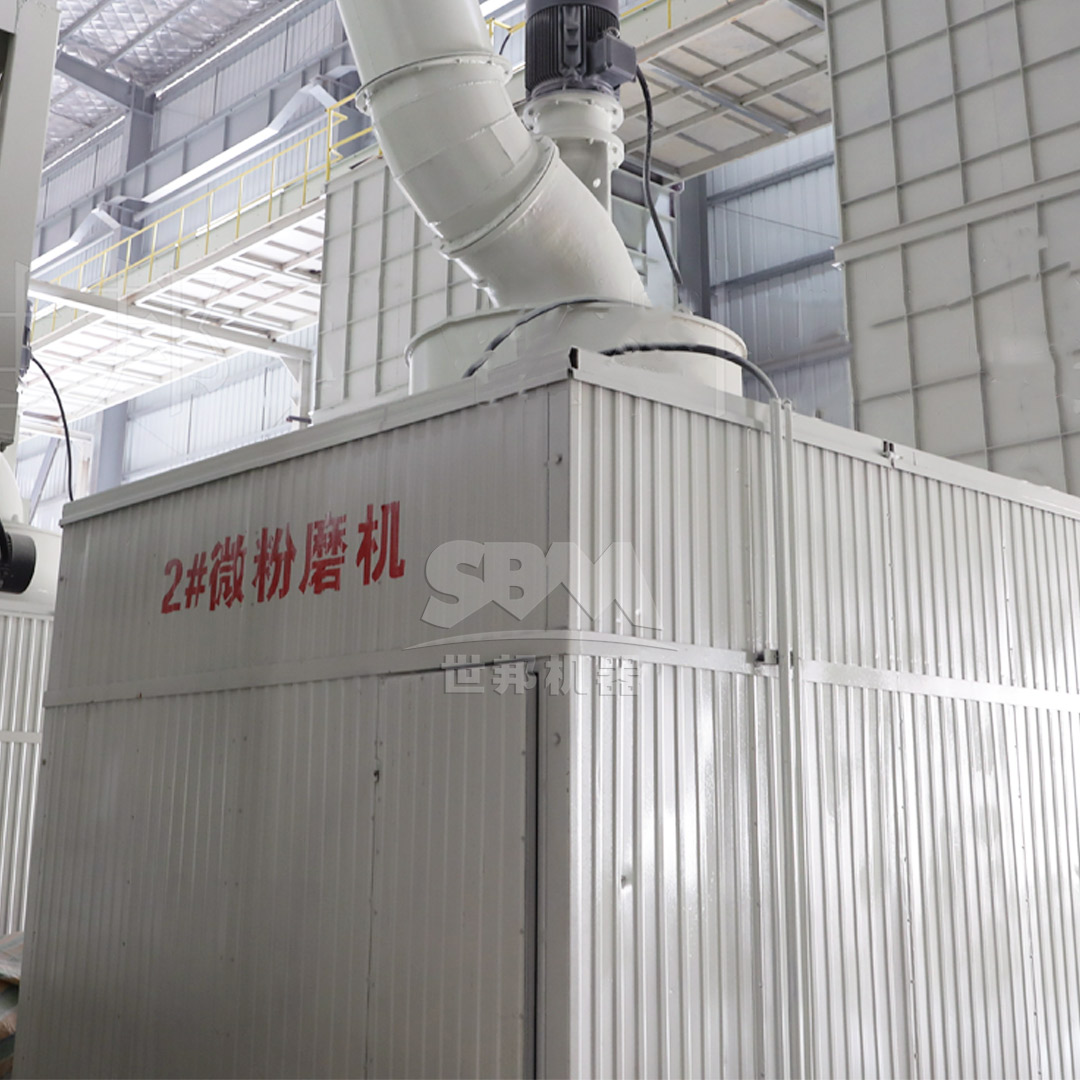
For applications demanding the highest fineness—such as advanced ceramics, composite fillers, and specialty coatings—the SCM Series Ultrafine Mill is the ideal choice. This mill excels in producing powders in the range of 325 to 2500 mesh (5-45μm) with exceptional uniformity.
Its vertical turbine classifier ensures precise particle size cutting, guaranteeing no coarse powder is mixed into the final product. The grinding rollers and rings are made from special wear-resistant materials, significantly extending service life when processing abrasive materials like mullite. Furthermore, its integrated pulse dust collection system operates with high efficiency, ensuring a clean production environment and protecting the purity of the mullite powder. With capacities ranging from 0.5 to 25 tons per hour across different models (e.g., SCM800 to SCM1680), it offers a scalable solution for both pilot-scale and large-scale production of high-value mullite powders.
For High-Capacity and Coarse-to-Medium Fine Grinding (30-325 Mesh)
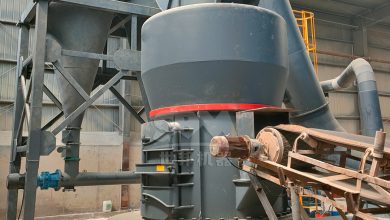
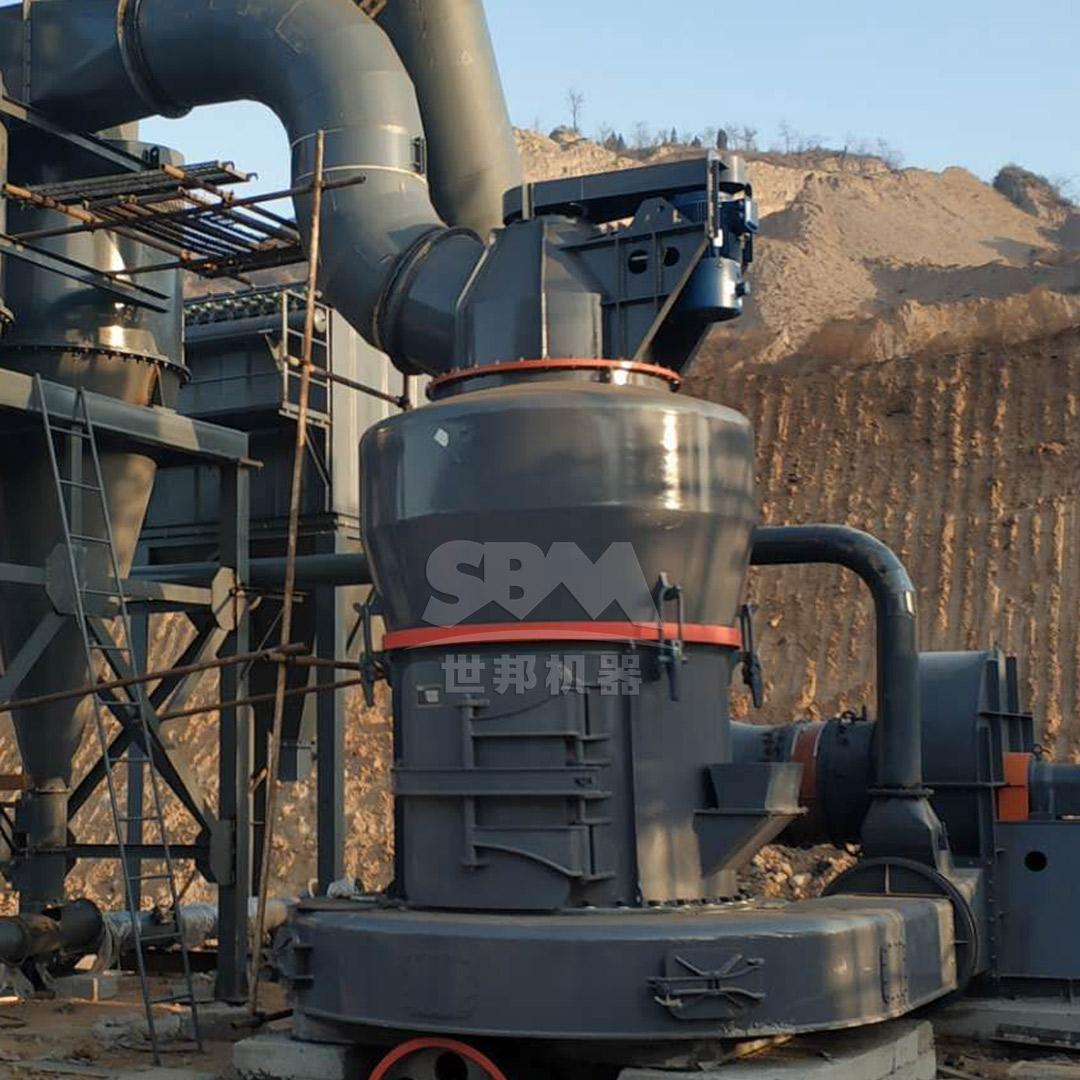
For large-volume production in the refractory and foundry industries, where capacities from 3 to 45 tons per hour and fineness between 30 and 325 mesh are typical, the MTW Series European Trapezium Mill offers an optimal balance of efficiency and durability.
This mill features an anti-wear shovel design and wear-resistant volute structure, which are crucial for reducing maintenance costs when handling hard materials. Its integral bevel gear drive provides a high transmission efficiency of up to 98%, translating to lower energy consumption per ton of product. The optimized arc air duct and efficient classification system allow for stable production of consistent mullite powder for bulk applications. Models like the MTW215G can handle feed sizes up to 50mm and deliver outputs suitable for most refractory formulations, making it a workhorse for cost-effective mullite processing.
Conclusion
The transformation of mullite from a raw mineral into a high-performance industrial material is fundamentally enabled by advanced grinding technology. As applications evolve towards higher specifications in electronics, aerospace, and advanced manufacturing, the need for precisely engineered mullite powders with defined particle characteristics will only grow. Investing in the right grinding technology—one that offers precision, durability, energy efficiency, and system reliability—is not merely an operational decision but a strategic one that directly influences product quality, innovation potential, and competitive edge. The SCM and MTW series mills represent robust, proven technological platforms designed to meet the rigorous demands of mullite processing across its entire application spectrum.