Application of SCM1395 Ring Roller Mill in Heavy Calcium Carbonate Powder Processing Production Line
Introduction
The production of high-quality heavy calcium carbonate (GCC) powder is a cornerstone of modern industries such as plastics, paints, coatings, paper, and adhesives. The efficiency, fineness control, and operational cost of the grinding process are paramount. Among the various milling technologies available, the ring roller mill has emerged as a superior solution for producing fine and ultra-fine GCC powders. This article delves into the specific application and advantages of the SCM1395 Ring Roller Mill within a complete GCC processing production line, highlighting its role in achieving optimal product quality and economic performance.
Challenges in Heavy Calcium Carbonate Processing
Processing natural calcite, limestone, or marble into functional fillers presents several technical challenges. The primary goals include achieving a consistent and targeted particle size distribution (PSD), high whiteness retention, low iron contamination, and controlled top-cut to prevent coarse particles. Furthermore, production economics demand high throughput, low energy consumption per ton, minimal wear part costs, and environmentally compliant operation with effective dust collection. Traditional ball mills or Raymond mills often struggle to balance these requirements, especially for products finer than 325 mesh, where efficiency drops and energy costs soar.
The SCM1395 Ring Roller Mill: A Technological Solution
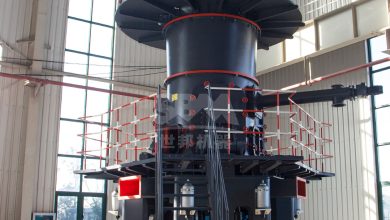
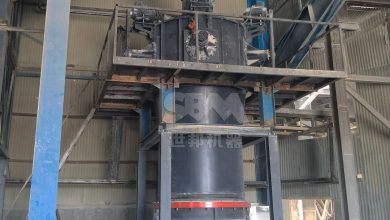
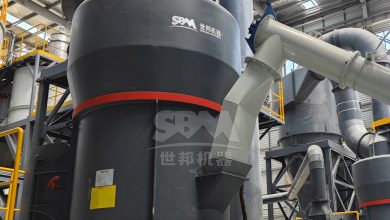
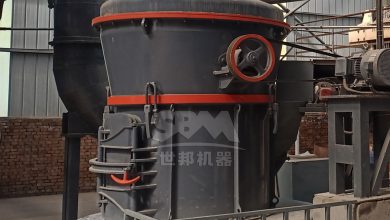
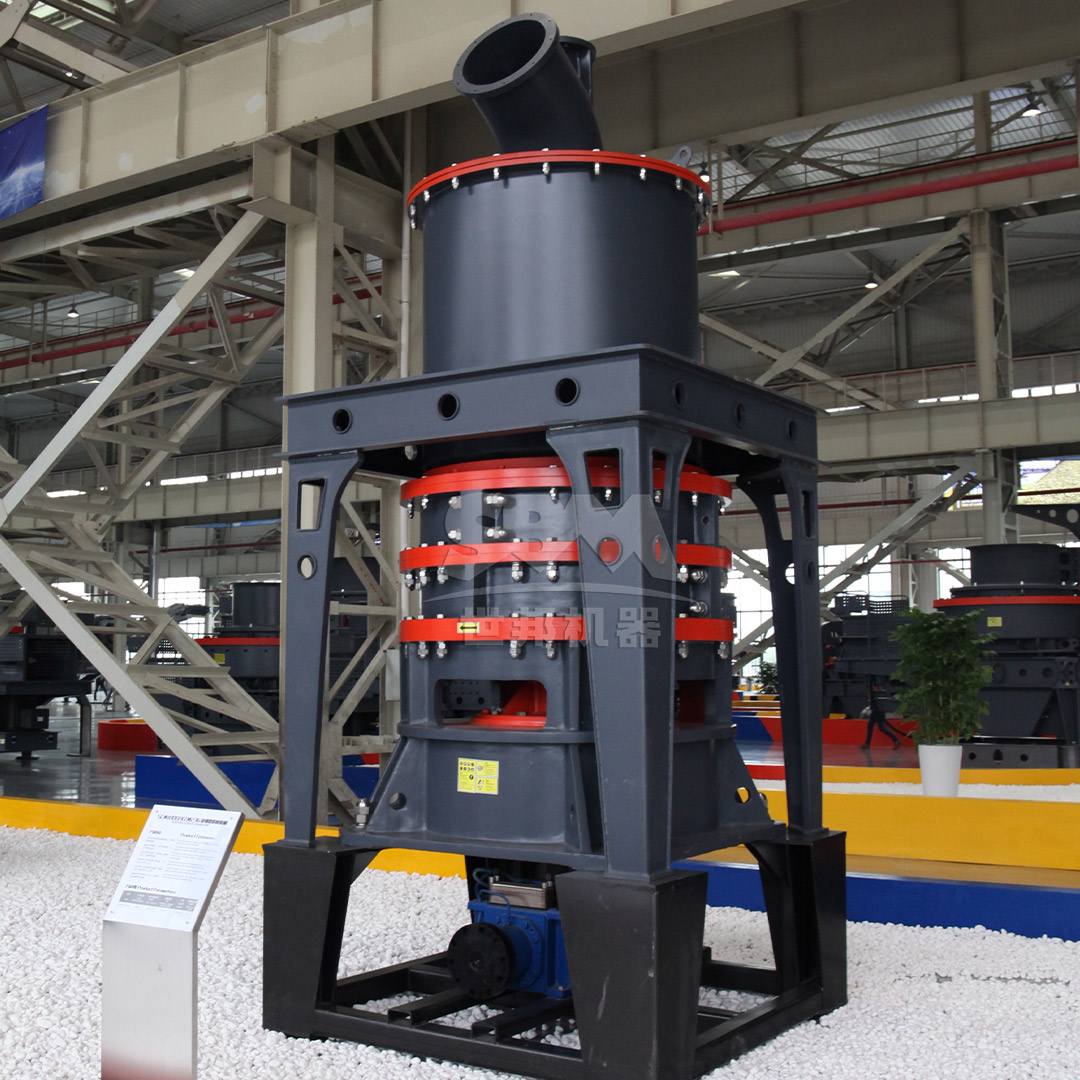
The SCM1395 represents an advanced iteration of the ring roller mill design, specifically engineered to address the stringent demands of modern mineral processing. Its working principle is based on layer-by-layer material grinding. The main motor drives the grinding ring to rotate. Material fed into the mill is dispersed by centrifugal force onto the grinding path, where it is crushed under the high-pressure applied by multiple grinding rollers. This multi-layer grinding action ensures progressive size reduction with high efficiency.
Key Advantages for GCC Production
The design of the SCM1395 incorporates several features that make it exceptionally suitable for heavy calcium carbonate processing:
- High Efficiency & Energy Savings: Compared to traditional jet mills or older generation roller mills, the SCM1395 offers significantly higher capacity with lower specific energy consumption. Its intelligent control system allows for automatic feedback on finished product granularity, optimizing the grinding process in real-time.
- Superior Particle Size Control: Equipped with a high-precision vertical turbine classifier, the mill achieves precise particle size cutting. This ensures a narrow PSD, eliminates coarse powder mixing, and guarantees a uniform finished product critical for filler applications.
- Exceptional Durability: The grinding rollers and ring are manufactured from special wear-resistant alloys, extending service life several times over when processing abrasive materials like calcium carbonate. The shaftless screw design in the grinding chamber further enhances operational stability and reduces maintenance downtime.
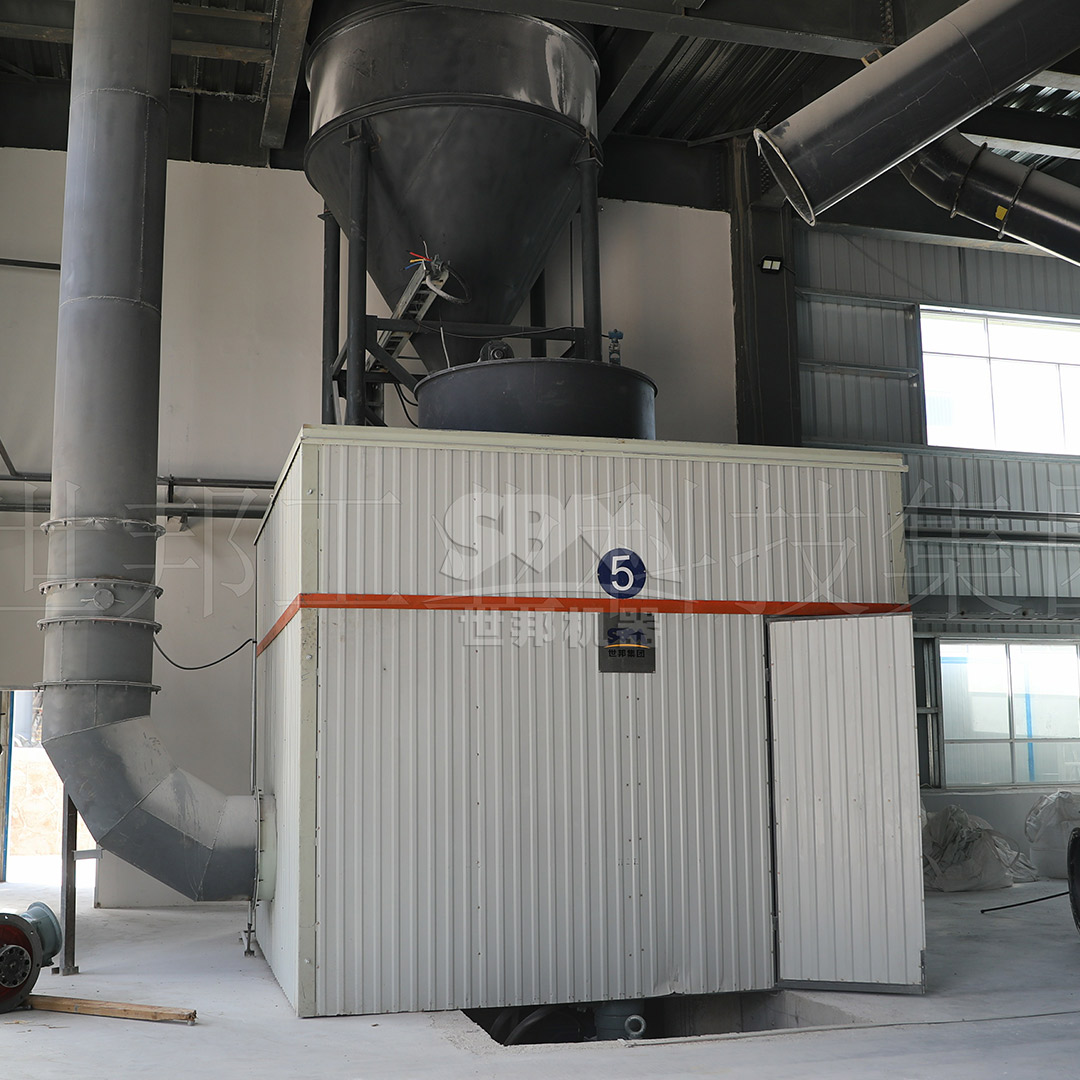
- Environmental Compliance: The mill system integrates a high-efficiency pulse dust collector, ensuring dust emission levels exceed international standards. A soundproof room design is also available as an option, keeping plant noise well within acceptable limits.
Integration into a Complete GCC Production Line
A typical heavy calcium carbonate powder processing line consists of several stages: primary crushing, secondary crushing, grinding, classification, and packaging. The SCM1395 serves as the core grinding unit.
- Raw Material Preparation: Large limestone blocks are first reduced by a jaw crusher and then further crushed by a secondary crusher (like a hammer mill or impact crusher) to a size suitable for the mill feed (typically ≤20mm).
- Grinding & Classification: The pre-crushed material is conveyed and fed into the SCM1395. Inside the mill, grinding and primary classification occur simultaneously. The integrated classifier immediately separates fines that meet the target size, sending them to the collection system. Oversize material is returned to the grinding bed for further processing. This closed-circuit operation is key to efficiency.
- Product Collection & Dedusting: The fine powder carried by the airflow enters a high-efficiency cyclone collector for primary separation. The remaining air, containing ultra-fine particles, is then cleaned by a pulse-jet bag filter before being vented. The collected powder from both systems is conveyed to storage silos.
- Packaging: Finally, the finished GCC powder is dispatched via automated packing machines or bulk tanker loading systems.
Recommended Product for Coarser Grade Production: MTW Series European Trapezium Mill
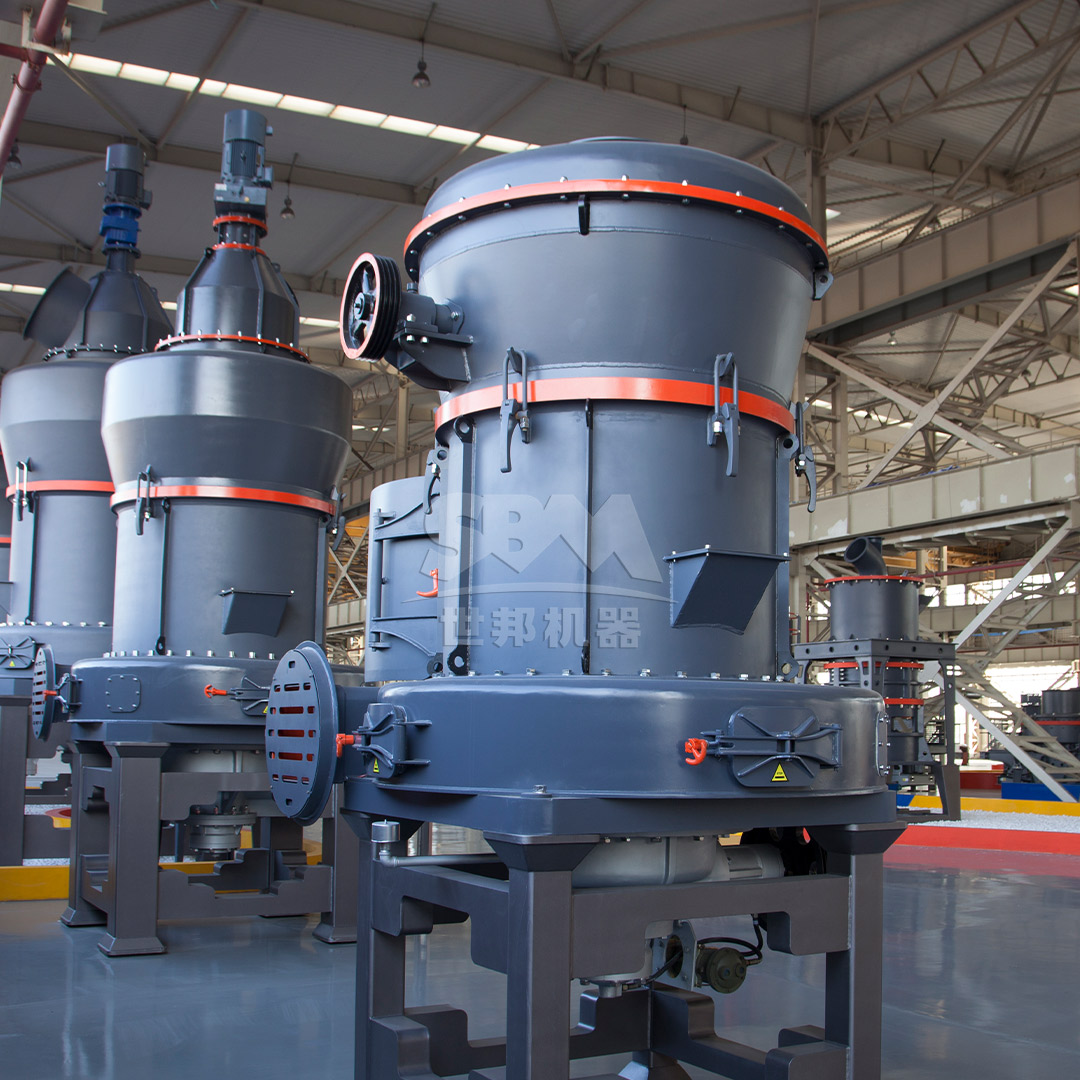
For production lines targeting coarser GCC grades in the range of 30-325 mesh (600-45μm), or for initial size reduction stages feeding an ultra-fine mill, we highly recommend our MTW Series European Trapezium Mill. This mill is renowned for its robustness and efficiency in medium-fine grinding applications.
Its technical advantages include an anti-wear combined shovel design that reduces maintenance costs, an optimized arc air duct that minimizes energy loss, and an integral bevel gear drive with 98% transmission efficiency. The wear-resistant volute structure further enhances its durability and operational economy. Models like the MTW215G, with a capacity of 15-45 tons per hour, are ideal for large-scale production of ground calcium carbonate used in industries like paper manufacturing and PVC pipes.
Conclusion
The SCM1395 Ring Roller Mill stands out as a technologically advanced and economically viable solution for producing high-quality fine and ultra-fine heavy calcium carbonate powder. Its combination of high grinding efficiency, precise classification, operational durability, and environmental friendliness directly addresses the core challenges of modern GCC processing. By integrating the SCM1395 into a well-designed production line, manufacturers can achieve superior product quality, high output, and reduced total cost of ownership, securing a competitive edge in the global market for mineral fillers.