Application of Nickel Ore Vertical Mill in Laterite Nickel Ore Beneficiation Process
1. Introduction to Laterite Nickel Ore and Processing Challenges
Laterite nickel ore, a crucial source of global nickel supply, presents unique challenges in its beneficiation process. Characterized by high moisture content, strong stickiness, and complex mineral composition (primarily nickeliferous limonite and garnierite), its treatment requires robust and efficient grinding equipment. The initial size reduction and subsequent liberation of nickel-bearing minerals are critical steps that directly impact the efficiency of downstream hydrometallurgical (e.g., HPAL) or pyrometallurgical (e.g., RKEF) processes. Traditional grinding systems like ball mills often struggle with the abrasive and moist nature of laterite, leading to high energy consumption, excessive wear, and inconsistent product fineness. This has driven the industry towards more advanced solutions, with vertical roller mills (VRMs) emerging as a superior technology for this demanding application.
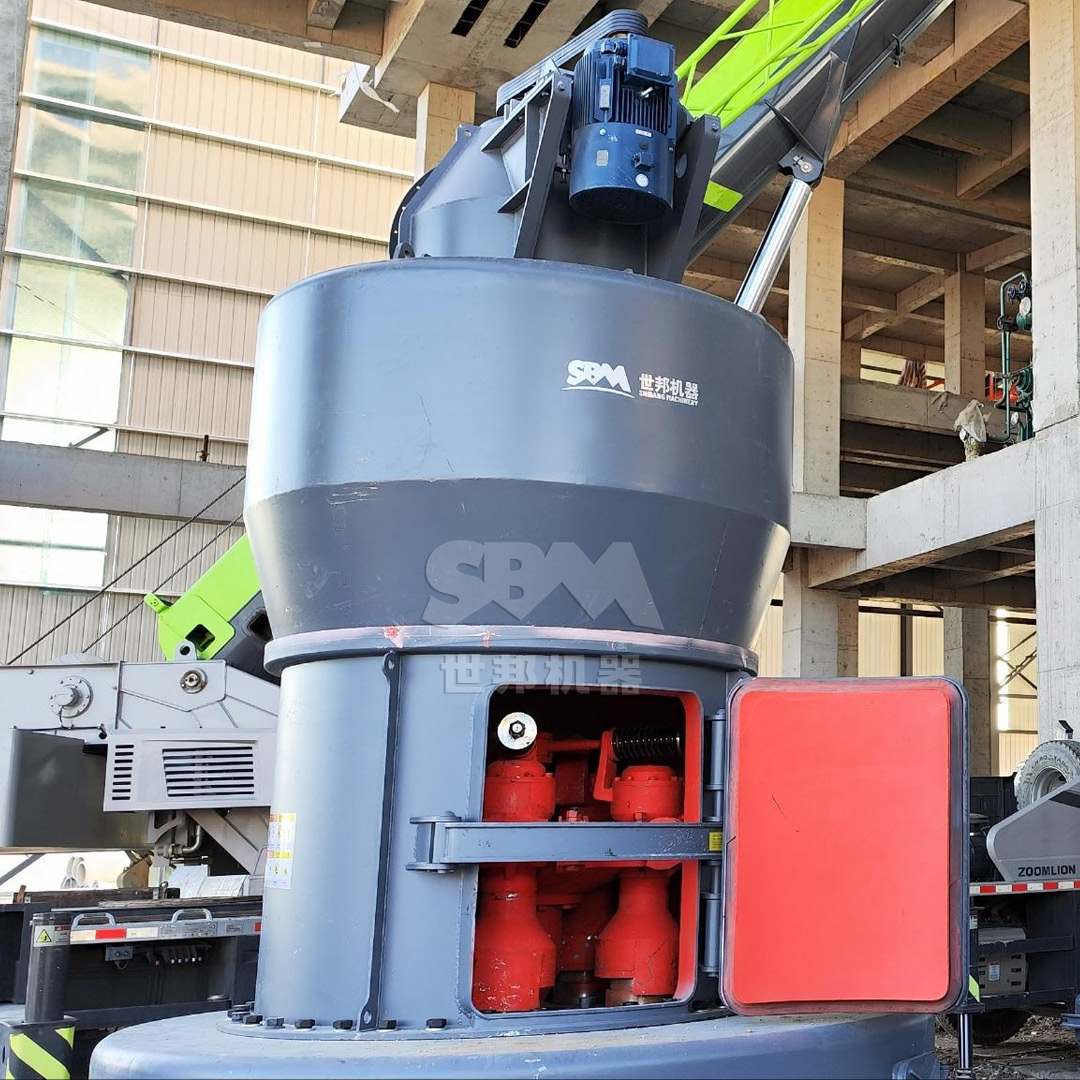
2. The Advantages of Vertical Roller Mills for Laterite Nickel Ore
Vertical roller mills offer a paradigm shift in the comminution of laterite nickel ore. Their design principle, based on material bed compression grinding between rollers and a rotating table, is inherently more efficient for semi-abrasive, moist materials than the impact and attrition mechanisms of ball mills.
2.1. High Grinding Efficiency and Energy Savings
The direct grinding action on a material bed minimizes energy losses. VRMs can achieve the same product fineness as ball mills while consuming 30-40% less electrical energy—a significant operational cost saving. This is paramount in energy-intensive nickel processing.
2.2. Superior Drying Capability
A key feature for laterite ore is the integrated hot gas generator. Hot air (up to 450°C) is introduced directly into the grinding chamber, simultaneously drying and grinding the feed material from moisture levels as high as 15-20% down to less than 1% in a single pass. This eliminates the need for separate, inefficient drying circuits.
2.3. Excellent Product Quality Control
VRMs are equipped with high-efficiency dynamic classifiers integrated into the top of the mill. This allows for precise control over the product particle size distribution (PSD). A consistent and optimal PSD is vital for maximizing nickel extraction rates in subsequent leaching or smelting stages.
2.4. Robust Design and Lower Wear
While laterite is abrasive, the wear parts in a VRM (rollers and table liners) are made from highly wear-resistant alloys and operate in a non-contact mode with the table under hydraulic pressure. This design extends service life significantly compared to the constant metal-on-metal contact in a ball mill.
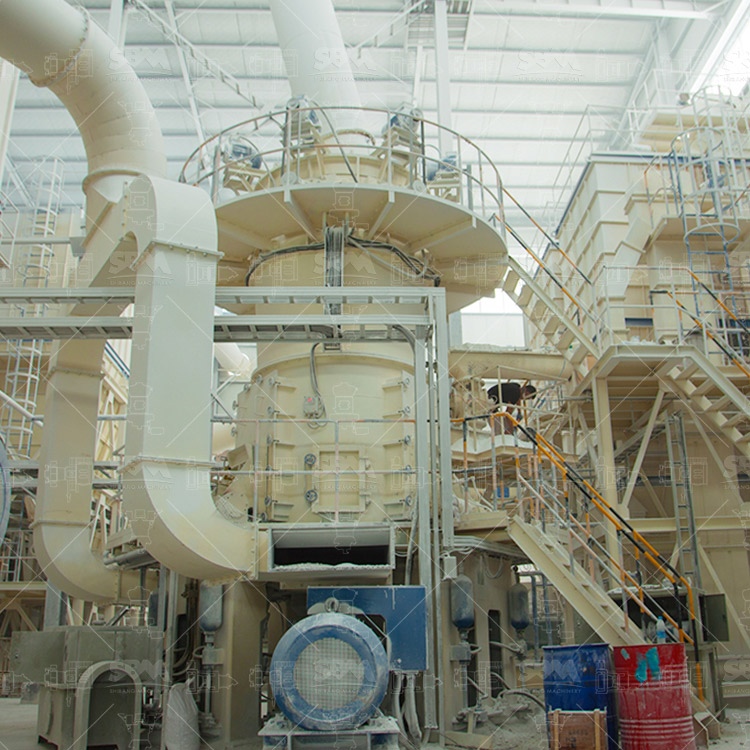
3. Critical Operational Considerations for Vertical Mills in Laterite Processing
Successfully deploying a VRM for laterite nickel requires attention to several specific parameters:
- Feed Size: A pre-crushing stage (e.g., using a jaw crusher or hammer mill) is necessary to ensure feed size is within the VRM’s specification, typically ≤50mm.
- Grinding Pressure & Roller Speed: These must be optimized for the specific laterite ore’s hardness and abrasiveness to achieve the target throughput and fineness while minimizing vibration.
- Gas Flow & Temperature: The hot gas volume and temperature profile must be carefully balanced to provide sufficient drying capacity without overheating the mill or the product.
- Wear Part Monitoring: Implementing a predictive maintenance schedule for rollers and table liners based on operational hours and throughput is essential for planning downtime.
4. Recommended Vertical Mill Solutions for Laterite Nickel Ore
Based on the typical requirements of laterite nickel ore beneficiation—handling moist, abrasive feed up to 50mm, producing a finely ground product (often in the range of 30-200 mesh), and demanding high reliability—two product series from our portfolio stand out as ideal solutions.
4.1. LM Series Vertical Roller Mill: The High-Capacity Workhorse
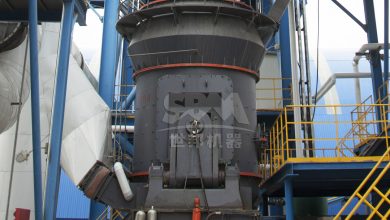
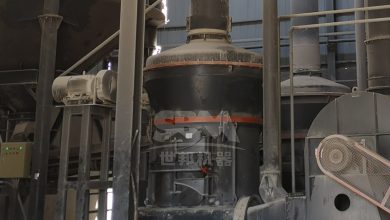
For large-scale laterite processing plants requiring capacities from 3 to over 250 tons per hour, the LM Series Vertical Roller Mill is the industry benchmark. Its integrated design combines crushing, grinding, drying, and classifying in a single unit, reducing plant footprint by 50%. Key advantages for laterite include:
- Low Operating Cost: Energy consumption is 30-40% lower than traditional ball mill systems. The non-contact grinding design and use of special alloy wear parts increase service life by a factor of three.
- Intelligent Control: An expert-level automatic control system allows for real-time monitoring and adjustment of grinding pressure, gas flow, and classifier speed, ensuring stable operation and consistent product quality with minimal manual intervention.
- Environmental Compliance: The fully sealed negative pressure operation prevents dust emission, and the soundproof design keeps noise levels well within regulatory limits.
For a standard laterite grinding circuit aiming for 80% passing 74μm (200 mesh), models like the LM190K (23-68 t/h) or LM220K (36-105 t/h) are frequently deployed, offering the perfect balance of capacity, efficiency, and operational robustness.
4.2. MTW Series European Trapezium Mill: The Flexible and Efficient Performer
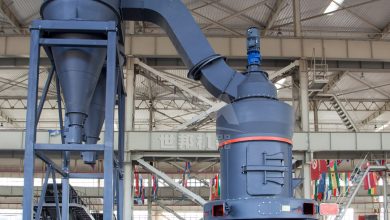
For medium-scale operations or projects where flexibility and ease of maintenance are prioritized, the MTW Series European Trapezium Mill is an excellent choice. Engineered with advanced European technology, it handles feed sizes up to 50mm and delivers fineness between 30-325 mesh (600-45μm). Its strengths for laterite ore are:
- Anti-wear & Durable Design: The curved shovel blade design and wear-resistant volute structure are specifically engineered to handle abrasive materials, reducing maintenance frequency and costs by up to 30%.
- High Transmission Efficiency: The innovative integral bevel gear drive achieves a remarkable 98% transmission efficiency, saving energy and reducing the overall footprint of the drive system.
- Optimized Airflow: The arc air duct design minimizes airflow resistance and energy loss, enhancing the drying and powder conveying efficiency crucial for moist laterite.
Models such as the MTW175G (9.5-25 t/h) or MTW215G (15-45 t/h) provide a reliable, efficient, and lower-capital-cost alternative for many laterite nickel beneficiation plants.
5. Conclusion
The adoption of vertical roller mill technology represents a significant advancement in the beneficiation of laterite nickel ore. By offering unparalleled energy efficiency, integrated drying, precise particle size control, and lower maintenance requirements, VRMs directly address the core challenges posed by this difficult-to-process material. Whether opting for the high-capacity, integrated LM Series or the flexible, efficiently designed MTW Series, mining operators can achieve a substantial reduction in operating costs (OPEX) and improved metallurgical performance in their downstream processes. As the demand for nickel continues to grow, driven by the stainless steel and electric vehicle battery sectors, the role of efficient and reliable grinding technology like the vertical roller mill will only become more central to sustainable and profitable nickel production.