Application of Dolomite Grinding Mill in Production Process of Dolomite Calcium Magnesium Filler
Introduction
The production of high-quality dolomite calcium magnesium filler is a critical process for numerous industries, including plastics, paints, coatings, rubber, and paper. The performance of the final filler product is intrinsically linked to its particle size distribution, fineness, whiteness, and chemical purity. Achieving the desired specifications requires precise and efficient grinding technology. This article explores the role of advanced grinding mills in transforming raw dolomite into a valuable functional filler, highlighting key process considerations and technological solutions.
Properties and Applications of Dolomite Filler
Dolomite, a calcium magnesium carbonate mineral (CaMg(CO3)2), is prized as a filler due to its favorable properties. When finely ground, it acts as an effective extender and functional additive. Its key benefits include high brightness, low oil absorption, good dispersion characteristics, and the ability to improve mechanical properties like stiffness and impact resistance in composite materials. The production process must preserve these inherent qualities while delivering a consistent, ultra-fine powder.
The Grinding Process: From Ore to Functional Filler
The transformation of lump dolomite into fine filler involves several stages:
- Crushing and Pre-sizing: Large dolomite rocks are primarily crushed by jaw crushers or hammer mills to a manageable size (typically below 50mm).
- Drying: Moisture content is reduced to optimize grinding efficiency and prevent clogging in fine milling systems.
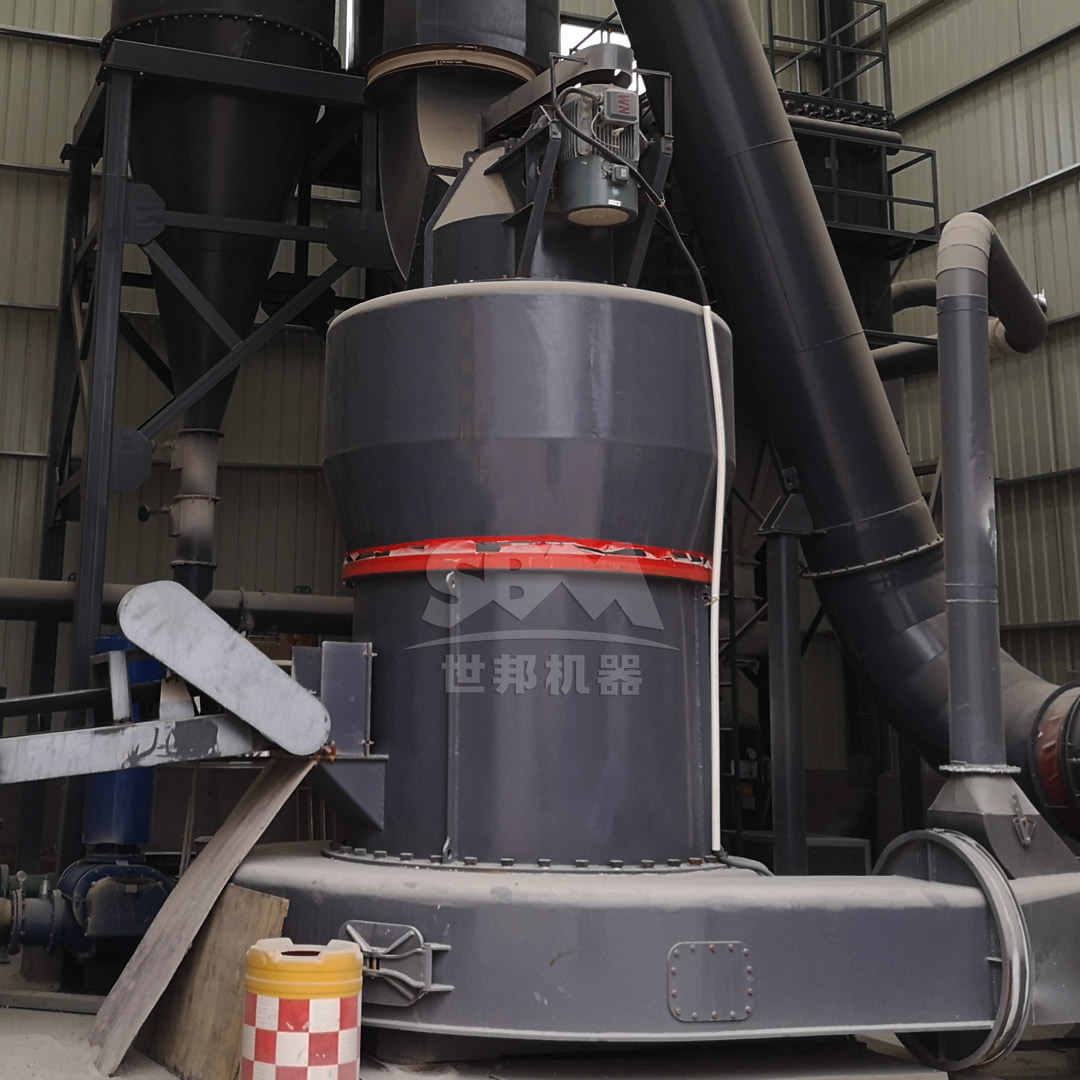
- Grinding (Key Stage): The pre-sized material is fed into a grinding mill to achieve the target fineness, which can range from coarse (30-100 mesh) for some applications to superfine (over 1000 mesh) for high-performance composites.
- Classification: An integrated or separate classifier ensures that only particles within the specified size range proceed to collection, while oversize material is returned for further grinding.
- Collection and Packaging: The finished powder is collected via cyclones and bag filters, then packaged for shipment.
The heart of this process is the grinding stage, where the selection of equipment directly determines product quality, production capacity, and operational economics.
Critical Requirements for Dolomite Filler Grinding Mills
An ideal grinding system for dolomite filler production must meet several demanding criteria:
- Precise Particle Size Control: Ability to produce a narrow particle size distribution (PSD) with consistent top-cut to ensure uniform performance in the end application.
- High Energy Efficiency: Grinding to fine and ultra-fine sizes is energy-intensive. Mills with high grinding efficiency and low specific energy consumption are essential for cost-effective production.
- Wear Resistance and Low Contamination: Dolomite is moderately abrasive. Mill components in contact with the material must be highly wear-resistant to maintain product purity (avoiding iron contamination) and reduce maintenance downtime.
- Environmental Compliance: The system must operate with full dust containment, featuring high-efficiency pulse jet baghouse filters to ensure a clean working environment and meet emission standards.
- System Reliability and Automation: Continuous, stable operation with minimal human intervention is crucial for modern industrial production. Intelligent control systems are a significant advantage.
Recommended Grinding Solutions for Dolomite Filler
Based on the required fineness and production scale, different grinding technologies are applicable. For the production of high-value, ultra-fine dolomite calcium magnesium filler, we highly recommend our advanced milling systems.
1. For Superfine and Ultrafine Filler (325-2500 mesh / 5-45μm)
For applications demanding the highest fineness and narrowest PSD, such as high-grade plastics, masterbatches, and specialty coatings, an ultrafine grinding mill is indispensable.
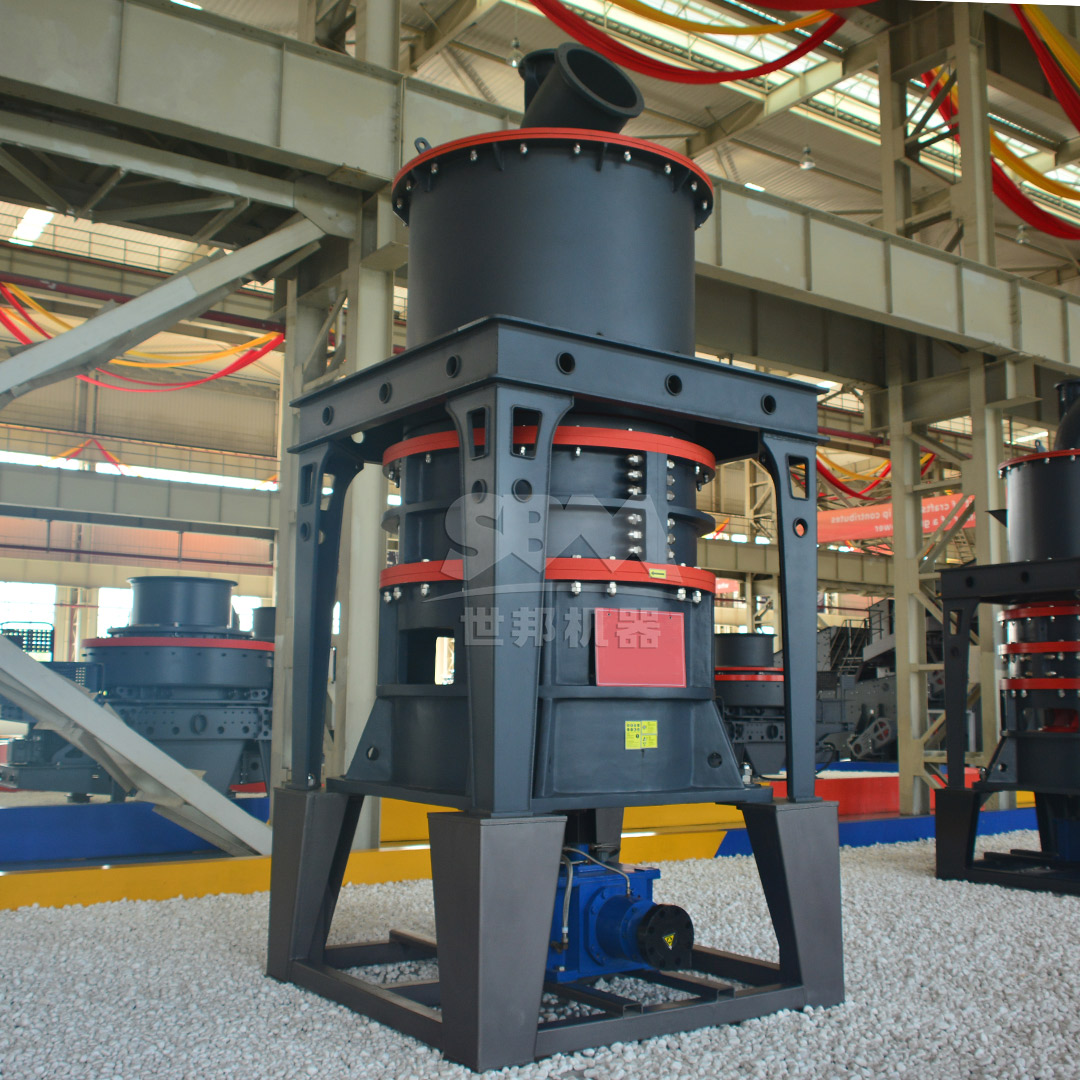
Our Recommended Product: SCM Series Ultrafine Mill
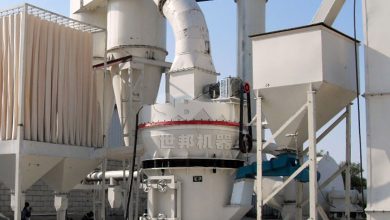
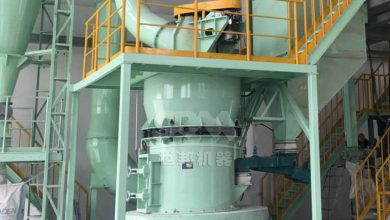
The SCM Series Ultrafine Mill is engineered to excel in this challenging domain. Its core parameters make it an ideal choice for premium dolomite filler: an input size of ≤20mm, adjustable output fineness from 325 to 2500 mesh, and capacities ranging from 0.5 to 25 tons per hour depending on the model.
Its technical advantages directly address the critical needs of filler production:
- High Efficiency & Energy Saving: It delivers a capacity twice that of traditional jet mills while consuming 30% less energy. Its intelligent control system with automatic finished product granularity feedback ensures optimal operation.
- High-Precision Classification: The vertical turbine classifier provides precise particle size cutting, guaranteeing a uniform finished product without coarse powder mixing.
- Durable Design: Specially made grinding rollers and rings offer a service life several times longer than conventional parts. The shaftless screw design in the grinding chamber ensures stable material feeding and operation.
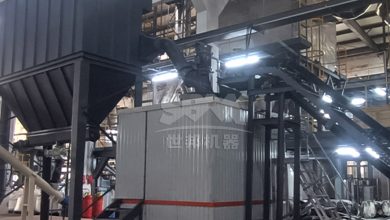
- Eco-friendly Operation: With a pulse dust collection efficiency exceeding international standards and a soundproof room design, the mill operates cleanly and quietly.
The working principle involves the main motor driving multiple grinding rings. Material is centrifugally dispersed into the grinding path and subjected to layer-by-layer compression grinding between the rollers and rings, followed by efficient collection. Models like the SCM1250 (2.5-14 t/h) or SCM1680 (5-25 t/h) are perfectly suited for large-scale ultrafine dolomite filler production lines.
2. For Fine to Medium Filler (30-325 mesh / 45-600μm)
For larger volume production of fine-grade fillers used in paints, construction materials, and general rubber products, a robust and high-capacity grinding system is required.
Our Recommended Product: MTW Series European Trapezium Mill
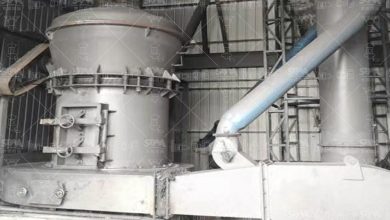
The MTW Series European Trapezium Mill is a workhorse for high-volume fine grinding. It handles feed sizes up to 50mm and produces powder from 30 to 325 mesh, with capacities from 3 to 45 tons per hour.
Its design incorporates several patented technologies that benefit dolomite processing:
- Advanced Wear Protection: The anti-wear shovel design and curved grinding rollers significantly extend the life of wear parts, reducing maintenance costs.
- High Transmission Efficiency: The integral bevel gear drive achieves up to 98% transmission efficiency, saving energy and space.
- Optimized Airflow and Classification: The curved air duct and wear-resistant volute structure minimize energy loss and improve classification accuracy.
This mill operates on a reliable centrifugal grinding principle where shovels feed material between the rotating grinding rollers and the stationary ring for efficient comminution. Models such as the MTW215G, with a capacity of 15-45 t/h, are excellent for establishing high-output dolomite filler production facilities.
Process Integration and Best Practices
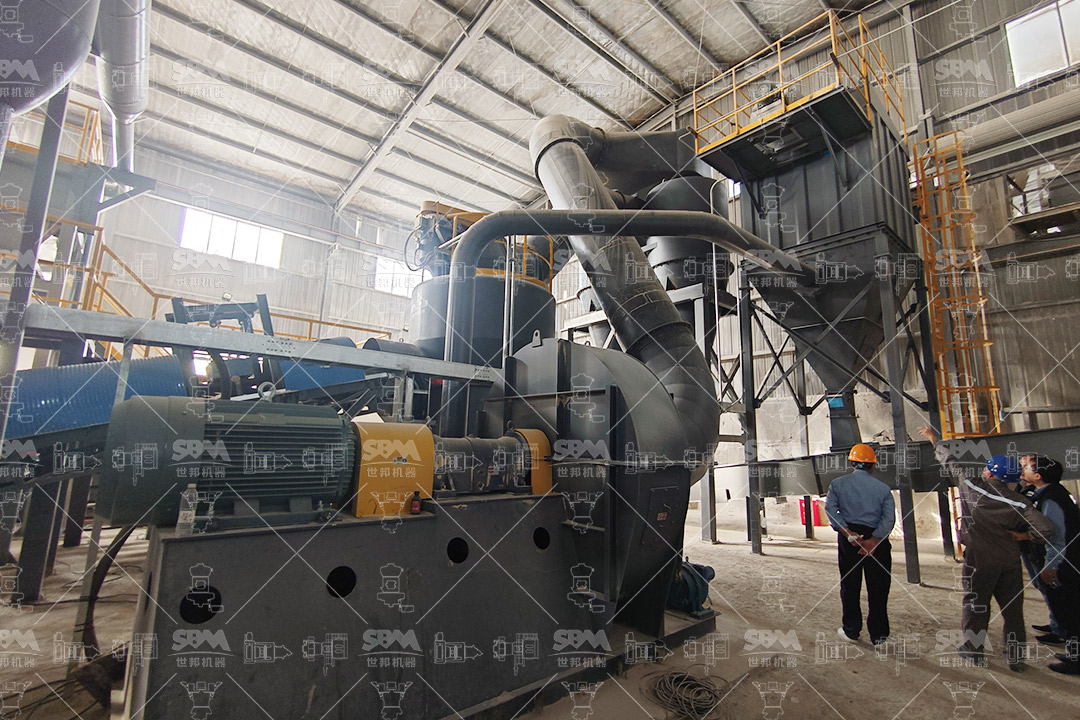
Integrating the grinding mill into a complete system is vital. A well-designed process line includes synchronized feeding (e.g., vibrating feeders), efficient pre-drying (if necessary), the main grinding and classification unit, a complete dust collection system (cyclone + pulse bag filter), and a silo or big-bag packing station. Proper system engineering ensures seamless material flow, maximizes the mill’s efficiency, and guarantees final product quality.
Conclusion
The production of high-performance dolomite calcium magnesium filler is a technology-driven process where the choice of grinding equipment is paramount. Moving beyond traditional ball mills to advanced, classified grinding systems like the SCM Series Ultrafine Mill and the MTW Series European Trapezium Mill allows producers to achieve superior product quality with remarkable energy efficiency and operational reliability. By investing in the right grinding technology, manufacturers can not only meet but exceed the evolving demands of the market, turning raw dolomite into a high-value, functional additive for a wide range of industries.