Analysis of Current Status in Calcium Hydroxide Industry by Leading Equipment Manufacturers
Introduction: The Evolving Landscape of Calcium Hydroxide Production
The calcium hydroxide (Ca(OH)₂) industry, a cornerstone of chemical manufacturing, construction, water treatment, and environmental remediation, is undergoing a significant transformation. Driven by escalating demand for high-purity, consistently fine products and stringent environmental regulations, the focus has shifted decisively towards advanced processing technology. The efficiency, reliability, and technological sophistication of grinding and classification equipment have become the primary differentiators for producers seeking competitive advantage. This analysis examines the current status of the industry from the perspective of leading equipment manufacturers, highlighting key technological trends, operational challenges, and the pivotal role of innovative milling solutions in shaping the future of calcium hydroxide production.
1. Market Drivers and Technological Imperatives
The global push for sustainable industrial practices and higher-value applications for calcium hydroxide has created several non-negotiable demands on production equipment:
- Ultra-Fine and Controlled Particle Size Distribution: Applications in polymers, advanced ceramics, and high-performance construction materials require powders with fineness reaching 1250 mesh (10μm) and beyond, with narrow particle size distribution for optimal reactivity and packing density.
- Energy Efficiency and Operational Cost Reduction: Grinding is an energy-intensive process. Manufacturers are under immense pressure to lower specific energy consumption (kWh/ton) while maintaining or increasing throughput.
- Production Flexibility and Scalability: Plants must adapt to varying raw material qualities (limestone) and produce different product grades for diverse markets without major downtime or reconfiguration.
- Environmental Compliance and Clean Operation: Zero dust emission, low noise levels, and minimal waste are now standard requirements, not optional extras, for obtaining operational licenses and maintaining social license to operate.
- Automation and Digital Integration: The move towards Industry 4.0 necessitates equipment with smart control systems capable of remote monitoring, predictive maintenance, and automatic adjustment of key parameters like fineness and feed rate.
2. Analysis of Prevailing Grinding Technologies
Leading equipment manufacturers have developed specialized mill series to address the unique properties of calcium hydroxide (soft, abrasive, and prone to agglomeration). The technology spectrum ranges from coarse grinding to ultra-fine processing.
2.1 For Coarse to Medium-Fine Grinding (30-325 mesh)
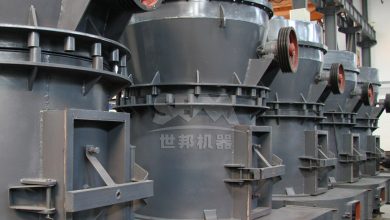
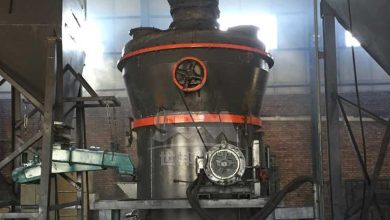
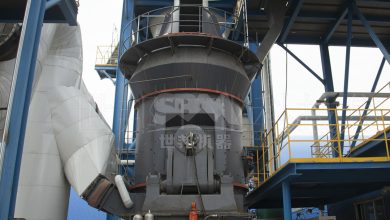
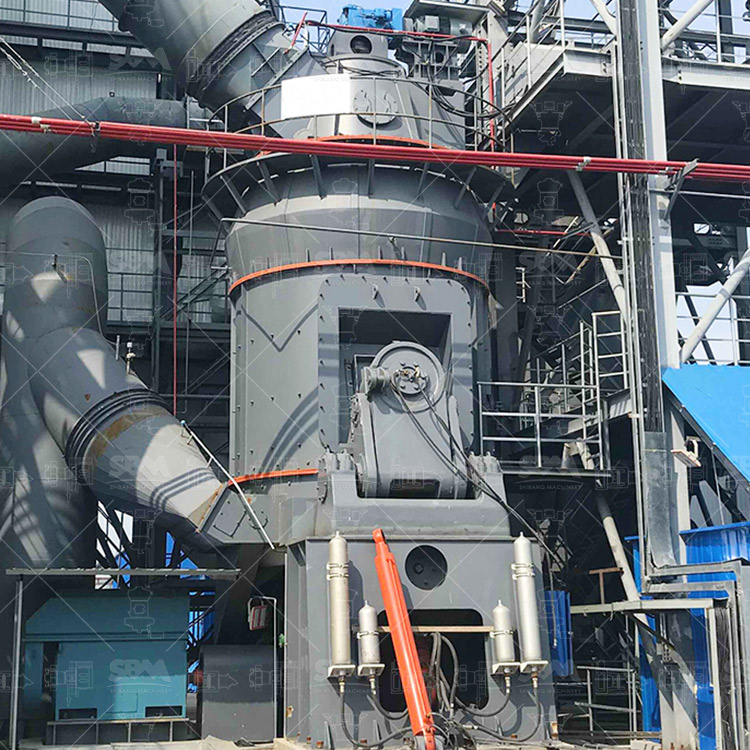
For producing hydrated lime for soil stabilization, basic water treatment, and construction, robust and high-capacity systems are paramount. The MTW Series European Trapezium Mill and LM Series Vertical Roller Mill represent the state-of-the-art in this segment. Their integrated design—combining grinding, drying (if needed), and classification—offers a compact footprint and high efficiency. The vertical roller mill, in particular, with its bed grinding principle, has demonstrated energy savings of 30-40% compared to traditional ball mill systems for similar output fineness. Its ability to handle feed sizes up to 50mm and produce consistent powder in the 30-325 mesh range makes it ideal for large-scale calcium hydroxide plants.
2.2 For Ultra-Fine and High-Purity Grinding (325-2500 mesh)
This is the most technologically demanding and high-growth segment. Producing ultra-fine calcium hydroxide for specialty chemicals requires mills that deliver extreme fineness without contamination, with precise classification, and with acceptable energy economics. Traditional jet mills, while capable of fine grinding, suffer from high energy consumption and wide particle distribution.
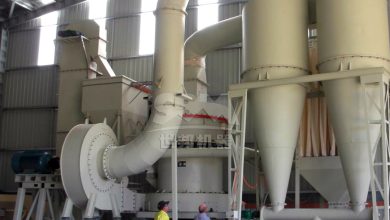
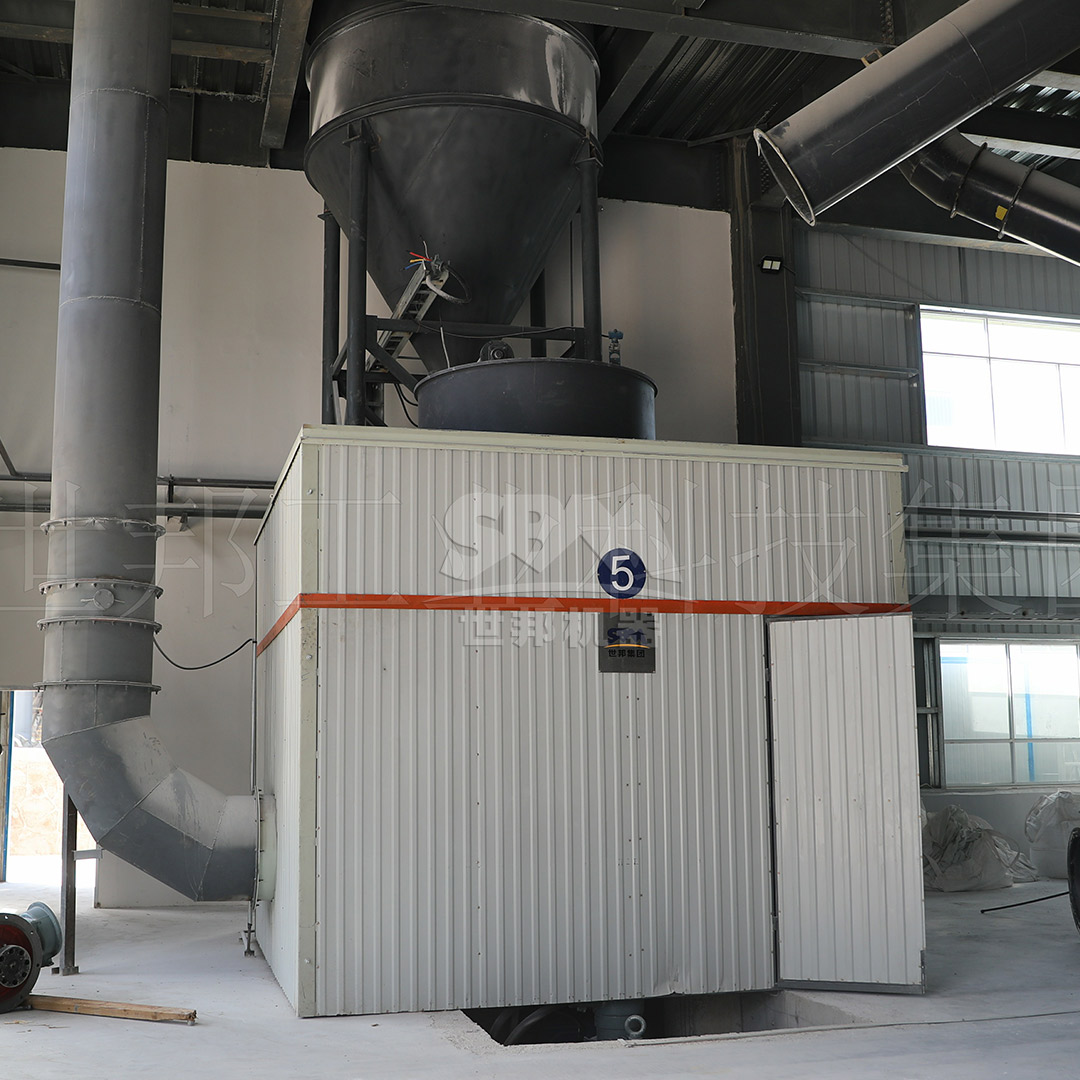
In response, advanced manufacturers have pioneered mills like the SCM Series Ultrafine Mill. This mill is engineered specifically for the challenges of ultra-fine processing. Its vertical turbine classifier achieves precise particle size cutting, ensuring no coarse powder mixes into the final product—a critical factor for applications like PVC stabilizers or high-grade pharmaceuticals. Furthermore, its design emphasizes durability for abrasive materials; special material rollers and rings extend service life several times over. Perhaps most compelling for modern producers is its efficiency claim: offering capacity twice that of jet mills while reducing energy consumption by approximately 30%. This combination of precision, durability, and efficiency positions such technology as a benchmark for future-facing calcium hydroxide production.
3. Critical Success Factors for Equipment Selection
Based on industry analysis, selecting the right equipment involves a holistic evaluation beyond basic capacity and fineness specs:
- Total Cost of Ownership (TCO): Leading manufacturers now provide solutions that minimize TCO. This includes not only the purchase price but also energy consumption, wear part longevity (e.g., rollers, rings), maintenance frequency, and required manpower. Mills with quick-change roller systems and intelligent pressure regulation significantly reduce downtime and labor costs.
- System Integration and Footprint: Modern plants favor skid-mounted or highly integrated systems that reduce civil engineering costs and installation time. Vertical mills and integrated trapezium mills that combine multiple processes into a single unit are increasingly popular.
- Environmental Performance: Equipment must be designed for full negative pressure operation with high-efficiency pulse dust collectors (efficiency >99.9%) to ensure a dust-free workshop. Soundproof room designs are also becoming standard to meet strict workplace noise regulations.
- Control and Automation Readiness: The chosen mill should have a native expert-level auto-control system capable of maintaining stable product quality through feedback loops and supporting integration into plant-wide DCS/SCADA systems for remote operation and data analytics.
4. The Path Forward: Smart and Sustainable Manufacturing
The trajectory for leading calcium hydroxide producers is clear: integration of smart, connected, and supremely efficient grinding technology. The next generation of equipment will feature:
- AI-Optimized Process Control: Using real-time data from sensors to dynamically adjust grinding pressure, classifier speed, and feed rate for optimal efficiency and quality.
- Enhanced Material Science: Continued development of proprietary alloys and ceramic composites for grinding elements to push service life even further, reducing waste and maintenance stops.
- Circular Economy Integration: Design of mills that can efficiently handle recycled calcium-based materials or by-products from other industrial processes, contributing to a zero-waste production model.
5. Conclusion and Strategic Recommendation
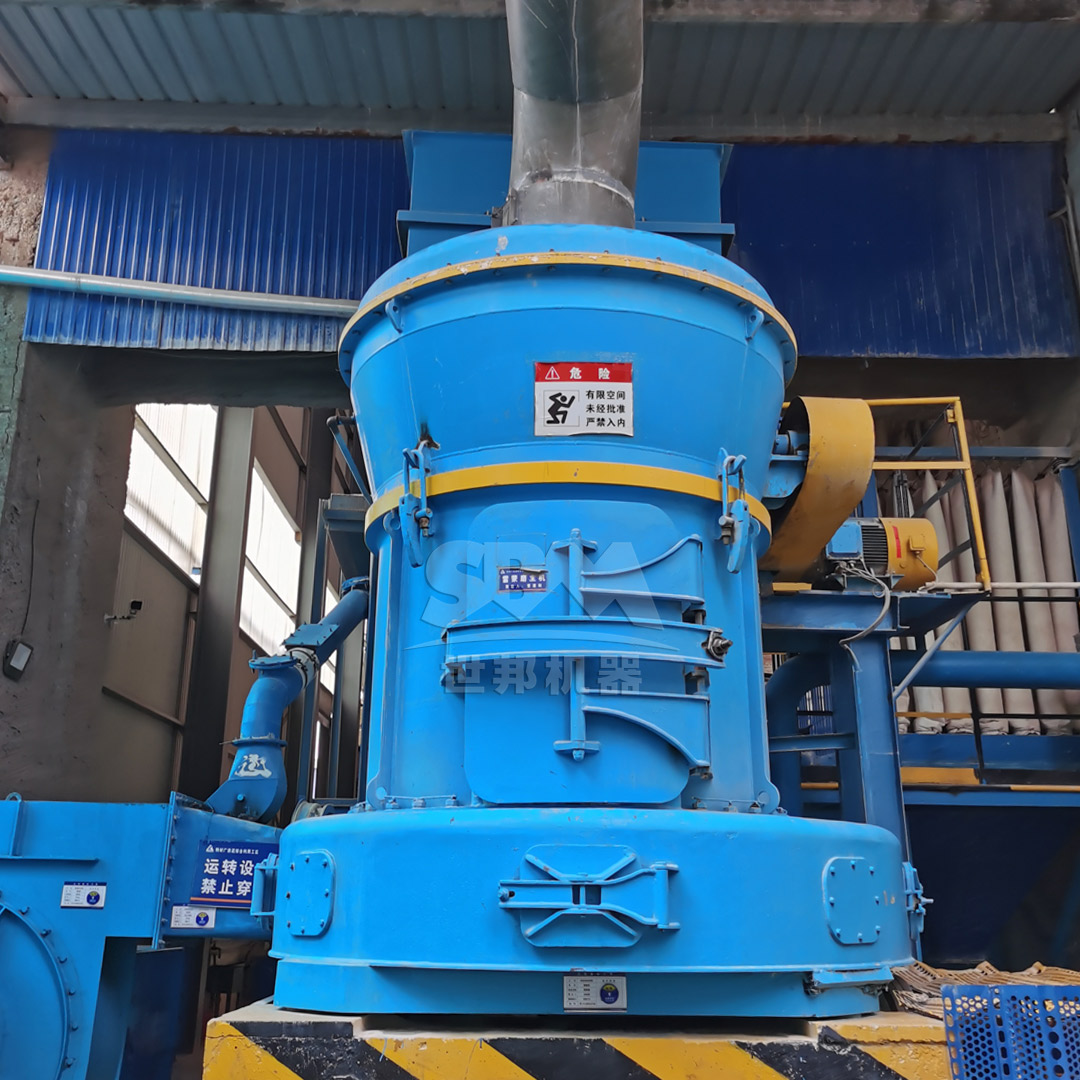
The calcium hydroxide industry’s current status is defined by a technological arms race towards finer, purer, and more sustainably produced powder. Success hinges on partnering with equipment manufacturers who not only provide machinery but also deep process understanding and innovative engineering. For producers aiming to lead in the high-value ultra-fine market or to achieve unmatched efficiency in standard-grade production, investing in the latest generation of vertical roller mills and ultrafine grinding systems is no longer an option but a strategic necessity. Equipment like the SCM Series Ultrafine Mill, with its proven high-efficiency classification and energy-saving performance, and the LM Series Vertical Roller Mill, with its unparalleled integration and low operating costs, exemplify the technological benchmarks that will define the industry leaders of tomorrow. The future belongs to those who grind smarter, not just harder.